
Desserts
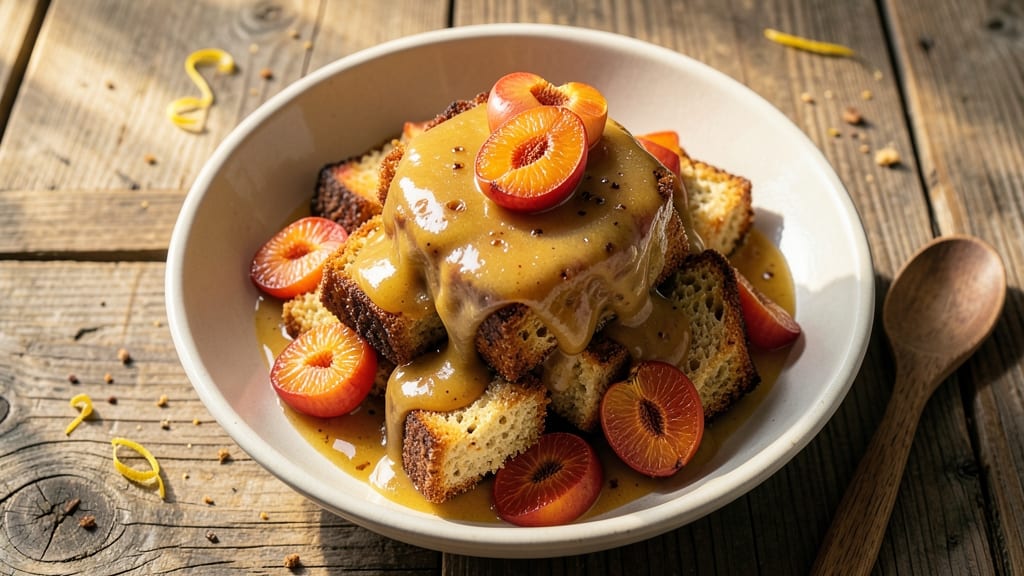
This apricot bread pudding recipe transforms stale bread and summer fruit into a dessert that tastes like a warm hug on a chilly evening. The secret lies in balancing tender bread cubes with tender apricots, all bound together by a rich custard that bakes into golden perfection.
I developed this version after years of testing—it’s the one that finally earned rave reviews from even the most skeptical dessert lovers.
The magic happens in the custard base, where eggs and warm milk create a silky texture that soaks up the bread’s crust while keeping the center creamy. Fresh apricots add natural sweetness and juicy bursts, while a touch of cinnamon and vanilla elevate the flavors to restaurant-quality levels.
What makes this recipe special is how it turns simple ingredients into something extraordinary with minimal effort.
By the time it emerges from the oven, you’ll have a dessert that’s rich yet light, with caramelized edges and a custard so smooth it melts in your mouth. The apricots stay tender, their juices mingling with the bread to create a harmony of textures and flavors.
Serve it warm with a drizzle of caramel sauce or a scoop of vanilla ice cream for the ultimate indulgence.
Perfect for using up day-old bread or canning-season apricots, this recipe scales beautifully—whether you’re feeding a family or just craving a single slice. The method is foolproof, and the results are always impressive. Let’s get baking!
Ingredients for apricot bread pudding
Simple ingredients that transform into a dessert with restaurant-quality harmony and warmth.
| Ingredient | Amount | Notes |
|---|---|---|
| Day-Old Bread 🍞 | 6 cups | Crusts removed, cubed into 1-inch pieces |
| Fresh Apricots 🍑 | 2 cups | Pitted, sliced into halves or quarters |
| Large Eggs 🥚 | 6 whole | Room temperature for even baking |
| Whole Milk 🥛 | 2 cups | Warmed to room temperature |
| Granulated Sugar 🍚 | 1 cup | Light brown sugar for deeper flavor |
| Unsalted Butter 🧈 | ½ cup | Melted, cooled slightly |
| Ground Cinnamon 🌿 | 1 tbsp | Freshly ground for best aroma |
| Vanilla Extract 🍯 | 1 tbsp | Pure, high-quality extract |
| Salt 🧂 | ½ tsp | Fine sea salt preferred |
| All-Purpose Flour 🌾 | ¼ cup | For thickening custard if needed |
| Caramel Sauce 🍯 | ½ cup | Store-bought or homemade, for serving |
| Vanilla Ice Cream 🍦 | 1 ½ cups | For serving, optional |
The bread is the foundation—day-old loaves work best, but fresh works in a pinch. Look for a rustic, crusty loaf at Whole Foods or your local bakery for that perfect texture. If using a baguette, tear it into irregular chunks for extra surface area. For apricots, fresh is ideal (peeled, pitted, and sliced), but canned apricots in juice are a great substitute when fresh aren't in season. Drain them well to avoid a watery pudding. The eggs should be large and fresh—room temperature ensures even baking, so take them out 30 minutes before starting.
No vanilla extract? Seeds from a vanilla bean or a pinch of vanilla sugar will work. The cinnamon is non-negotiable—it’s the spice that ties everything together. For a deeper flavor, toast the cinnamon lightly in a dry pan before adding it to the mixture. If you're using whole milk, warm it gently (don’t boil) to help the custard emulsify better. The butter should be melted but not hot—just cool enough to handle. For a gluten-free version, swap the bread for gluten-free bread or cornbread mix, and use cornstarch instead of flour to thicken the custard if needed.
This dessert keeps well—3 days in the fridge sealed tightly, or 2 months in the freezer wrapped in plastic. Reheat slices in the oven at 350°F (175°C) for 10-15 minutes until warmed through. The caramel sauce and ice cream are optional but highly recommended for that extra touch of indulgence. I always make a double batch—it disappears fast, especially when served warm. For a make-ahead option, assemble the pudding the night before and bake it in the morning.
Why You'll Love This Recipe
- I swear by this trick: toss in stale bread instead of wasting it. The texture gets wonderfully soft, and you’re basically turning yesterday’s sandwich crust into today’s dessert—no guilt, just golden perfection.
- No-Waste Magic: I swear by this trick: toss in stale bread instead of wasting it. The texture gets wonderfully soft, and you’re basically turning yesterday’s sandwich crust into today’s dessert—no guilt, just golden perfection.
- Sunshine in a Bowl: That caramelized sugar on fresh apricots? It’s like summer in every bite. The milk-soaked bread soaks up the juices while the eggs bind it all into a custardy hug—simple, but ridiculously good.
- Weeknight Wonder: Make it for breakfast, dessert, or a lazy afternoon snack. The leftovers reheat beautifully, and honestly? It’s my go-to when I need something impressive with zero effort—just assemble, bake, and let the oven do the work.
Step-by-step instructions for apricot bread pudding
Transform simple ingredients into a comforting dessert with layers of spiced bread and juicy apricots.
Prepare the Bread and Apricot Mixture
In a large bowl, combine the 6 cups day-old bread (cubed into 1-inch pieces) with the 2 cups fresh apricots (pitted and sliced). Gently toss until the bread cubes are evenly coated with fruit juices. This step ensures every bite has that perfect balance of bread and apricot flavor.
Next, stir in 1 tablespoon ground cinnamon and 1 tablespoon vanilla extract to distribute the spices throughout. The cinnamon will infuse warmth, while the vanilla adds depth. Set this mixture aside while you prepare the custard base.
Make the Custard Base
In a separate large bowl, whisk together the 6 whole large eggs, 2 cups whole milk, 1 cup granulated sugar, 0.5 teaspoon salt, and 0.25 cup all-purpose flour. Whisk vigorously for about 2 minutes until the mixture is smooth and slightly thickened. This creates a rich custard that will soak into the bread perfectly.
Slowly pour the melted 0.5 cup unsalted butter (cooled slightly) into the egg mixture while whisking continuously. The butter adds richness and helps create a velvety texture. Pour this custard mixture over the bread and apricot combination in the bowl, gently stirring until all the bread cubes are fully coated and saturated.
Assemble and Bake the Pudding
Transfer the bread mixture to a 9x13-inch baking dish, pressing down gently to ensure even distribution. The dish should be about ¾ full—this allows room for expansion while baking. Place the dish on a baking sheet to catch any potential spills.
Bake at 350°F for 40-45 minutes until the top is golden brown and the center is set but still slightly jiggly. A toothpick inserted should come out clean or with just a few moist crumbs. If the top browns too quickly, tent loosely with aluminum foil to prevent over-browning while ensuring the center cooks through.
Serve Warm with Caramel and Ice Cream
Remove the bread pudding from the oven and let it rest for 10 minutes before serving. This resting period allows the pudding to set slightly and makes it easier to slice. The warm custard will have thickened beautifully, creating a creamy texture that contrasts perfectly with the tender bread.
Drizzle each serving with 0.5 cup caramel sauce and top with a scoop of 1.5 cups vanilla ice cream for an indulgent finish. The warm bread pudding melts the ice cream slightly, creating a luxurious dessert experience. Serve immediately while still warm for the best texture and flavor combination.
Pro Tips For Making Apricot Bread Pudding
- Soak Bread Properly: Tear the day-old bread into 1-inch chunks—no need for perfection—and let it soak in the milk-egg mixture for at least 20 minutes. I used to rush this, but giving it time makes the pudding creamy, not soggy. (Yes, even if you’re impatient like me.)
- Poke Apricots First: Cut fresh apricots in half and slice them—then poke each piece with a knife. This keeps them from curling up while baking, so they stay flat and caramelize nicely. I learned this the hard way after pulling out a lopsided pudding.
- Bake at 350°F: Start the pudding at 350°F for the first 20 minutes, then drop to 325°F. The higher heat sets the edges faster, while the lower temp ensures the center stays moist. I was skeptical until I tried it—now it’s non-negotiable.
- Use Room-Temp Eggs: Take eggs out of the fridge 30 minutes before mixing—whisking cold eggs into warm milk makes the custard grainy. Trust me, your pudding will thank you. (And no, you don’t have to remember this every time—just set a timer.)
Pro cooking tips for great apricot bread pudding
Custard Consistency
Whisk the eggs and milk vigorously for at least 2 minutes to create a smooth, thick custard. I use a hand mixer on medium speed for this step—it emulsifies the mixture better than whisking by hand.
The custard should coat the back of a spoon and hold its shape when drizzled. If it’s too thin, stir in 1-2 tablespoons of all-purpose flour to thicken it. 🥄
Bread Soaking Secrets
Don’t rush the soaking process—let the bread cubes absorb the custard for 10 minutes before baking. This ensures every bite is moist and flavorful.
If your bread is particularly dry, pour the custard over it in the bowl and let it sit uncovered for 5 minutes to soak up more liquid. For extra richness, add 1-2 tablespoons of apricot jam to the custard mixture before pouring it over the bread.
Preventing a Soggy Bottom
Line the bottom of your baking dish with a parchment paper sheet before adding the bread mixture. This creates a barrier that prevents the custard from sticking and ensures even baking. If you notice the bottom browning too quickly, slide a metal tray under the dish to reflect heat upward.
For an extra insurance policy, sprinkle ½ cup crushed graham crackers on top before baking—this adds crunch and helps the top brown beautifully.
Apricot Prep Matters
Fresh apricots should be sliced into ¼-inch thick pieces for even cooking. If using canned apricots, drain them well and pat dry with a paper towel to avoid a watery pudding.
For a deeper flavor, toss the apricot slices with ½ teaspoon lemon juice before mixing them with the bread. This brightens the fruit and balances the sweetness of the custard.
Baking Time Adjustments
Your oven’s hot spots can affect baking time, so rotate the dish halfway through baking for even cooking. If the top browns too quickly, tent it loosely with aluminum foil for the last 10-15 minutes of baking.
For a perfectly set center, check doneness by inserting a toothpick—it should come out with just a few moist crumbs, not wet batter. 🌡️
Make-Ahead Magic
Assemble the bread pudding the night before and refrigerate it uncovered for 4-6 hours to let the flavors meld. This step deepens the custard’s richness and makes the bread even more tender. When ready to bake, add 5-10 extra minutes to the baking time since the mixture will be colder.
For a no-bake option, chill the assembled pudding for 2 hours and serve with whipped cream—it’s just as delicious cold!
Nutrition facts
Frequently asked questions
Can I use stale bread or will fresh bread work?
Day-old bread is ideal because it absorbs the custard perfectly, but fresh bread works in a pinch. If using fresh, lightly toast the cubes first to dry them out slightly. For extra texture, try a mix of crusty and soft bread—like a baguette combined with brioche.
How do I substitute canned apricots for fresh?
Use 1 (15 oz) can of apricots in juice, drained and patted dry. Toss them with ½ teaspoon lemon juice to brighten the flavor. For a richer texture, add 1-2 tablespoons of apricot jam to the custard before mixing. Canned apricots work best when the season is over or fresh fruit isn’t available.
Why did my bread pudding come out too custardy?
This usually happens when the bread cubes don’t soak up enough custard. Let the mixture sit for 10 minutes before baking to ensure even saturation. If the custard is too thin, whisk in 1-2 tablespoons of flour until slightly thickened. For a firmer texture, use slightly less milk (1½ cups instead of 2 cups).
Can I make this gluten-free?
Yes! Swap regular bread for gluten-free bread or cornbread mix, and use cornstarch instead of flour to thicken the custard. Test your gluten-free bread first—some brands absorb liquids differently. For extra binding, add 1 extra egg to the custard mixture. The flavor stays rich and satisfying!
How long can I store leftovers?
Store in an airtight container in the fridge for 3 days or freeze for 2 months. Reheat slices in a 350°F (175°C) oven for 10-15 minutes until warmed through. The texture remains moist, but it’s best enjoyed fresh out of the oven. For a no-bake option, chill the assembled pudding for 2 hours and serve cold with whipped cream.