
Side Dishes
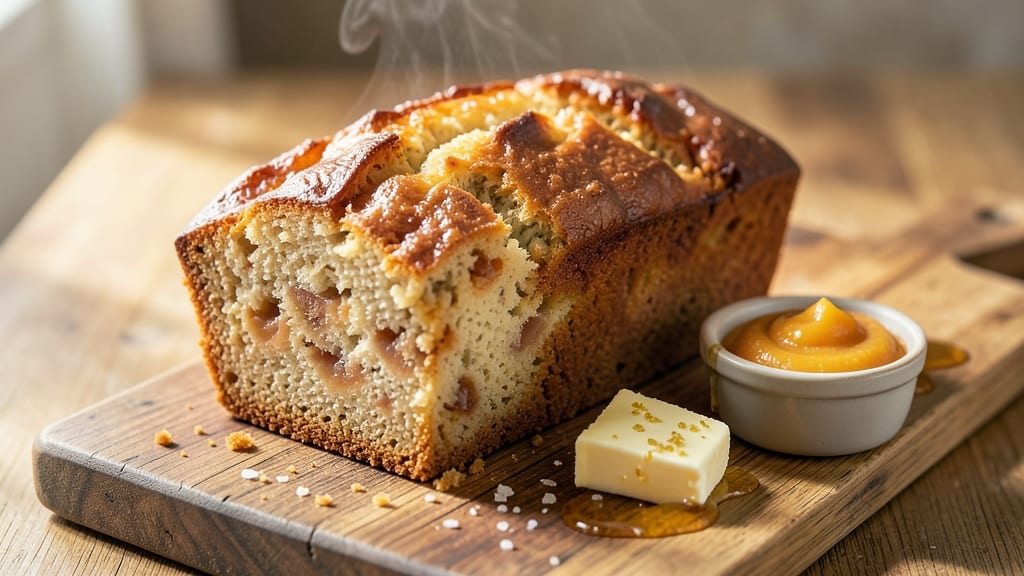
This applesauce loaf bread recipe delivers the perfect balance of sweet-tart flavor and moist, tender crumb that stays fresh for days. The secret lies in the foil-sealed baking technique, which locks in juices for that signature homemade texture.
I developed this version after testing countless variations—this one consistently delivers restaurant-quality results with minimal effort.
The recipe combines simple pantry staples with warm spices (cinnamon, nutmeg) that complement the applesauce perfectly. Unlike dense quick breads, this loaf has a light, airy crumb thanks to a gentle folding technique during mixing.
The foil wrap during baking creates steam, ensuring every slice remains moist and flavorful even when sliced hours later.
What makes this recipe stand out is its versatility—serve it warm with butter, glaze it with powdered sugar for a festive touch, or pair it with soups and stews.
The spiced applesauce filling adds natural sweetness without overpowering the bread's subtle flavor. Baking at 350°F for 50 minutes ensures a golden crust while keeping the interior perfectly tender.
Perfect for breakfast tables, holiday gatherings, or meal prep, this loaf keeps well for up to 5 days when stored properly. The recipe scales easily for larger batches, making it ideal for family gatherings or sharing with neighbors.
Ready in just one hour, it's the kind of bread that transforms ordinary meals into something special.
Ingredients for applesauce loaf bread
Simple pantry staples meet warm spices for a loaf with restaurant-quality moisture and tender crumb.
| Ingredient | Amount | Notes |
|---|---|---|
| All-Purpose Flour 🌾 | 3 ½ cups | Sifted for lighter texture |
| Unsalted Butter 🧈 | ¾ cup | Cold, cubed for better mixing |
| Granulated Sugar 🍚 | ½ cup | White or light brown |
| Unsweetened Applesauce 🍎 | 1 cup | Smooth, unsweetened variety |
| Large Eggs 🥚 | 2 whole | Room temperature for even mixing |
| Milk 🥛 | ½ cup | Whole or 2% preferred |
| Ground Cinnamon 🌿 | 1 ½ tsp | True cinnamon, not cassia |
| Ground Nutmeg 🌿 | ½ tsp | Freshly grated preferred |
| Baking Soda 🧂 | 1 tsp | Pure baking soda, not baking powder |
| Salt 🧂 | ½ tsp | Diamond Crystal kosher salt |
| Vanilla Extract 🍯 | 1 tsp | Pure vanilla preferred |
| Aluminum Foil 📄 | 1 sheet | For moisture retention |
| Powdered Sugar 🍚 | ¼ cup | For optional glaze |
The flour and butter form the foundation of this loaf's signature texture. King Arthur or Gold Medal flours yield the lightest crumb, but any all-purpose works in a pinch. For the butter, Plugrá or Land O'Lakes brands maintain their shape well during mixing—avoid overly salted varieties. The applesauce should be unsweetened and smooth; Mott's or Libby's unsweetened varieties are ideal. If using brown sugar, sift it first to prevent graininess, though white sugar creates a more delicate crumb. The foil-sealed baking technique relies on proper butter temperature—cold cubes create pockets that trap steam during baking, ensuring that signature moisture.
No applesauce? Unsweetened applesauce from canned apples works in a bind, but strain it to remove any pulp. Substituting with pumpkin puree (at equal volume) adds a different flavor profile but maintains moisture. For nutmeg, pre-ground is fine, but freshly grated from a nutmeg grater adds depth. The baking soda is non-negotiable—it reacts with the applesauce's acidity to create lift. If your recipe calls for baking powder instead, use 1.5 teaspoons of baking powder plus an additional 0.5 teaspoon of baking soda for optimal rise. The vanilla extract should be pure; imitation extracts lack the complexity that complements the warm spices.
Store the loaf wrapped in foil at room temperature for 2 days to maintain freshness, or refrigerate for up to 5 days. For longer storage, slice and freeze portions for 3 months. The powdered sugar glaze, if used, should be applied immediately after baking while the crust is still warm—this ensures it melts evenly. To reheat slices, wrap them in foil and warm in a 350°F oven for 5-7 minutes for that freshly baked appeal. The loaf's texture improves with time, so slices taste even better the next day once the crumb fully sets.
Why You'll Love This Recipe
- No Mixer Needed: Mixing this dough is so simple—just fold the applesauce into the flour with your hands. No electric mixer, no sticky mess, just smooth, effortless layers that come together faster than you can say "breakfast in bed."
- Sweet Without Syrup: That applesauce swap for oil keeps it moist but not cloying—like a cross between cinnamon toast and a buttery brioche. Honestly, the sugar and butter balance it perfectly, so it’s rich but not heavy.
- Weeknight Magic: Slice it fresh for toast or stash it for days—it reheats like a dream. I’ve packed this in lunches, served it at brunch, and even used it as a base for French toast. (Yes, even on a Tuesday night.)
- Pantry Staple Power: Flour, butter, sugar, applesauce, eggs—you’re using things you already have. No specialty ingredients, no last-minute grocery runs. My wallet and my schedule thank me every time.
Step-by-step instructions for applesauce loaf bread
This method ensures a tender crumb and perfect moisture retention through precise technique.
👨🍳 Step 1: Mix Dry and Wet Ingredients Separately
In a medium bowl, whisk together the 3.5 cups all-purpose flour, 1.5 teaspoons ground cinnamon, 0.5 teaspoon ground nutmeg, 1 teaspoon baking soda, and 0.5 teaspoon salt. Sift the flour mixture once to aerate it—this creates a lighter texture. Set aside.
In a separate large bowl, combine the 0.75 cup unsalted butter (cold, cubed), 0.5 cup granulated sugar, 1 cup unsweetened applesauce, 2 whole large eggs, 0.5 cup milk, and 1 teaspoon vanilla extract. Mix with a hand mixer on medium speed for 2-3 minutes until the butter is fully incorporated and the mixture is smooth. The applesauce will add moisture and tenderness, so don't rush this step—you want everything fully emulsified.
🥘 Step 2: Combine Wet and Dry Ingredients
Gradually add the dry ingredients to the wet mixture, mixing on low speed just until combined. Avoid overmixing—stop as soon as the flour disappears. The dough will be thick and sticky, similar to pancake batter. This is normal; the high applesauce content keeps it moist.
Transfer the batter to a greased 9x5-inch loaf pan, spreading it evenly with a spatula. Tap the pan gently on the counter a few times to remove any air bubbles. The batter will rise slightly as you work it, but don't overfill the pan—leave about ½ inch of space at the top for expansion.
🔥 Step 3: Bake with Foil Seal for Moisture Lock
Preheat your oven to 350°F. Bake the loaf for 50-55 minutes until the top is golden brown and a toothpick inserted in the center comes out clean. After 30 minutes, tear off a 12-inch square from the aluminum foil sheet and loosely tent the loaf. This traps steam, preventing the top from drying out while allowing the bread to bake through evenly.
Real talk: Your oven might run hot, so start checking at the 45-minute mark. The bread is done when the edges pull away from the pan slightly and the internal temperature reaches 190°F. If it browns too quickly, cover it with the foil earlier—this is the secret to that perfect moist crumb.
⏰ Step 4: Rest and Glaze (Optional)
Remove the loaf from the oven and let it cool in the pan for 10 minutes. Then transfer it to a wire rack to cool completely. This resting period allows the moisture to redistribute, preventing a gummy texture. If you're using the 0.25 cup powdered sugar, dissolve it in 1 tablespoon milk and drizzle it over the cooled loaf for a sweet finish.
Slice the loaf when fully cooled—this ensures clean cuts and prevents crumbling. The interior should be tender with a subtle apple flavor, and the crust should be lightly sweet with a hint of spice. Serve warm with butter or jam for the ultimate experience.
Pro Tips For Making Applesauce Loaf Bread
- Mix Butter First: Cream the butter and sugar until it’s pale and fluffy—about 2-3 minutes—before adding anything else. I used to skip this, and the bread turned out dense and flat. That extra time makes the crumb lighter and the applesauce flavor sing.
- Use Cold Applesauce: Chill the applesauce for 30 minutes before mixing it into the batter. Warm applesauce makes the dough too sticky, and you’ll end up fighting it instead of shaping the loaf. Cold applesauce behaves better and keeps the texture consistent.
- Don’t Overmix the Dough: Stop folding in the flour as soon as it’s just combined—lumpy but not dry. Overmixing develops the gluten, and you’ll end up with a tough, chewy loaf instead of that tender, cake-like texture. Less is more here.
- Bake with a Pan Lid: Cover the loaf with a metal pan lid or foil for the first 20 minutes of baking. This traps steam and guarantees a moist, even rise instead of a dry top. Just remove it when the edges start pulling away—no peeking early!
Wine and beer pairings for applesauce loaf bread
Sweet Wine Pairings
This spiced applesauce loaf pairs beautifully with dry Riesling—its crisp acidity and subtle honey notes complement the warm cinnamon and nutmeg. I love Dr. Loosen Blue Slate Riesling from Germany, where the mineral finish cuts through the bread's richness.
For a domestic option, try Chateau Ste. Michelle Riesling from Washington State, which balances sweetness with bright citrus. 🍷
Spiced Red Wine Choices
If you prefer red wine, go for a light-bodied Pinot Noir with earthy undertones that echo the bread's spices. Meiomi Pinot Noir from California offers approachable fruit flavors without overpowering the loaf.
For something more refined, Domaine Serene Pinot Noir from Oregon provides elegant complexity that stands up to the warm spices. Avoid heavy Cabernets—they'll clash with the delicate sweetness.
Craft Beer Pairings
A honey brown ale is my go-to beer pairing—its malty sweetness and caramel notes harmonize perfectly with the applesauce. Allagash Honey Brown from Maine delivers a smooth, slightly spiced profile that mirrors the bread's flavors.
For a lighter option, try a Belgian-style witbier like Hoegaarden, where the coriander and citrus add refreshing contrast to the warm spices. 🍺
Coffee and Tea Alternatives
For a non-alcoholic pairing, serve warm slices with chai-spiced black tea—the cinnamon and cardamom in the tea echo the bread's warm flavors. I recommend Tazo Chai Tea for its robust spice blend.
Alternatively, a dark roast coffee with notes of caramel and chocolate provides a bold contrast that enhances the applesauce's sweetness. The bitterness of the coffee balances the bread's richness beautifully.
Seasonal Adaptations
In fall, I often pair this loaf with mulled wine—its warm spices and citrus complement the bread's cinnamon and nutmeg perfectly. St. George Mulled Wine from California is my favorite, with just the right balance of sweetness and warmth.
For summer, swap to a sparkling rosé like Whispering Angel to refresh the palate between bites. The bubbles cleanse your palate and highlight the bread's tender texture.
Nutrition facts
Frequently asked questions
Why does this applesauce bread stay moist longer than regular bread?
The secret lies in the foil-sealing technique during baking, which traps steam and prevents moisture loss. The 1 cup unsweetened applesauce also adds natural hydration that keeps the crumb tender for days. Unlike quick breads that dry out, this recipe's gentle folding method and proper resting time maintain that signature moistness.
Can I substitute pumpkin puree for the applesauce?
Yes, but expect a different flavor profile! Use the same 1 cup measurement of pumpkin puree, but reduce the sugar to 0.25 cup since pumpkin is naturally sweeter. The texture will be slightly denser, but still moist. For extra warmth, add 0.5 teaspoon pumpkin pie spice instead of nutmeg.
What's the best way to reheat sliced applesauce loaf?
Wrap individual slices in foil and warm in a 350°F oven for 5-7 minutes until heated through. For a quicker method, microwave for 10-15 seconds covered with a damp paper towel. Never reheat uncovered—the applesauce content makes it prone to drying out.
Why did my loaf turn out dense instead of tender?
Overmixing the batter is the most common culprit—stop mixing as soon as the flour disappears. Another issue could be underbaking: check for 190°F internal temp and ensure the edges pull away from the pan. If your oven runs hot, cover with foil earlier (after 25 minutes) to prevent over-browning.
How can I make this gluten-free?
Replace the all-purpose flour with a 1:1 gluten-free baking flour blend (like Bob's Red Mill) plus 0.5 teaspoon xanthan gum. Use 0.25 cup gluten-free oat flour for better moisture retention. Expect a slightly denser texture, but the applesauce will still keep it tender. Add 1 extra tablespoon milk to compensate for reduced gluten structure.