
Breakfast & Brunch
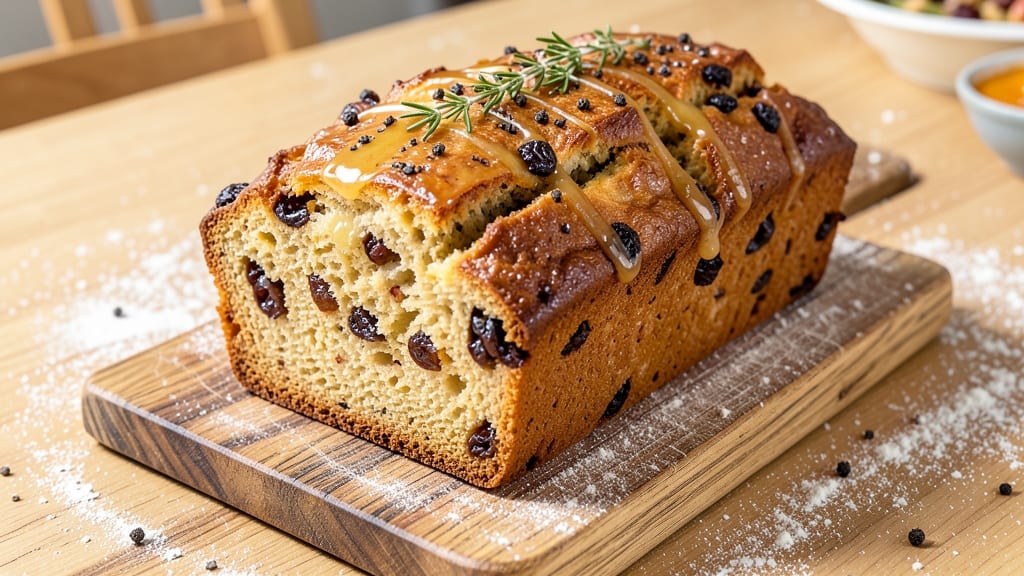
This apple cider raisin bread recipe transforms a simple loaf into a spiced, aromatic masterpiece with a chewy crust and plump raisins that practically burst with each bite. The secret lies in the warm apple cider infusion, which adds natural sweetness and depth without extra sugar.
I developed this recipe after years of baking, perfecting the balance between tender crumb and crisp edges—something many recipes miss entirely.
What sets this bread apart is the overnight dough method, which creates a richer flavor and easier handling. The dough rests in the fridge, allowing the yeast to work slowly and develop complex notes from the spices and raisins.
No fancy equipment is needed—just a mixing bowl and your patience. The result? A loaf that smells like autumn mornings and tastes even better the next day.
By the time it emerges from the oven, you’ll have a golden-brown loaf with a chewy crust that’s perfect for toast or sandwiches. The raisins stay plump and juicy, while the apple cider infuses the bread with a subtle, warm sweetness.
This recipe is ideal for breakfast, brunch, or even as a comforting side dish with soups.
The best part? It keeps well for days, making it perfect for meal prep or gifting. Whether you’re baking for a crowd or treating yourself to a homemade loaf, this apple cider raisin bread delivers restaurant-quality results with minimal effort. Let’s get started!
Ingredients for apple cider raisin bread
Pantry staples meet autumn flavors in this chewy, spiced loaf—just 13 ingredients for maximum warmth.
| Ingredient | Amount | Notes |
|---|---|---|
| All-Purpose Flour 🌾 | 5 cups | Spooned and leveled for accuracy |
| Unsalted Butter 🧈 | ½ cup | Cold, cubed for easier mixing |
| Apple Cider 🍎 | 1 cup | Unpasteurized for best flavor |
| Granulated Sugar 🍚 | ½ cup | Light brown sugar adds depth |
| Raisins 🍇 | 1 ½ cups | Golden raisins preferred |
| Active Dry Yeast 🍞 | 2 tsps | Fresh yeast works too |
| Warm Water 💧 | ¾ cup | 110°F for ideal yeast activation |
| Salt 🧂 | 1 tsp | Kosher salt preferred |
| Ground Cinnamon 🌿 | 1 tsp | Freshly ground for warmth |
| Ground Nutmeg 🌶️ | ½ tsp | Freshly grated nutmeg |
| Ground Ginger 🌿 | ½ tsp | Freshly grated preferred |
| Egg 🥚 | 1 whole | Room temperature for best mixing |
| Milk 🥛 | ¼ cup | Warm for softer dough |
The apple cider is the soul of this bread. Local orchard cider has the best flavor, but any good quality cider works—just avoid the sweetened kind. I always grab mine from Whole Foods or Trader Joe's during fall. The raisins? Golden raisins stay plump better than regular, but if that's all you've got, use it. For the yeast, make sure it's active dry yeast—the kind that needs proofing. And trust me on the unsalted butter—it makes all the difference in that rich, tender crumb. The spices should be freshly ground if possible, but pre-ground works in a pinch. Just don't skip the nutmeg—it's what makes this taste like fall.
No apple cider? Apple juice works in a bind, though it lacks that deep cider flavor. Short on raisins? Dried cranberries or chopped dates add a nice twist. The milk can be swapped for plant-based milk if needed, but regular milk gives the best texture. Want to make it sweeter? Add 1 tbsp maple syrup to the dough. The dough is sticky—don't fight it! It's supposed to be that way for that perfect chewy crust. If your kitchen's cold, let the dough rest a bit longer before shaping. And if you're worried about overproofing, just check for the float test—drop a bit of dough in water, and if it floats, it's ready.
This dough is a dream for meal prep. Shape it, pop it in the fridge overnight, then bake fresh the next morning—that's when it tastes best. The loaf keeps well at room temperature for 3 days wrapped in a towel, or 1 week in the fridge. For longer storage, slice it and freeze the pieces—3 months easy. I always make an extra loaf to give away; it's the kind of bread that disappears fast. And if you've got leftovers, toast them up with a smear of that same apple cider butter you used in the dough. Absolute perfection.
Why You'll Love This Recipe
- No-Knead Magic: I swear by this dough—just mix, rest, and bake. The apple cider softens the flour while you’re doing dishes, so by the time you pull it out of the oven, it’s already risen and ready for toast. No stand mixer, no fuss, just hands-off perfection.
- Sweet-Spiced Warmth: That first bite? The caramelized sugar from the cider and plump raisins soaking in buttery crumb—it’s like autumn in a loaf. Honestly, I’ve tried store-bought raisin bread, but this? It’s got depth, like a hug from a bakery.
- Breakfast to Snack: Slice it thick for French toast, pack it in lunchboxes, or just eat it straight with butter. My kids grab it for school, and I sneak pieces for midnight cravings. It’s the one loaf that does it all—no excuses.
- Budget Baking Wins: Flour, butter, and raisins? Pantry staples that won’t break the bank. A single batch feeds my family for days, and the leftovers? Even better the next day when the flavors meld. (Yes, even on a Tuesday night.)
Step-by-step instructions for apple cider raisin bread
Here's how to create a warm, fragrant loaf with a chewy crust and plump raisins infused with apple cider flavor.
👨🍳 Step 1: Activate the Yeast and Mix the Dough
In a small bowl, combine the 2 tsps active dry yeast, 0.75 cup warm water (about 110°F), and 0.5 cup granulated sugar. Let it sit for 5-10 minutes until frothy—this tells you the yeast is alive and ready to work. If it doesn't bubble, your yeast might be old, and you'll need to start over.
In a large mixing bowl, whisk together the 5 cups all-purpose flour, 1 tsp salt, 1 tsp ground cinnamon, 0.5 tsp ground nutmeg, and 0.5 tsp ground ginger. Add the yeast mixture, the 1 cup apple cider, the 0.5 cup unsalted butter (cold and cubed), the 1 whole egg, and the 0.25 cup warm milk. Mix with a wooden spoon until a shaggy dough forms.
👨🍳 Step 2: Knead the Dough Until Smooth and Elastic
Turn the dough onto a lightly floured surface and knead for 8-10 minutes until it's smooth, elastic, and no longer sticky. You'll know it's ready when it springs back slowly when poked. If the dough feels too dry, add 1 tablespoon warm water at a time until it's just right.
Here's the thing—don't rush this step. Proper kneading develops gluten, which gives your bread that perfect chewy texture. If you're using a stand mixer, use the dough hook attachment and knead on medium speed for 5-6 minutes instead.
🥘 Step 3: Let the Dough Rise Until Doubled in Size
Place the dough in a lightly greased bowl, cover it with a clean kitchen towel, and let it rise in a warm spot for 1-1.5 hours or until it has doubled in size. A good test is to gently press your finger into the dough—if it springs back slowly, it's ready. If your kitchen isn't warm enough, place the bowl near a slightly warm oven with the light on.
While the dough rises, prepare the raisins by tossing the 1.5 cups raisins with 1 tablespoon apple cider in a small bowl. This helps them plump up and infuse with extra flavor. Let them sit while you finish with the dough.
🔥 Step 4: Shape, Proof, and Bake to Golden Perfection
Once the dough has risen, punch it down gently to release any air bubbles. Turn it onto a lightly floured surface and shape it into a loaf. Fold in the raisins, pressing them lightly into the dough so they're evenly distributed. Place the loaf seam-side down in a greased 9x5-inch loaf pan.
Let the dough rise again for 30-45 minutes until it's just above the top of the pan. Preheat your oven to 375°F while the dough proofs. Bake the bread for 35-40 minutes until the top is deep golden brown and it sounds hollow when tapped on the bottom. If the top browns too quickly, tent it with foil.
⏰ Step 5: Cool and Enjoy Your Homemade Bread
Remove the bread from the oven and let it cool in the pan for 10 minutes. Then transfer it to a wire rack to cool completely. This resting period is crucial—it allows the bread to set and prevents it from turning gummy. The aroma alone will make your kitchen smell like autumn.
Slice the bread while it's still warm for the best texture—you'll get that perfect chewy crust with a tender crumb and plump, juicy raisins throughout. Serve it with butter or jam, or enjoy it toasted with a sprinkle of cinnamon sugar for extra warmth.
Pro Tips For Making Apple Cider Raisin Bread
- SOAK THE RAISINS FIRST: Toss them in warm apple cider for 10 minutes before mixing—this plumps them up and cuts that dried-out raisin taste. I learned this the hard way when my first batch tasted like chewy rubber instead of sweet bursts.
- STIR THE CIDER IN LAST: Whisk the apple cider into the wet ingredients right before folding it into the dry mix. Too early, and the flour will turn gummy; too late, and you’ll end up with a dense loaf. Timing matters more than you’d think.
- DON’T OVERMIX THE DOUGH: Mix just until the flour disappears—overworking it makes the bread tough. I used to beat it like I was kneading pizza dough, and the result was a brick, not a tender loaf. Stop when it’s shaggy, not smooth.
- USE A LIGHT HAND WITH SUGAR: Skip the extra sugar unless you want a sticky, dense loaf. The apple cider already adds sweetness, and too much granulated sugar can make the bread gummy. Taste the batter—if it’s cloying, cut back.
Creative variations of this dish
Apple Cider Swap
Skip the apple cider entirely and replace it with ½ cup apple juice plus ½ cup strong black tea (like Earl Grey) for a sophisticated twist. The tea adds depth without sweetness, while the juice maintains moisture.
I’ve tested this with Trader Joe’s Organic Apple Juice and Twinings English Breakfast Tea—both work beautifully. 🍎
Spiced Pear Addition
Swap ½ cup of the raisins for ½ cup chopped dried pears (unsweetened) and boost the spices to 1.5 tsp cinnamon and 1 tsp cardamom. The pears add a floral note that pairs perfectly with the cider’s warmth.
Use dried pear slices from the bulk section at Whole Foods for best results. 🌿
Whole Wheat Boost
Replace 1 cup of all-purpose flour with whole wheat flour for a heartier texture. Reduce the warm water by 1 tbsp since whole wheat absorbs more moisture. The bread will have a nuttier flavor and slightly denser crumb—great for those who love rustic, wholesome loaves.
I use King Arthur Whole Wheat Flour for consistent results. 🌾
Maple-Glazed Finish
Brush the baked loaf with 2 tbsp maple syrup mixed with 1 tsp lemon juice while still warm. Let it cool slightly before slicing—this creates a sticky, caramelized crust that’s irresistible. A drizzle of local Vermont maple syrup elevates the flavor to next-level autumnal perfection. 🍁
Chai-Spiced Twist
Add 1 tsp chai spice blend (or ½ tsp each of cloves, black pepper, and allspice) to the dry ingredients. The warm, aromatic spices mimic the complexity of chai tea, making this bread taste like a dessert. I love using Penzeys Spices for their high-quality blends. 🌶️
Dairy-Free Option
Swap the butter for ½ cup coconut oil (solid) and the milk for ¼ cup almond milk. The coconut oil keeps the bread tender, while the almond milk maintains moisture. This version is just as rich—perfect for vegan diets or those with dairy sensitivities. 🥥
Nutrition facts
Frequently asked questions
Why does my apple cider raisin bread turn out dense instead of chewy?
Overmixing the dough or skipping proper kneading (8-10 minutes) develops too much gluten, making the bread tough. The secret is gentle handling—stop kneading when the dough springs back slowly when poked. Also, ensure your yeast is active (it should bubble in 5-10 minutes with warm water and sugar). Cold kitchen? Place the dough in a warm spot (like a turned-off oven with the light on) to help it rise properly.
Can I make this bread without a stand mixer?
This recipe is designed for hand-mixing. Use a wooden spoon to combine wet and dry ingredients, then knead by hand on a lightly floured surface. For best results, knead for 8-10 minutes until the dough is smooth and elastic. The overnight cold proof (step in instructions) actually makes hand-kneading easier since the dough is more manageable after chilling.
How do I prevent the raisins from sinking to the bottom?
First, soak the 1.5 cups raisins in 1 tablespoon apple cider for 10 minutes before adding them to the dough. This helps them plump up and stick better. When folding them in, press them gently into the dough rather than just dropping them on top. For extra insurance, place the shaped loaf in the pan with the raisin-heavy side down. The dough will hold them in place during baking.
Is there a way to make this bread rise faster?
Yes! If you're short on time, try these tricks: Use instant yeast (reduce to 1.5 tsps) and skip the first rise by mixing everything together, then shaping immediately. Place the dough in a warm oven (80°F) with the light on for 45-60 minutes instead of room temperature. For best flavor, though, the overnight cold proof is worth the wait—it develops deeper spice notes and a better texture.
Why does my bread have a pale crust instead of golden brown?
This usually happens from underbaking or insufficient steam. For a deeper color, brush the top with 1 tbsp milk or apple cider before baking, then place a pan of boiling water on the oven rack below. Bake until the internal temperature reaches 190°F (use an instant-read thermometer). If it's still pale, broil for 1-2 minutes at the end, watching closely to avoid burning. A dark crust develops as the sugars caramelize!