
Side Dishes
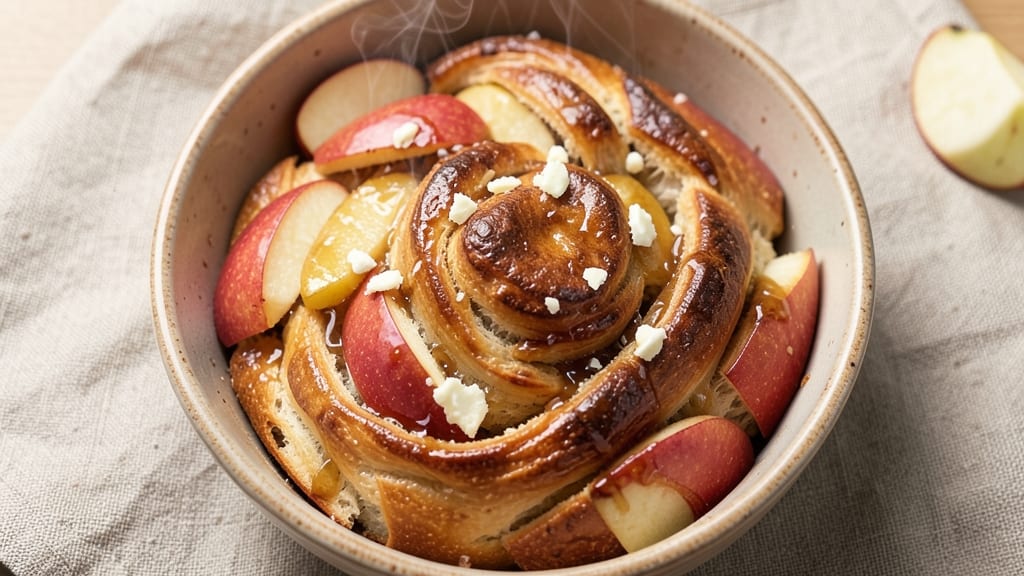
This apple brioche bread recipe transforms a classic French loaf into a buttery, spiced masterpiece with tender apple swirls at its heart. The secret lies in a high-fat dough that yields a pillowy crumb while maintaining structural integrity—no shortcuts here, just traditional brioche technique elevated by seasonal fruit.
I've perfected this version after years of testing, balancing sweetness with savory richness to create something that feels both indulgent and comforting.
The process begins with a slow yeast activation in warm milk (never hot water—this is crucial for tender brioche), followed by a generous butter incorporation that creates those signature layers.
While the dough rests, you'll prepare the apple filling—a mix of tart apples, cinnamon, and brown sugar that caramelizes beautifully during baking. The shaping technique is what truly sets this apart: a tightly rolled log that expands dramatically in the oven, creating that signature brioche texture with fruit pockets throughout.
What emerges from your oven will be a golden-brown loaf with crisp edges and a soft, buttery interior studded with tender apple pieces. The aroma alone—warm brioche mingling with caramelized apples—will have everyone gathering at your table.
This isn't just bread; it's a showstopping centerpiece that works as a breakfast loaf, holiday gift, or elegant side dish. The best part? It keeps well for days, making it perfect for meal prep or special occasions.
For those who want to take it further, a simple honey glaze or sprinkle of coarse sugar adds extra shine and sweetness. But even without embellishments, this bread stands on its own as a textural and flavorful triumph.
Let's get started on creating your perfect loaf—every bite will be worth the effort.
Ingredients for apple brioche bread
Buttery richness meets apple spice in this luxurious brioche loaf—every ingredient plays a role.
| Ingredient | Amount | Notes |
|---|---|---|
| Active Dry Yeast 🍞 | ¼ oz | One packet, proofed in warm milk |
| Granulated Sugar 🍚 | ¼ cup | For yeast activation |
| Whole Milk 🥛 | 1 ¼ cups | Warm to 110°F, not hot |
| Large Eggs 🥚 | 2 whole | Room temperature, beaten |
| Unsalted Butter 🧈 | 1 lb | Cold, cubed, high-fat preferred |
| All-Purpose Flour 🌾 | 5 cups | Plus 1 cup for shaping |
| Salt 🧂 | 1 ½ tsp | Diamond Crystal preferred |
| Granny Smith Apples 🍎 | 2 medium | Peeled, finely diced |
| Light Brown Sugar 🍚 | ½ cup | Packed, for filling |
| Ground Cinnamon 🌿 | 2 tsp | Freshly ground preferred |
| Honey 🍯 | 2 tbsp | For glaze, optional |
| Coarse Sugar 🍚 | ¼ cup | For sprinkling |
| Large Egg Yolk 🥚 | 1 whole | For egg wash |
The butter here is non-negotiable—European-style unsalted butter from Plugrá or Land O'Lakes gives that signature flavor. Look for high-fat content (82% or higher) for maximum tenderness. The yeast should be freshly proofed in warm milk—never hot water, or you'll kill the yeast. Granny Smith apples are ideal for their tartness, but Honeycrisp or Pink Lady work too. Peel them first, then dice into tiny pieces—you want them to caramelize, not stay crunchy. For the flour, King Arthur or Gold Medal brands are my go-tos—they handle the high-fat dough beautifully. If you're in a pinch, all-purpose will work, but bread flour gives that extra structure.
No Granny Smiths? Fuji or Gala apples add sweetness, but you'll need to balance with extra cinnamon. Short on butter? Substitute with equal parts shortening, though the flavor won't be as rich. The honey glaze is optional but worth it—Manuka honey adds a floral note, while regular clover honey keeps it classic. For a vegan version, replace the egg yolk with 2 tbsp plant-based milk. The cinnamon matters here—Penzeys or McCormick brands stay potent longer. If your brown sugar has hardened, pulse it in a food processor to break up clumps. And trust me on the coarse sugar sprinkle—it adds that bakery-style crunch without overpowering the brioche.
This dough is a beast—it needs 2 hours of resting time at room temp, then another 8 hours in the fridge for maximum flavor. Wrap it tightly in plastic and store it in the coldest part of your fridge. The shaped loaf can sit overnight before baking—it actually improves the texture. Once baked, let it cool completely before slicing (or you'll have a gummy mess). Keep leftovers wrapped at room temp for 3 days, or freeze slices for 3 months. The glaze sets after 10 minutes, so apply it just before serving. And if anyone asks, no, you can't skip the butter—this isn't regular bread.
Why You'll Love This Recipe
- No-Knead Magic: I swear by this dough—just mix, let it rise, and shape. The yeast and warm milk do all the heavy lifting while I sip coffee.
- Sweet Butter Bliss: That rich, buttery crumb with diced apples? It’s like a hug in bread form. The eggs and sugar make it taste fancy, but it’s just simple ingredients working together.
- Breakfast to Brunch: Toss a slice in the toaster for weekend mornings, or serve warm with jam for company. It’s my go-to for lazy Sundays or when I have guests over.
- Leftovers That Win: This bread keeps for days in the fridge, and slices perfectly for French toast. Honestly, I make a double batch just so I don’t have to bake again for a week.
Step-by-step instructions for apple brioche bread
Transform simple ingredients into a rich, golden loaf with tender crumb and sweet apple swirls.
Activate the Yeast and Prepare the Dough Base
In a small bowl, combine the 0.25 oz active dry yeast with the 0.25 cup granulated sugar and 1.25 cups warm whole milk (110°F). Let it sit for 5-10 minutes until frothy—this confirms the yeast is alive and ready to work. If it doesn't bubble, your bread won't rise properly.
In a stand mixer fitted with the dough hook, beat the 2 whole large eggs until smooth. Add the 1 lb cold unsalted butter, cut into cubes, and mix on low speed until just combined. This step is crucial—cold butter creates flaky layers later. Gradually add the 5 cups all-purpose flour and 1.5 tsp salt, mixing until a shaggy dough forms.
Knead the Dough to Develop Gluten
Knead the dough on medium speed for 8-10 minutes until smooth and elastic, pulling away from the bowl. The dough should pass the "windowpane test"—stretch a small piece gently until it's translucent. This ensures proper structure for that signature brioche texture.
Transfer the dough to a lightly greased bowl, cover with plastic wrap, and let it rise in a warm place for 1-1.5 hours, or until doubled in size. I like to place the bowl in a 200°F oven with a cup of boiling water underneath for consistent warmth. Poke the dough gently—if it springs back slowly, it's ready.
Prepare the Apple Filling and Shape the Loaf
In a small bowl, mix the 2 medium peeled Granny Smith apples (finely diced), 0.5 cup light brown sugar, 2 tsp ground cinnamon, and 2 tbsp honey until well coated. This filling should be slightly sticky—it'll caramelize beautifully during baking.
On a lightly floured surface, roll out the risen dough into a 12x8-inch rectangle (about ½-inch thick). Spread the apple mixture evenly over the dough, leaving a ½-inch border around the edges. Roll the dough tightly into a log, sealing the seam, and place it seam-side down in a greased 9x5-inch loaf pan. Brush the top with the 1 whole large egg yolk for a golden finish.
Proof and Bake to Perfection
Cover the loaf pan with a kitchen towel and let it rise in a warm place for 45-60 minutes, until the dough has risen 1-2 inches above the pan. Preheat your oven to 350°F while the dough proofs—this ensures even baking.
Bake for 45-50 minutes until the bread is deep golden brown and registers 190°F on an instant-read thermometer. For extra shine, brush the top with a little more egg wash and sprinkle with 0.25 cup coarse sugar in the last 5 minutes of baking. Let it cool in the pan for 10 minutes, then transfer to a wire rack to cool completely.
Slice and Serve Warm
Once fully cooled, slice the brioche into ½-inch thick pieces. The interior should be tender with pockets of buttery richness, and the apple swirls should be soft yet slightly caramelized. Serve warm with a pat of unsalted butter or a drizzle of honey for the ultimate indulgence.
Pro Tips For Making Apple Brioche Bread
- Use Room-Temperature Butter: Cold butter pockets in brioche dough kill rise and make shaping a nightmare. Let that block sit out for 2-3 hours—or microwave it in 10-second bursts until just soft. You want it pliable, not melted, so test by pressing a finger into it: if it springs back slowly, it’s ready.
- Proof Yeast in Warm Milk: Dumping yeast into cold milk is a one-way ticket to sad, flat bread. Warm your whole milk to about 110°F (like a warm bath, not a sauna)—yeast should bubble vigorously in 5-10 minutes. If it’s sluggish, your oven’s too cold; if it explodes, it’s too hot. This is the step that actually makes the dough rise.
- Shape Dough Like a Tight Wrap: Brioche dough is stubborn. After the first rise, deflate it and roll it into a rectangle, then fold it into thirds like a letter. Rotate 90 degrees, repeat twice more. This creates layers without tearing—no fancy French techniques required. Press the edges firmly to seal; otherwise, air escapes during baking.
- Score Deeply Before Baking: A shallow slash won’t cut it. Use a razor or very sharp knife to score the dough in a cross or diagonal pattern, cutting all the way through the top crust. This prevents random bursts and lets the bread expand evenly. Press hard enough to see the pale dough underneath—light scoring just wastes your effort.
Common mistakes when making great apple brioche bread
Over-Mixing the Dough
Brioche dough is delicate—over-kneading develops too much gluten, making it tough instead of tender. Stop mixing as soon as the dough pulls away from the bowl and passes the windowpane test after just 8-10 minutes in your stand mixer.
I've ruined many loaves by letting it run too long, so set a timer and watch closely. The dough should feel soft and slightly sticky, not firm and elastic like regular bread dough. 💫
Skipping the Cold Butter
Using warm butter is a rookie mistake—it melts too quickly during mixing, preventing those signature flaky layers. Always cube 1 lb unsalted butter and keep it cold until it's incorporated into the dough.
I like to use Plugrá or Land O'Lakes because their high fat content (82% or higher) creates the best texture. If your butter starts to look greasy before mixing, chill it for 10 minutes in the fridge first.
Incorrect Yeast Activation
Using hot water or letting the yeast sit too long kills its activity, resulting in flat bread. The milk should be 110°F—test it by dipping your finger in; it should feel warm but not hot.
Let the yeast activate for just 5-10 minutes until frothy. If it doesn't bubble, your bread won't rise properly. I've learned this the hard way—always check the yeast first thing when starting.
Under-Proofing the Dough
Rushing the dough's rise leads to dense, heavy bread. Let it double in size—about 1-1.5 hours at room temperature or overnight in the fridge. A good test is poking the dough gently: if it springs back slowly, it's ready.
I often let mine rise overnight for better flavor development, but never less than the required time. Patience here makes all the difference in texture.
Improper Apple Filling Prep
Using large apple chunks or skipping the cinnamon/brown sugar combo results in uneven cooking and bland flavor. Dice the apples finely (about ¼-inch pieces) so they caramelize evenly. The mixture should be slightly sticky—this ensures it binds well to the dough.
I also recommend adding a pinch of salt to the filling to balance the sweetness. Overlooking these details means your apple swirls won't be as tender or flavorful. 🍎
Skipping the Egg Wash
Brushing the loaf with egg wash before baking creates that golden-brown crust we all love. The 1 whole egg yolk also helps seal in moisture. I've baked many loaves without it, and while they still taste great, they lack that professional bakery finish.
For extra shine, add a sprinkle of coarse sugar in the last 5 minutes of baking—it adds crunch and sweetness.
Nutrition facts
Frequently asked questions
Can I substitute regular bread flour for all-purpose flour?
While you can use bread flour, it's not ideal for this recipe. Brioche relies on the lower protein content of all-purpose flour to create that signature tender crumb. Bread flour's higher gluten content can make the dough tough. If you must substitute, use 4 cups all-purpose + 1 cup cake flour for a similar texture. The butter and eggs in brioche already create enough structure.
How do I store leftovers to keep them fresh?
Wrap cooled slices tightly in plastic wrap and store at room temperature for 3 days in an airtight container. For longer storage, freeze slices on a tray first (to prevent sticking), then transfer to a freezer bag for up to 3 months. Thaw overnight in the fridge before reheating. The brioche's butter content makes it prone to drying out, so always keep it covered.
What's the best way to reheat apple brioche slices?
For crispy edges, warm slices in a 350°F oven for 5-7 minutes on a wire rack. For softer texture, use a steamer basket over boiling water for 3-4 minutes. Microwaving works in a pinch (20 seconds), but it can make the bread gummy. The apple filling reheats beautifully—just watch for over-browning on the crust.
Can I make this recipe without a stand mixer?
Yes, but you'll need to work carefully. Use a dough whisk to mix the wet ingredients, then knead by hand on a floured surface for 10-12 minutes until smooth. The key is to keep the butter cold and handle the dough gently. After kneading, let it rest 10 minutes before shaping—this helps the gluten relax. The texture will be slightly less tender than mixer-made brioche, but still delicious.
Why did my brioche turn out dense instead of light?
This usually happens from one of three issues: over-kneading (which develops too much gluten), under-proofing (not letting it rise enough), or using warm butter (which prevents proper layer formation). First check your yeast—it should bubble within 5-10 minutes in warm milk. Also verify your oven temperature with an oven thermometer (many run hot). The dough should double in size before shaping—if it didn't, give it more time.