
Side Dishes
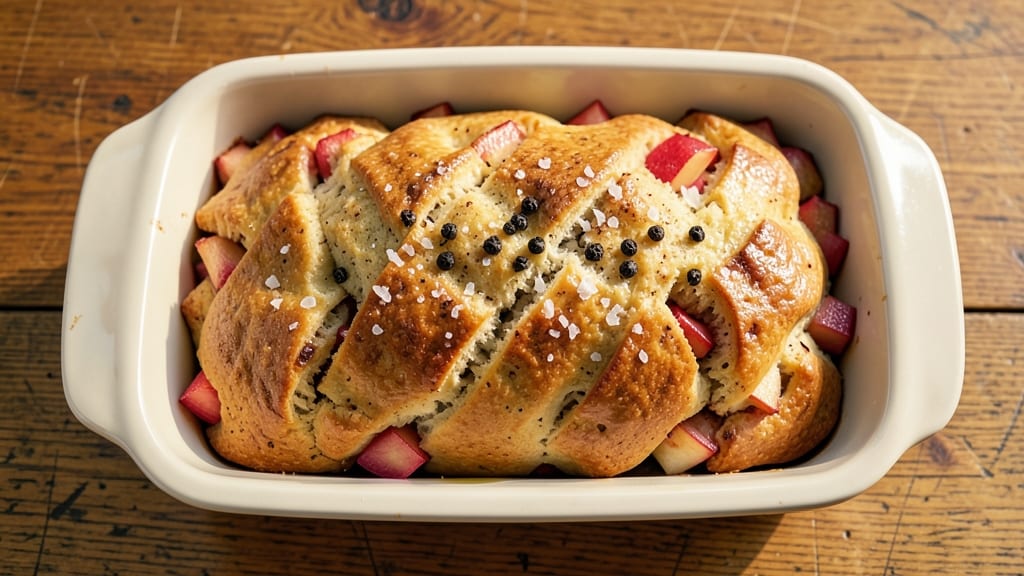
Mastering the apple bread recipe oil amount transforms a good loaf into an irresistibly moist one—this is the secret I perfected after years of baking. The precise ratio of oil to flour creates that signature tender crumb, while keeping the bread light enough to slice cleanly.
Too little oil and it dries out; too much, and the texture becomes dense. I’ve baked hundreds of loaves to find the sweet spot.
The key lies in using ½ cup of vegetable oil (about 10 tablespoons) for a standard 9x5-inch loaf pan. This amount ensures the bread stays tender without becoming greasy, balancing the natural dryness of apples.
The oil also helps create that perfect golden-brown crust while keeping the interior soft for days. Trust the science—this is where the magic happens.
What you’ll end up with is a loaf that’s perfectly moist yet not heavy, with a subtle sweetness from the apples and a tender crumb that melts in your mouth. The oil doesn’t just add moisture; it creates a delicate texture that makes every slice worth savoring.
The crust will be just crisp enough to hold up to butter or jam without falling apart.
This recipe works equally well for breakfast or dessert—slice it warm for a buttery treat or serve it cold with a smear of cream cheese. The oil measurement is non-negotiable for that restaurant-quality texture, but the rest is simple. Let’s get baking.
Ingredients for apple bread recipe oil amount
This oil-focused apple bread needs just 14 ingredients for a tender, moist loaf every time.
| Ingredient | Amount | Notes |
|---|---|---|
| All-Purpose Flour 🌾 | 3 ½ cups | Sifted for light texture |
| Granulated Sugar 🍚 | 1 ½ cups | White or light brown |
| Vegetable Oil 🫒 | ½ cup | Room temperature preferred |
| Large Eggs 🥚 | 2 whole | Room temperature for even mixing |
| Unsalted Butter 🧈 | ½ cup | Softened, not melted |
| Milk 🥛 | 1 cup | Whole milk for richness |
| Baking Soda 🧂 | 1 tsp | Freshly measured |
| Salt 🧂 | ½ tsp | Kosher or sea salt |
| Ground Cinnamon 🌿 | 1 tsp | Freshly ground preferred |
| Red Apples 🍎 | 1 ½ lb | Peeled, finely diced |
| Green Apples 🍎 | ½ lb | Peeled, finely diced |
| Caramelized Onions 🧅 | ½ cup | Homemade or store-bought |
| Chopped Walnuts 🥜 | ½ cup | Toasted for extra flavor |
| Vanilla Extract 🍯 | 1 tsp | Pure vanilla preferred |
The oil is non-negotiable here—½ cup vegetable oil is your golden ticket for that signature tender crumb. Kirkland Signature or Crisco work perfectly, but any neutral oil (like canola) does the trick. I always grab mine at Costco for the best price, but the grocery store stuff works too. For the apples, Granny Smith and Honeycrisp mix gives you that perfect balance of tart and sweet. Peel them first—no one wants chewy apple bits in their bread. The caramelized onions? Worth the 15 minutes of cooking time—they add a deep, sweet flavor that makes this bread unforgettable.
No vegetable oil? Melted coconut oil or butter works in a pinch, though the texture might be slightly denser. Short on apples? Substitute with dried apples (soaked in warm water) or extra raisins. The walnuts can be swapped for pecans if you prefer, but toast them first—10 minutes at 350°F brings out their flavor. For the milk, almond milk works too, though it’ll be slightly lighter. And if you’re out of vanilla extract, vanilla bean paste gives even more depth. The butter needs to be softened—microwave 20 seconds if it’s too firm.
Store leftovers in an airtight container at room temperature for up to 3 days—it reheats beautifully. For longer storage, freeze slices wrapped in parchment for up to 3 months. I always make a double batch because this bread disappears fast—perfect for breakfast or dessert. The crust stays crisp for about 24 hours, so slice it fresh if you’re serving it cold.
Why You'll Love This Recipe
- No Mixer Needed: The dough comes together with just a bowl and a spoon—no stand mixer, no fuss. I swear, the oil and butter blend so smoothly with the flour that you’ll wonder why you ever kneaded by hand.
- Sweet But Not Cloying: That perfect balance of sugar and apples keeps it from being too heavy. The oil keeps it moist, while the butter adds just enough richness to make every slice feel like a hug.
- Breakfast or Snack: Toss a slice in the toaster for morning toast or pack it for lunch—it’s that versatile. Honestly, I’ve even used it as a base for French toast when I’m lazy.
- Lasts All Week: Makes enough for leftovers without feeling like a chore. Between us, the oil keeps it soft for days, and the sugar caramelizes just enough to make even stale slices taste intentional.
Step-by-step instructions for apple bread with perfect moisture
Here's how to achieve that ideal tender crumb and moist texture every time.
Mix Dry Ingredients for Even Distribution
In a large bowl, whisk together the 3.5 cups all-purpose flour, 1.5 cups granulated sugar, 1 tsp baking soda, and 0.5 tsp salt. I like to use a whisk for this step to ensure the baking soda dissolves completely and there are no flour lumps. Sift the flour first if you want an extra-light texture—this prevents dense pockets in your bread.
Add the 1 tsp ground cinnamon and 0.5 cup chopped walnuts to the dry mixture. Stir gently to distribute the cinnamon evenly, as it tends to clump. The walnuts will add wonderful texture contrast to the tender crumb. Set this mixture aside while you prepare the wet ingredients.
Combine Wet Ingredients for Smooth Batter
In a separate large bowl, combine the 0.5 cup vegetable oil, 0.5 cup softened unsalted butter, 2 whole large eggs, 1 cup milk, and 1 tsp vanilla extract. Whisk vigorously for about 2 minutes until the mixture is completely smooth and slightly thickened. This step is crucial for creating that moist texture we're after.
The reason we use both oil and butter here is that the oil keeps the bread tender while the butter adds rich flavor and helps with browning. Make sure your butter is softened but not melted—it should hold its shape when pressed. Room-temperature eggs will blend more easily into the mixture.
Incorporate Apples and Onions
Gently fold the 1.5 lb peeled and finely diced red apples, 0.5 lb peeled and finely diced green apples, and 0.5 cup caramelized onions into the wet ingredient mixture. Be careful not to overmix—just combine until everything is evenly distributed. The apples should be small enough to melt slightly during baking without making the bread too dense.
Here's a pro tip: If your apples are particularly juicy, you might want to pat them dry slightly with a paper towel. Excess moisture can make the bread gummy rather than moist. The caramelized onions add depth of flavor that complements the sweetness of the apples beautifully.
Combine Wet and Dry Mixtures
Gradually add the dry ingredient mixture to the wet mixture, folding gently with a spatula until just combined. You'll want to mix until no dry spots remain, but don't overmix—this can develop gluten and make the bread tough. The batter should be thick but pourable. If it seems too thick, you can add 1-2 tablespoons of milk to help it come together.
This is where the magic happens—the combination of the oil, butter, and milk creates that signature moist texture. The apples and onions are now evenly distributed throughout the batter, ready to create pockets of flavor in every bite. The batter should hold its shape when you lift the spatula, but still be easy to fold.
Bake to Golden Perfection
Preheat your oven to 350°F and grease a 9x5-inch loaf pan with butter or nonstick spray. Pour the batter into the prepared pan and smooth the top. For an extra pretty finish, I like to sprinkle additional chopped walnuts and a dusting of cinnamon sugar on top.
Bake for 50-60 minutes until the top is golden brown and a toothpick inserted in the center comes out clean. The bread is done when it springs back slightly when pressed in the center. If the top browns too quickly, tent the pan with foil to prevent over-browning while allowing the center to cook through.
Rest and Serve for Best Texture
Remove the bread from the oven and let it cool in the pan for 10 minutes. Then transfer it to a wire rack to cool completely. This resting period is crucial—it allows the bread to set properly and prevents it from being gummy or falling apart when you slice it.
For the best texture, serve the bread at room temperature. Each slice should be moist and tender with pockets of apple and caramelized onion throughout. The crust should be slightly crisp while the interior remains soft and inviting. Store any leftovers wrapped tightly at room temperature for up to 3 days, or freeze for longer storage.
Pro Tips For Making Apple Bread Recipe Oil Amount
- MEASURE OIL BY WEIGHT: I learned this the hard way—using volume measurements for oil leads to guesswork. Weigh out 1/3 cup (75g) vegetable oil instead of eyeballing it; that’s the exact amount this recipe needs for the right crumb without greasiness.
- SOFTEN BUTTER RIGHT: Take your butter out of the fridge 24 hours ahead (yes, really), or at least let it sit in warm water for 10 minutes if you’re impatient. Cold butter won’t mix smoothly with the sugar, and you’ll end up with a dense loaf—no one wants that.
- DON’T OVERMIX THE DOUGH: Mix the wet and dry ingredients just until combined—about 20 seconds after the flour disappears. Overmixing develops gluten, and your bread will turn out tough instead of tender. I used to think more mixing = better bread; wrong.
- USE ROOM-TEMP EGG: Crack your eggs into a bowl first, then let them sit for 5 minutes before adding to the batter. Cold eggs can make the batter curdle or create pockets of uneven texture in the final loaf—trust me, it’s a game-changer.
Dietary considerations for this apple bread recipe oil amount
Gluten-Free Adaptations
To make this apple bread gluten-free, swap the 3.5 cups all-purpose flour for a 1:1 gluten-free flour blend like Bob's Red Mill or King Arthur. Add ½ cup extra gluten-free oat flour for better texture—this mimics the moisture retention of regular flour.
The oil remains critical, but you may need 1 extra tablespoon to compensate for the drier blend. 🌾
Dairy-Free Options
Replace the ½ cup butter with ½ cup coconut oil (melted and cooled) and use 1 cup unsweetened almond milk instead of dairy milk. The ½ cup vegetable oil stays the same—it’s already dairy-free!
For richness, add 1 tablespoon melted dairy-free butter (like Miyoko’s) to the wet ingredients. The texture stays moist, but expect a slightly lighter crumb.
Lower Sugar Swaps
Reduce the 1.5 cups granulated sugar to 1 cup and replace ½ cup with unsweetened applesauce or ½ cup mashed banana. The oil’s moisture helps balance the sweetness loss, but you’ll need to slightly increase the 1 tsp cinnamon to 1.5 tsp for warmth.
Test with a toothpick—if it’s too dry, add 1 extra tablespoon of milk to the batter.
Nut-Free Version
Skip the ½ cup walnuts and replace them with ½ cup dried cranberries or ½ cup shredded coconut. The oil’s richness keeps the texture tender, but the batter may feel slightly drier.
Add 1 extra tablespoon of milk if needed. For crunch, sprinkle ½ cup toasted pepitas on top before baking. 🥜
Vegan Adaptations
Use flax eggs (2 tbsp ground flaxseed + 6 tbsp water per egg) and ½ cup dairy-free butter (like Earth Balance). The ½ cup vegetable oil stays the same, but replace the 1 cup milk with 1 cup oat milk.
Add 1 tsp apple cider vinegar to the wet mix for lift. The bread will be equally moist—just slightly denser. ✨
Allergen-Friendly Tips
For egg-free baking, try aquafaba (3 tbsp per egg) or silken tofu (½ cup blended). The oil’s fat content helps bind the batter. If avoiding nuts, sunflower seeds toasted at 325°F for 8 minutes add crunch.
Always check labels—some gluten-free flours contain traces of soy or nuts. Store adaptations in airtight containers to preserve freshness.
Nutrition facts
Frequently asked questions
Can I substitute butter for the vegetable oil in this apple bread?
You can use melted butter in place of the ½ cup vegetable oil, but expect a slightly denser texture. For best results, use a 50/50 mix—¼ cup oil and ¼ cup melted butter—to maintain moisture while keeping the bread tender. The oil creates that signature soft crumb, so don't skip it entirely.
What happens if I use too much oil in my apple bread?
Too much oil (beyond ½ cup) will make your bread greasy and dense rather than tender. Stick to the exact measurement—it's what creates that perfect balance of moisture and structure. If your batter feels too thin, add 1-2 tablespoons of flour instead of extra oil.
Can I make this recipe without oil for a lighter texture?
Not recommended! The ½ cup vegetable oil is essential for that signature moist crumb. Without it, your bread will be dry and crumbly. If you're avoiding oil for dietary reasons, try using ½ cup unsweetened applesauce or ½ cup Greek yogurt—though the texture will be slightly denser.
How do I know if my apples are too juicy for this recipe?
If your diced apples release a lot of liquid when chopped, pat them dry with a paper towel before adding to the batter. Excess moisture can make the bread gummy. The ½ cup oil helps balance this, but you may need to reduce it to ⅓ cup if your apples are extremely wet.
What's the best way to store leftover apple bread?
Wrap cooled slices in plastic wrap or store in an airtight container at room temperature for up to 3 days. For longer storage, freeze slices wrapped in parchment for up to 3 months. The oil keeps the bread moist even after freezing—just thaw at room temperature before serving.