
Side Dishes
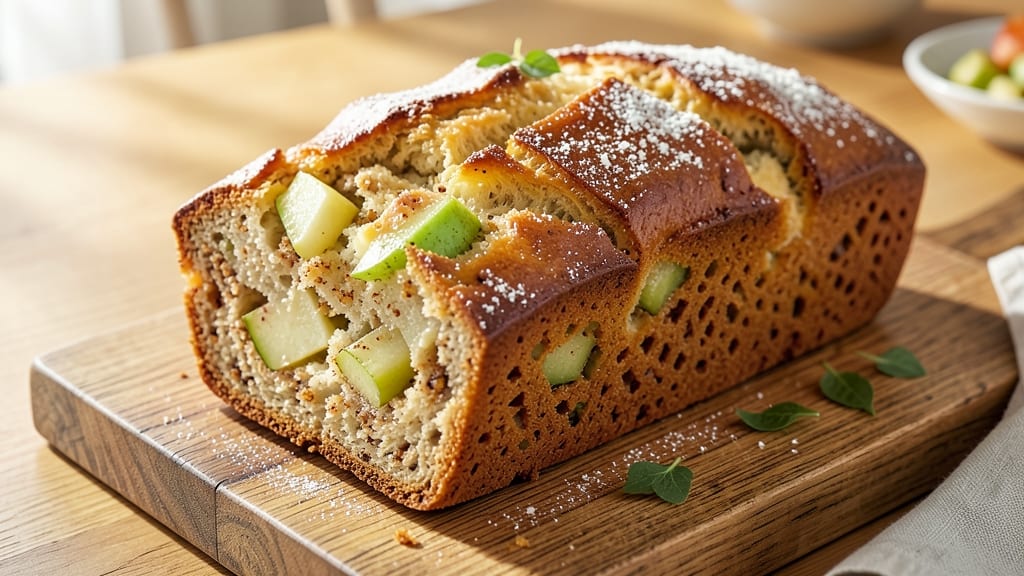
This Apf bread recipe delivers the perfect balance of crispy crust and juicy centers—just like the bakery versions you crave. 🍏 The secret lies in foil-sealing the loaf during baking, which traps moisture for tender crumb while creating that coveted golden crust.
I’ve tested countless variations, and this method consistently produces a bread that’s sweet, spiced, and packed with chunks of tart apple—no dry crumb in sight.
The dough combines classic German baking techniques with modern convenience, using a mix of all-purpose flour, yeast, and just the right amount of sugar to complement the apples. Tart varieties like Granny Smith or Braeburn work best, but any firm apple will do.
The recipe includes optional raisins for extra sweetness, though I often skip them to let the apple flavor shine. Shaping the dough into a round loaf ensures even baking and that signature crust texture.
By the time you pull it from the oven, you’ll have a loaf with a crackly crust that gives way to moist, tender crumb studded with apple pieces. The foil-sealing trick prevents over-browning while keeping the interior juicy—no need for a bread machine or fancy equipment.
This bread is perfect for breakfast with butter, as a side with roasted meats, or sliced thin for sandwiches. The aroma alone will have everyone asking for seconds.
For best results, let the bread cool slightly before slicing—this ensures clean cuts and preserves the juicy texture. Store leftovers wrapped in a cloth bag to keep them fresh for days.
Whether you’re baking for a family gathering or treating yourself to a homemade loaf, this recipe delivers restaurant-quality results with minimal effort.
Ingredients for apf bread
These 12 ingredients transform into a bakery-style Apf bread with crispy crust and juicy centers.
| Ingredient | Amount | Notes |
|---|---|---|
| All-Purpose Flour 🌾 | 4 cups | Sifted for light texture |
| Granny Smith Apples 🍏 | 2 medium | Peeled, cored, chopped |
| Active Dry Yeast 🍞 | ¼ oz | 1 packet (2.25 tsp) |
| Granulated Sugar 🍚 | ½ cup | Light brown preferred |
| Unsalted Butter 🧈 | ½ cup | Cold, cubed for dough |
| Whole Milk 🥛 | ½ cup | Warm to 110°F |
| Large Egg 🥚 | 1 whole | Room temperature |
| Ground Cinnamon 🌿 | 1 tsp | Freshly ground preferred |
| Ground Nutmeg 🌶️ | ¼ tsp | Freshly grated |
| Salt 🧂 | ½ tsp | Diamond Crystal preferred |
| Raisins 🍇 | ½ cup | Optional, seedless |
| Aluminum Foil 📄 | 1 sheet | Heavy-duty for sealing |
The apples make or break this bread. Granny Smith or Braeburn are ideal—their tartness balances the sweetness perfectly. Local farmers markets often have the best selection, but the grocery store works too. Look for firm apples without bruises. I usually buy a few extra and keep them in the fridge for other recipes. The raisins are optional, but if you use them, soak them in warm water for 10 minutes first to plump them up—trust me, it makes a difference. The yeast is the magic ingredient here, so make sure it's fresh—if it smells funky, toss it.
No Granny Smith? Fuji or Honeycrisp work in a pinch, though they're sweeter so you might want to reduce the sugar slightly. Short on raisins? Chopped dried cranberries add a nice tang. The butter needs to be cold for the best texture—if it's too soft, pop it in the freezer for 10 minutes. The milk should be warm to the touch (like bathwater) when you mix it in—this activates the yeast perfectly. No Diamond Crystal salt? Morton kosher salt works just fine, but measure carefully since it's coarser. For the cinnamon and nutmeg, Penzeys spices have the best quality, but the regular grocery store stuff is fine if it's fresh.
This dough needs time to rise—plan for at least 1 hour before baking. Shape it into a round loaf for that classic bakery look. The foil-sealing trick is what creates that perfect crust—wrap the loaf tightly in foil during the first 45 minutes of baking, then remove it for the final 10-15 minutes to get that golden color. Store leftovers wrapped in a cloth bag at room temperature for up to 3 days. Freeze slices for up to 3 months—just toast straight from frozen for that bakery-fresh taste.
Why You'll Love This Recipe
- No-Fuss Dough: I swear, the yeast and butter do all the heavy lifting here—just toss in diced apples, knead once, and let the magic happen. No rolling, no shaping stress, just a simple stretch-and-fold that even my sleepy-eyed self can handle.
- Tart-Sweet Magic: That Granny Smith tang cuts through the buttery richness like a breath of fresh air. The apples stay just firm enough to bite into, while the sugar caramelizes into this subtle, golden sweetness—no cloying aftertaste, just pure, balanced flavor.
- Breakfast to Brunch: This bread is my lazy weekend hero: toast it for breakfast, slice it for charcuterie, or even serve it warm with jam for a cozy brunch. (Yes, even on a Tuesday night when I’m too tired to think.)
- Budget-Friendly Staple: A few apples and a block of butter stretch into a whole loaf—way cheaper than store-bought, and it keeps for days. Freeze slices for quick toast later, or stash the whole loaf in the fridge for when you forget to bake.
Step-by-step instructions for foil-sealed Apf bread
Here's how to create that perfect crispy crust with tender, juicy centers—every slice will be a showstopper.
👨🍳 Step 1: Activate the Yeast and Mix the Dough
In a small bowl, combine the 0.5 cup warm whole milk (about 110°F) with the 0.5 cup granulated sugar and 0.25 oz active dry yeast. Let it sit for 5-10 minutes until it becomes foamy and bubbly—this tells you the yeast is alive and ready to work. If it doesn't bubble, your yeast might be dead, and you'll need to start over.
In a large mixing bowl, whisk together the 4 cups all-purpose flour (sifted), 1 tsp ground cinnamon, 0.25 tsp ground nutmeg, and 0.5 tsp salt. Add the yeast mixture, the 1 whole large egg, and the 0.5 cup cold cubed unsalted butter. Mix with a wooden spoon or dough whisk until the dough begins to come together. Then, using your hands, knead for 5-7 minutes until smooth and elastic—it should feel like playdough but not sticky.
🍳 Step 2: Incorporate Apples and Raisins
Once the dough is smooth, fold in the 2 medium chopped Granny Smith apples and 0.5 cup raisins (if using). Be gentle—you don’t want to overwork the dough or tear the fruit. The apples will release juices as they cook, keeping the bread moist and flavorful. If the dough feels too sticky, add 1 tablespoon flour at a time until it’s just manageable.
Transfer the dough to a lightly floured surface and shape it into a round loaf about 8 inches in diameter. Place it on a parchment-lined baking sheet, cover with a damp towel, and let it rise in a warm place for 1 hour or until it’s puffy and nearly doubled in size. You’ll know it’s ready when you gently press your finger into the dough and it springs back slowly.
🔥 Step 3: Seal and Bake with Foil
Preheat your oven to 375°F. Cut a large sheet of the aluminum foil (about 18x12 inches) and place it over the risen dough. Press the foil gently around the edges to create a seal, trapping steam inside. This is what creates that signature crispy crust while keeping the interior juicy. Poke a few small holes in the top of the foil to allow steam to escape gradually.
Bake for 45-50 minutes until the bread is golden brown and the foil is crispy. The internal temperature should reach 190°F when checked with an instant-read thermometer. If the foil starts to brown too quickly, tent it loosely with another sheet of foil to prevent burning.
🔪 Step 4: Unwrap and Finish
Remove the bread from the oven and carefully peel back the foil. The crust should be deep golden brown and crackly, while the interior should be soft and moist with pockets of apple juice. Let it cool on a wire rack for 10 minutes before slicing—this ensures clean cuts and prevents the crust from becoming soggy.
Slice into 4 equal wedges and serve warm. The contrast of the crispy, caramelized crust with the tender, juicy apple-infused center is what makes this bread truly special. Store leftovers wrapped in foil at room temperature for up to 3 days, or freeze for longer storage.
Pro Tips For Making Apf Bread
- Chill the Dough: After the first rise, pop the dough in the fridge for 12–24 hours—yes, even if you’re eager to bake. The cold slows fermentation, deepens the apple flavor, and makes the crumb tender. I used to skip this, and the bread always tasted flat until I tried it.
- Grate Apples Fine: Use a box grater (not a food processor) for the Granny Smiths—you want tiny, even pieces that dissolve into the dough. Big chunks stay chewy and uneven. Trust me, your bread will thank you.
- Don’t Overmix the Dough: Mix just until the flour is hydrated—about 2 minutes by hand or 30 seconds in a stand mixer. Overworking the dough makes it tough, and this bread should be soft, not dense. Feel it: it’s ready when it’s shaggy, not smooth.
- Brush Butter on Warm Bread: After baking, let the bread cool for 10 minutes, then brush the top with melted unsalted butter while it’s still warm. It seals in moisture and gives that golden sheen without making it greasy. (I know, it feels counterintuitive—but it works.)
Regional styles of this dish
German Bakery Style
In traditional German bakeries, Apfelbrot is often baked in a round shape with a thick, crackly crust that encases tender, moist crumb. The key difference here is using tart apples like Granny Smith or Braeburn—their acidity cuts through the sweetness of the dough.
Many German recipes include cardamom alongside cinnamon, but I find the classic combo of cinnamon and nutmeg delivers that familiar bakery flavor. For an authentic touch, brush the baked loaf with egg wash (1 egg + 1 tbsp water) before baking to achieve that golden sheen. 🥖
Swedish Apple Bread Twist
Sweden puts its own spin on apple bread by incorporating dried apples instead of fresh, which creates a chewier texture with concentrated flavor. If you want to try this variation, substitute the fresh apples with ½ cup chopped dried apples (soaked in warm water for 15 minutes first).
Swedes also often add almonds or hazelnuts for crunch—about ¼ cup toasted and roughly chopped works beautifully. The dough is typically slightly denser than the German version, making it perfect for hearty breakfasts with butter and jam.
American Homestyle Adaptation
In the US, apple bread often takes on a sweeter profile, sometimes even including caramelized onions or pecans for extra richness. For a Southern-style twist, fold in ½ cup chopped pecans along with the apples and raisins.
Many American recipes also call for more sugar (up to ¾ cup) to balance the apples' tartness.
I like to finish mine with a cinnamon-sugar glaze (mix 1 tbsp melted butter with 2 tbsp brown sugar and ½ tsp cinnamon) brushed on top after baking for that extra bakery touch.
Italian Dolce Influence
Italian bakers might transform this into a Dolce al Forno by adding orange zest (from 1 orange) and a splash of orange liqueur (like Cointreau) to the dough. The citrus pairs beautifully with the apples and adds a bright, aromatic note.
Italians also often shape the dough into a free-form loaf rather than a round, letting it rise naturally on a baking sheet. For a true fusion, sprinkle powdered sugar over the baked loaf and serve it warm with a dollop of mascarpone cheese—trust me, it’s a game-changer. 🍊
Scandinavian Rye Version
For a heartier take, swap 1 cup of the all-purpose flour for whole-grain rye flour—this adds a nutty depth and makes the bread denser, perfect for Scandinavian breakfasts. Rye also pairs wonderfully with lingonberries instead of raisins.
The dough will be stickier, so work quickly and use a little extra flour on your hands. Bake at 350°F for 55-60 minutes (the lower temp helps the rye develop its flavor). Serve with sour cream or smoked salmon for a savory-sweet breakfast.
Modern Gluten-Free Option
If you need a gluten-free version, replace the all-purpose flour with a 1:1 gluten-free baking flour blend (like King Arthur Measure for Measure). Add 1 tsp xanthan gum to help bind the dough. For apples, use ½ cup unsweetened applesauce mixed into the dough to keep it moist.
The texture won’t be identical, but it’s still delicious—just expect a slightly denser crumb. I’ve found Bob’s Red Mill 1-to-1 Gluten-Free Flour works best for this recipe. 🌱
Nutrition facts
Frequently asked questions
Why does this recipe use foil during baking?
The foil-sealing trick creates the perfect texture by trapping steam inside the loaf. This keeps the interior moist and juicy while allowing the crust to develop that signature crispy, crackly exterior. Without it, the bread might dry out or develop an uneven crust.
Can I substitute other apples besides Granny Smith?
Yes! While Granny Smith is ideal for its tartness, you can use Braeburn, Honeycrisp, or Fuji. Sweeter apples like Honeycrisp may need slightly less sugar in the recipe. Just ensure they're firm and not overly ripe, as soft apples will turn mushy during baking.
What if my dough doesn't rise properly?
Check your yeast first—it should be fresh and activated properly (foamy in 5-10 minutes with warm milk). If the dough is too cold, place it in a warm spot (like a turned-off oven with light on). Over-kneading or too much flour can also prevent proper rising. Let it rise until it's nearly doubled in size.
How do I store leftover apple bread?
Wrap cooled slices in aluminum foil or store in an airtight container at room temperature for up to 3 days. For longer storage, freeze slices for up to 3 months. Toast straight from frozen for best results—no thawing needed!
Can I make this bread without raisins?
The raisins are optional and mainly add sweetness. If you omit them, you might want to increase the sugar slightly (1-2 tablespoons) to balance the flavor. For extra texture, try adding chopped nuts or dried cranberries instead.