
Side Dishes
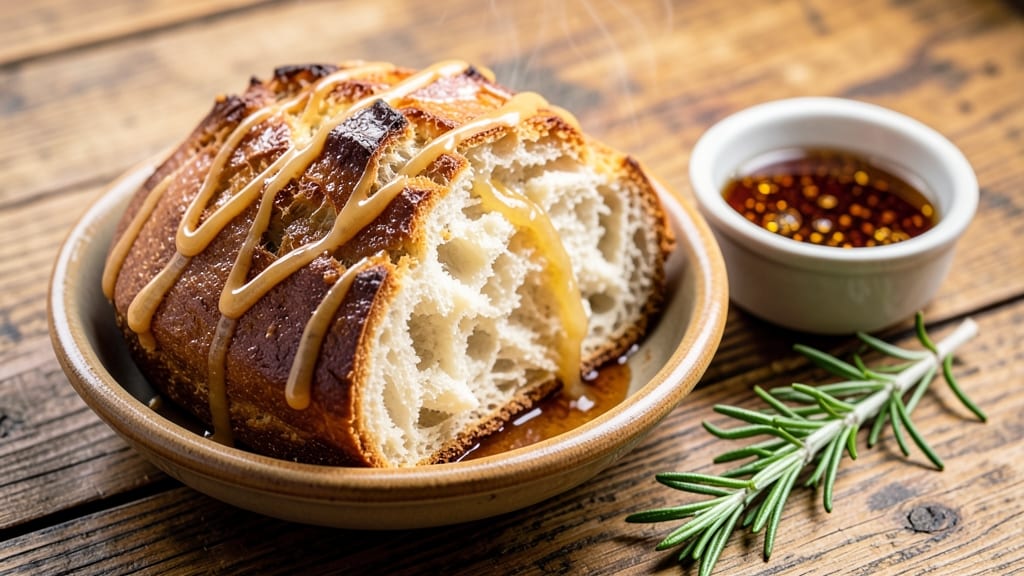
This Antigua bread recipe brings the warm, spiced aroma of the Caribbean straight to your kitchen, where rum-infused crust meets a tender, airy interior. 🌟 The secret lies in a precise blend of flour, yeast, and a touch of spiced rum that caramelizes beautifully during baking, creating a crust with depth and character.
Unlike commercial loaves, this bread develops layers of flavor through slow fermentation and high heat, making every slice worth the wait.
The dough begins with a traditional Caribbean approach—hydrated just enough to create a soft yet sturdy crumb, while the rum adds a subtle warmth that enhances the bread's natural sweetness.
Kneading develops gluten for structure, and a long proofing time allows the yeast to work its magic, ensuring a light texture that crumbles slightly when torn. The crust, infused with rum and spices, turns golden and fragrant, promising a flavor profile that balances rustic simplicity with island-inspired richness.
Baking this bread transforms your kitchen into a taste of Antigua, where the scent of caramelizing rum and toasted spices fills the air.
The result is a loaf with a crisp, aromatic crust that gives way to a soft, pillowy interior—perfect for soaking up soups, pairing with stews, or enjoying fresh from the oven. The recipe delivers on its promise of authenticity, with every bite carrying the essence of Caribbean baking traditions.
For those who love customization, this recipe adapts easily to savory or sweet variations—add herbs for a herbed loaf or a touch of honey for a lightly sweetened twist.
Whether you're baking for a family gathering or simply craving a taste of the islands, this bread delivers both comfort and sophistication. Let’s get started on creating your own piece of Antigua.
Ingredients for antigua bread
Caribbean-inspired ingredients blending yeast, rum, and spices for a loaf with golden crust and tender crumb.
| Ingredient | Amount | Notes |
|---|---|---|
| All-Purpose Flour 🌾 | 5 cups | Sifted for light texture |
| Active Dry Yeast 🍞 | 2 ¼ tsp | One packet or 7g |
| Granulated Sugar 🍚 | ¼ cup | For yeast activation |
| Warm Water 💧 | 1 ¼ cups | 110°F (43°C) ideal |
| Unsalted Butter 🧈 | ½ cup | Cold, cubed for dough |
| Spiced Rum 🍹 | ¼ cup | Dark rum preferred |
| Large Eggs 🥚 | 1 whole | Room temperature |
| Salt 🧂 | 1 ½ tsp | Kosher or sea salt |
| Ground Cinnamon 🌿 | 1 tsp | For warm spice notes |
| Ground Nutmeg 🌶️ | ½ tsp | Freshly grated preferred |
| Ground Allspice 🌶️ | ½ tsp | For Caribbean warmth |
| Cornmeal 🌽 | ½ cup | For dusting bread pan |
The rum is non-negotiable here—dark spiced rum from Rum Haven or Diplomático adds the best depth, but any quality dark rum works. If you can't find spiced rum, regular dark rum plus a pinch of cinnamon and nutmeg mimics it. The flour should be all-purpose, not bread flour (this isn't a baguette), and check the yeast expiration date—old yeast won't activate properly. For the spices, Penzeys or bulk bins at natural food stores have the freshest ground spices, but regular grocery store brands are fine if they're not ancient.
No spiced rum? Substitute 1/4 cup dark rum plus 1/4 tsp cinnamon and 1/8 tsp nutmeg. The butter must be cold when mixed into the dough—if it melts, chill the dough for 30 minutes before shaping. For a vegan version, use Earth Balance vegan butter and flax eggs (1 tbsp ground flax + 3 tbsp water = 1 egg). The egg adds structure, but if you skip it, let the dough proof longer (up to 2 hours) to compensate. Cornmeal isn't strictly necessary, but it prevents sticking and adds a subtle sweetness to the crust.
The dough keeps in the fridge for 3 days wrapped tightly in plastic, or you can freeze it for 3 months—thaw overnight in the fridge before baking. Once baked, store the bread in a bread box or paper bag at room temperature for 3-4 days. For extra crispiness, reheat slices in a 350°F (175°C) oven for 5 minutes. I always make a double batch—one loaf for the table, one frozen for lazy mornings when I crave that rum-spiced crust.
Why You'll Love This Recipe
- No-Knead, No-Fuss Rise: I swear by the yeast-and-water trick here—just toss in the flour, let it sit, and walk away. No stand mixer, no overworked arms, just that golden crust forming while you do anything else.
- Butter-Kissed Magic: That warm butter swirled into the dough? It’s the secret weapon—rich, tender crumb with a crisp edge that’s dangerously easy to devour straight from the pan. (Yes, even on a Tuesday night.)
- Weeknight Workhorse: Breakfast toast, sandwich base, or dinner side—this bread handles it all. Honestly, I’ve even used it as a makeshift bowl for chili when I’m lazy. It’s that reliable.
- Pantry Goldmine: A single batch feeds my family for days, and the dough freezes like a dream. Between us, I’ve pulled out a loaf straight from the freezer and had it ready in 15 minutes—no fresh yeast needed. Budget-friendly and lazy-approved.
Step-by-step instructions for Antigua bread
Here's how to craft this Caribbean-inspired bread with a rum-kissed crust and tender crumb.
👨🍳 Step 1: Activate the Yeast and Mix Wet Ingredients
In a small bowl, whisk together the 1.25 cups warm water (tested at 110°F) with the 0.25 cup granulated sugar until dissolved. Sprinkle the 2.25 tsp active dry yeast over the top and let sit for 5-10 minutes until frothy—this confirms your yeast is alive and active.
In a separate large bowl, combine the 0.5 cup unsalted butter (cubed and cold), 0.25 cup spiced rum, and 1 whole large egg. Use a fork to mash the butter until it softens slightly, then mix in the rum and egg until just combined. You're creating a rich, flavorful base that will infuse the entire loaf.
👨🍳 Step 2: Combine Dry Ingredients and Form the Dough
In the bowl with yeast mixture, gradually add the 5 cups all-purpose flour (sifted for light texture), 1.5 tsp salt, 1 tsp ground cinnamon, 0.5 tsp ground nutmeg, and 0.5 tsp ground allspice. Mix with a wooden spoon until a shaggy dough forms—don't overwork it yet.
Pour in the butter-egg mixture and mix with your hands or a dough whisk until fully incorporated. The dough will be sticky but should come together when pressed. Real talk: Antigua bread dough is wetter than most—this is what gives it that tender crumb. If it's too sticky to handle, wet your hands slightly to prevent sticking.
🥘 Step 3: Knead and Let the Dough Rise
Turn the dough onto a lightly floured surface and knead for 5-7 minutes until smooth and elastic. You'll know it's ready when it springs back slowly when poked. If the dough feels too sticky, add 1 tablespoon flour at a time until it's workable—but don't add too much or the bread will be dense.
Place the dough in a lightly greased bowl, cover with a damp towel, and let rise in a warm place for 1-1.5 hours until doubled in size. The rum in the dough will make it rise faster than regular bread, so keep an eye on it. When it's ready, you'll see bubbles throughout and the dough will feel light when pressed gently.
🔥 Step 4: Shape and Proof the Loaf
Punch down the risen dough and shape it into a 9x5-inch loaf pan that's been lightly greased and dusted with 0.5 cup cornmeal. The cornmeal creates that beautiful crust texture while preventing sticking. Tap the pan gently on the counter to help the dough settle evenly.
Cover the pan with a towel and let the dough proof for another 30-45 minutes until it rises just above the pan's rim. The rum infusion means this proofing stage happens quickly—don't let it overproof or the bread will be dense. When ready, the dough should feel springy and jiggly when touched.
🔥 Step 5: Bake for Golden Crust and Soft Centers
Preheat your oven to 375°F. Bake the Antigua bread for 35-40 minutes until the top is deep golden brown and the internal temperature reaches 190°F. The rum will create a beautiful caramelized crust that smells incredible—resist the urge to open the oven door during baking.
For the final 5 minutes, increase the heat to 400°F to intensify the browning. When done, tap the bottom of the loaf—it should sound hollow. Let cool in the pan for 10 minutes, then transfer to a wire rack. The bread will be warm, fragrant, and ready to slice into thick pieces for that perfect rum-infused crumb.
Pro Tips For Making Antigua Bread
- MEASURE WATER PRECISELY: I learned this the hard way—using "warm" water by feel leads to yeast that’s either sluggish or overactive. Antigua bread relies on that yeast for lift, so grab a thermometer: aim for 105–110°F (40–43°C). Too hot, and you kill it; too cool, and it takes forever to activate. No thermometer? Dip your pinky finger in—should feel like bathwater, not sauna steam.
- KNEAD UNTIL SILKY: This dough isn’t shy about fighting back, but stop when it’s smooth like a baby’s bottom, not when your arm gives out. Antigua bread’s texture hinges on gluten development, and under-kneading means a dense, chewy loaf. Flour your hands before starting—sticky dough is a nightmare to handle, and you’ll waste more time cleaning than cooking.
- LET THE BUTTER COOL: I was skeptical until I tried it: softened butter (not melted) blends better and doesn’t steam the dough, which weakens the gluten. Take that butter out of the fridge 10 minutes before mixing—it should dent when pressed, not smear. Melted butter? Save it for a brioche, not this recipe.
- PROOF IN A DARK PLACE: Light speeds up yeast, so cover the bowl with a damp towel and stash it in a closet or cabinet. The ideal proofing spot is 75–80°F (24–27°C)—warmer than room temp but without the oven’s dry heat. Skipping this step? Your bread will rise unevenly, and those beautiful air pockets? Gone. Patience here guarantees a light, airy crumb.
Perfect pairings for these flavors
Caribbean-Inspired Sides
Serve your Antigua bread alongside jerk chicken for a bold flavor match—the smoky, spicy marinade complements the bread's warm rum notes beautifully. I love pairing it with callaloo stew, a Caribbean classic with tender greens and coconut milk that soaks up the bread's soft crumb.
For a lighter option, try avocado and lime salad—the creamy texture contrasts perfectly with the bread's crusty exterior. 🌴
Spiced Rum Cocktails
A dark and stormy (rum, ginger beer, lime) is the ultimate drink pairing—its citrusy brightness cuts through the bread's richness. For something sweeter, sip on a rum punch with pineapple juice and grenadine.
I also recommend a spiced rum old-fashioned with orange bitters to enhance the bread's cinnamon and nutmeg flavors. Always serve drinks slightly chilled to balance the warm bread. 🍹
Sweet Pairings
Drizzle warm honey butter over slices to create a sweet-savory balance—just 2 tbsp melted butter mixed with 1 tbsp honey does the trick. For breakfast, serve with Caribbean-style scrambled eggs and crispy bacon.
A rum-soaked fruit compote (simmer 1 cup mixed berries with 1 tbsp spiced rum and 1 tsp sugar) adds a fruity contrast that elevates every bite. 🍯
Creamy Soups
Pair with oxtail soup—the rich, savory broth pairs wonderfully with the bread's tender crumb. A coconut milk soup with shrimp or vegetables offers a lighter option that lets the bread's rum notes shine.
For a hearty meal, try black bean soup with lime and cilantro—the bread's spices harmonize perfectly with the Latin-inspired flavors. 🥘
Cheese and Charcuterie
Create a board with aged cheddar, goat cheese, and smoked gouda alongside the bread. Add prosciutto and olives for a Mediterranean-Caribbean fusion. The bread's soft interior contrasts beautifully with the sharp cheeses, while the rum-infused crust adds a unique depth.
Serve with grape jelly for a sweet-and-savory twist that guests will love. 🧀
Nutrition facts
Frequently asked questions
Can I substitute regular rum for spiced rum in this recipe?
The recipe specifically calls for spiced rum to enhance the warm, aromatic flavors of cinnamon, nutmeg, and allspice. If you only have regular dark rum, use 1/4 cup dark rum plus 1/4 tsp cinnamon and 1/8 tsp nutmeg to mimic the spiced profile. The difference won't be dramatic, but the crust will lack that signature depth.
Why does the dough feel so sticky?
Antigua bread dough is intentionally wetter than most bread recipes—this creates its signature tender, pillowy crumb. The rum and butter add moisture, while the high hydration ratio (about 65%) keeps the texture soft. If it's too sticky to handle, wet your hands slightly or use a dough scraper to prevent sticking. The stickiness is normal and won't affect the final result!
How do I know when the bread is fully baked?
The bread is done when the internal temperature reaches 190°F and the crust is deep golden brown. Tap the bottom of the loaf—it should sound hollow. For extra assurance, check the center with a thermometer. The rum-infused crust should be fragrant and slightly crisp, not pale or doughy.
Can I make this bread without a loaf pan?
Shape the dough into a free-form loaf or round boule on a baking sheet lined with parchment paper. For a rustic look, score the top with a sharp knife before baking. The baking time may increase by 5-10 minutes, and the crust will be slightly thicker. Skip the cornmeal if making free-form—just dust with flour instead.
What if my bread turns out dense instead of light?
Dense bread usually means overproofing or underkneading. For future attempts, proof the dough for no more than 1.5 hours total (including the second rise) and knead until the dough springs back slowly when poked. Also, ensure your yeast is fresh—old yeast won't activate properly. If the dough was too sticky, you may have added too much flour, which can weigh it down.