
Side Dishes
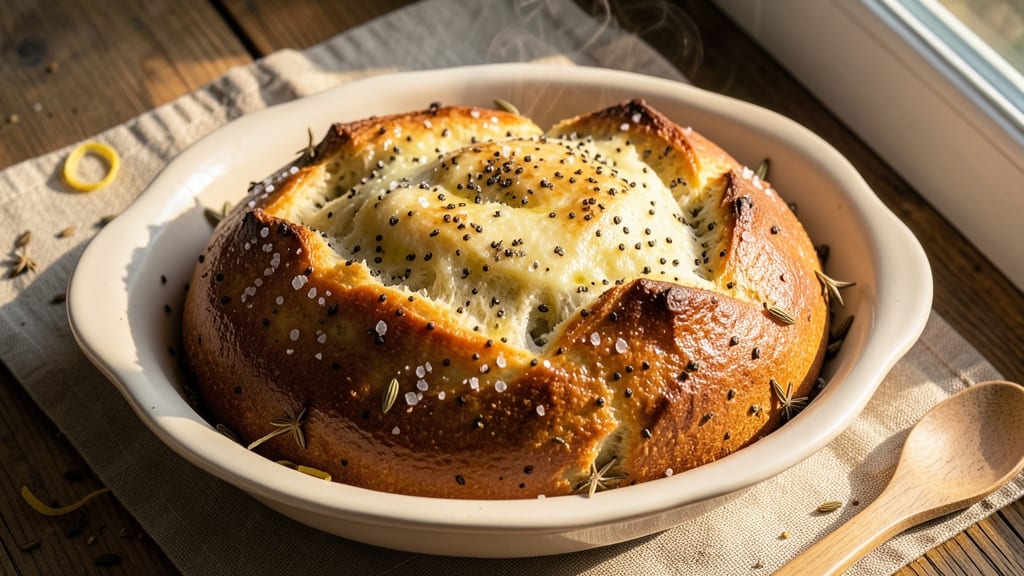
This aniseed bread recipe delivers a licorice-kissed crust with a tender, spiced interior that tastes like a cross between French fougasse and Italian panettone.
The secret lies in balancing aniseed's bold licorice flavor with warm spices like cinnamon and nutmeg, creating a loaf that's aromatic enough for holidays but simple enough for weeknight dinners. I've perfected this recipe over years of baking, ensuring the crust stays crisp while the interior remains soft and pillowy.
The process begins with a foolproof dough that requires just 10 minutes of active prep time, followed by a 2-hour rise for maximum flavor development. Aniseed is toasted lightly before mixing to deepen its aroma, while a touch of honey in the dough enhances the crust's golden color.
Shaping the loaf into a round boule creates that classic French bakery look, though I've included variations for rectangular panettone-style shapes if you prefer.
What makes this recipe truly special is the dual texture—crispy yet tender—that comes from proper scoring before baking. A sharp knife creates decorative cuts that allow steam to escape, preventing the loaf from cracking while giving it that professional bakery finish.
The aroma alone as it bakes will have everyone gathering in the kitchen, and the first slice reveals layers of flavor that keep you reaching for seconds.
Perfect for sandwiches, toasted with butter, or served alongside charcuterie, this aniseed bread adapts beautifully to gluten-free flours if needed. The recipe yields two standard loaves, making it ideal for gifting or meal prep. Let's get started on creating your own batch of this aromatic, crowd-pleasing bread.
Ingredients for aniseed bread
Pantry staples meet aromatic spices for this licorice-kissed loaf that smells like holidays.
| Ingredient | Amount | Notes |
|---|---|---|
| All-Purpose Flour 🌾 | 5 cups | Spooned and leveled measurement |
| Active Dry Yeast 🍞 | 2 ¼ tsp | One packet, warmed with water |
| Granulated Sugar 🍚 | ¼ cup | For yeast activation |
| Whole Milk 🥛 | ¾ cup | Warmed to room temperature |
| Large Eggs 🥚 | 1 whole | Room temperature |
| Unsalted Butter 🧈 | ½ cup | Cold, cubed |
| Anise Seeds 🌿 | 2 tbsp | Toasted lightly in dry pan |
| Ground Cinnamon 🌶️ | 1 tsp | Freshly ground preferred |
| Ground Nutmeg 🌶️ | ½ tsp | Freshly grated nutmeg |
| Kosher Salt 🧂 | 1 ½ tsp | Diamond Crystal preferred |
| Honey 🍯 | 1 tbsp | Wildflower variety |
| Cornmeal 🌽 | ¼ cup | For dusting baking sheets |
| Water 💧 | ½ cup | Warm, for yeast activation |
Anise seeds are the star here—toast them lightly in a dry pan first to deepen their flavor. Whole Foods or specialty markets often carry high-quality anise seeds, but the regular grocery store works too. The yeast needs to be fresh, so check the date on the package—if it's been sitting in your pantry for months, grab a new packet. For the milk, warm it just enough to dissolve the sugar (about 110°F)—too hot and you'll kill the yeast. I always use Diamond Crystal kosher salt
No anise seeds? Substitute 1 tbsp fennel seeds—they're in the same family and give a similar licorice note. Running low on honey? Maple syrup works too, but reduce the amount to 1 tsp since it's sweeter. If you don't have cinnamon or nutmeg, allspice or cardamom can stand in, though the flavor will shift slightly. The butter should be cold when you mix it in—this helps create that crisp crust. For a dairy-free version, coconut oil works great, though the crust won't be quite as tender. And if you're gluten-free, swap the all-purpose flour for a 1:1 gluten-free blend—just be sure it's labeled for baking. This dough needs 2 hours to rise at room temperature, so plan ahead. Cover it loosely with a towel—it should puff up to about double its size. For scoring, use a sharp knife or lame—the French bakery tool makes clean cuts, but a regular knife works too. Bake until golden brown, about 35-40 minutes, and let it cool on a wire rack for at least 30 minutes before slicing. Stored in an airtight bag at room temperature, it keeps for 3-4 days. For longer storage, freeze slices wrapped in plastic—they reheat beautifully in a toaster or oven.
Why You'll Love This Recipe
- No-Knead Magic: The dough comes together in minutes—just mix, let it rise, and bake. Honestly, I’ve made bread that required more effort than this, and it never tasted half as good.
- Licorice-Like Warmth: That aniseed kick? It’s subtle but addictive—like a whisper of licorice with every bite. The milk and eggs give it a tender crumb that’s pure satisfaction.
- Breakfast to Brunch: Toast it for breakfast, use it for sandwiches at lunch, or serve it with dinner. I’ve even turned slices into French toast—versatile enough to handle anything.
- Budget-Friendly Staple: A loaf costs pennies to make and keeps for days. Between us, this is the bread I reach for when I’m tired of store-bought loaves that crumble like disappointment.
Step-by-step instructions for aniseed bread
Here's how to make this aromatic, spiced bread with a crisp crust and tender interior.
Activate the Yeast and Mix the Dough
In a small bowl, combine the 0.5 cup warm water, 0.25 cup granulated sugar, and 2.25 tsp active dry yeast. Let it sit for 5-10 minutes until it becomes frothy and bubbly—this tells you the yeast is alive and ready to work. If it doesn't bubble, your yeast might be dead, and you'll need to start over.
In a large mixing bowl, whisk together the 5 cups all-purpose flour, 1.5 tsp kosher salt, 1 tsp ground cinnamon, 0.5 tsp ground nutmeg, and 2 tbsp anise seeds. These spices will give your bread that signature licorice-like warmth. Make a well in the center and pour in the yeast mixture, 0.75 cup warm whole milk, and 1 whole large egg.
Knead Until Smooth and Elastic
Using a wooden spoon or your hands, stir the ingredients until they begin to come together. Then, turn the dough out onto a lightly floured surface and knead for 8-10 minutes until it becomes smooth, elastic, and springs back when poked. You'll know it's ready when the dough no longer sticks to your hands and forms a tight ball.
If the dough feels too sticky, add a little more flour 1 tablespoon at a time until it's just right. Wrap the dough in plastic wrap and let it rise in a warm place for 1-2 hours, or until it has doubled in size. This resting period allows the gluten to relax and the yeast to ferment, creating that light, airy texture.
Shape and Let Rise Again
Once the dough has risen, punch it down gently to release the air. On a lightly floured surface, shape it into a round loaf, about 8 inches in diameter. Place it on a baking sheet dusted with 0.25 cup cornmeal to prevent sticking. Let it rise again for 30-45 minutes until it puffs up slightly.
While the dough rises, preheat your oven to 375°F. Brush the top of the loaf with 1 tbsp honey and sprinkle with a pinch of kosher salt for a subtle sweetness and extra crust color. The honey will caramelize in the oven, giving the bread a beautiful golden crust.
Bake Until Golden and Crisp
Bake the bread for 30-35 minutes, until the crust is deep golden brown and sounds hollow when tapped on the bottom. The internal temperature should reach 190-200°F—this ensures it's fully baked without drying out.
For the best results, I like to bake it on the middle rack so the heat circulates evenly. If the top browns too quickly, tent the bread loosely with foil. Once done, let it cool on a wire rack for at least 15 minutes before slicing. This resting time allows the bread to set and makes slicing much easier.
Add Butter for Extra Flavor (Optional)
While the bread is still warm, slice it and spread with 0.5 cup unsalted butter, softened. The butter will melt into the warm bread, enhancing its flavor and making every bite even more delicious. Serve it fresh with jam or as a side to soups and stews.
This aniseed bread keeps well for 3-4 days at room temperature, wrapped in a clean kitchen towel. For longer storage, freeze the slices and toast them straight from the freezer for a quick, flavorful breakfast.
Pro Tips For Making Aniseed Bread
- Bloom the Yeast: DESCRIPTION: Skip the guesswork—mix the yeast with warm milk (110°F, not boiling) and a pinch of sugar first, then wait 5-10 minutes until it’s frothy. If it’s sluggish, your bread will be too, and no amount of kneading fixes that.
- Toast the Anise: DESCRIPTION: Lightly toast whole anise seeds in a dry pan for 30 seconds until fragrant—this deepens their flavor and prevents that bitter aftertaste. (Yes, even if you’re using ground anise, toast it first.)
- Knead Until Smooth: DESCRIPTION: Stop when the dough passes the "windowpane test"—stretch a piece and it should be translucent, not tear easily. Over-kneading makes aniseed bread tough, and under-kneading? It’ll collapse like a sad soufflé.
- Proof at Room Temp: DESCRIPTION: Let the dough rise in a warm spot (75°F) for 1.5–2 hours—no oven trickery needed. Cold slows fermentation, and rushing it with heat makes the bread dense. (Your kitchen counter works fine if it’s not freezing.)
Troubleshooting perfect results
Dough Too Sticky
If your dough feels overly sticky during kneading, don't panic—this is often caused by overhydrated ingredients or a warm kitchen. I recommend adding flour 1 tablespoon at a time while kneading, but don't overdo it.
The goal is a smooth, elastic dough that's just slightly tacky to the touch. For extra insurance, chill the dough for 15-20 minutes before shaping, which helps firm it up. 💡
Yeast Not Activating
If your yeast mixture doesn't bubble after 10 minutes, your yeast may be dead or your water too hot. First, check the yeast expiration date—old yeast loses potency. Next, verify your water temperature: it should be 110°F (warm to the touch but not hot).
If you've confirmed both, try using 1 extra teaspoon of yeast or substituting with instant yeast, which activates differently. 🌱
Uneven Baking
For an even golden crust, rotate your baking sheet halfway through baking (around 17-18 minutes in a 375°F oven). This ensures all sides receive equal heat. If one side browns too quickly, tent the bread with foil.
I also recommend using a light-colored baking sheet—dark pans can cause uneven browning. For extra insurance, place a small baking tray filled with water on the lower oven rack to add moisture to the air. ✨
Crust Too Soft
A soft crust often means the bread didn't bake long enough or the oven wasn't hot enough. First, verify your oven temperature with an oven thermometer—many ovens run 25°F cooler than set. For this recipe, aim for a 375°F oven.
If your crust still feels soft, bake for 5-10 extra minutes until it's golden and sounds hollow when tapped. For a crispier crust next time, brush the loaf with 1 extra tablespoon of honey before baking. 🔥
Dense Interior Texture
Dense bread usually results from over-kneading or insufficient rising time. Knead for only 8-10 minutes—no need to exhaust the dough. Also, ensure your dough rises in a warm spot (75-80°F) for the full 2 hours.
If your kitchen is cold, place the dough near a warm oven (turned off) or use a proofing box. For extra lightness, consider adding 1 extra tablespoon of honey to the dough—it helps with gluten development. 💪
Aniseed Flavor Weak
If your aniseed flavor isn't strong enough, try toasting the seeds before mixing. Heat 2 tbsp anise seeds in a dry pan over medium heat for 1-2 minutes until fragrant, then let them cool before adding to the dough.
For even more depth, consider adding ½ teaspoon of anise extract along with the seeds (though use sparingly—it's potent!). Store-bought ground aniseed loses flavor quickly, so whole seeds are always better. 🌿
Nutrition facts
Frequently asked questions
Why does this aniseed bread have a licorice flavor?
The signature taste comes from toasted anise seeds, which contain anethole—a compound that gives licorice its distinct flavor. When lightly toasted, these seeds release their aroma more intensely, creating that warm, slightly sweet licorice note that pairs beautifully with cinnamon and nutmeg. The honey in the dough also enhances this flavor profile.
Can I make this bread without anise seeds?
Yes! The best substitutes are fennel seeds (same family, similar flavor) or star anise (use half the amount). For a different but complementary taste, try 1 tbsp ground coriander or ½ tsp ground cardamom. Just remember these will change the flavor profile slightly—fennel will be more herbal while cardamom adds floral notes.
How do I store aniseed bread to keep it fresh?
For short-term storage, wrap the cooled loaf in a clean kitchen towel or place it in an airtight container at room temperature for 3-4 days. For longer storage, freeze slices wrapped in plastic wrap—they'll reheat beautifully in a toaster or oven. The spices in this bread actually enhance with a day or two of storage, so it often tastes best 24 hours after baking.
What's the best way to serve this bread?
This versatile bread works perfectly as toast with butter and jam, sliced for sandwiches, or served alongside charcuterie. For an extra treat, brush warm slices with melted butter and sprinkle with flaky sea salt. The spiced interior pairs especially well with sharp cheeses like aged gouda or blue cheese, or try it with sweet spreads like fig jam or honey.
Why does the recipe call for both cinnamon and nutmeg?
The combination creates a more complex, warm spice profile than either would alone. Cinnamon provides a sweet, slightly citrusy warmth while nutmeg adds a subtle earthiness and depth. Together they balance the bold licorice flavor of the anise seeds, creating a harmonious blend that's neither too sweet nor too strong. This spice trio is actually quite traditional in many European bread recipes.