
Desserts
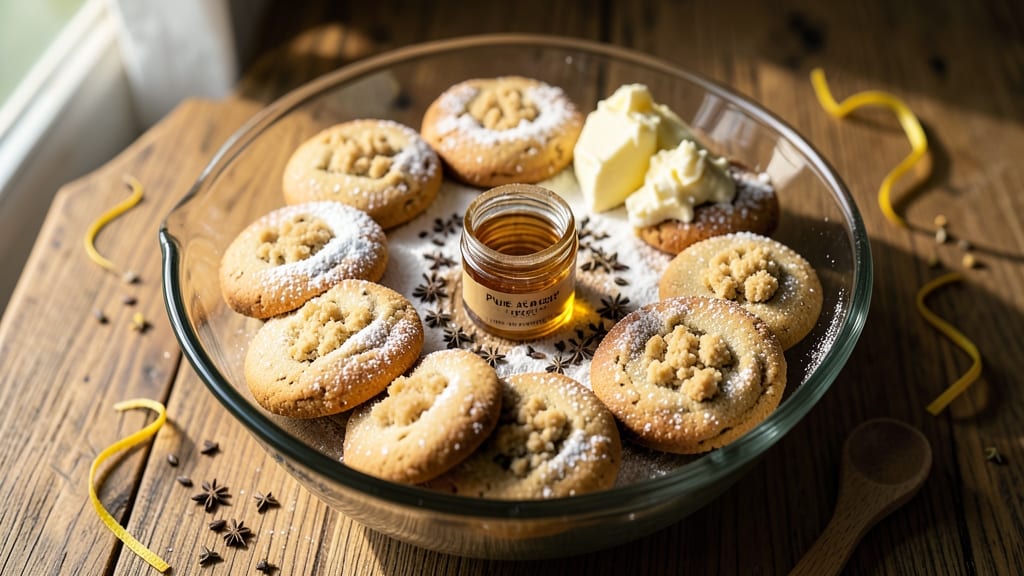
This anise shortbread cookie recipe delivers the perfect balance of buttery crunch and licorice warmth in just 10 minutes of active time. The secret lies in the anise extract—just a whisper of it transforms classic shortbread into something uniquely aromatic, with a tender crumb and melt-in-your-mouth texture that disappears too quickly. I’ve perfected this recipe after years of baking, ensuring every batch stays crisp at the edges while remaining delicate inside.
The foundation is simple: cold butter, fine sugar, and anise extract work together to create a dough that’s easy to shape yet holds its form beautifully.
Traditional shortbread techniques—like using cornstarch for extra crumb and baking at a precise temperature—ensure those signature golden edges and a subtle caramelized aroma that fills your kitchen. The anise flavor is subtle but unmistakable, adding a sophisticated twist without overpowering the buttery richness.
By the time these cookies emerge from the oven, you’ll have a tray of delicate, licorice-kissed shortbread with a delicate snap and a flavor that lingers. They’re perfect dusted with powdered sugar or a sprinkle of anise seeds for added visual appeal.
The texture is what makes them unforgettable—crumbly yet tender, with a buttery richness that pairs perfectly with tea or coffee.
Store them in an airtight container for up to a week, though they rarely last that long. These cookies are the kind of treat that feels both nostalgic and special—ideal for holiday gifting or a cozy dessert any time of year. Let’s get baking!
Ingredients for anise shortbread cookie
Cold butter, fine sugar, and anise extract transform simple pantry staples into irresistible cookies.
| Ingredient | Amount | Notes |
|---|---|---|
| Unsalted Butter, Cold and Cubed 🧈 | 1 cup | High-fat content for rich texture |
| Granulated Sugar 🍚 | ½ cup | Fine texture preferred |
| Anise Extract 🌿 | 1 tsp | Pure, high-quality extract |
| Cornstarch 🌾 | 2 tbsp | For extra crumbly texture |
| Diamond Crystal Kosher Salt 🧂 | ¼ tsp | Fine grain preferred |
| All-Purpose Flour 🌾 | 2 cups | Sifted for light texture |
| Powdered Sugar 🍚 | ¼ cup | For dusting finished cookies |
| Anise Seeds 🌿 | 1 tsp | Optional for garnish |
The butter is non-negotiable—European-style or high-fat American butter gives that signature melt-in-your-mouth quality. Whipped and chilled for 1 hour before mixing is key (skip the soft butter shortcut). For anise extract, McCormick or Frontier are reliable brands—avoid the cheap stuff that tastes like medicine. The cornstarch is what makes these cookies truly shortbread: it creates that signature crumbly texture while keeping them tender. I always grab Bob's Red Mill cornstarch from the bulk section at Whole Foods—it's finer than the boxed stuff and makes a noticeable difference.
No anise extract? 1/2 teaspoon anise seed powder works in a pinch (toast the seeds first for deeper flavor), or swap for 1/4 teaspoon fennel extract for a similar licorice note. The flour matters too—King Arthur or Gold Medal are my go-tos, but any all-purpose will work if it's fresh. Short on powdered sugar? Confectioners' sugar from the canister is fine, but sift it first to avoid lumps. For a festive touch, use crushed candy canes instead of anise seeds—same visual pop, different flavor profile.
This dough keeps well for 3 days wrapped in plastic in the fridge, so make a double batch. Once baked, store in an airtight container with parchment between layers for up to 1 week—though they'll vanish faster than that. Freeze unbaked dough logs for 3 months (wrap tightly in plastic wrap), or freeze baked cookies for 2 months in a sealed bag. Reheat baked cookies at 300°F for 5 minutes to restore crispness—perfect for a quick pick-me-up.
Why You'll Love This Recipe
- No-Fuss Assembly: I swear by this recipe because it’s basically three ingredients plus a pinch of magic. Cold cubed butter gets tossed with sugar and cornstarch—no mixer needed—then folded with anise extract. The dough comes together faster than I can microwave popcorn, and the only real effort is pressing it into a pan. (Yes, even on a Tuesday night.)
- Licorice-Like Magic: That anise extract? It’s the star. One teaspoon transforms these cookies into something ridiculously good—warm, buttery, with a faint licorice-kissed depth that lingers. Honestly, it’s the kind of flavor that makes people pause mid-bite and ask, “What’s in this?” (The answer: not much, but it’s perfect.)
- Holiday or Snack Attack: These cookies are my go-to for holiday gifts, but they’re also the perfect last-minute treat. The dough keeps well in the fridge for days, so I can bake a batch for a potluck or stash them for when I crave something sweet. Between us, they disappear faster than I can say “second helping.”
- Budget-Friendly Crisp: A single stick of butter and a handful of sugar stretch into dozens of cookies—no fancy ingredients, no waste. And because they stay crisp for ages (if you can resist them that long), I often bake two pans at once. (My secret weapon for parties where I’m the only one bringing dessert.)
Step-by-step instructions for anise shortbread cookies
Here's how to make these delicate, aromatic cookies with a perfect crumb and subtle licorice note.
Cream the Butter and Sugar
In a stand mixer fitted with the paddle attachment, combine the 1 cup Unsalted Butter, Cold and Cubed and 0.5 cup Granulated Sugar. Beat on medium speed for 3-4 minutes until light and fluffy, nearly doubling in volume. You're looking for a pale, airy texture that leaves faint streaks on the bowl.
This step is crucial—cold butter creates pockets of air that give these cookies their signature tender crumb. If your butter starts to melt too quickly, chill the bowl for 5 minutes before continuing. The mixture should hold its shape when you press it between your fingers, but not be stiff.
Add Anise and Dry Ingredients
Reduce the mixer speed to low and add the 1 tsp Anise Extract, mixing just until combined. In a separate bowl, whisk together the 2 cups All-Purpose Flour, 2 tbsp Cornstarch, and 0.25 tsp Diamond Crystal Kosher Salt. Gradually add the dry mixture to the butter-sugar blend, mixing on low speed until just combined.
Here's the thing—don't overmix. You want to see small flour streaks remain in the dough. Overworking develops gluten, which makes these delicate cookies tough instead of melt-in-your-mouth tender. Use a silicone spatula to fold in any stubborn dry bits by hand if needed.
Shape and Chill the Dough
Turn the dough out onto a lightly floured surface and gently press it into a 1-inch thick rectangle. Wrap tightly in plastic wrap and refrigerate for at least 1 hour (or up to 24 hours). Chilling firms up the butter, which prevents excessive spreading during baking and helps maintain those crisp edges.
I like to press the dough with my hands rather than rolling it to avoid developing too much gluten. The goal is to create an even, smooth rectangle that will slice cleanly. If your kitchen gets warm, consider freezing the wrapped dough for 30 minutes before slicing for even better results.
Bake to Golden Perfection
Preheat your oven to 325°F and line two baking sheets with parchment paper. Using a sharp knife or cookie cutter, cut the chilled dough into ½-inch thick rectangles or squares. Arrange them 1 inch apart on the prepared sheets—they won't spread much, but you want room for even baking.
Bake for 15-18 minutes until the edges are light golden brown and the centers look just slightly underdone. The cookies will continue cooking on the hot sheet after removal. Remove them when they're still very lightly colored—they'll crisp up as they cool. Let them cool on the baking sheet for 5 minutes before transferring to a wire rack.
Finish with Powdered Sugar and Anise Seeds
While the cookies are still warm, dust them generously with the 0.25 cup Powdered Sugar using a fine-mesh sieve. For extra flavor, sprinkle the 1 tsp Anise Seeds over the top. Let them cool completely before serving—this allows the powdered sugar to adhere properly and the flavors to meld.
These cookies should have a delicate crumb that's just slightly crisp at the edges and tender in the center. The anise flavor will be subtle but present, with a warm licorice note that pairs beautifully with tea or coffee. Store in an airtight container for up to 5 days—if they last that long!
Pro Tips For Making Anise Shortbread Cookie
- CHILL THE DOUGH: Mix your butter, sugar, and dry ingredients until it’s just combined—no overworking—and press the dough into a disc. Wrap it tightly in plastic and refrigerate for at least 2 hours (overnight is better). I learned this the hard way: skipping this step leads to greasy, crumbly cookies that spread like wildfire.
- WEIGH THE ANISE: Use a scale for the anise extract—¼ teaspoon is tiny, but too much turns your cookies into licorice-flavored bricks. If you don’t have one, measure it in a teaspoon with a dropper: one drop is roughly ⅛ teaspoon. Precision here makes a real difference in balancing sweetness and flavor.
- PRESS EVENLY, CUT CLEANLY: Pack the dough into your pan firmly but evenly—no gaps or uneven spots. Use a sharp knife or bench scraper to cut the cookies, pressing straight down and twisting slightly to avoid ragged edges. Uneven pressing = lopsided cookies, and no one wants that.
- BAKE IN BATCHES: Preheat your oven to 325°F (no higher—shortbread burns fast) and bake one sheet at a time. Overcrowding the oven causes uneven baking, and stacking trays leads to soggy bottoms. If you’re impatient like me, use the extra time to chill another dough disc—it’s worth it.
Troubleshooting your anise shortbread cookie
Dough Too Soft?
If your dough feels too sticky or soft after mixing, it’s likely because your butter wasn’t cold enough. Chill the dough for an extra 30 minutes before shaping—this firms up the butter and prevents spreading.
For a quick fix, pop the dough in the freezer for 15 minutes before slicing. If the dough still feels too soft, add 1 extra tablespoon of flour and mix gently. 🧊
Cookies Spread Too Much
Overworked dough or butter that’s too warm causes excessive spreading. Always chill the dough for at least 1 hour before cutting, and use a sharp knife to slice cleanly.
If your kitchen is warm, freeze the dough for 20 minutes before shaping. Bake at 325°F—higher temps cause faster spreading. 🔥
Anise Flavor Too Strong
If the anise taste overpowers the buttery sweetness, reduce the extract to ½ teaspoon next time. For a milder licorice note, swap for ¼ teaspoon fennel extract or ½ teaspoon anise seed powder (toasted lightly for depth).
Balance the flavor by adding a pinch more sugar—1 extra tablespoon enhances the sweetness. 🌿
Cookies Too Dense
Overmixing develops gluten, making cookies tough. Mix dry ingredients just until combined—small flour streaks are normal! Use a silicone spatula to fold in stubborn bits by hand.
For extra tenderness, ensure your butter is cold and cubed (not softened) and don’t skip the cornstarch—it’s what creates that signature crumbly texture. ⚡
Edges Burn Before Centers Cook
Your oven runs hotter at the top and bottom. Rotate baking sheets halfway through baking for even cooking. For a 325°F oven, bake for 15-18 minutes—remove cookies when edges are just golden, not brown.
Let them cool on the sheet for 5 minutes to finish cooking. If your oven is inconsistent, use an oven thermometer to verify the temp. 🌡️
Cookies Lose Crispness
Shortbread cookies soften quickly when exposed to moisture. Store them in an airtight container with parchment paper between layers. To restore crispness, reheat at 300°F for 5 minutes—this works wonders!
For extra crunch, dust with powdered sugar after cooling completely (not while warm). If storing long-term, freeze baked cookies in a sealed bag for up to 2 months. ❄️
Nutrition facts
Frequently asked questions
Can I substitute anise extract for whole anise seeds?
Yes, but the flavor will be more subtle. For every 1 teaspoon of anise extract, use ½ teaspoon of finely ground anise seeds (toasted lightly for deeper flavor). Toast seeds in a dry pan for 1-2 minutes until fragrant, then grind in a spice grinder or mortar and pestle. The extract delivers a smoother, more consistent flavor throughout the dough.
Why does my dough keep sticking to the surface?
This usually means your butter wasn't cold enough or your flour needs more moisture. Chill the dough for an extra 30 minutes before shaping, and work on a surface dusted with extra flour or cornstarch. If it's still sticky, add 1 tablespoon of flour at a time until it holds together. Warm kitchens are the main culprit—try shaping the dough in the fridge if needed.
Can I make these cookies gluten-free?
Yes, but texture will change. Replace the all-purpose flour with a 1:1 gluten-free baking flour blend (like Bob's Red Mill or King Arthur) plus ½ teaspoon xanthan gum. For extra crumb, add 1 extra tablespoon of cornstarch. These cookies will be slightly denser but still delicious. Test with ½ the recipe first—gluten-free flours absorb moisture differently.
How do I get perfectly crisp edges?
Bake at 325°F for 15-18 minutes until edges are just golden, not brown. Remove them when they still look slightly underdone—they'll crisp as they cool. For extra crunch, dust with powdered sugar after cooling completely. If your oven runs hot, reduce temp to 300°F and bake for 20 minutes. Rotate pans halfway for even heat distribution.
What's the best way to store these cookies?
Keep them in an airtight container with parchment paper between layers for up to 5 days. For longer storage, freeze baked cookies in a sealed bag for 2 months. To restore crispness, reheat at 300°F for 5 minutes. Avoid storing with strong-smelling foods—the anise flavor is delicate and can absorb odors. For gifting, package in cellophane bags tied with twine.