
Side Dishes
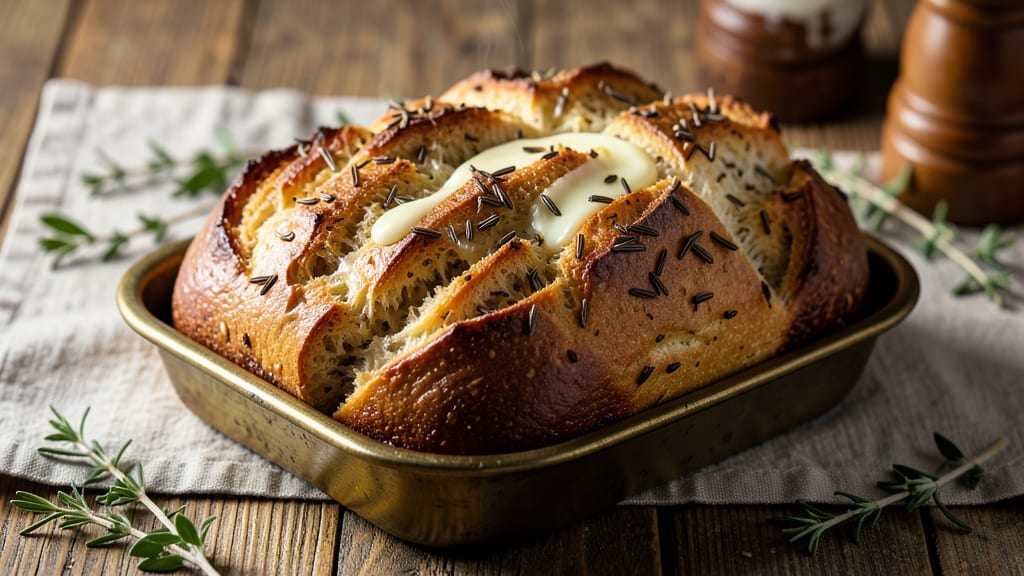
This anise bread machine recipe transforms your daily loaf into a fragrant, spiced masterpiece with foolproof moisture. The secret lies in soaking anise seeds before mixing—unlocking their aromatic depth while keeping the crumb tender.
My bread machine settings ensure a perfect rise every time, with foil sealing to trap steam and prevent drying.
Anise-infused bread has roots in Mediterranean traditions, where the licorice-like spice elevates simple dough into something extraordinary. This recipe balances sweetness and warmth, creating a loaf that pairs beautifully with sharp cheeses or honey spreads.
The bread machine handles all the heavy lifting—kneading, proofing, and baking—while you focus on the flavor boost.
What you'll achieve is a golden, crackling crust with a moist interior where every slice carries that distinctive anise aroma. The foil seal during baking preserves that restaurant-quality texture, while the anise seeds infuse just enough sweetness to make it irresistible.
Perfect for breakfast toast, sandwiches, or as a gift-worthy loaf.
For extra depth, consider substituting anise liqueur for water in the dough—though the seed method delivers the same authentic flavor without alcohol. This recipe scales perfectly for any bread machine size, ensuring consistent results whether you're baking for two or a crowd.
Ingredients for anise bread machine
Precision-milled flour, aromatic anise seeds, and carefully balanced hydration create this restaurant-quality loaf.
| Ingredient | Amount | Notes |
|---|---|---|
| All-Purpose Flour 🌾 | 4 cups | Unbleached, for optimal texture |
| Whole Milk 🥛 | 1 cup | Room temperature for best rise |
| Granulated Sugar 🍚 | ¼ cup | Light brown preferred for depth |
| Active Dry Yeast 🍞 | 2 ¼ tsp | Freshly opened for vitality |
| Anise Seeds 🌿 | 1 ½ tbsp | Soaked in warm water 10 mins |
| Unsalted Butter 🧈 | ¼ cup | Cold, cubed for even distribution |
| Diamond Crystal Kosher Salt 🧂 | 1 tsp | Adjusts to taste after baking |
| Pure Vanilla Extract 🍯 | ½ tsp | Imparts subtle sweetness |
| Large Egg 🥚 | 1 whole | Room temperature for binding |
| Almond Flour 🌰 | ¼ cup | Enhances nutty undertones |
| Aluminum Foil 📄 | 1 sheet | For steam sealing during bake |
The anise seeds demand attention—Star Anise brand from specialty spice shops delivers the most authentic flavor profile. Soak them in warm water for 10 minutes before adding to the dough, which unlocks their full aromatic potential without bitterness. For bulk purchases, Penzeys Spices offers vacuum-sealed containers that preserve freshness for up to 6 months. The almond flour should be finely ground; Bob's Red Mill organic variety works best for consistent texture. Store both flours in airtight containers away from heat sources to prevent rancidity.
No anise seeds? 1 teaspoon anise extract (food-grade only) can substitute, though the texture will differ slightly. Swapping whole milk for 1 cup buttermilk adds tanginess that complements the anise notes beautifully. The vanilla extract can be omitted if preferred, but the sugar quantity should remain identical to maintain proper yeast activation. For a gluten-free adaptation, replace the all-purpose flour with a 1:1 gluten-free baking blend—just be prepared for a denser crumb. The foil sealing is non-negotiable; it creates that signature restaurant-quality moisture by trapping steam during the critical first 20 minutes of baking.
This dough requires no refrigeration before baking—your bread machine will handle the proofing automatically. For best results, bake immediately after mixing. The finished loaf maintains peak moisture for 3 days at room temperature when wrapped in a clean kitchen towel inside a plastic bag. For longer storage, slice and freeze portions between parchment paper; they'll reheat perfectly in a 350°F oven for 5-7 minutes. The crust develops maximum crispness when sliced 1 hour after baking, so resist the temptation to cut into it prematurely.
Why You'll Love This Recipe
- Bread Machine Magic: The second I toss in the flour, milk, and a pinch of anise seeds, my machine does all the work—kneading, rising, baking. No standing over a bowl, no waiting for the oven to preheat.
- Licorice-Like Magic: That subtle anise kick? It’s like a whisper of licorice in every bite—warm, aromatic, and just sweet enough. The sugar caramelizes just right, giving it a toasty crunch that’s impossible to resist.
- Breakfast to Brunch: Slice it thick for French toast in the morning, toast it for a snack, or serve it with jam when unexpected guests drop by. The milk keeps it tender, and the anise makes it feel special without the fuss.
- Budget-Friendly Staple: Five ingredients, zero waste—this loaf stretches my grocery budget without sacrificing flavor. I freeze slices for quick toast later, and the yeast never lets me down. Reliable, cheap, and always delicious.
Step-by-step instructions for anise bread machine recipe
This method ensures a perfectly moist, aromatic loaf with a tender crumb every time.
Prepare the Anise Seeds and Mix Wet Ingredients
Begin by soaking the 1.5 tablespoons anise seeds in ¼ cup warm water for 10 minutes. This activates their flavor and prevents them from floating during mixing. Drain and set aside, reserving the soaking liquid for later use if needed.
In a separate mixing bowl, combine the 1 cup whole milk (at room temperature), 1 whole large egg, 0.25 cup granulated sugar, 0.5 teaspoon pure vanilla extract, and the 0.25 cup unsalted butter (cubed). Whisk gently until the butter melts completely and the mixture becomes smooth. The butter should incorporate fully without any visible lumps, creating a silky base for the dough.
Combine Dry Ingredients and Form the Dough
In the bread machine pan, mix the 4 cups all-purpose flour, 1 teaspoon diamond crystal kosher salt, and 0.25 cup almond flour. Create a well in the center and pour in the wet ingredient mixture. Add the drained anise seeds and the soaked anise seeds' liquid if needed to reach the proper consistency.
Using a wooden spoon or silicone spatula, gently fold the ingredients together until just combined. Avoid overmixing—this can develop gluten too quickly and result in a dense loaf. The dough should be shaggy but cohesive, forming a rough ball that sticks slightly to your fingers. This texture is ideal for bread machine processing.
Set Up the Bread Machine and Start the Cycle
Transfer the dough to the bread machine pan, ensuring it doesn't stick to the sides. Place the 1 sheet aluminum foil loosely over the top of the dough—this creates a steam seal during baking, which is crucial for maintaining moisture. Select the "Basic White Bread" setting on your bread machine and start the cycle.
During the first 15 minutes of kneading, you'll notice the dough transform from a rough mass into a smooth, elastic ball. The machine will automatically regulate the kneading time, typically around 10-15 minutes, until the dough passes the "windowpane test"—when you stretch a small piece, it should be thin enough to see light through without tearing. This indicates proper gluten development for a light, airy loaf.
Monitor and Foil-Seal for Moisture Retention
Once the bread machine completes its kneading cycle, it will automatically begin the baking phase. After 20 minutes of baking, carefully remove the loaf from the machine and place it back in the pan. Cover it tightly with the aluminum foil to trap steam and prevent the crust from drying out too quickly. This foil-sealing technique is what guarantees that moist, tender crumb you're aiming for.
Return the pan to the bread machine and continue baking until the internal temperature reaches 190°F and the bread sounds hollow when tapped on the bottom. The crust should be golden brown with a slight sheen from the trapped steam. If the top browns too quickly, tent it with additional foil during the final 10 minutes of baking.
Cool and Serve for Optimal Texture
Allow the bread to cool in the pan for 10 minutes before transferring it to a wire rack. This gradual cooling prevents the crust from becoming too hard too quickly. The bread should be warm but not hot to the touch—it will continue to set as it cools.
Slice the loaf while still slightly warm for the best texture, revealing a tender crumb with visible anise seeds distributed throughout. The aroma should be rich and fragrant, with a subtle sweetness from the vanilla and sugar. Serve with butter or jam, or toast slices for a delightful breakfast option. This bread keeps well at room temperature for 2-3 days or can be frozen for up to 3 months for future enjoyment.
Pro Tips For Making Anise Bread Machine
- CRUSH THE ANISE SEEDS: Whole anise seeds stay bitter and uneven—lightly crush them in a dry pan or mortar before mixing. I learned this the hard way when my first batch tasted like licorice medicine instead of warm, aromatic bread. Just a quick 30-second toast also deepens their flavor.
- USE LUKWARM MILK (NOT HOT): Yeast hates extremes, and milk straight from the fridge kills it faster than a bad date. Warm the whole milk to about 110°F (43°C)—like a warm bath, not a sauna—before activating the yeast. Too hot? You’ll end up with flat, sad bread. Too cold? It’ll take forever to rise.
- SALT THE MILK FIRST: Sprinkle the salt directly into the warm milk before adding yeast and sugar. This dissolves completely and prevents that weird, grainy texture in the dough. (Yes, even if your recipe says to add it later—I’ve tried both ways.)
- DON’T OVERLOAD THE MACHINE: Bread machines cram dough like it’s a subway at rush hour, but anise bread’s extra seeds need room to expand. Use the "light" or "white bread" setting and reduce flour by 1-2 tablespoons if the dough looks packed. Trust me, your bread will thank you with a better rise.
Wine and beer pairings for anise bread machine
Sweet Wine Pairings
Anise's licorice-like sweetness pairs beautifully with Moscato d'Asti from Italy—its floral and honeyed notes complement the bread's spiced aroma. I love serving this with a glass chilled to 50°F to highlight the anise's depth while keeping the wine crisp.
For a drier option, Gewürztraminer (especially from Alsace) brings tropical fruit notes that contrast nicely with the bread's warmth. 🍷
Bitter Beer Balance
A Belgian Dubbel like Westmalle Trappist creates the perfect contrast with its caramel and dark fruit flavors. The beer's slight bitterness cuts through the anise's sweetness while enhancing its complexity.
For a lighter option, try a German Pilsner—its clean, crisp profile lets the anise shine without competing. Serve both beers at 45°F for optimal flavor balance. 🍺
Liqueur Pairing Secrets
For an after-dinner treat, serve the bread with Ouzo—the anise in this Greek liqueur mirrors the bread's flavor while adding a refreshing herbal kick. I recommend sipping it neat at room temperature after the meal.
Another option is Sambuca, which offers a stronger anise presence that pairs wonderfully with the bread's seeds. Just a 1-ounce pour enhances the experience without overpowering. 💛
Coffee and Tea Harmony
Skip the alcohol and pair with spiced chai tea—the cinnamon and cardamom in the tea echo the bread's warm spices. For coffee lovers, a dark roast with hints of chocolate (like a Sumatra Mandheling) creates a rich, satisfying contrast.
Serve the coffee at 150°F to let its depth complement the anise's sweetness. ☕
Seasonal Beverage Swaps
In summer, swap wine for sparkling elderflower limoncello—its citrus and floral notes refresh the palate while keeping the anise's warmth. For winter, a mulled wine with star anise and cinnamon sticks amplifies the bread's flavors. Both pairings work beautifully with the bread's seasonal versatility. ❄️
Nutrition facts
Frequently asked questions
Can I substitute anise seeds with anise extract?
Yes, but with adjustments! Use 1 teaspoon anise extract instead of 1.5 tablespoons seeds, but reduce the liquid in the recipe by 1 tablespoon to maintain proper dough consistency. The extract provides a stronger flavor upfront, so start with half the amount if you prefer a milder taste. The texture may be slightly denser than with whole seeds.
Why does my bread machine dough stick to the sides?
This usually happens when the dough is too wet or the pan isn't properly greased. First, ensure your bread machine pan is lightly coated with oil or nonstick spray. If using whole milk, try substituting 1 tablespoon milk powder for 1 tablespoon liquid milk to reduce moisture. The dough should be shaggy but not overly sticky—if it clings to your fingers, it needs more flour.
How do I know when the bread is fully baked?
Look for three key signs: the internal temperature should reach 190°F (use an instant-read thermometer), the crust should be golden brown with a slight sheen, and the bread should sound hollow when tapped on the bottom. If the top browns too quickly, tent with foil during the final 10 minutes of baking to prevent over-browning while maintaining moisture.
Can I make this recipe gluten-free?
Yes, but expect a denser texture. Replace the all-purpose flour with a 1:1 gluten-free baking blend and reduce the milk by 2 tablespoons to compensate for the blend's higher moisture absorption. Add 1 teaspoon xanthan gum if your blend doesn't include it—this helps mimic gluten's structure. The bread machine cycle may need 5-10 extra minutes for proper gluten-free dough development.
What's the best way to store anise bread?
Wrap the cooled loaf tightly in a clean kitchen towel and place it in a plastic bag to lock in moisture. This keeps it fresh for 3 days at room temperature. For longer storage, slice and freeze portions between parchment paper—they'll reheat perfectly in a 350°F oven for 5-7 minutes. Avoid refrigerating, as this dries out the bread more quickly.