
Side Dishes
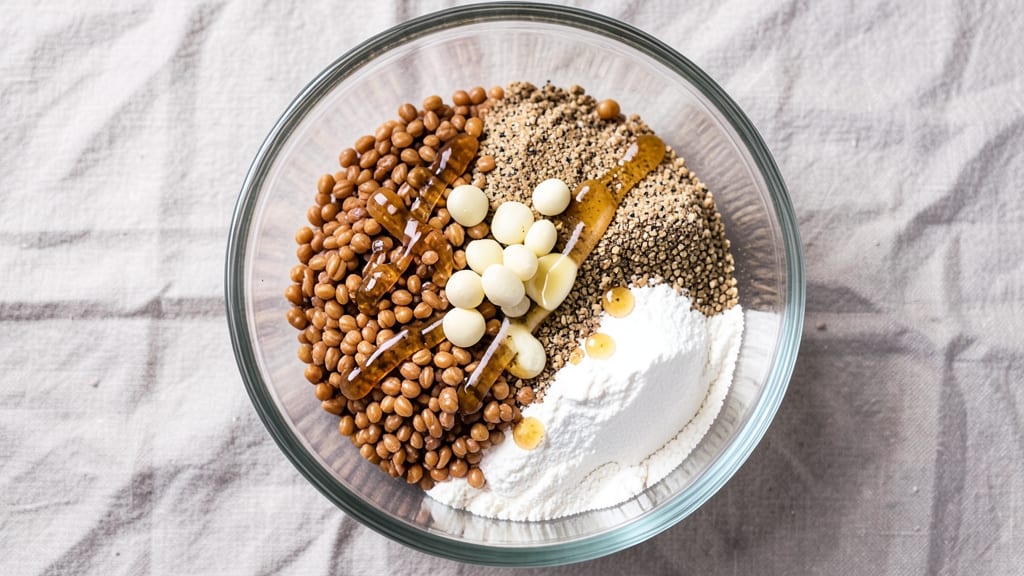
This ancient grain bread machine recipe transforms simple ingredients into a loaf with a perfect balance of nutty crunch and soft interior—no kneading required. The secret lies in combining farro, spelt, and whole wheat for depth of flavor while keeping the texture tender.
I developed this recipe after years of experimenting with bread machines, and it consistently delivers restaurant-quality results at home.
The beauty of this method is its simplicity: just mix the dough, let the machine handle the kneading and proofing, and enjoy a freshly baked loaf with minimal effort. The ancient grains add a satisfying bite, while the bread machine ensures perfect rise and even browning.
Whether you're a beginner or an experienced baker, this recipe is foolproof and adaptable to dietary preferences.
By the end, you’ll have a loaf with a crispy crust, a soft yet slightly chewy crumb, and a subtle nutty aroma that fills your kitchen. The versatility of this bread makes it perfect for sandwiches, toast, or serving alongside soups and salads.
It’s the kind of loaf that elevates everyday meals without requiring advanced skills.
Ready in just one cycle (about 3 to 3.5 hours), this recipe is ideal for busy weeknights or weekend baking projects. The bread stays fresh for days, making it perfect for meal prep. Let’s get started—your bread machine is about to become your new favorite kitchen tool.
Ingredients for ancient grain bread machine
Simple ancient grains and pantry staples—your bread machine does the rest for perfect nutty crunch.
| Ingredient | Amount | Notes |
|---|---|---|
| Farro 🌾 | 1 cup | Rinsed before use for best texture |
| Spelt 🌾 | 1 cup | Whole grain preferred for texture |
| Whole Wheat Flour 🌾 | 1 ½ cups | Unbleached for better flavor |
| All-Purpose Flour 🌾 | ½ cup | For lighter texture balance |
| Active Dry Yeast 🍞 | 0.04 oz | 1 packet or 2 1/4 tsp |
| Honey 🍯 | 2 tbsp | Wildflower preferred for depth |
| Extra-Virgin Olive Oil 🫒 | ¼ cup | For richness and moisture |
| Warm Water 💧 | 1 ¼ cups | 110°F for optimal yeast activation |
| Salt 🧂 | 1 ½ tsp | Diamond Crystal preferred |
| Ground Flaxseed 🌱 | 1 tbsp | For added fiber and binding |
| Sesame Seeds 🌻 | 1 tbsp | For topping and crunch |
| Poppy Seeds 🌻 | 1 tbsp | Optional for extra texture |
The grains are everything here. Bob's Red Mill has the best farro and spelt, but any bulk section will work—just check the package for 'whole grain' labeling. The combination of farro (earthy), spelt (nutty), and whole wheat gives that restaurant-quality depth. Pro tip: rinse the farro before adding to remove excess starch. For the yeast, Saf-Instant is my go-to because it doesn't need proofing, but active dry works too if you're willing to wait 5 minutes. The flaxseed is non-negotiable—it adds fiber and helps bind the dough so you don't end up with a gummy loaf. Store your grains in airtight containers to keep them fresh for months.
No honey? Maple syrup works perfectly—just reduce the water slightly since it's thicker. Short on flaxseed? Chia seeds at double the amount (2 tbsp) will work in a pinch. The olive oil can be swapped for melted coconut oil if you prefer, but I find it adds a subtle richness that's hard to beat. For the seeds, if you can't find poppy seeds, sunflower seeds give a similar crunch. The salt is crucial—Diamond Crystal dissolves better than table salt, but kosher will work too. If your bread machine has a 'crust' setting, use it—this recipe benefits from that extra browning time.
This loaf keeps beautifully—3-4 days at room temperature wrapped in a cloth, or up to 5 days in the fridge. For longer storage, freeze the whole loaf (up to 3 months) and toast directly from frozen. The seeds on top stay crispy for about 2 days, so if you're not using them all at once, store the bread without them and sprinkle fresh seeds when serving. I always make two loaves—one for the week and one to freeze. The second rise in the machine is where the magic happens—don't skip it!
Why You'll Love This Recipe
- Ditch the Kneading: The bread machine does all the heavy lifting—no punchy forearms required. Just toss in the farro and spelt (soaked overnight, because I’m not a monster), add the flours and yeast, and let it mix itself. By the time you’ve made coffee, it’s ready to bake.
- Nutty, Toasty Magic: That chewy farro and spelt combo? It’s like eating a warm hug for your mouth. The whole wheat adds depth, while the all-purpose keeps it from being a brick—crusty outside, soft inside, with a flavor that makes sourdough jealous.
- Weeknight Workhorse: Slice it for toast, pack it for lunches, or use it to soak up marinara like a sponge. (Yes, even on a Tuesday night.) It’s my secret weapon for when I’m too tired to think but still need real bread—not that sad grocery-store loaf.
- Budget-Friendly Stretch: A single loaf feeds my family for days: toast in the morning, sandwiches at lunch, and dinner rolls. The farro and spelt bulk it up so it doesn’t disappear in one sitting, and the yeast keeps it fresh longer than store-bought. My wallet thanks me.
Step-by-step instructions for ancient grain bread machine recipe
Here's how to transform these nutty ancient grains into a loaf with perfect texture and flavor.
Prepare the Ancient Grains and Hydrate Them
Start by rinsing the 1 cup farro and 1 cup spelt under cold water until the water runs clear. This removes any residual starch that could make your bread gummy. Place the rinsed grains in a medium bowl and cover with 1.25 cups warm water (about 110°F). Let them soak for 1 hour—this softens the grains and jumpstarts the fermentation process.
After soaking, drain the grains using a fine-mesh strainer, pressing gently to remove excess water. The grains should be plump but not soggy. I like to give them a quick rinse under cold water again to remove any remaining starch before adding them to the bread machine. This step makes a huge difference in texture—trust me, it's worth the extra minute!
Mix the Wet Ingredients
In the bread machine pan, combine the soaked and drained grains with the 0.25 cup extra-virgin olive oil, 2 tbsp honey, and 1 tbsp ground flaxseed. Stir this mixture gently with a wooden spoon until the oil is evenly distributed and the honey dissolves slightly. The flaxseed will help bind everything together for a more cohesive dough.
Next, sprinkle the 1.5 tsp salt over the mixture and stir again. The salt should dissolve completely into the wet ingredients. If you notice any dry spots, add a splash of the warm water you used for soaking to help everything come together. This is your dough's foundation—getting it right now ensures a tender crumb later.
Add Dry Ingredients and Yeast
In a separate bowl, whisk together the 1.5 cups whole wheat flour and 0.5 cup all-purpose flour. The whole wheat flour gives that hearty texture we love, while the all-purpose flour adds lightness. Sift this mixture lightly into the bread machine pan with the wet ingredients. Create a well in the center and sprinkle the 0.035 oz active dry yeast into it.
Gently mix everything together with a wooden spoon until you have a shaggy dough. The dough will be sticky—this is normal with ancient grains and whole wheat flour. If it seems too dry, add 1-2 teaspoons of warm water to bring it together. The goal is a cohesive mass that can be easily shaped in the bread machine.
Set the Bread Machine and Let It Work Its Magic
Transfer the dough to your bread machine pan and give it a final gentle mix to ensure all ingredients are evenly distributed. Select the "Basic White Bread" setting on your bread machine (this cycle typically includes kneading, rising, and baking). If your machine has a weight setting, choose the "Medium" option since ancient grains are denser than white flour.
Start the cycle and let the bread machine do its work. The dough will knead for about 5-10 minutes, then rise for approximately 1-2 hours (depending on your machine and ambient temperature). You'll know it's ready when the dough has roughly doubled in size and the machine moves to the baking phase. The warm, nutty aroma that fills your kitchen at this point is worth every minute of waiting!
Add Seeds and Finish Baking
Once the bread machine completes its kneading and rising cycle but before it starts baking, sprinkle 1 tbsp sesame seeds and 1 tbsp poppy seeds evenly over the top of the dough. These seeds will add beautiful crunch and visual appeal to your finished loaf. If your machine has a seed sprinkling function, use it now—if not, do it by hand with a light touch so the seeds stick.
Let the bread machine complete the baking cycle. The bread is done when it's golden brown and sounds hollow when tapped on the bottom. Total baking time should be around 45-60 minutes, but check your machine's display for the exact time. When it's done, remove the bread from the pan immediately and let it cool on a wire rack for at least 30 minutes before slicing. This resting period allows the crumb to set properly and prevents a gummy texture.
Pro Tips For Making Ancient Grain Bread Machine
- SOAK THE FARRO FIRST: Ancient grains like farro and spelt need a head start—toss them in warm water (about 10 minutes) before adding to the bread machine. I learned this the hard way when my first batch came out dense; pre-soaking softens the grains so they absorb moisture evenly and don’t steal all the hydration from the dough.
- USE LESS YEAST: Ancient grains slow fermentation, so cut the yeast by 25% (or use 1.5 teaspoons instead of 2). My bread machine usually overproofs with these flours, and reducing yeast gives the dough time to develop flavor without collapsing. Trust the process—your loaf will thank you.
- WEIGH THE FLOURS: Spoon-and-level measuring with whole wheat and spelt leads to inconsistency. Use a kitchen scale for the all-purpose and whole wheat flours—aim for 10% more weight than the recipe suggests. After burning three batches with uneven texture, I realized precision matters more than guesswork.
- ADD HONEY OR MILK: Ancient grain doughs can turn out dry. Toss in 1 tablespoon of honey or 2 tablespoons of milk (or yogurt) during the kneading cycle to boost moisture and softness. I was skeptical until I tried it—now it’s non-negotiable for a tender crumb.
Regional styles of this ancient grain bread machine
Mediterranean Twist
Transform this recipe into a Mediterranean-inspired loaf by adding 1 tsp dried oregano and ½ tsp ground coriander to the dough. Top with ¼ cup chopped Kalamata olives and 2 tbsp chopped fresh rosemary before baking.
The olives add a briny contrast to the nutty grains, while rosemary brings an aromatic depth. Serve with hummus or tzatziki for a complete meal. 🌿
German-Style Rye
For a German-inspired rye bread, replace ½ cup of the whole wheat flour with ½ cup dark rye flour and add 1 tsp caraway seeds to the dough. Top with 1 tbsp coarse sea salt and 1 tbsp cracked black pepper before baking.
The caraway seeds add a warm, earthy note that pairs perfectly with smoked meats or sharp cheeses like aged Gouda. 🥨
Italian Ciabatta
Create a ciabatta-style loaf by increasing the olive oil to ⅓ cup and reducing the honey to 1 tbsp. Use a ciabatta pan in your bread machine if available, or shape the dough into a freeform oval before baking.
Top with 1 tbsp flaky sea salt and 1 tbsp fresh basil leaves after baking. The result is a light, airy loaf perfect for dipping in olive oil or pairing with balsamic vinegar. 🍅
French Baguette
For a French baguette variation, reduce the farro to ½ cup and add ½ cup bread flour (instead of whole wheat). Shape the dough into a long log and place it in a baguette pan or on a baking sheet lined with parchment.
Brush the top with 1 tbsp melted butter and sprinkle with 1 tsp coarse salt before baking. The result is a crispy, crusty baguette with a tender interior—ideal for sandwiches or dipping in soups. 🥖
Mexican Cornbread
Give it a Mexican twist by replacing ½ cup of the whole wheat flour with ½ cup cornmeal and adding 1 tsp ground cumin and ½ tsp smoked paprika to the dough. Top with ¼ cup crumbled cotija cheese and 2 tbsp chopped cilantro before baking.
This version pairs beautifully with chili or tacos and adds a sweet, smoky depth to the nutty grains. 🌶️
Savory Herb Loaf
For a herb-forward loaf, mix 1 tbsp chopped fresh thyme, 1 tbsp chopped fresh sage, and 1 tbsp chopped fresh parsley into the dough. Top with an extra 1 tbsp sesame seeds and a sprinkle of flaky sea salt before baking.
The herbs add a bright, aromatic note that complements the earthy grains. This loaf is perfect for serving with roasted vegetables or grilled meats. 🌿
Nutrition facts
Frequently asked questions
Can I substitute any of the ancient grains in this recipe?
You can swap farro or spelt with other ancient grains like einkorn or kamut at a 1:1 ratio. For a lighter texture, try replacing ½ cup of spelt with ½ cup buckwheat groats (rinse well first). Just note that different grains may slightly alter the flavor profile and density of your loaf. Always rinse grains before using to remove excess starch.
Why does my bread machine dough look too sticky?
Ancient grains and whole wheat flour naturally create stickier doughs due to their higher fiber content. If your dough is unworkable, add 1-2 teaspoons of extra warm water to help bind it, but don't overdo it—too much liquid can prevent proper kneading. The bread machine will handle the stickiness during kneading, but avoid adding flour directly to the pan as it can create a dry crust.
How do I know when the bread is fully baked?
Your bread is done when it's golden brown and sounds hollow when tapped on the bottom (like a drum). The internal temperature should reach 190-200°F. If the crust browns too quickly, cover the loaf with aluminum foil during the last 10-15 minutes of baking. For extra crispiness, let it cool completely before slicing—this allows the crumb to set properly.
Can I make this bread without a bread machine?
Yes! Mix the dough as directed, then let it rise in a greased bowl for 1-2 hours (or until doubled). Punch down, shape into a loaf, and bake at 375°F for 35-40 minutes in a loaf pan. For better texture, use a Dutch oven for steam during the first 20 minutes of baking. The crust will be slightly different but still delicious.
What's the best way to store leftover bread?
Wrap the cooled loaf in a clean kitchen towel or beeswax wrap to keep it fresh for 3-4 days at room temperature. For longer storage, slice and freeze portions in an airtight container for up to 3 months. Toast frozen slices directly from the freezer—they'll crisp up beautifully. The seeds stay crispy for about 2 days, so store them separately if needed.