
Side Dishes
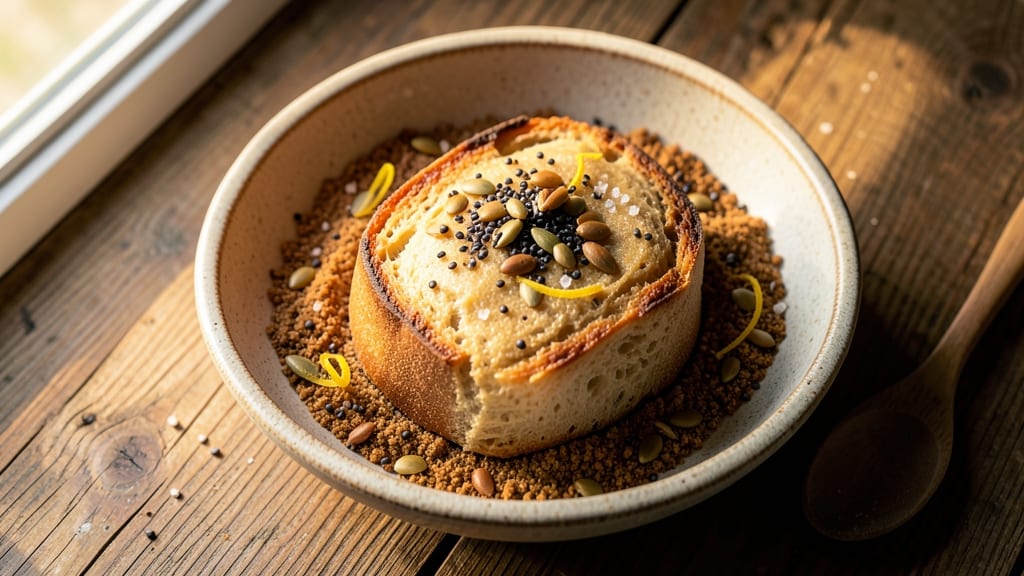
Ana's fasting bread recipe delivers a satisfying, seed-packed loaf that skips traditional grains while keeping texture crispy and flavor rich. This method draws from ancient fasting traditions, using almond flour and psyllium husk to create a loaf that's both sturdy and digestible—perfect for extended fasting periods or low-carb diets. The key lies in proper hydration and a slow bake to develop that signature crust.
The beauty of this recipe is its adaptability—it works for both religious fasting practices and modern low-carb lifestyles. With just 8 ingredients and 30 minutes of prep, you'll achieve a loaf that's hearty enough to serve as a main or side.
The seeds provide fiber and crunch, while the almond base keeps carbs minimal without sacrificing satisfaction.
What you'll end up with is a golden-brown loaf with a crisp exterior and tender interior, packed with nutty seeds that add texture and nutrition. The aroma alone will make your kitchen feel like a traditional bakery, though the process couldn't be simpler.
This bread holds its shape when toasted and pairs beautifully with soups, stews, or even as a base for open-faced sandwiches.
Best of all, this recipe scales effortlessly—make one loaf for your family or double the batch for meal prep. The dough comes together quickly, and the baking time is forgiving, making it ideal for both beginners and experienced bakers. Here's how to create your own fasting-friendly loaf.
Ingredients for ana's fasting bread
Eight simple ingredients transform into a golden, seed-studded loaf perfect for fasting or low-carb living.
| Ingredient | Amount | Notes |
|---|---|---|
| Almond Flour 🌰 | 2 cups | Finely ground, unsweetened |
| Psyllium Husk Powder 🌾 | 2 tbsp | Key for binding and texture |
| Sunflower Seeds 🌻 | ½ cup | Raw, unsalted for crunch |
| Flaxseeds 🌾 | ¼ cup | Ground for extra fiber |
| Chia Seeds 🌿 | 2 tbsp | Whole or ground |
| Warm Water 💧 | 1 ¼ cups | 105°F for optimal hydration |
| Apple Cider Vinegar 🍎 | 1 tbsp | Activates psyllium husk |
| Sea Salt 🧂 | 1 tsp | Fine grain preferred |
The almond flour is the foundation—Bob's Red Mill or Anthony's Goods brands stay fresh longer. Psyllium husk powder is non-negotiable for structure; Now Foods sells it in bulk online. Seeds should be raw and unsalted—Trader Joe's carries affordable options in bulk bins. Warm water activates the psyllium, so use a thermometer to hit 105°F. The vinegar isn't just flavor—it helps the psyllium bind properly. If you're sensitive to almonds, sunflower seed flour works as a 1:1 substitute, though texture may vary slightly.
No psyllium husk? Extra flaxseeds (3 tbsp) plus 1 tbsp guar gum can replace it, but texture will be denser. Running short on seeds? Pumpkin seeds or sesame seeds work well—just adjust to 3/4 cup total. The vinegar can be swapped for lemon juice at half the amount, though flavor shifts. For extra richness, add 1 tbsp melted coconut oil to the dough. Always measure seeds by volume after shaking the package—don't scoop directly from the bin or you'll overestimate.
This dough holds for 24 hours in the fridge, covered tightly. For best texture, let it sit at room temperature for 30 minutes before baking. The loaf keeps for 5 days wrapped in a clean kitchen towel to maintain crispness. Freeze slices for up to 3 months—toast straight from frozen. The crust stays crisp for 2 hours after baking if stored in an airtight container. For meal prep, slice and freeze entire loaves—just thaw overnight in the fridge.
Why You'll Love This Recipe
- Here’s what sold me: I use the same base ingredients for muffins, energy bites, and now bread. The psyllium husk powder is my secret weapon—it’s cheap, shelf-stable, and turns basic flours into something substantial. No wasted leftovers, either; whatever’s left gets blended into smoothies.
- No Mixer Needed: I swear by this recipe because it’s stir-and-go—just toss the almond flour, psyllium husk powder, and seeds in a bowl. The psyllium does all the work binding it together, so no kneading, no waiting for dough to rise. Honestly, I’ve made it while scrolling through my phone.
- Nutty Crunch Magic: Between the toasted sunflower seeds and flaxseeds, every bite has this satisfying texture—like a cross between a dense scone and a seed cracker. The chia adds a subtle chew, and the almond flour gives it a warm, buttery depth without any dairy. (Yes, even on a Tuesday night.)
- Meal Prep MVP: This bread stays fresh for days in the fridge—slice it, toast it, or eat it cold with avocado. I pack it for work because it’s hearty enough to replace sandwich bread but light enough to not weigh me down. Plus, the seeds keep it interesting slice after slice.
Step-by-step instructions for ana's fasting bread recipe
Here's the precise method to create a perfectly crusty, seed-rich low-carb loaf with minimal effort.
Mix Dry Ingredients Thoroughly
In a large mixing bowl, combine the 2 cups almond flour, 2 tbsp psyllium husk powder, 0.5 cup sunflower seeds, 0.25 cup flaxseeds, 2 tbsp chia seeds, and 1 tsp sea salt. Use a whisk to break up any clumps in the almond flour and distribute the seeds evenly throughout the mixture. The psyllium husk is crucial here—it will activate when wet to create that signature bread-like texture.
I like to press the seeds through my fingers slightly as I mix to ensure they're fully incorporated. This prevents pockets of seeds that might not bind properly during baking. The dry ingredients should look uniformly speckled with seeds, not clumpy. Set this mixture aside while you prepare the wet ingredients—this keeps everything moving efficiently.
Activate the Psyllium with Wet Ingredients
In a separate measuring cup, combine the 1.25 cups warm water (about 105°F) and 1 tbsp apple cider vinegar. The vinegar is essential—it helps activate the psyllium husk, creating that perfect binding texture. Let this mixture sit for 1 minute while you watch the psyllium begin to thicken slightly. You'll see it transform from a clear liquid to a gel-like consistency.
This activation step is what makes this bread hold together like traditional bread. If you use cold water, the psyllium won't activate properly, and your loaf will fall apart. The warm temperature and vinegar work together to create the perfect binding agent for this low-carb version.
Combine Wet and Dry Ingredients
Pour the activated psyllium mixture into the dry ingredients and stir vigorously with a wooden spoon or silicone spatula. You'll notice the mixture immediately begins to thicken and come together. Keep mixing for 2-3 minutes until you have a cohesive, slightly sticky dough that pulls away from the sides of the bowl.
The dough should be thick but workable—it won't be as elastic as traditional bread dough. If it's too dry, add 1 teaspoon more warm water. If it's too sticky, add 1 tablespoon more almond flour. The ideal consistency is somewhere between cookie dough and playdough. This is where the magic happens—the seeds and psyllium create a structure that mimics traditional bread.
Shape and Rest the Dough
Transfer the dough to a lightly greased 8x4-inch loaf pan (or similar size). Use a wet spatula to press it into the corners and smooth the top. The dough will naturally rise slightly as the psyllium continues to activate. Let it rest at room temperature for 15 minutes while you preheat your oven to 350°F. This resting period helps the dough set up properly before baking.
Don't skip this resting time—it allows the psyllium to fully hydrate and the dough to firm up slightly. If you try to bake it immediately, the bread might spread unevenly in the oven. The top should be smooth and slightly tacky after resting, indicating it's ready for the oven.
Bake to Golden Perfection
Place the loaf pan in the preheated oven and bake for 35-40 minutes, until the top is deep golden brown and a toothpick inserted in the center comes out clean. The bread should have a crisp crust and a tender, slightly crumbly interior—this is the hallmark of properly baked fasting bread.
I recommend checking at the 30-minute mark—ovens vary in temperature accuracy. If the top browns too quickly, tent the pan with foil to prevent over-browning while the center finishes baking. The bread is done when it sounds hollow when tapped on the bottom and has that beautiful golden crust. Let it cool in the pan for 10 minutes before removing—this prevents it from crumbling.
Pro Tips For Making Ana'S Fasting Bread
- Mix the psyllium last: After combining almond flour, seeds, and dry ingredients, stir in the psyllium husk powder just before adding liquid. I learned this the hard way—adding it early makes the dough gummy and hard to handle. The psyllium needs moisture to activate properly, so save it for the final mix.
- Toast seeds first: Spread sunflower, flax, and chia seeds on a dry skillet over medium heat for 3-4 minutes until they smell nutty. This step cuts bitterness and deepens flavor—something I skipped for years until I tasted the difference. Just don’t walk away; they burn fast.
- Press dough firmly: When shaping the loaf, don’t be gentle. Pack the dough into the pan with your hands or a spatula until it’s tight against the edges. I used to tap it lightly, but loose dough leads to cracks and a crumbly texture. Think "dense" not "fluffy."
- Rest the dough overnight: Skip the rush—let the batter sit in the fridge for 12-24 hours before baking. The psyllium and seeds absorb moisture better, and the texture becomes uniformly tender. I know, I know—it’s not instant, but it’s the thing that makes this bread actually hold together.
Make-ahead tips for ana's fasting bread
Dough Prep Ahead
Mix the dry ingredients and store them in an airtight container for up to 5 days—this is perfect for meal prep. When ready to bake, simply add the wet ingredients (water + vinegar) and proceed with the recipe.
I keep my dry mix in a glass jar in the pantry for convenience. The psyllium husk stays potent longer when stored this way. 💡
Baked Loaf Storage
Wrap the fully cooled loaf in a clean kitchen towel and store at room temperature for 5 days. The towel helps maintain crispness better than plastic wrap. For longer storage, slice the bread and freeze individual portions in quart-sized freezer bags—they toast beautifully straight from frozen.
Label bags with the date for easy tracking. ❄️
Freezer-Friendly Slices
Slice the baked loaf into ½-inch thick pieces and freeze on a parchment-lined tray for 1 hour before transferring to a bag. This prevents slices from sticking together. When ready to use, toast directly from frozen for 3-4 minutes at 375°F.
The crust stays crispy while the interior warms through perfectly. I do this for quick breakfasts during fasting weeks. 🔥
Batch Baking Tips
Double the recipe for two loaves—just use a 9x5-inch pan for the second batch. Bake both simultaneously on the middle rack for even cooking. I find this ideal for meal prep Sundays.
The dough consistency remains the same, so no adjustments are needed. Label your pans with baking times to avoid confusion. 📅
Reviving Stale Bread
If your bread loses crispness, revive it by wrapping in a damp towel and microwaving for 10-15 seconds. The steam rehydrates the crust slightly without making it soggy.
For extra crunch, broil for 1-2 minutes after microwaving. This works wonders for bread that's been sitting for a few days. ✨
Portion Control
Slice the loaf into 12 equal servings (about 2 inches per slice) for easy fasting portion tracking. Store portions in small airtight containers to maintain freshness.
I keep these in the fridge for up to 3 days—perfect for grab-and-go fasting meals. The smaller portions also help prevent overeating during fasting breaks. 💪
Nutrition facts
Frequently asked questions
Can I make this fasting bread without psyllium husk?
You can substitute psyllium with 3 tbsp extra ground flaxseeds plus 1 tbsp guar gum for binding, but your bread will be denser. The psyllium creates that signature light, bread-like texture—without it, the loaf may crumble more easily. If you're avoiding psyllium for dietary reasons, try xanthan gum (1/2 tsp) instead, though texture will differ slightly.
Why does my dough look too dry or too sticky?
If the dough is too dry, add 1 tsp more warm water and mix gently. Too sticky? Sprinkle in 1 tbsp almond flour and knead briefly. The ideal consistency is like thick cookie dough—workable but not elastic. Remember, psyllium activates with moisture, so small adjustments are normal. Let it rest 5 extra minutes if needed before baking.
How do I prevent the bread from crumbling when slicing?
Let the bread cool completely in the pan for 10 minutes after baking, then transfer to a wire rack. Avoid slicing for at least 2 hours—this gives the psyllium time to fully set. If it's still fragile, chill the loaf in the fridge for 30 minutes before slicing. For extra stability, brush the top with 1 tsp melted coconut oil before baking.
Can I add herbs or spices to this fasting bread?
Try 1 tsp dried rosemary or thyme with the dry ingredients for a savory twist, or 1/2 tsp cinnamon for a lightly sweet version. For garlic lovers, mix in 1 tbsp garlic powder with the seeds. Just reduce salt slightly if using salty seasonings. Keep additions to 1 tbsp total to maintain the bread's structure.
Is this bread suitable for gluten-free diets?
Yes, this recipe is naturally gluten-free since it uses almond flour and psyllium instead of wheat. However, always check your almond flour label—some brands process in gluten-free facilities but may contain traces. For extra safety, use certified gluten-free almond flour. The psyllium husk is also gluten-free, making this a great option for gluten-sensitive individuals.