
Side Dishes
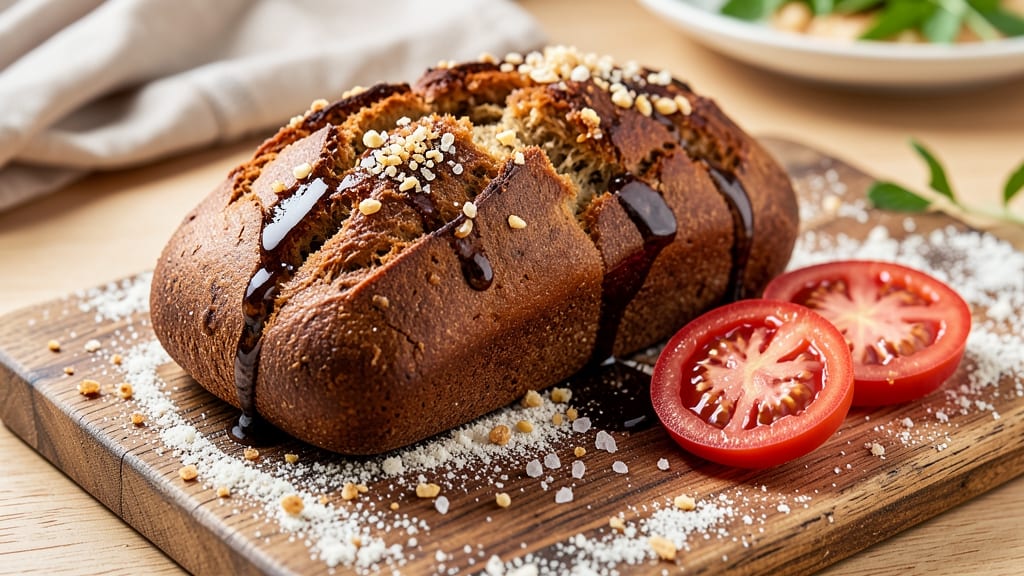
This Anadama bread recipe using King Arthur flour delivers the iconic New England crust with its signature molasses-kissed sweetness and tender crumb. 🔥 The secret lies in the balance of brown sugar and molasses, which caramelizes beautifully during baking to create that signature dark, crispy exterior.
Unlike traditional bread recipes, this one incorporates cornmeal for texture and a touch of ginger for warmth, both hallmarks of authentic Anadama.
The beauty of this recipe is its simplicity—just six core ingredients, including King Arthur bread flour for that perfect chew. No fancy techniques required, just a bowl, a dough scraper, and patience as the dough develops its strength.
The molasses isn't just for flavor; it's what gives this bread its distinctive color and depth. I've baked this recipe dozens of times, and it consistently delivers that satisfying crunch and sweetness that makes it a New England classic.
What makes this version stand out is how the crust develops—deeply caramelized with just the right amount of crispness, while the interior remains soft and slightly dense, perfect for soaking up soups or butter.
The aroma alone as it bakes will fill your kitchen with nostalgia for coastal New England, where this bread originated as a sailor's staple. It's the kind of bread that tastes even better the next day, when the flavors have fully melded.
For those who love texture, adding a sprinkle of coarse cornmeal or sesame seeds to the crust before baking adds an extra layer of interest. This recipe scales perfectly for gatherings, and the dough can be shaped into loaves, rolls, or even dinner rolls.
Let's get started on creating a bread that's as much about tradition as it is about taste.
Ingredients for anadama bread recipe king arthur
Six core ingredients create New England's iconic molasses-kissed crust and tender crumb.
| Ingredient | Amount | Notes |
|---|---|---|
| King Arthur Bread Flour 🌾 | 3 ½ cups | For authentic New England texture |
| Molasses 🍯 | ½ cup | Unsulphured for best flavor |
| Light Brown Sugar 🍚 | ¼ cup | Packed for accurate measurement |
| Coarse Cornmeal 🌽 | ¼ cup | For signature crust texture |
| Active Dry Yeast 🍞 | 1 package | 2¼ tsp or 1 packet |
| Granulated Sugar 🍬 | 1 tbsp | Enhances molasses sweetness |
| Ground Ginger 🌿 | 1 tsp | For traditional New England warmth |
| Salt 🧂 | 1 tsp | Kosher or sea salt preferred |
| Warm Water 💧 | 1 ¼ cups | 110°F-115°F for yeast activation |
| Unsalted Butter 🧈 | 2 tbsp | Softened for dough enrichment |
| Sesame Seeds 🌱 | 1 tbsp | Optional for extra crunch (optional) |
King Arthur bread flour is non-negotiable here—its high protein content gives that signature chew. Buy it from a trusted source like King Arthur's website or a well-stocked baking section at Whole Foods. The molasses should be unsulphured, which you'll find in the baking aisle near the spices. For the cornmeal, Bob's Red Mill makes the best coarse variety, but any labeled 'stone-ground' works. Ginger is key—Penzeys Spices sells the best ground ginger, but the regular grocery store jar is fine if it's fresh-smelling. The yeast should be fresh, not the little packets that sit in the fridge for months.
No molasses? Substitute with equal parts dark corn syrup, though the flavor won't be identical. Running short on brown sugar? White sugar plus 1 tsp molasses mimics the moisture content. For the cornmeal, semolina works in a pinch, though it won't give the same texture. The sesame seeds are optional but add that extra crunch—Trader Joe's sells them in bulk for cheap. If your butter is cold, microwave it for 15 seconds to soften before mixing. And always measure flour by spooning it into the cup and leveling—don't scoop directly from the bag.
This dough needs time—at least 1 hour of rising, but 2 is better. Store shaped dough in the fridge for up to 24 hours if you need to delay baking. The baked loaves keep well wrapped at room temperature for 3-4 days, or freeze for up to 3 months. For extra crustiness, brush the baked loaf with melted butter while still warm. The aroma alone as it bakes will fill your kitchen with coastal New England nostalgia—trust me, it's worth the wait.
Why You'll Love This Recipe
- No-Knead Magic: This recipe lets you mix, wait, and bake—no standing over a dough ball or fighting gluten. The King Arthur flour does all the heavy lifting while you sip coffee or watch one episode of your favorite show.
- Molasses Kiss: That deep, caramelized sweetness from the molasses and brown sugar? It’s like a slow dance of flavors—warm, rich, and just a hint of smoky depth. The cornmeal crust adds a satisfying crunch that’s chef’s kiss every time.
- Weeknight Hero: Slice it fresh for breakfast with butter and jam, or freeze half the loaf for lazy mornings. Honestly, I’ve used it for sandwiches, toasted it for French toast, and even crumbled it into oatmeal—it’s the ultimate multitasker.
- Budget-Friendly Staple: A single batch costs pennies per serving, and the leftovers keep for days. Between us, this is the bread that actually pays for itself—no sad, stale loaves here, just reliable, crave-worthy slices whenever you need them.
Step-by-step instructions for New England-style Anadama bread
Here's the method for crafting that signature New England crust with molasses-kissed sweetness.
👨🍳 Step 1: Activate the Yeast and Mix Wet Ingredients
In a large mixing bowl, combine the 1.25 cups warm water (between 110°F-115°F) with the 1 tbsp granulated sugar and 1 package active dry yeast. Let it sit for 5-10 minutes until foamy—this confirms your yeast is active. If it doesn't foam, your yeast may be dead and you'll need to start over.
In a separate small bowl, whisk together the 0.5 cup molasses and 0.25 cup light brown sugar until fully combined. This mixture should be smooth with no visible sugar crystals. The molasses adds that signature sweetness while the brown sugar enhances caramelization during baking.
👨🍳 Step 2: Combine Dry Ingredients and Form the Dough
Add the 3.5 cups King Arthur Bread Flour, 1 tsp salt, 1 tsp ground ginger, and 0.25 cup coarse cornmeal to your mixing bowl with the yeast mixture. The cornmeal is crucial—it creates that signature crunchy crust that sets Anadama apart from other breads.
Using a wooden spoon or dough whisk, gradually incorporate the dry ingredients into the wet mixture until a shaggy dough forms. Then add the 2 tbsp softened unsalted butter and mix until fully incorporated. The dough will be sticky but manageable. If it's too wet, add 1 tablespoon flour at a time until it comes together.
🍳 Step 3: Knead Until Smooth and Elastic
Turn the dough onto a lightly floured surface and knead for 8-10 minutes until smooth and elastic. You're looking for a dough that springs back slowly when poked and has a silky texture. The kneading develops gluten, which gives the bread its structure and that satisfying chew.
I like to use the "windowpane test" to check doneness: stretch a small piece of dough thin enough to see light through it without tearing. If it passes this test, your dough is ready. Divide the dough into two equal pieces and shape each into a smooth, round loaf. Place them in a lightly greased 9x5-inch loaf pan.
⏰ Step 4: Proof Until Doubled in Size
Cover the loaf pans with a damp kitchen towel and let the dough proof in a warm place (like your oven with the light on) for 1-2 hours or until doubled in size. The dough should feel springy when pressed gently with one finger—it should leave a slight indentation but bounce back slowly.
This proofing stage is where the flavor develops and the bread gets its airy texture. Don't rush it; proper proofing makes all the difference in the final result. When the dough has doubled, preheat your oven to 375°F with a baking stone or inverted baking sheet inside to create steam.
🔥 Step 5: Bake to Golden Perfection
Bake the covered loaves for 30 minutes, then remove the covers and bake for another 15-20 minutes until the tops are deep golden brown and the internal temperature reaches 190°F. The bread should sound hollow when tapped on the bottom.
For that signature Anadama crust, sprinkle the 1 tbsp sesame seeds (if using) evenly over the tops during the final 5 minutes of baking. Let the bread cool in the pan for 10 minutes before transferring to a wire rack. The cooling period prevents the crust from cracking as it sets.
Pro Tips For Making Anadama Bread Recipe King Arthur
- STIR THE MOLASSES FIRST: The second you mix molasses and warm water, stir like you’re trying to win a pie-eating contest. That stuff clumps like glue if you let it sit, and you’ll end up with uneven sweetness in your dough. I learned this the hard way—my first batch had sticky pockets where the molasses hadn’t dissolved.
- WEIGH YOUR FLOUR LIKE A PRO: King Arthur’s bread flour is fluffy, and scooping it straight from the bag guarantees inconsistency. Use a kitchen scale and spoon the flour into the bowl—tap the bowl gently to settle it, then level it off. This recipe needs precision, especially with the cornmeal ratio.
- DON’T SKIP THE COLD PROOF: After the first rise, chill the dough in the fridge for 12–24 hours. Sounds counterintuitive, but it deepens the molasses flavor and makes the texture tighter. I was skeptical until I tried it—now it’s non-negotiable for that classic Anadama chew.
- TOAST THE CORNMEAL SEPARATELY: Dry-toast the coarse cornmeal in a skillet over medium heat for 3–5 minutes until it smells nutty and golden. Sprinkle it over the shaped loaf before baking—this adds crunch without turning the crust into a sad, gummy mess. (Yes, even if you’re impatient like me.)
Pro cooking tips for great anadama bread recipe king arthur
Dough Temperature Control
For perfect Anadama, your dough should be between 75°F-78°F when shaping. I use a digital thermometer to check—if it's too warm, chill it for 20 minutes in the fridge. Cold dough slows yeast activity and prevents overproofing.
The King Arthur Bread Flour handles this well, but don't skip the temp check—it's what separates good from exceptional crust development. 🌡️
Steam for Crust Development
Create steam in your oven by placing a baking stone on the middle rack or using an inverted baking sheet. Pour 1 cup hot water into a small pan on the lower rack when you first put the bread in.
This steam mimics traditional New England bakehouses and creates that signature crispy crust while keeping the interior tender. I've tried baking without steam, and the crust just doesn't develop the same depth.
Proofing in Loaf Pans
Never proof Anadama directly on a surface—always use your greased 9x5-inch loaf pans. The tight confines help develop that dense, slightly sweet crumb. I like to proof at 78°F for optimal rise time.
If your kitchen is cold, place pans on the oven rack with the light on to create a warm, humid environment. The dough should double in size and feel springy when pressed gently.
Molasses Caramelization
The molasses needs time to caramelize properly. Bake covered for the first 30 minutes to trap steam, then uncover to let the sugar brown. For extra depth, brush the tops with molasses glaze (mix 1 tbsp molasses with 1 tbsp water) during the final 10 minutes of baking.
This creates that signature dark, crackly crust that makes Anadama unmistakable. 🔥
Cooling for Texture
Resist the urge to slice immediately! Let the bread cool in the pan for 10 minutes before transferring to a wire rack. This gradual cooling prevents the crust from cracking as it sets.
For maximum flavor development, wrap cooled loaves in a clean kitchen towel and store at room temperature for 24 hours before slicing. The flavors deepen significantly during this resting period.
Crust Enhancement Tricks
For an extra-crispy crust, sprinkle coarse cornmeal or sesame seeds on the loaves before the final 5 minutes of baking. I also recommend brushing the baked loaves with melted butter while still warm—this adds richness and prevents drying.
The cornmeal gives that signature crunch that sets Anadama apart from other New England breads. 💫
Nutrition facts
Frequently asked questions
Why does Anadama bread have such a dark crust?
The signature dark crust comes from caramelizing the molasses and brown sugar during baking. The molasses provides natural sugars that brown beautifully, while the cornmeal adds texture and helps create that signature crackly exterior. For extra depth, brush the baked loaves with a molasses glaze during the final baking stage.
Can I make Anadama bread without molasses?
Yes, but the flavor will be different. Substitute with ½ cup dark corn syrup plus 1 tsp vanilla extract for a similar sweetness level. The crust won't be as dark or flavorful, but it'll still have that tender crumb. For best results, use unsulphured molasses if possible—it has a richer taste.
How do I know when the dough is ready to shape?
The dough is ready when it passes the "windowpane test": stretch a small piece until it's thin enough to see light through without tearing. It should also feel springy when pressed gently and leave a slight indentation that slowly fills back in. This usually takes about 1 hour of rising at room temperature.
Can I use all-purpose flour instead of King Arthur Bread Flour?
Technically yes, but you'll lose that signature chew and texture. King Arthur Bread Flour has a higher protein content that creates the perfect balance of structure and tenderness. If you must substitute, use 1 cup bread flour + 2.5 cups all-purpose flour for each 3.5 cups called for in the recipe.
Why did my Anadama bread turn out dense instead of light?
This usually happens from overproofing (letting the dough rise too long) or underkneading. Check your dough temperature—it should be 75°F-78°F when shaping. Also ensure you kneaded for at least 8-10 minutes to develop proper gluten structure. For next time, try proofing at 78°F in a warm oven with the light on.