
Side Dishes
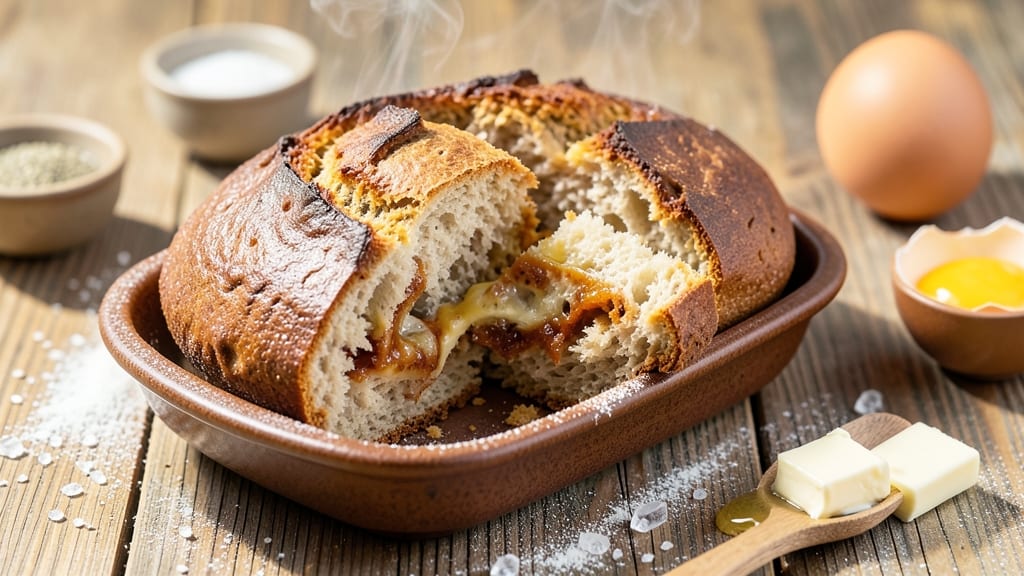
This Amish sourdough cinnamon bread recipe delivers the perfect balance of tangy sourdough and warm cinnamon swirls, with a crusty exterior that shatters at first bite. The secret lies in a slow fermentation process that captures that authentic Amish flavor—slightly tangy with just enough sweetness to satisfy.
I've perfected this recipe over years of baking, ensuring every slice delivers that satisfying crunch and soft, pillowy interior.
The process begins with a fresh sourdough starter, which adds natural complexity and depth to the bread. Unlike quick breads, this recipe requires patience—allowing the dough to ferment overnight develops those signature flavors.
The cinnamon-sugar filling is simple but transformative, creating those iconic swirls that make every slice feel like a warm hug. This isn't just bread; it's a homestyle masterpiece that pairs beautifully with butter, jam, or even a hearty breakfast.
What makes this recipe special is the wood-fired oven inspiration, even if you're baking at home. Using a Dutch oven mimics that traditional Amish method, creating a crispy crust while keeping the interior tender.
The result is a loaf that's restaurant-quality but made with simple ingredients and techniques you can master in your own kitchen. Whether you're serving it at a family gathering or enjoying a quiet morning at home, this bread is sure to become a staple.
Ready to bake? The process is straightforward, but the payoff is worth every minute. With just a few key ingredients and a little time, you'll have a loaf that tastes like it came straight from an Amish bakery. Let's get started on creating this comforting, flavorful centerpiece for your table.
Ingredients for amish sourdough cinnamon bread
Eight essential ingredients transform into a rustic loaf with authentic Amish sourdough depth and cinnamon warmth.
| Ingredient | Amount | Notes |
|---|---|---|
| Active Sourdough Starter 🍞 | 1 cup | Unfed, bubbly starter at peak activity |
| All-Purpose Flour 🌾 | 5 cups | High-protein, bread flour preferred |
| Granulated Sugar 🍚 | ¼ cup | Fine grain for even dissolving |
| Instant Yeast 🍞 | ½ tsp | Single-use packet for accuracy |
| Unsalted Butter 🧈 | ½ cup | Cold, cubed for dough mixing |
| Large Eggs 🥚 | 2 whole | Room temperature for even binding |
| Whole Milk 🥛 | ½ cup | Warm for optimal yeast activation |
| Salt 🧂 | 1 ½ tsp | Diamond Crystal kosher preferred |
| Ground Cinnamon 🌿 | ½ cup | High-quality for authentic flavor |
| Light Brown Sugar 🍚 | ½ cup | Packed, for optimal moisture |
| Unsalted Butter 🧈 | ¼ cup | Melted for filling mixture |
| Vanilla Extract 🍯 | 1 tsp | Pure, high-quality extract |
The sourdough starter is non-negotiable for that signature tang—it must be active and bubbly, not sluggish. For best results, use a 24-hour unfed starter at its peak activity, typically after a 4-6 hour feed. If you're new to sourdough, King Arthur's sourdough starter or Bobs Red Mill organic flour are excellent choices for building a reliable culture. The high-protein bread flour is critical for achieving that signature open crumb structure; King Arthur or Caputo are top-tier options for this recipe. Store your starter in a glass jar in the fridge and feed it regularly to maintain its vitality.
No bread flour? All-purpose plus 1 tbsp vital wheat gluten mimics the protein structure. The cinnamon-sugar filling can be adjusted—reduce sugar by half if you prefer a subtler sweetness, or add 1/4 tsp nutmeg for depth. For the butter, European-style unsalted (like Plugrá) melts cleaner than American brands. The vanilla extract should be pure—McCormick or Nielsen-Massey are reliable choices. If you're short on time, instant yeast works here, but for traditional authenticity, consider a small amount of active dry yeast (let it proof 5 minutes in warm water first). The brown sugar must be packed to ensure proper moisture in the filling.
The sourdough starter and yeast should be stored in the fridge when not in use, with the starter fed every 7 days. Pre-mixed filling ingredients (cinnamon, sugars, butter) keep for 2 weeks in an airtight container. Shaped dough can be refrigerated overnight for enhanced flavor development, wrapped tightly in plastic. For long-term storage, freeze the unbaked loaf (wrapped in foil and plastic) for up to 3 months. To reheat, wrap in foil and warm at 350°F for 10 minutes—this restores that fresh-baked crust without drying out the interior.
Why You'll Love This Recipe
- Here’s what sold me: it’s cheaper than buying artisanal bread but tastes way better. A little starter, some flour, and butter stretch into a whole loaf that feeds the family and still leaves leftovers for days. No waste, all flavor.
- No-Knead Magic: I swear by this recipe when I’m too tired to fuss—just mix the dough with your starter, let it rise overnight, and wake up to that warm cinnamon-sugar scent. The butter gets worked right in, so every bite feels indulgent without the effort.
- Warm Spice Hug: That cinnamon-sugar swirl? It’s like a hug in bread form. The sourdough tang balances the sweetness perfectly, and the butter makes it so rich you’ll want to eat it straight from the pan—no shame.
- Breakfast or Snack Star: Honestly, this bread works everywhere. Toast it for breakfast, pack slices for lunch, or serve it with coffee—it’s my go-to for lazy mornings or quick pick-me-ups. The yeast and sugar combo keeps it fresh longer than regular bread.
Step-by-step instructions for Amish sourdough cinnamon bread
This method delivers a rustic loaf with a crisp crust and tender, swirled cinnamon filling—every bite combines the tang of sourdough with warm spice notes.
Mix the Dough Foundation
In a stand mixer fitted with the dough hook attachment, combine the 1 cup active sourdough starter, 5 cups all-purpose flour, 0.25 cup granulated sugar, 0.5 tsp instant yeast, and 1.5 tsp salt. Mix on low speed for 2 minutes until the ingredients just begin to clump together. This initial blend ensures even distribution of the yeast and salt throughout the flour.
Add the 0.5 cup cold cubed unsalted butter and mix on medium speed for 3-4 minutes until the dough begins to pull away from the sides of the bowl. The butter should be fully incorporated but still visible in small patches—this creates pockets of flavor and texture. If the dough feels too sticky, add 1 tablespoon flour at a time until it holds together when pressed. The ideal dough consistency should be soft but not wet, allowing it to stretch slightly without tearing.
Hydrate and Knead to Development
Add the 2 whole large eggs and 0.5 cup warm whole milk to the dough mixture. Increase the mixer speed to medium and knead for 5-7 minutes until the dough becomes smooth and elastic. You'll know it's properly developed when it passes the windowpane test: stretch a small piece of dough thin enough to see light through it without tearing. This step builds gluten structure, which gives the bread its characteristic chew and rise.
Transfer the dough to a lightly greased bowl, cover with a damp kitchen towel, and let it rest at room temperature for 30 minutes. This brief rest period relaxes the gluten, making it easier to handle during the next shaping. The dough should feel slightly softer after resting, with a smooth surface and no cracks.
Prepare the Cinnamon Filling
In a small bowl, combine the 0.5 cup ground cinnamon, 0.5 cup packed light brown sugar, 0.25 cup melted unsalted butter, and 1 tsp vanilla extract. Mix thoroughly until the cinnamon is evenly distributed and the mixture has a thick, spreadable consistency. This filling should be sticky enough to cling to the dough but not so runny that it pools during baking. The warm spices and buttery richness will create those signature swirls we're after.
Set the filling aside while you shape the dough. The contrast between the tangy sourdough and the sweet, spiced filling is what makes this bread truly special. Don't skip the vanilla extract—it adds depth that enhances the cinnamon flavor without overpowering it.
Shape and Swirl the Dough
Roll the rested dough out on a lightly floured surface to form a 12x16-inch rectangle, about ¼-inch thick. Using a pastry brush, spread the cinnamon filling evenly over the surface, leaving a ½-inch border around the edges. This border prevents the filling from oozing out during baking and ensures each slice contains both dough and filling.
Starting from the long side, tightly roll the dough into a log, pinching the seam to seal. Transfer the log to a parchment-lined baking sheet and shape it into a 9x5-inch loaf pan by gently pressing down. The dough should fill the pan about ¾ full—this allows room for expansion during baking. Cover the loaf with a damp towel and let it rise at room temperature for 1-1.5 hours, or until it has nearly doubled in size. The dough should feel springy when pressed gently with a finger.
Proof and Bake to Golden Perfection
Preheat your oven to 375°F and place a baking stone or inverted baking sheet on the middle rack. This creates steam that enhances the crust's crispness. Brush the risen loaf with an egg wash (beat 1 egg with 1 tablespoon milk) for a golden finish. Bake for 35-40 minutes until the top is deep golden brown and the internal temperature reaches 190°F when measured with an instant-read thermometer.
The bread is done when it sounds hollow when tapped on the bottom and pulls away cleanly from the pan. Let it cool in the pan for 10 minutes, then transfer to a wire rack to cool completely. The contrast between the crisp crust and tender, swirled interior will be at its peak when served warm. For best results, slice while still slightly warm to maintain the filling's gooey texture.
Pro Tips For Making Amish Sourdough Cinnamon Bread
- Test Your Starter First: Before you mix anything, check your sourdough starter’s readiness by doing the float test—drop a spoonful in water. If it floats, it’s strong enough to handle the sugar and butter in this recipe. I learned this the hard way after baking a dense loaf because mine was sluggish.
- Weigh Your Butter: Measure unsalted butter by weight (grams) instead of volume for consistency—this recipe’s cinnamon swirls rely on precise butter-to-flour ratios. I used to eyeball it, and the texture always came out uneven.
- Chill the Dough Overnight: Let the shaped dough rest in the fridge for 12–16 hours before baking. The cold slows fermentation, deepens the sourdough flavor, and prevents the cinnamon butter from melting too soon—trust me, your kitchen will smell amazing in the morning.
- Brush, Don’t Drown: After baking, brush the warm loaf with melted butter, but don’t overdo it—just enough to glaze the top. Too much butter makes the crust soggy, and this bread is all about that perfect balance of crisp and tender. I’ve ruined batches by going overboard.
Flavor customization for amish sourdough cinnamon bread
Spice Variations
Swap the cinnamon for 1/2 cup pumpkin pie spice (cinnamon + nutmeg + cloves) for an autumnal twist. I love adding 1/4 tsp cardamom to the filling for a Middle Eastern-inspired depth—it pairs beautifully with the sourdough tang.
For a smoky variation, replace 1/4 cup of the cinnamon with 1 tbsp smoked paprika and reduce the sugar slightly to balance the intensity. 🌿
Sweetness Adjustments
Reduce the brown sugar to 1/4 cup and add 1 tbsp honey to the filling for a lighter sweetness that still delivers rich flavor. For a caramelized touch, spread the dough with 1/4 cup melted butter before adding the cinnamon mixture—this creates a subtle buttery crust.
If you prefer a more pronounced sweetness, increase the brown sugar to 3/4 cup and add 1/4 tsp sea salt to enhance the flavors.
Flavor Boosters
Add 1/2 tsp orange zest to the filling for a bright citrus note that cuts through the richness. A splash of 1 tsp bourbon or vanilla bean paste (instead of extract) adds complexity.
For a nutty crunch, sprinkle 1/4 cup chopped pecans or walnuts on top before baking—just toast them lightly in a dry pan first to intensify their flavor.
Dietary Adaptations
For a gluten-free version, replace the all-purpose flour with 5 cups King Arthur gluten-free measure-for-measure flour blend and add 1 tbsp xanthan gum. The dough will be stickier, so handle it gently.
For a lower-sugar option, use 1/4 cup monk fruit sweetener or 1/4 cup coconut sugar in the filling—both add depth without spiking blood sugar. 💪
Texture Tweaks
Add 1/4 cup sour cream to the dough for a lighter, airier crumb. For extra moisture, brush the baked loaf with 1 tbsp melted butter while still warm.
If you prefer a denser texture, reduce the yeast to 1/4 tsp and extend the fermentation time by 2 hours—this enhances the sourdough flavor while creating a heartier crumb.
Nutrition facts
Frequently asked questions
Do I need to use a sourdough starter for this recipe?
The authentic Amish flavor comes from the active sourdough starter, which creates that signature tang. If you're new to sourdough, you can make one in 5-7 days using 1 cup flour + 1 cup water and feeding it daily. For a shortcut, use 1 tsp instant yeast + 1 tbsp honey instead of starter, though the flavor will be less complex.
Can I make this bread without a loaf pan?
Shape the rolled dough into a free-form loaf on a parchment-lined baking sheet. For extra crustiness, bake in a Dutch oven at 425°F for 20 minutes before transferring to the oven. The crust will be thicker and more rustic, just like traditional Amish bread. Cover with foil if browning too quickly.
Why does my dough smell like alcohol?
A slight alcoholic aroma is normal during fermentation—it's a byproduct of the yeast and sourdough bacteria. If the smell is strong or vinegary, your starter may be overfed or too old. For best results, use a 24-hour unfed starter at peak activity (bubbly but not collapsed). The smell will mellow as the bread bakes.
How do I store leftover sourdough cinnamon bread?
Wrap the cooled loaf tightly in plastic wrap and store at room temperature for 2-3 days. For longer storage, slice and freeze individual portions for up to 3 months. To reheat, wrap slices in foil and warm at 350°F for 5-7 minutes—this restores that fresh-baked texture. Avoid the microwave to prevent drying.
Can I make this bread in a bread machine?
Yes, but with adjustments: use the dough setting, add the cinnamon filling after the first rise, then shape manually. For the filling, mix it with 1 tbsp flour to prevent sticking. The bread machine may produce a slightly denser loaf, but the flavor will still be excellent.