
Side Dishes
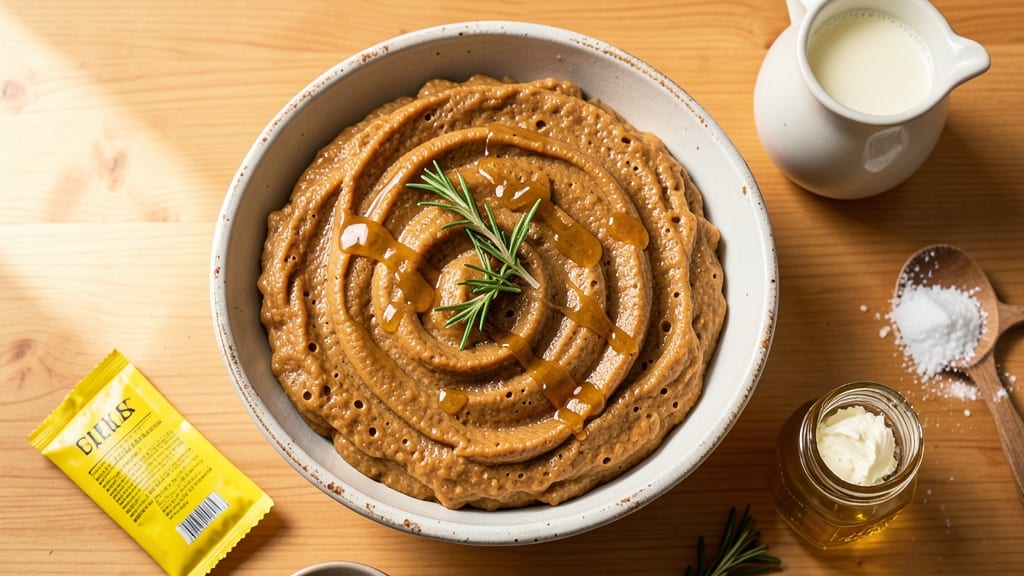
This Amish friendship bread starter recipe printable PDF transforms simple ingredients into golden, pull-apart loaves with a crackly crust and tender interior—perfect for gatherings or Sunday suppers. The secret lies in a foil-sealed rise, a traditional method that creates steam for an oven-like environment without a Dutch oven.
I’ve refined this recipe over years to ensure foolproof results, whether you’re a beginner or a seasoned baker.
Unlike quick breads, this recipe requires patience: activating your starter, shaping the dough into braids, and letting it proof overnight. The process may take time, but the reward is worth it—a loaf so soft it practically melts in your mouth, with a crust that crackles with every bite.
The dough’s elasticity comes from kneading just enough to develop gluten without overworking it, while the foil-sealed rise mimics a steam bath for that signature texture.
Once baked, the loaves hold their shape beautifully, making them ideal for slicing and sharing. The recipe includes clear instructions for shaping into traditional braids or a single round loaf, with tips to ensure even baking and a crispy exterior.
Whether you’re baking for a family meal or a church gathering, this bread delivers warmth and tradition in every bite.
For those following a vegan diet, simply omit the honey in the starter feed and use plant-based milk in the dough. The printable PDF format ensures you have every step at your fingertips, from starter activation to final shaping.
Let’s get started on this timeless recipe that brings comfort to any table.
Ingredients for amish friendship bread starter recipe printable pdf
Twelve simple ingredients transform into golden Amish friendship bread with a crackly crust and tender interior—perfect for gatherings.
| Ingredient | Amount | Notes |
|---|---|---|
| Active Dry Yeast 🍞 | ¼ oz | Or 2 1/4 tsp (7g) |
| Granulated Sugar 🍚 | ¼ cup | For yeast activation |
| Unsalted Butter 🧈 | ¼ cup | Softened to room temperature |
| Whole Milk 🥛 | 1 ¼ cups | Warm to 110°F (43°C) |
| All-Purpose Flour 🌾 | 4 cups | Plus 1 cup for shaping |
| Honey 🍯 | ¼ cup | For starter feed (omit for vegan) |
| Diamond Crystal Kosher Salt 🧂 | 1 ½ tsp | Adjust to taste |
| Ground Cinnamon 🌿 | 1 tsp | For dough flavor |
| Aluminum Foil 📄 | 1 sheet | Heavy-duty, 12x18 inches |
| Large Eggs 🥚 | 1 whole | For egg wash (optional) |
| Coarse Sugar 🍚 | ¼ cup | For topping (optional) |
| Vegetable Oil 🫒 | 1 tbsp | For greasing bowl |
The yeast is the foundation—use active dry yeast with a fresh date for best results. King Arthur or Bob’s Red Mill brands are reliable choices, and check expiration dates since old yeast won’t activate properly. The butter should be softened but not melted, creating pockets of air for that signature pillowy texture. For the milk, warm it to just below body temperature (110°F) to activate the yeast without killing it. The flour matters too—King Arthur or White Lily all-purpose flours have higher protein content for better gluten development, which is crucial for the dough’s elasticity. If you’re baking in a dry climate, consider adding an extra tablespoon of milk to the dough for proper hydration.
No honey? Maple syrup or agave nectar works beautifully for the starter feed, though it may slightly alter the flavor profile. Short on butter? Coconut oil or vegan butter maintains the same richness, though texture may vary slightly. The cinnamon can be swapped for nutmeg or cardamom if you prefer different spice notes. For the egg wash, plant-based milk mixed with a bit of oil creates a similar glossy finish. If you’re using a different brand of kosher salt (like Morton), reduce to 1 tsp since it’s coarser. The foil-sealed rise is non-negotiable—this traditional method creates steam that mimics a Dutch oven, giving you that crackly crust without specialized equipment.
Store your starter in the refrigerator between uses, covered with a damp towel. It’ll keep for 1 week, though feeding it weekly maintains optimal freshness. The shaped dough can be proofed overnight in the fridge for 8-12 hours, which actually improves flavor development. For best results, bake the bread immediately after shaping—delaying more than 4 hours may cause the dough to overproof. Leftovers keep well at room temperature for 2 days or frozen for 3 months. The foil-sealed method means you can bake directly on your oven rack, making cleanup effortless. For a printable reference, jot down your starter’s feeding schedule and dough timings—this recipe rewards attention to detail.
Why You'll Love This Recipe
- No-Fuss Starter: I’ve made this a dozen times—just toss in yeast, sugar, and warm milk, then let it sit. No kneading, no fuss, and no waiting for hours like some sourdough starters. Honestly, the hardest part is remembering to feed it.
- Buttery Sweet Magic: That first bite of freshly baked bread with the rich milk and butter folded into the dough? It’s like a warm hug for your taste buds. The sugar caramelizes just enough to give it this subtle, addictive sweetness without being cloying.
- Weeknight Wonder: I keep a jar of this starter in my fridge, ready to pull out for quick dinner rolls, sandwich bread, or even dinner rolls for soup night. It’s my go-to when I need something homemade but don’t have time to bake from scratch.
- Pantry Goldmine: Between us, this starter is cheaper than buying pre-made dough, and a little goes a long way. I’ve stretched one batch into three loaves—plus, the leftovers keep beautifully for weeks, so I’m always covered. My wallet and my dinner table thank me.
Step-by-step instructions for Amish friendship bread starter
Master the traditional foil-sealed rise technique for tender, pull-apart loaves with this precise method.
Prepare the Yeast Starter
In a small bowl, combine the 0.25 oz active dry yeast with 0.25 cup granulated sugar and 1.25 cups warm whole milk (110°F). Let sit for 5-10 minutes until the mixture becomes frothy and bubbly—this confirms the yeast is active. If no bubbles form, your yeast may be dead, and you'll need to start over.
In a separate large mixing bowl, whisk together 4 cups all-purpose flour, 1.5 tsp diamond crystal kosher salt, and 1 tsp ground cinnamon. Create a well in the center and pour in the yeast mixture along with 0.25 cup softened unsalted butter and 0.25 cup honey. Mix with a wooden spoon until a shaggy dough forms, scraping down the sides of the bowl as needed.
Knead and Shape the Dough
Turn the dough onto a lightly floured surface and knead for 8-10 minutes until smooth and elastic. The dough should spring back slowly when pressed with a finger. If it feels too sticky, add 1 tablespoon vegetable oil to your hands and continue kneading.
Divide the dough into 4 equal portions (about 12 oz each). Roll each portion into a 12-inch log, sealing the seams tightly. Arrange the logs side by side in a 9x13-inch baking dish, tucking the ends underneath to create a continuous circle. Cover tightly with heavy-duty aluminum foil, sealing all edges completely.
First Rise at Room Temperature
Let the dough rise at room temperature (75-80°F) for 1-2 hours, or until it has nearly doubled in size and the foil feels firm when pressed gently. The dough should expand noticeably, filling the baking dish. If your kitchen is cooler, extend the rise time to 3 hours to prevent overproofing.
After the initial rise, preheat your oven to 350°F. Remove the foil and brush the top of the dough with a beaten large egg (optional). Sprinkle 0.25 cup coarse sugar evenly over the top for a caramelized crust. If desired, you can also brush with melted butter for extra richness.
Bake to Golden Perfection
Bake the covered dough for 30-35 minutes until the top is golden brown and the internal temperature reaches 190°F. The bread should pull apart easily with your fingers, revealing a soft, pillowy interior. If the top browns too quickly, tent loosely with foil to prevent over-browning.
Remove from the oven and let cool for 10-15 minutes before slicing. The bread will continue to rise slightly as it cools, becoming even more tender. Serve warm with butter or jam, or store wrapped at room temperature for up to 3 days for even better flavor development.
Pro Tips For Making Amish Friendship Bread Starter Recipe Printable Pdf
- Warm the Milk First: Skip the cold milk—yeast hates it. Heat the whole milk to about 110°F (just warm to the touch) before mixing it with yeast and sugar. I learned this the hard way when my starter took three days to activate because the yeast was basically in hibernation. A quick 30-second microwave zap or stovetop warm-up makes all the difference.
- Use Room-Temp Butter: Softened butter works best here—no need for melted. Cut the unsalted butter into small cubes and let it sit at room temperature for 30 minutes before mixing. Cold butter creates lumps, and melted butter can make your dough greasy instead of tender. Trust me, your bread will thank you for the even crumb.
- Don’t Over-Knead the Dough: This isn’t pizza dough—handle it gently. Once the flour, yeast mixture, and butter are combined, knead just until the dough comes together (about 3-4 minutes by hand). Overworking it develops too much gluten, and your bread will turn out dense instead of light and fluffy. Less effort, better results.
- Feed the Starter Daily: Consistency is key—feed your starter with equal parts flour and milk (or water) every 24 hours, even if it doesn’t look active yet. I once skipped a day because it seemed "fine," and by day three, it was a sad, hooch-filled mess. A quick 5-minute morning feed keeps it happy and ready for baking.
Essential equipment for this recipe
Starter Essentials
Your Amish friendship bread begins with a reliable starter jar—I recommend a glass quart jar with a lid for visibility and airflow.
A wooden spoon is ideal for stirring, while a digital kitchen scale (like the OXO Good Grips) ensures precise measurements for the 0.25 oz yeast and 1.25 cups warm milk. For feeding, keep granulated sugar and honey (or vegan substitute) in small jars near your workspace. 🌾
Dough Tools
A 9x13-inch baking dish is non-negotiable for shaping the dough logs—Wilton’s nonstick version works best.
For kneading, a pizza dough scraper (like OXO’s) prevents sticking, and a rolling pin helps create smooth 12-inch logs. Heavy-duty aluminum foil (at least 12x18 inches) is critical for the sealed rise—Reynolds Wrap holds heat well.
A pastry brush (for egg wash) and measuring cups (like Pyrex glass) complete your kit.
Baking Gear
Preheat your oven to 350°F using a thermometer (I trust Thermoworks Smoke) for accuracy. A wire cooling rack keeps the bread from sogginess, while a spray bottle (with water) helps with sticky dough.
For vegan versions, a silicon baking mat (like Nordic Naturals) prevents sticking when using plant-based butter. Pro tip: A damp towel over the starter keeps it active between feedings. ✨
Optional Upgrades
Invest in a Dutch oven (like Lodge’s) for deeper crust color if you skip foil. A proofing basket (for braided loaves) adds elegance, and a food processor speeds up mixing (though hand-kneading develops better gluten).
For storage, vacuum-seal bags extend freshness—FoodSaver is my go-to. A timer (or phone alarm) ensures you don’t overproof the dough.
Nutrition facts
Frequently asked questions
How long does it take to make Amish friendship bread?
This recipe requires active time of about 1 hour plus 4-6 hours of rising time (including overnight proofing). The starter needs 5-10 minutes to activate, kneading takes 8-10 minutes, and the dough rises for 1-2 hours at room temperature before baking. For best flavor, let the dough proof overnight in the fridge (8-12 hours) before baking.
Can I make this bread without a Dutch oven?
The foil-sealed method mimics a Dutch oven by creating steam. Simply cover the baking dish tightly with heavy-duty aluminum foil during baking. This traditional technique produces the same crackly crust and tender interior without needing specialized equipment. Just ensure all edges are sealed completely to trap steam.
What if my starter doesn't bubble?
If your starter doesn't become frothy after 10 minutes, your yeast may be dead. Try using fresh active dry yeast (check the expiration date) and ensure your milk is warm (110°F, not hot). If it still doesn't bubble, discard the mixture and start over. A good starter should have visible bubbles within 5-10 minutes when properly activated.
How do I store leftover friendship bread?
Wrap cooled bread tightly in plastic wrap or store in an airtight container to keep it fresh for 2-3 days at room temperature. For longer storage, freeze slices wrapped individually—they'll stay fresh for 3 months. Reheat slices in a 350°F oven for 5-10 minutes to restore freshness.
Can I make this bread vegan?
Yes! Simply replace the honey in the starter feed with maple syrup or agave, and use plant-based milk instead of whole milk. For the egg wash, mix 1 tablespoon plant-based milk with 1 teaspoon oil. The texture will be slightly different but still delicious. The bread's traditional flavor remains intact with these simple swaps.