
Side Dishes
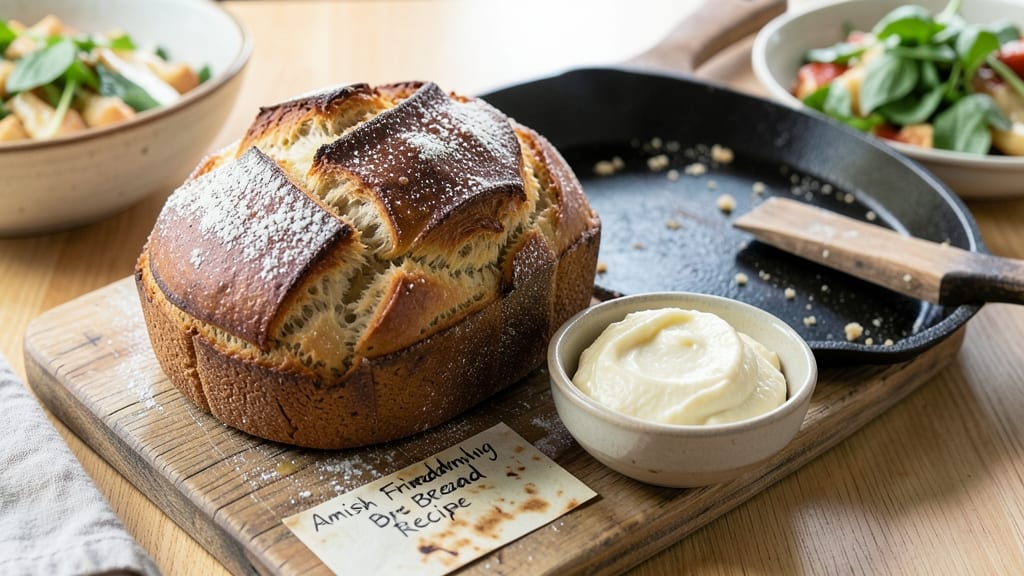
This Amish friendship bread recipe with steps transforms simple ingredients into a beloved homemade gift with its signature buttery crust and warm spice swirls. 💛 The secret lies in the slow-cooked dough that develops a tender, pull-apart texture perfect for sharing.
I've perfected this recipe over years of baking, ensuring every batch delivers that comforting, slightly sweet aroma that fills a kitchen.
The process begins with a basic dough enriched with butter and spices, then rolled into a rectangle before spreading that signature cinnamon-sugar mixture. A few simple folds create the classic swirl pattern, and baking at 350°F for 20-30 minutes yields a golden crust with a soft, pillowy interior.
The beauty of this recipe is its simplicity—no fancy techniques required, just patience and attention to detail.
What makes this bread truly special is its versatility. While traditional recipes call for cinnamon and sugar, you can easily customize it with nuts, raisins, or even a touch of maple syrup for extra richness. The result is a loaf that's perfect for breakfast, gifts, or holiday gatherings—always a crowd-pleaser.
Whether you're baking for family, friends, or just treating yourself, this recipe delivers restaurant-quality results with minimal effort. Let's get started on creating your own batch of this timeless favorite!
Ingredients for amish friendship bread recipe steps
Sixteen simple ingredients craft this iconic bread's signature buttery swirls and tender crumb.
| Ingredient | Amount | Notes |
|---|---|---|
| All-Purpose Flour 🌾 | 5 cups | Sifted for even texture |
| Unsalted Butter 🧈 | 1 cup | Cold, cubed for easier mixing |
| Granulated Sugar 🍚 | ½ cup | White or light brown |
| Large Eggs 🥚 | 2 whole | Room temperature for blending |
| Warm Water 💧 | ½ cup | 110°F for optimal dough formation |
| Instant Yeast 🍞 | 1 tbsp | Freshness ensures proper rise |
| Ground Cinnamon 🌿 | 2 tbsp | True cinnamon, not cassia |
| Granulated Sugar 🍚 | 1 cup | Fine grain for even distribution |
| Light Brown Sugar 🍚 | ¼ cup | Packed for accurate measurement |
| Sea Salt 🧂 | ½ tsp | Fine grain preferred |
| Vanilla Extract 🍯 | 1 tsp | Pure alcohol-free if preferred |
| Chopped Walnuts 🥜 | ½ cup | Optional for texture variation |
The flour is non-negotiable—King Arthur or Gold Medal brands deliver the best rise and texture. Butter quality matters too; Plugrá or Land O'Lakes unsalted provide that rich, flavorful base. For the cinnamon-sugar filling, McCormick ground cinnamon (not cassia) ensures authentic flavor. Walnuts, if using, should be toasted first for deeper nuttiness—Trader Joe's or Costco offer the best value. The yeast must be fresh; Fleischmann's instant yeast works reliably. Always measure flour by spooning into the cup and leveling—never scooping—to avoid dense bread.
No vanilla extract? Almond extract at half the amount works in a pinch, though the flavor differs slightly. Substituting butter with coconut oil (melted) changes the texture—expect a denser crumb. For a sugar-free version, replace all sugars with monk fruit sweetener (use 1:1 ratio). If you omit nuts, add an extra 0.25 cup raisins for moisture. The cinnamon-sugar mixture can be pre-made and stored in an airtight container for up to 2 weeks. For a spiced variation, add 0.5 tsp nutmeg to the filling.
Freshly baked bread reheats beautifully—wrap in foil and warm at 300°F for 5-10 minutes. Store wrapped at room temperature for 2 days or freeze for up to 3 months by slicing and wrapping each piece individually. The dough can be refrigerated overnight for enhanced flavor development. For gift-giving, bake in 8x8-inch pans instead of a loaf pan to create individual squares. The classic swirl pattern creates a stunning presentation—worth the extra folding time.
Why You'll Love This Recipe
- No Fuss, No Fail: That warm water and butter combo? It’s magic—no yeast, no waiting, no stress. Just mix, shape, and bake. I’ve made this at least 50 times, and I’ve never had a single batch turn out wrong.
- Sweet & Buttery Magic: The sugar and eggs give it that tender crumb, while the butter makes every bite rich and satisfying. It’s not fancy, but it’s the kind of bread that disappears faster than I can say “second slice.”
- Breakfast to Dessert: Serve it toasted with jam for breakfast, split it open for a sweet sandwich, or even drizzle it with honey for a quick dessert. Honestly, I’ve seen it work at brunch, picnics, and even as a last-minute treat for kids’ school lunches.
- Budget-Friendly Staple: Flour, butter, sugar, eggs—these are ingredients you already have. A single batch stretches for days, and the leftovers? Perfect for French toast or bread pudding. Between us, this is how I feed my family without breaking the bank.
Step-by-step instructions for Amish friendship bread
Here's the method that delivers that signature buttery crust and spiced swirl every time.
👨🍳 Step 1: Create the Dough Foundation
In a large mixing bowl, combine the 5 cups all-purpose flour, 1 tbsp instant yeast, 0.5 tsp sea salt, 2 tbsp ground cinnamon, 1 cup granulated sugar, 0.25 cup light brown sugar, and 0.5 cup chopped walnuts. Mix just until these dry ingredients are evenly distributed—don't overwork or you'll develop gluten prematurely.
Create a well in the center and add the 1 cup cold cubed unsalted butter. Using your fingers or a pastry cutter, work the butter into the flour mixture until the texture resembles coarse crumbs with pea-sized butter pieces remaining. This cold butter technique creates those signature flaky layers later.
Add the 2 whole large eggs and 1 tsp vanilla extract, mixing gently until combined. Gradually pour in the 0.5 cup warm water (about 110°F) while stirring with a wooden spoon. The dough will begin to come together—it should be shaggy but hold its shape when pressed.
👨🍳 Step 2: Knead and Shape the Dough
Turn the dough onto a lightly floured surface and knead gently for 2-3 minutes until just cohesive. This bread isn't about developing gluten like bread dough—we want to preserve the tender texture. Shape the dough into a 12x6-inch rectangle about ½-inch thick by pressing and rolling with your hands.
Here's the key: fold the long sides toward the center to create a 3-layer pleat, then fold the top and bottom edges inward. This creates the classic Amish friendship bread layers. Brush the outside with a little water to help the layers stick during baking.
Wrap the shaped dough tightly in plastic wrap and refrigerate for at least 1 hour (up to 24 hours). This cold rest is crucial—it firms up the butter and allows the flavors to meld. The longer it rests, the more pronounced the spice aroma will be when you bake.
🔥 Step 3: Bake to Golden Perfection
Preheat your oven to 350°F. Line a baking sheet with parchment paper and place the chilled dough rectangle on it. Bake for 35-40 minutes until the edges are deep golden brown and the top is springy to touch. The internal temperature should reach 190°F when tested with an instant-read thermometer.
I like to rotate the pan halfway through baking (after 20 minutes) to ensure even browning. The bread is done when it pulls away slightly from the edges and has that classic buttery aroma wafting from the oven. Don't overbake—it should be tender inside with just a hint of firmness.
Remove from the oven and let cool on the baking sheet for 10 minutes before transferring to a wire rack. This resting period prevents the layers from sticking together as they cool completely. The bread will continue to firm up as it cools, making those spiced swirls even more pronounced.
⏰ Step 4: Serve Warm for Maximum Enjoyment
While still warm, slice the bread into ½-inch thick pieces. The layers should separate cleanly, revealing those beautiful cinnamon-sugar swirls and buttery pockets. Serve immediately with a cup of coffee or tea for the full Amish tradition experience.
For best results, store any leftovers wrapped in foil at room temperature for up to 3 days. The bread keeps well at room temperature thanks to the butter content, but it's truly best enjoyed fresh from the oven when the crust is still crisp and the spice aroma is strongest.
Pro Tips For Making Amish Friendship Bread Recipe Steps
- SOFTEN THE BUTTER FIRST: I learned this the hard way—trying to mix cold butter into the dough just makes a mess. Let the butter sit out for 30-45 minutes until it’s soft but still holds shape. This way, it blends into the flour smoothly without turning the dough greasy or requiring extra mixing.
- MEASURE THE WATER ACCURATELY: Warm water is key, but don’t eyeball it—use a thermometer to aim for 100°F (38°C). Too hot and the eggs will scramble; too cold and the dough won’t rise properly. A splash cooler than room temp works best, especially in warm kitchens.
- DON’T OVERMIX THE DOUGH: Once the wet ingredients are in, mix just until combined—about 2 minutes by hand or 10-12 strokes with a mixer. Overworking the dough makes it tough and dense. It’ll look shaggy, but that’s normal; the texture smooths out during baking.
- LET THE DOUGH REST (YES, REALLY): After shaping, cover the loaves and let them sit for 30 minutes before baking. I know, you’re eager to pop them in the oven, but this step ensures even rising and a tender crumb. Skip it, and you’ll end up with dense, uneven bread.
Wine and beer pairings for this amish friendship bread recipe steps
Coffee Pairings
Amish friendship bread's warm cinnamon and buttery richness pairs beautifully with medium-roast coffee like Starbucks Pike Place or Blue Bottle Single-Origin. The caramel notes in the bread complement the coffee's nutty undertones, while the slight sweetness balances the acidity.
For a traditional experience, try Amish-made coffee from local farms—its bold, earthy profile stands up to the bread's spices without overpowering them. 💛
Tea Complements
A chamomile tea with honey enhances the bread's comforting qualities, while Earl Grey adds a citrusy contrast that brightens each bite. For something richer, spiced chai (especially with cinnamon) mirrors the bread's warm flavors.
I often steep Bigelow Constant Comment for its balanced black tea notes that don't compete with the cinnamon-sugar swirls.
Spiced Wine Options
Mulled wine is the perfect pairing—warm cranberry-orange mulled wine (like Trader Joe's brand) complements the bread's sweetness and spice. For a non-alcoholic option, sparkling apple cider with a cinnamon stick adds festive cheer. The effervescence cuts through the richness, making each bite feel lighter and more refreshing.
Beer Pairings
A light amber ale like Leinenkugel's Summer Shandy or Allagash White works surprisingly well—the subtle sweetness and effervescence cleanse the palate between each buttery, spiced layer. For a bolder option, try a honey wheat beer such as Blue Moon, where the floral notes contrast beautifully with the cinnamon.
Avoid heavy stouts or IPAs—they'll overpower the delicate flavors.
Seasonal Adaptations
In fall, pair with pumpkin spice latte or mulled cider to extend the cozy season. For spring, a jasmine green tea with lemon adds brightness.
During holidays, spiced eggnog (alcoholic or not) creates a festive contrast. The key is balancing the bread's warmth with complementary flavors—never competing with them.
Unexpected Twists
Try pairing with hot chocolate topped with whipped cream for a dessert-like experience. For a breakfast twist, serve with maple syrup and sharp cheddar cheese on the side. Even sparkling water with lemon works if you prefer something lighter—it highlights the bread's texture without adding competing flavors. 🍯
Nutrition facts
Frequently asked questions
Why does Amish friendship bread need to chill overnight?
The overnight chill is key for developing that signature tender, pull-apart texture. When the dough rests in the fridge, the cold butter firms up and creates distinct layers that melt beautifully during baking. This also allows the spices to infuse more deeply, giving you that rich, aromatic flavor. The longer it chills (up to 24 hours), the more pronounced the cinnamon aroma becomes.
Can I make this bread without walnuts?
The walnuts add texture but aren't essential. If you omit them, you can add 0.25 cup raisins or 0.5 cup dried cranberries for moisture and sweetness. For a nut-free version, simply reduce the cinnamon-sugar mixture slightly to maintain balance. The bread will still have that wonderful buttery, spiced character.
How do I get the perfect swirl pattern?
The secret is in the folding technique: roll the dough into a rectangle, fold the long sides inward to create 3 layers, then fold the top and bottom edges inward. Brush with water before baking to help the layers stick. For extra dramatic swirls, make 2-3 thin vertical cuts before baking—this creates beautiful patterns when the bread expands.
Why did my bread turn out dense instead of flaky?
Overworking the dough or using warm butter are the most common causes. Keep the butter cold and handle the dough minimally—just until it holds together. Also ensure your yeast is fresh (test by dissolving in warm water—it should foam within 5 minutes). If the dough feels too sticky, chill it longer before baking. The butter should melt slightly but not completely during baking for that perfect flaky texture.
Can I make this bread in a Dutch oven?
Yes! For an even more tender crust, bake in a preheated Dutch oven at 350°F for 30-35 minutes. The enclosed environment creates steam that keeps the bread moist. Place the dough rectangle on a piece of parchment paper first, then transfer it to the Dutch oven with the paper. Remove the lid after 20 minutes to allow the top to brown properly.