
Side Dishes
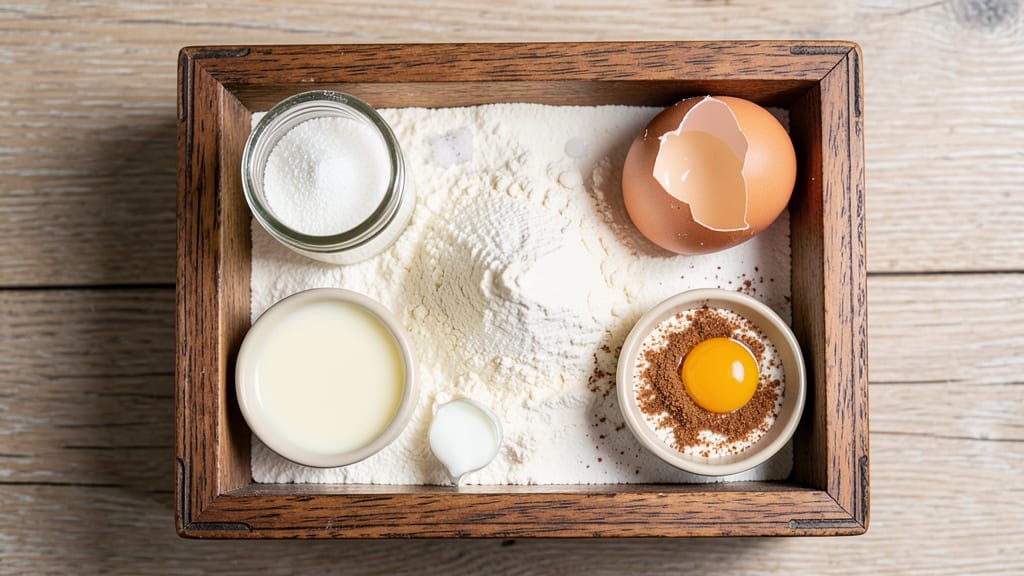
This Amish friendship bread recipe box brings the warmth of community and tradition to your kitchen with its simple, flour-based dough and sweet spice harmony. The braided loaves or sheet form carry deep cultural significance, representing handmade love and shared blessings in Amish communities.
What makes this recipe special is its ability to transform basic pantry staples into a comforting, fragrant treat that's perfect for gifting or enjoying at home.
The recipe emphasizes simplicity with just a few key ingredients: all-purpose flour, sugar, butter, eggs, and warm spices like cinnamon and nutmeg. The dough comes together quickly, and shaping the loaves becomes a meditative process that connects you to generations of bakers who passed down this tradition.
Whether you choose the classic braided form or a simpler sheet version, the result is always tender, lightly sweet, and infused with comforting aromas.
Baking yields golden-brown loaves with a delicate crumb and subtle spice notes that make them irresistible. The bread stays fresh for days, making it ideal for sharing with neighbors or giving as a thoughtful gift.
This recipe isn't just about creating food—it's about preserving a tradition of kindness and connection that makes every bite meaningful.
The beauty of Amish friendship bread lies in its versatility. Serve it warm with butter, pair it with jam, or use it to make toast for breakfast. The recipe also includes tips for packaging and presenting the bread, ensuring it's ready to be shared with love and care.
Let's create something that brings warmth to both your kitchen and your heart.
Ingredients for amish friendship bread recipe box
Simple pantry staples transform into fragrant loaves carrying generations of tradition and love.
| Ingredient | Amount | Notes |
|---|---|---|
| All-Purpose Flour 🌾 | 4 cups | Sifted for light texture |
| Granulated Sugar 🍚 | ¾ cup | Light brown sugar for depth |
| Unsalted Butter 🧈 | ½ cup | Cold, cubed for easier mixing |
| Large Eggs 🥚 | 2 whole | Room temperature for even blending |
| Milk 🥛 | ½ cup | Whole milk for richness |
| Ground Cinnamon 🌿 | 2 tsp | Freshly ground for warmth |
| Ground Nutmeg 🌿 | ½ tsp | Freshly grated for depth |
| Salt 🧂 | ½ tsp | Diamond Crystal preferred |
| Vanilla Extract 🍯 | 1 tsp | Pure vanilla for aroma |
| Baking Powder 🍞 | 1 tsp | Aluminum-free for gentle rise |
| Powdered Sugar 🍚 | ¼ cup | For dusting finished loaves |
| Honey 🍯 | 2 tbsp | Optional drizzle for glaze |
The flour is the foundation—King Arthur or Gold Medal brands work best for that tender crumb. Butter matters here: European-style butter has more fat content, giving richer flavor. I always grab the organic butter from Whole Foods when I'm feeling fancy, but store-brand works perfectly fine. For the sugar, light brown adds subtle molasses notes that pair beautifully with the spices. If you're using white sugar, add a pinch of molasses to mimic the depth. The eggs should be at room temperature—cold eggs can make the dough tough.
No vanilla extract? Vanilla bean paste or even a scraped vanilla bean work wonders. Short on nutmeg? Allspice at half the amount gives a similar warmth. The milk can be swapped for heavy cream if you want extra richness, or almond milk for a lighter version. For the honey glaze, maple syrup is a perfect substitute—just reduce slightly since it's thicker. The baking powder is non-negotiable here—double-check the expiration date since old baking powder loses its lift. If you're making this ahead, pre-portion the dry ingredients in a jar for easy mixing later.
This dough keeps beautifully for 3 days in the fridge wrapped tightly in plastic. For longer storage, freeze the shaped loaves on a tray before wrapping—they'll stay fresh for 3 months. The powdered sugar glaze sets quickly, so have your brush ready. I like to package these in parchment-lined boxes with a ribbon—perfect for gifting. The bread reheats best in a 200°F oven for 10 minutes, wrapped in foil to keep it moist. Trust me, the first slice out of the box is always the best.
Why You'll Love This Recipe
- Mix-It Fast: I swear, the dough comes together in five minutes—just flour, sugar, butter, eggs, and milk. No yeast fuss, no waiting for rises; it’s basically a grown-up’s playdough that turns into bread.
- Buttery Sweet Magic: That rich butter and sugar combo? It’s like a hug in loaf form. The crust stays soft but holds just enough structure—no sad, dry edges here, just pure, warm satisfaction.
- Gift That Keeps: Between us, this is the easiest homemade gift ever. Toss it in a box with a ribbon, and boom—you’ve got a thoughtful present for neighbors, coworkers, or that friend who “always needs coffee.” (Yes, even on a Tuesday night.)
- No-Waste Win: Bake a batch, freeze half—seriously, it stays fresh for weeks. And with just five ingredients, it’s the budget-friendly way to feed a crowd without breaking the bank. My college roommate still talks about the time I fed six people for $8.
Step-by-step instructions for homemade Amish friendship bread
Here's how to craft this beloved loaf with perfect spice balance and tender crumb.
Prepare the Dry Ingredients
In a medium bowl, whisk together the 4 cups all-purpose flour, 2 teaspoons ground cinnamon, ½ teaspoon ground nutmeg, ½ teaspoon salt, and 1 teaspoon baking powder. The cinnamon and nutmeg should be sifted through to avoid clumps—this ensures even distribution throughout the bread. I like to use a fine-mesh sieve for this step, as it creates a lighter texture in the finished loaf.
Set the dry mixture aside while you prepare the wet ingredients. The reason for pre-mixing the spices with the flour is to prevent any settling during mixing, which could lead to uneven flavor distribution. You'll notice the spices have a warm, earthy aroma—this is your first hint of the comforting flavors to come.
Cream Butter and Sugar
In a large mixing bowl, combine the ½ cup unsalted butter (cold and cubed) with the ¾ cup granulated sugar. Using a hand mixer or stand mixer fitted with the paddle attachment, beat on medium speed for 3-4 minutes until the mixture is light and fluffy. You're looking for a pale, airy texture that nearly doubles in volume—this incorporates air that will help create a tender crumb.
I press down gently on the butter mixture with my fingers during the first minute of mixing to help break it down more quickly. The butter should be fully incorporated but still hold its shape when you press it between your fingers. This ensures the bread will have that perfect balance of richness without being greasy.
Add Eggs and Milk
Add the 2 whole eggs (room temperature) one at a time, mixing well after each addition. Then stir in the ½ cup milk and 1 teaspoon vanilla extract. The mixture should be smooth and slightly thick, like a thick batter. If it looks too thin, you can add an extra tablespoon of flour from the dry mixture to adjust the consistency.
This is where the bread really starts to come together. The eggs provide structure and moisture, while the milk adds richness. The vanilla extract, though small in quantity, plays a crucial role in enhancing the warm spice flavors. Give everything a good stir to ensure the vanilla is fully incorporated—you should be able to smell its sweet, aromatic presence.
Combine Wet and Dry Ingredients
Gradually add the dry ingredient mixture to the wet ingredients, mixing on low speed just until combined. Be careful not to overmix—you want to see a few streaks of flour remaining in the batter. Overmixing develops gluten, which can make the bread tough rather than tender. Once combined, let the dough rest for 5 minutes to allow the flour to fully hydrate.
After resting, the dough should be smooth and slightly sticky but workable. If it's too sticky to handle, you can add an extra tablespoon or two of flour. The dough should hold its shape when pressed gently with your fingers but still be soft enough to form a ball. This resting period is crucial for developing the bread's texture and ensuring even baking.
Shape and Bake
Preheat your oven to 350°F. Grease a 9x5-inch loaf pan lightly with butter or line it with parchment paper. Transfer the dough to the prepared pan and spread it evenly, pressing down gently to remove any air bubbles. The dough should come up about ½ inch above the edges of the pan.
Bake for 50-55 minutes, or until a toothpick inserted into the center comes out clean and the top is golden brown. The bread should have a beautiful, fragrant aroma when it's done baking. If the top browns too quickly, tent the pan with foil to prevent over-browning while ensuring the center is fully cooked.
Cool and Glaze (Optional)
Remove the bread from the oven and let it cool in the pan for 10 minutes. Then transfer it to a wire rack to cool completely. The bread should be tender and moist, with a delicate crumb that almost melts in your mouth. While it's still warm, you can brush the top with a simple glaze made by mixing the 2 tablespoons honey with ¼ cup powdered sugar and a splash of milk to thin it out.
This glaze adds a beautiful sheen and a touch of sweetness that complements the warm spices perfectly. Let the glaze set for a few minutes before slicing. The bread is best enjoyed fresh, but it also keeps well wrapped at room temperature for up to 3 days or in the refrigerator for up to 1 week. The flavors only deepen as it sits, making it even more comforting with each passing day.
Pro Tips For Making Amish Friendship Bread Recipe Box
- Cream Butter First: Melt the butter just until it turns soft and pale yellow—no liquid. I learned this the hard way after making a batch where the butter separated in the batter. Use a microwave for 10-12 seconds, then stir until it looks like warm honey. The dough will be smoother and less likely to crack when baking.
- Measure Flour Right: Spoon the flour into the measuring cup, then level it off with a knife—don’t scoop directly from the bag. Packing it down makes the bread dense, and this recipe relies on a light, tender crumb. I skip the sifting; just whisk the flour with the sugar first to avoid lumps.
- Don’t Overmix the Dough: Mix the wet and dry ingredients until just combined—about 20 seconds. Overworking the dough introduces gluten, and this bread should be soft, not chewy. I use a stand mixer on low speed for this, then stop as soon as the batter looks uniform.
- Bake Low and Slow: Preheat the oven to 350°F (175°C) and bake the bread for the full time—no peeking. The edges will look pale at first, but the center sets gradually. I cover the pan loosely with foil after 20 minutes if the top browns too fast; the bread needs even heat to rise properly.
Serving suggestions for this dish
Warm Breakfast Spread
Serve slices of this fragrant bread warm with a pat of European-style butter and a drizzle of local honey for a comforting breakfast that feels like a hug. The warm spices wake up your senses, while the tender crumb soaks up the butter beautifully.
I like to pair it with a cup of chamomile tea or strong black coffee to balance the sweetness. 🍯
Jam Pairings
Spread strawberry jam or raspberry preserves on slices for a sweet, fruity contrast that complements the cinnamon and nutmeg. For a more sophisticated touch, try blackberry jam or fig jam—their deep flavors elevate the bread's warmth.
I keep a small jar of homemade apricot jam on hand for this exact purpose. Store-bought jams work too, just choose ones without added sugar.
Afternoon Tea Treat
Cut into thin slices and serve with Earl Grey tea or chai for an elegant afternoon tea. The bread's subtle sweetness pairs beautifully with the bergamot notes in Earl Grey.
For a festive touch, dust with powdered sugar and add a few candied pecans on top. This combination feels especially cozy during cooler months. ✨
Gift-Worthy Presentation
For gifting, wrap individual slices in parchment paper and tie with twine, then place them in a wooden bread box or cellophane bag with a ribbon. Add a handwritten note about the tradition of friendship bread—it makes the gift feel personal and meaningful.
I've seen Amish communities use wax-sealed envelopes with the recipient's name for extra charm.
Dessert Accompaniment
Use the bread as a base for apple crisp or peach cobbler—its tender crumb holds up perfectly to fruit compotes. Toast slices and serve with vanilla ice cream for a warm-cold dessert combination.
The spices in the bread cut through the richness of the ice cream beautifully. I often make this when I have leftover bread on hand.
Cultural Sharing Ritual
In Amish tradition, this bread is often shared with neighbors as a gesture of friendship. Present it in a decorative basket with a small bowl of butter or jam for a complete gift.
The act of giving—along with the bread's comforting flavors—creates a sense of community. I've heard stories of neighbors leaving loaves on doorsteps when someone is sick or moving to a new home. 💛
Nutrition facts
Frequently asked questions
Can I make this bread without a loaf pan?
Shape the dough into a round loaf on a baking sheet lined with parchment paper, or create a braided loaf for a traditional touch. For the braided version, divide the dough into three equal parts, roll each into a 12-inch rope, then braid them together. Bake at 350°F for 30-35 minutes until golden. The braided version makes a stunning centerpiece!
How do I store homemade friendship bread for gifting?
Wrap cooled loaves tightly in plastic wrap or place them in an airtight container with a slice of bread or a paper towel to maintain moisture. For short-term gifting (3 days), store at room temperature. For longer storage, freeze the wrapped loaves for up to 3 months. When ready to give, thaw overnight in the fridge.
What makes this bread different from regular cinnamon bread?
This recipe uses a gentler spice blend with nutmeg and vanilla for depth, plus a touch of honey glaze that sets it apart from heavier cinnamon breads. The dough is also slightly richer from the butter and milk, creating a tender, moist crumb rather than a dense one. The cultural tradition of sharing it as a gift adds meaningful context too!
Can I substitute any ingredients if I'm out of something?
Yes! Use margarine for butter (though flavor may differ), applesauce for half the milk (reduces richness), or orange zest for vanilla. For nutmeg, try ginger (½ tsp) or cardamom (¼ tsp). Always check baking powder freshness—old powder loses its lift. Adjust sugar ratios carefully if substituting brown sugar with white.
How do I know when the bread is fully baked?
The bread is done when a toothpick inserted in the center comes out clean and the edges pull away slightly from the pan. The top should be golden brown, not pale. If it browns too quickly, tent with foil. For sheet bread, check at 25 minutes—it bakes faster than loaf pans. Let it cool 10 minutes before slicing to prevent crumbling.