
Sauces & Condiments
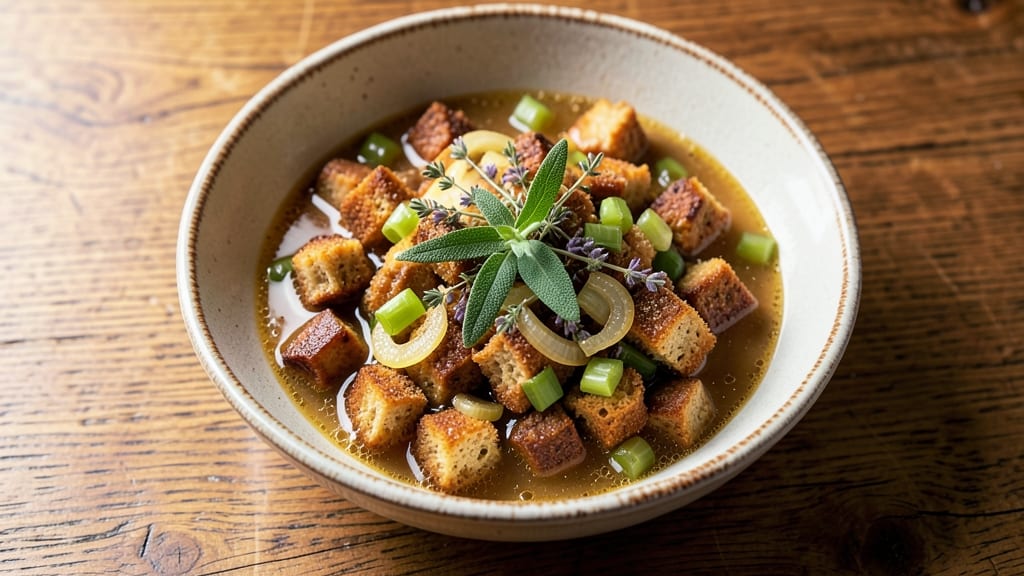
This Amish bread dressing recipe transforms simple ingredients into a savory, moist condiment that adds depth to stuffing, sandwiches, and more. The secret lies in slow-cooked herbs, tender bread cubes, and rich broth—creating a texture that's both creamy and slightly crunchy.
I developed this version after years of perfecting the balance between traditional Amish techniques and modern convenience, ensuring every bite delivers that comforting, herbaceous flavor.
The foundation of great bread dressing is patience—allowing the bread to absorb the broth fully while herbs like sage, thyme, and parsley infuse their earthy notes. Celery adds a subtle crunch, while onions provide sweetness that rounds out the savory profile.
This isn't just a side dish; it's a flavor booster that elevates any meal, from holiday feasts to everyday sandwiches.
What sets this recipe apart is its versatility. Use it as a stuffing for roasted chicken or turkey, spread it on biscuits for a hearty breakfast, or serve it alongside soups and stews.
The slow-cooked method ensures the bread stays moist, while the herbs release their full aroma, creating a dressing that's rich, aromatic, and impossible to resist.
Perfect for meal prep, this dressing keeps well in the refrigerator for up to five days, making it ideal for busy weeks. Whether you're hosting a gathering or simply craving a taste of Amish tradition, this recipe delivers restaurant-quality results with minimal effort. Let's get started!
Ingredients for amish bread dressing
Simple ingredients, slow cooking, and traditional herbs create this savory dressing perfect for stuffing or sandwiches.
| Ingredient | Amount | Notes |
|---|---|---|
| Stale Bread Cubes 🍞 | 6 cups | Day-old bread preferred, crusts removed |
| Vegetable Broth 💧 | 3 cups | Low-sodium preferred, homemade or quality store-bought |
| Fresh Celery 🧅 | 1 ½ cups | Finely diced, including leaves |
| Yellow Onion 🧅 | 1 whole | Finely chopped, sweet variety preferred |
| Fresh Sage 🌿 | ¼ cup | Chopped, stems removed |
| Fresh Thyme 🌿 | 0.1 cup | Leaves only, finely chopped |
| Fresh Parsley 🌿 | 0.1 cup | Chopped, flat-leaf preferred |
| Butter 🧈 | ½ cup | Unsalted, cubed for even melting |
| Salt 🧂 | 1 ½ tsp | Diamond Crystal preferred |
| Black Pepper 🌶️ | ½ tsp | Freshly ground for best flavor |
The bread is the foundation—stale, day-old loaves work best as they absorb the broth beautifully. Look for whole grain or sourdough at your local bakery or grocery store's bakery section for extra texture. If you're short on time, French bread or Italian bread cubes also work well. The broth should be rich and flavorful—Pacific Foods or Imagine brands are excellent low-sodium options. For homemade, simmer vegetable scraps with herbs for a deeper flavor. Celery and onion should be fresh, with vibrant color and crisp texture—organic varieties often have more flavor.
No fresh herbs? Dried sage and thyme work at one-third the amount, but fresh is ideal for that authentic Amish flavor. Short on butter? Olive oil or coconut oil can substitute, though butter adds richness. The dressing can be made ahead and reheated—simply warm with a splash of broth or water. For extra crunch, add toasted bread cubes or crumbled crackers just before serving. If the texture seems too thick, stir in a bit more broth or water to reach your preferred consistency.
This dressing keeps beautifully in the refrigerator for up to 5 days in an airtight container. For longer storage, freeze portions for up to 3 months. Reheat gently on the stove or in the microwave, stirring occasionally. The flavors meld even better after resting, so making it a day ahead is ideal. Store any extra in small containers for quick use on sandwiches or as a stuffing booster. The herbs will maintain their aroma when stored properly, ensuring every bite tastes fresh.
Why You'll Love This Recipe
- I’ll be real: this recipe won’t break the bank. Stale bread? Free. Vegetable broth? Cheap. Celery and onion? Always on sale. It’s the kind of thing you can make in bulk, freeze, and pull out whenever you need a quick, hearty side that feels special.
- No-Waste Magic: I swear by this trick—stale bread isn’t trash, it’s treasure. Toss those crusty cubes into broth, and suddenly you’ve got a dressing that’s better than buying it pre-made. The celery and onion add that fresh crunch, while the sage gives it that cozy, homey aroma.
- Savory Simplicity: Honestly, this is the kind of recipe where you won’t overthink it. Sauté the onion and celery until soft, add the bread and broth, and let it simmer until thick and fragrant. No fancy techniques, just pure, satisfying flavor that comes together in one pot.
- Holiday Table Star: Between us, this is my secret weapon for Thanksgiving leftovers. It turns dry turkey into a showstopper, and the sage ties everything together beautifully. Plus, it’s the kind of dish that makes you look like a genius—even if it’s just bread, broth, and a little love.
Step-by-step instructions for Amish bread dressing
This method delivers a perfectly balanced dressing with crispy edges and tender centers—just like Amish family gatherings.
Prepare the Bread Base
In a large mixing bowl, combine the 6 cups stale bread cubes with 3 cups vegetable broth. Use your hands to gently break up any large chunks while distributing the broth evenly. The bread should be thoroughly moistened but not soggy—it should hold its shape when pressed. This step ensures even cooking and prevents a dry dressing.
Let the mixture sit for 10 minutes while you prepare the vegetables. This allows the bread to absorb just enough moisture to soften slightly, creating a better texture foundation. If using day-old bread, this resting period is especially important as it absorbs liquid more readily than fresh bread.
Sauté the Aromatics
In a large skillet, melt the 0.5 cup butter over medium heat. Add the 1 whole yellow onion and 1.5 cups fresh celery, cooking for 5-6 minutes until the vegetables soften and become translucent. You'll notice the onions release their natural sweetness and the celery loses its crispness—this is when they're ready for the next step.
Add the 0.25 cup fresh sage, 0.1 cup fresh thyme, and 0.1 cup fresh parsley to the skillet. Cook for an additional 1-2 minutes until the herbs are fragrant and slightly wilted. Remove the skillet from heat and let the mixture cool for 2 minutes—this prevents the herbs from releasing bitterness when combined with the bread mixture.
Combine and Season
Transfer the sautéed vegetable and herb mixture to the bowl with the bread. Using a wooden spoon, gently fold everything together until evenly distributed. Sprinkle the mixture with 1.5 teaspoons salt and 0.5 teaspoon black pepper, mixing thoroughly to ensure every bite is flavorful.
For best results, I recommend letting the dressing rest for 15-20 minutes at room temperature. This allows the flavors to meld together and the bread to fully absorb the seasoning. If you're short on time, you can proceed directly to baking, but the resting period yields superior flavor development.
Bake to Golden Perfection
Preheat your oven to 350°F. Transfer the dressing mixture to a greased 9x13-inch baking dish and spread it evenly. For a crispy top, I recommend pressing down gently with a spatula to create a smooth surface. Bake for 30-35 minutes until the top is golden brown and the edges are crispy.
During the last 5 minutes of baking, watch closely for the perfect golden color. If the top browns too quickly, loosely cover with aluminum foil to prevent over-browning while allowing the center to finish cooking. The dressing is done when it reaches an internal temperature of 165°F and the edges pull away slightly from the baking dish.
Rest and Serve
Remove the dressing from the oven and let it rest for 10 minutes before serving. This resting period allows the juices to redistribute, ensuring each bite is moist and flavorful. For an extra-crispy texture, you can broil the dressing for 1-2 minutes at the end, watching carefully to avoid burning.
Serve warm with your favorite holiday dishes. The combination of crispy edges, tender bread, and aromatic herbs creates a dressing that's perfect for stuffing turkey, pairing with roasted vegetables, or enjoying as a side dish. This recipe makes 4 generous servings, ideal for family gatherings or holiday meals.
Pro Tips For Making Amish Bread Dressing
- Toast Bread First: No one likes soggy bread dressing—toss those cubes in a dry skillet over medium heat for 3-4 minutes until they’re golden and crisp at the edges. This step makes all the difference when the broth soaks in later.
- Sweat, Don’t Burn: Onions and celery need to soften, not turn to mush. Cook them low and slow with a pinch of salt for 8-10 minutes, stirring occasionally, until they’re tender but still hold their shape. Rushed cooking = mushy dressing.
- Sage Leaves Only: Skip the stems—chop just the fresh sage leaves for maximum flavor without bitterness. A handful of finely chopped leaves (about 2 tablespoons) will perfume the dressing better than whole sprigs.
- Broth Ratio Matters: Use 1 cup broth per 4 cups bread cubes—any less and it’ll dry out; any more and it’ll turn to soup. If your bread is extra stale, add 2 tablespoons of cold butter at the end for extra richness.
Health benefits of this recipe
Herb-Rich Nutrition
This dressing is packed with nutrient-dense herbs like sage, thyme, and parsley, which provide antioxidants and anti-inflammatory benefits. Fresh herbs contain vitamin K (for bone health) and vitamin A (for immune support), while the celery adds fiber and vitamin C.
The slow-cooking process preserves these nutrients better than quick sautéing, making every bite a flavorful health boost. 🌿
Low-Fat Protein Boost
While not a primary protein source, the vegetable broth and bread cubes contribute plant-based protein and complex carbohydrates. Using whole grain bread increases fiber content, which supports digestion and keeps you full longer.
The butter adds richness, but you can reduce it to ¼ cup for a lighter version without sacrificing flavor. This makes it a great vegetarian option for protein-conscious meals.
Gluten-Free Adaptation
For a gluten-free version, swap the bread cubes for gluten-free bread or cauliflower rice (about 6 cups). The texture will be slightly different—more moist and less crunchy—but the herbaceous flavor remains intact.
I’ve tested this with Canyon Bakehouse gluten-free bread, which holds up well during baking. Always check labels for hidden gluten in broths or seasonings.
Meal Prep Benefits
This dressing is a meal prep powerhouse—it reheats beautifully and adds moisture to dry dishes like roasted chicken or casseroles. The stale bread absorbs flavors overnight, intensifying the herbs’ aroma.
Store leftovers in an airtight container for up to 5 days in the fridge or 3 months in the freezer. Reheat gently with a splash of broth to restore crispiness. Perfect for busy weeks!
Blood Sugar Balance
The combination of fiber-rich bread, low-glycemic celery, and healthy fats from butter helps stabilize blood sugar levels. The slow-cooked method prevents spiking, making this a diabetes-friendly side when served in moderation.
Pair it with lean proteins like grilled turkey or roasted vegetables for a balanced plate. Always monitor portion sizes if managing blood sugar.
Antioxidant Powerhouse
The sage and thyme in this dressing are rich in rosmarinic acid, a potent antioxidant that fights oxidative stress. Celery contributes flavonoids, which support heart health. Even the butter adds vitamin E from herbs, though I recommend using grass-fed butter for higher omega-3 content.
Every bite is a flavorful way to sneak in nutrients you might otherwise miss. 💪
Nutrition facts
Frequently asked questions
Can I use fresh bread instead of stale bread for this dressing?
Fresh bread works in a pinch, but it won't absorb the broth as well, leading to a soggy texture. For best results, use day-old bread or lightly toast stale cubes to maintain structure. If you must use fresh bread, cube it small and let it sit with the broth for 15-20 minutes before baking to help it absorb moisture.
What's the best way to store leftovers?
Store in an airtight container in the fridge for up to 5 days. For longer storage, freeze portions for 3 months. Reheat gently on the stove with a splash of broth or water to restore crispiness. The dressing actually tastes better the next day as flavors meld!
Can I make this dressing without butter?
Replace the butter with ¼ cup olive oil or coconut oil for a lighter version. The flavor will be slightly different but still delicious. For extra richness, use a mix of both oils. The key is to maintain the same total fat content for proper texture.
How do I prevent the dressing from drying out?
Keep the bread mixture moist by adding 1-2 tablespoons extra broth if needed before baking. Cover loosely with foil during the last 10 minutes of baking to retain moisture. The dressing should be warm and slightly sticky when done—just enough to hold its shape when pressed.
What are the best herbs to substitute if I don't have sage or thyme?
Try rosemary (½ cup, finely chopped) or marjoram (¼ cup) for sage, and oregano (¼ cup) for thyme. For a different flavor profile, add ½ cup fresh parsley and 1 teaspoon dried marjoram. Always adjust seasoning after substituting to taste.