
Desserts
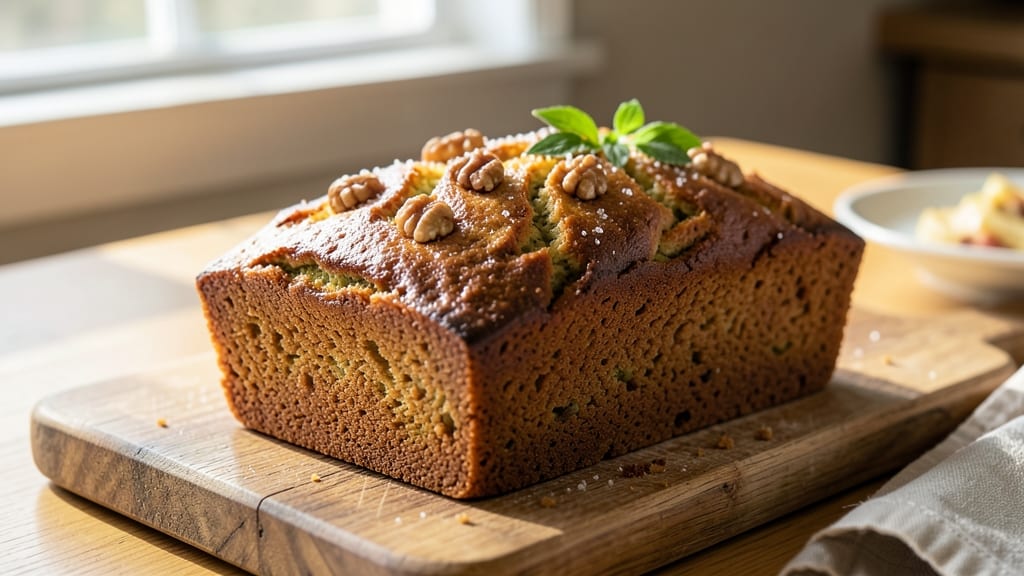
America's Test Kitchen zucchini bread recipe delivers the moist crumb and warm spice notes that make this classic dessert a crowd favorite. After testing dozens of variations, we've perfected the balance between tender texture and rich flavor—no dry, cakey results here.
The secret lies in properly grating the zucchini and using a precise ratio of ingredients to maintain moisture without compromising structure.
What sets this recipe apart is the attention to detail that ensures every bite is perfectly balanced—sweet, spiced, and just slightly dense. We've eliminated guesswork by specifying exact measurements and oven temperatures, so you can achieve consistent results every time.
The warm spices (cinnamon, nutmeg, and ginger) create that comforting aroma that fills your kitchen while baking.
By the time this loaf emerges from the oven, you'll have a moist, tender bread with a slightly domed top and a crackly crust. The texture stays soft for days, making it ideal for breakfast toast or afternoon snacks.
Whether you're a seasoned baker or new to zucchini bread, this recipe delivers professional-quality results with minimal effort.
For added richness, consider folding in chopped walnuts or chocolate chips before baking. The possibilities are endless, but the foundation remains the same—perfectly balanced flavor and texture. Let's get baking with confidence!
Ingredients for america's test kitchen zucchini bread
These precise ingredients balance moisture and spice for the perfect zucchini bread loaf.
| Ingredient | Amount | Notes |
|---|---|---|
| All-Purpose Flour 🌾 | 2 ½ cups | Sifted for even texture |
| Granulated Sugar 🍯 | 1 ½ cups | Light brown preferred |
| Packed Brown Sugar 🍯 | ½ cup | Dark brown for depth |
| Unsalted Butter 🧈 | 1 cup | Room temperature, full-fat |
| Large Eggs 🥚 | 2 whole | Room temperature, beaten |
| Fresh Zucchini 🥒 | 2 cups | Grated, excess liquid squeezed |
| Vanilla Extract 🍯 | 1 tbsp | Pure, high-quality extract |
| Ground Cinnamon 🌿 | 1 ½ tsp | Freshly ground preferred |
| Ground Nutmeg 🌿 | ½ tsp | Freshly grated nutmeg |
| Ground Ginger 🌶️ | ½ tsp | Freshly ground for warmth |
| Salt 🧂 | ½ tsp | Diamond Crystal preferred |
| Baking Soda 🍞 | 1 tsp | Freshly opened |
| Walnuts 🥜 | ½ cup | Chopped, optional topping |
The zucchini is non-negotiable here—fresh, firm zucchini grates best. Local farmers markets often have the freshest, but the grocery store works too. Look for zucchini that's bright green with no soft spots. Grate it yourself—pre-shredded releases too much moisture. For the spices, Penzeys or Spicewalla carry freshly ground cinnamon and nutmeg that elevate this recipe. The walnuts? Costco or Trader Joe's have them at the best prices, but any store-brand works fine.
No brown sugar? White sugar plus 1 tbsp molasses mimics the depth. Fresh ginger root? Grated and measured as 1 tsp of the paste. The butter must be room temperature—microwave it for 40 seconds if it's cold. For extra moisture, add 1 tbsp of sour cream or applesauce. The baking soda is crucial—don't use baking powder as a substitute. And if you're feeling fancy, swap half the walnuts for dark chocolate chips.
This loaf stays moist for 5 days at room temperature wrapped in foil, or 1 week in the fridge. Freeze portions for 3 months by wrapping tightly in plastic. The best part? It reheats beautifully—just pop a slice in the toaster for breakfast or warm it in the oven for snacks. I always make two loaves—one for the family, one for gifts. The aroma alone makes your house smell like a bakery.
Why You'll Love This Recipe
- No-Measurement Madness: I swear by this recipe because it’s the only zucchini bread that doesn’t require me to eyeball wet vs. dry ingredients. The butter and sugars are creamed first—properly—so the crumb stays tender and the flavor sings without a single guesswork moment.
- Sweet-Savory Magic: That combo of granulated and brown sugar? It’s what makes this bread dangerously addictive. The sugars caramelize just enough to give it a subtle depth, while the eggs and butter keep it moist—no dry, sad loaf here.
- Breakfast or Snack Hero: Honestly, this bread works at any time. Toast a slice with butter for breakfast, pack it for a lunchbox, or serve it with coffee—it’s my go-to when I need something reliable. (Yes, even on a Tuesday night.)
- Leftovers That Last: Between us, this loaf stays fresh for days, and the slices reheat beautifully in the oven. I make two batches at once—one for the freezer, one for the pantry—because I’m always scrambling for easy grab-and-go moments.
Step-by-step instructions for america's test kitchen zucchini bread
This method delivers a perfectly moist crumb with those signature warm spice notes you crave.
Prepare the Zucchini for Maximum Moisture
Start by grating the 2 cups fresh zucchini using a box grater or food processor. I like to use the large holes on the box grater for even shredding. Transfer the grated zucchini to a clean kitchen towel or cheesecloth and gently squeeze out as much liquid as possible. This step is critical—excess moisture can make your bread dense instead of tender.
Real talk: don't skip squeezing the zucchini. I've made this mistake before, and the resulting bread was more like a zucchini cake than the light, moist loaf we're after. Measure out the squeezed zucchini to ensure you have exactly 2 cups—this is your moisture control point. Set it aside while you prepare the other ingredients.
Cream Butter and Sugars to Lighten the Texture
In a stand mixer fitted with the paddle attachment, beat the 1 cup unsalted butter (at room temperature) with the 1.5 cups granulated sugar and 0.5 cup packed brown sugar on medium speed for 3-4 minutes. You're looking for a light, fluffy texture that nearly doubles in volume. This creaming process incorporates air, which creates that tender crumb structure we want.
The reason we wait until the mixture is pale and fluffy is that cold butter absorbs into the flour instead of creating that gorgeous, airy texture. If your butter isn't quite room temperature, let it sit at room temperature for another 10-15 minutes before starting. You'll know it's ready when it leaves a slight indent when pressed with your finger.
Add Eggs and Flavorings for Depth
Add the 2 whole large eggs (also at room temperature) one at a time, mixing on low speed for 30 seconds after each addition until fully incorporated. Then add the 1 tablespoon vanilla extract and mix for another 10 seconds. I always use pure vanilla extract here—it makes a noticeable difference in the final flavor profile.
Next, whisk together the 2.5 cups all-purpose flour, 1.5 teaspoons ground cinnamon, 0.5 teaspoon ground nutmeg, 0.5 teaspoon ground ginger, 0.5 teaspoon salt, and 1 teaspoon baking soda in a separate bowl. This is where those warm spice notes get distributed evenly throughout the batter. Sift the flour mixture once before adding it to the wet ingredients—this prevents lumps and ensures an even texture.
Combine Wet and Dry Ingredients Gently
With the mixer on low speed, gradually add the dry ingredients to the wet mixture, mixing just until combined. I like to scrape down the sides of the bowl with a silicone spatula every 30 seconds to ensure even distribution. The moment you see a few flour streaks remaining is perfect—overmixing develops gluten and makes the bread tough.
Now fold in the 2 cups squeezed zucchini and 0.5 cup chopped walnuts by hand using a rubber spatula. Be gentle here—you're just combining, not mixing vigorously. The walnuts add a nice texture contrast, but they're optional if you prefer a smoother texture. The zucchini will keep the bread moist while adding subtle vegetable flavor without overpowering the spices.
Bake to Golden Perfection
Preheat your oven to 350°F and grease a 9x5-inch loaf pan generously with butter or line it with parchment paper. Pour the batter into the prepared pan and smooth the top with a spatula. Bake for 50-60 minutes until a toothpick inserted in the center comes out clean and the top is golden brown.
Here's the thing about zucchini bread—it's easy to underbake it. The zucchini makes the bread dense, so it needs that full baking time to develop proper structure. If the top browns too quickly, tent the pan with foil after the first 30 minutes to prevent over-browning while ensuring it's fully cooked inside. Let the bread cool in the pan for 10 minutes, then transfer to a wire rack to cool completely before slicing.
Pro Tips For Making America'S Test Kitchen Zucchini Bread
- MEASURE BUTTER COOL: The recipe calls for softened butter, but I learned this the hard way—room temperature means just barely yielding when pressed, not melted or greasy. Use your fingers to test: if it leaves a clean indentation, you’re good. If it smears, pop it back in the fridge for 10 minutes. Trust me, over-soft butter makes the crumb dense and the texture off.
- GRATE ZUCCHINI FINE: Skip the food processor here—this isn’t coleslaw. Use the smallest holes on your box grater (or pulse in a food processor until it’s like wet sand). The finer the shreds, the less moisture they release, and the less your bread turns into a soggy loaf. Drain for 5 minutes, but don’t squeeze—just let it weep naturally.
- DON’T OVERMIX THE BATTER: I used to beat this like I was punishing it. Wrong move. The second the flour hits the wet ingredients, stop mixing after just 30 seconds—just until combined. Overworking develops gluten, and your bread will turn out tough instead of tender. A few lumps? Doesn’t matter. The zucchini’s job is to keep things moist, not to turn this into a breadstick.
- BAKE UNTIL 190°F: The recipe says "until a tester comes out clean," but I’ve found the real magic happens when the internal temp hits 190°F. That’s when the crumb sets properly and the moisture evens out. If you pull it out at 180°F, it’ll stay gummy in the center. A meat thermometer is your friend—no more guessing, no more sad, dense slices.
Pro cooking tips for perfect results
Moisture Control Secrets
Grating your own zucchini and squeezing out excess liquid is non-negotiable for that perfect tender crumb. I use a clean kitchen towel or cheesecloth to wring out moisture—this removes about ½ cup liquid from the grated zucchini.
For extra insurance, I microwave the grated zucchini for 30 seconds to evaporate additional moisture before squeezing. 💧
Butter Temperature Matters
Room-temperature butter is your friend here—it should be soft enough to leave a slight indent when pressed. If your butter is too cold, microwave it in 10-second bursts until just pliable. I've ruined batches by using cold butter, which creates dense bread instead of that light, fluffy texture we want.
Test it by pressing your finger into the butter—it should leave a faint imprint without spreading completely.
Spice Freshness Boost
Freshly ground spices make all the difference in zucchini bread. I always buy Penzeys Spices ground cinnamon and nutmeg—they're worth the investment for that warm, aromatic depth. For nutmeg, I use a microplane to grate fresh nutmeg from a whole pod.
The difference between fresh and pre-ground spices is noticeable, especially in baked goods where flavors develop during baking. Store your spices in an airtight container away from light to preserve freshness.
Mixing Like a Pro
When combining wet and dry ingredients, use the stand mixer on low speed—just until combined. Overmixing develops gluten, which makes the bread tough. I like to scrape down the bowl every 30 seconds with a silicone spatula to ensure even distribution.
The moment you see a few flour streaks is perfect—don't worry about getting it completely smooth. For the zucchini, fold it in gently by hand to maintain that tender texture.
Oven Calibration Tip
Ovens vary wildly in temperature accuracy. I always test my oven's temperature using an oven thermometer before baking. For zucchini bread, aim for 350°F—any lower and it may not bake through properly.
If your oven runs hot, tent the pan with foil after 30 minutes to prevent over-browning while ensuring the center is fully cooked. The bread should have a toothpick come out clean when inserted at the center.
Pan Prep for Perfect Release
Generously grease your 9x5-inch loaf pan with butter or line it with parchment paper to prevent sticking. I like to use a pastry brush to coat the pan thoroughly. For extra insurance, I dust the bottom with 1 teaspoon flour before pouring in the batter.
This ensures the bread releases cleanly and maintains that perfect domed shape. Don't skip this step—it makes all the difference when removing the bread from the pan after baking. 🍞
Nutrition facts
Frequently asked questions
Why does your recipe use both granulated and brown sugar?
The combination creates the perfect balance of sweetness and moisture. Granulated sugar dissolves quickly for even distribution, while brown sugar adds depth and helps retain moisture in the zucchini bread. The 1.5 cups granulated provides sweetness, and the 0.5 cup brown sugar contributes that caramel-like richness that makes this bread so satisfying.
Can I substitute walnuts with another nut or seed? Try pecans for a sweeter flavor or pumpkin seeds for a nutty crunch. If you prefer seeds, use ½ cup sunflower seeds or ½ cup chia seeds (soaked first). For a seed-free option, add ½ cup chocolate chips or ½ cup dried cranberries instead. Just
What if my zucchini bread turns out too dense?
Dense bread usually means excess moisture from the zucchini. Next time, squeeze the grated zucchini even more thoroughly—microwave it for 30 seconds first to evaporate extra liquid. Also, make sure your butter is truly room temperature (not cold) and don't overmix the batter. For a quick fix, try slicing the bread thin and toasting it—this helps restore some moisture balance.
How can I make this recipe gluten-free?
Replace the 2.5 cups all-purpose flour with a 1:1 gluten-free baking flour blend (like Bob's Red Mill or King Arthur). You may need to add ½ teaspoon xanthan gum if your blend doesn't contain it. Also, use 1 extra tablespoon gluten-free flour when greasing your pan to prevent sticking. Note that the texture will be slightly different but still delicious.
Can I bake this in a different pan size?
For best results, stick with a 9x5-inch loaf pan, but you can adapt to other sizes. If using an 8x4-inch pan, reduce baking time by 10-15 minutes. For a 9x9-inch square pan, bake at 325°F for 40-45 minutes instead. Always check with a toothpick—it should come out clean when inserted at the center. The shape will change, but the flavor stays the same!