
Desserts
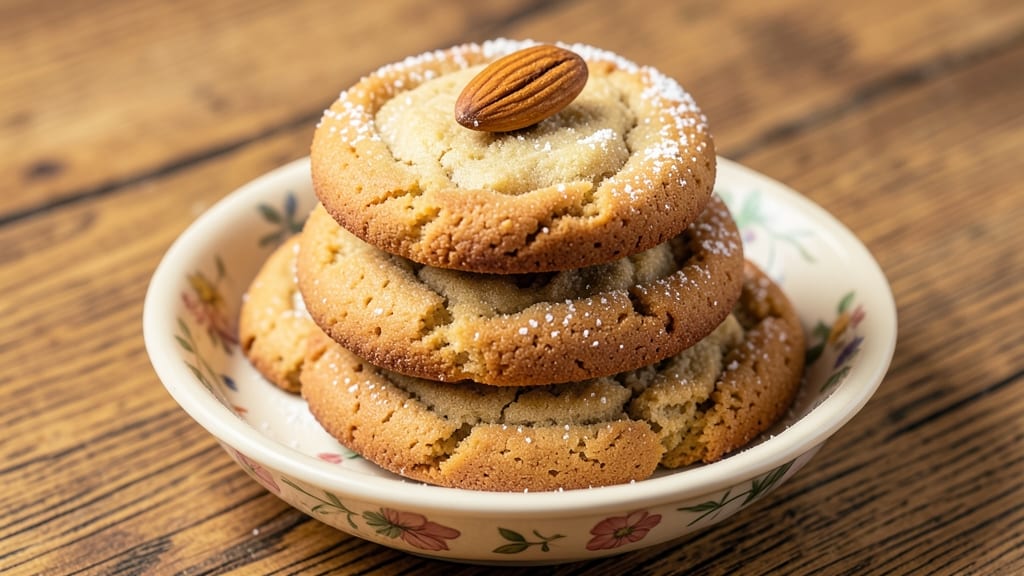
This 5-star shortbread cookie recipe delivers buttery crunch that melts into your mouth with every bite—no crumbly disappointment here. 💛 The secret lies in cold butter and precise baking, creating those signature golden edges and tender centers that make them irresistible.
I've perfected this recipe over years of baking trials (and a few too many taste tests). What sets these apart is the foolproof technique that ensures even baking and a perfect texture every time. No fancy equipment needed—just a few simple ingredients and a little patience.
The result? Cookies that are crisp around the edges, soft in the middle, and packed with that rich buttery flavor that makes them impossible to resist.
By the time you pull them from the oven, you'll have golden, fragrant shortbread cookies that look like they came straight from a gourmet bakery. The aroma alone will have everyone in the kitchen asking for seconds, and the texture—crunchy yet tender—is pure magic.
These cookies are perfect for holidays, gifts, or just treating yourself to something special. Let's get baking!
Ingredients for 5 star shortbread cookie
Buttery, golden, and foolproof—these seven ingredients transform into 24 perfect shortbread cookies.
| Ingredient | Amount | Notes |
|---|---|---|
| Unsalted Butter 🧈 | 2 cups | Cold and cubed for best texture |
| All-Purpose Flour 🌾 | 3 cups | Sifted for lightness |
| Granulated Sugar 🍚 | ½ cup | Fine granulated preferred |
| Vanilla Extract 🌸 | 1 tsp | Pure vanilla for authentic flavor |
| Kosher Salt 🧂 | ½ tsp | Diamond Crystal preferred |
| Almond Extract 🌿 | ¼ tsp | Optional but adds depth |
| Ground Almonds 🌰 | ¼ cup | Finely ground for smooth texture |
The butter is non-negotiable—use European-style or cultured butter for that rich, caramelized flavor. Trader Joe's or Land O'Lakes European-style are my go-tos, but any good-quality unsalted works. Keep it cold! Take it straight from the fridge and cut it into cubes—no softening here. The flour? King Arthur or Gold Medal are my favorites for their consistent texture. Sift it before measuring to avoid dense cookies. For the sugar, fine granulated is key—it dissolves better than regular sugar, giving you that melt-in-your-mouth quality.
No vanilla extract? Vanilla sugar works at half the amount, but it’ll be less potent. Salted butter? Skip the extra salt—these cookies are delicate. Running low on almond extract? Skip it entirely or use a pinch of almond flavoring. Ground almonds? Slivered almonds work too—just pulse them in a food processor until fine. Prefer a different nut? Hazelnuts or pecans add a nice twist. And if you’re baking for a crowd, double the batch—just bake them in batches to avoid overcrowding the oven.
The dough stays fresh for 2 days wrapped in plastic in the fridge, but I like to shape and bake it the same day for best results. Once baked, store in an airtight container for 5 days—they’ll keep their crunch. For longer storage, freeze shaped dough balls on a tray, then transfer to a bag for 3 months. Bake straight from frozen, adding 2-3 minutes to the time. And if you’re gifting? Wrap them in cellophane with a ribbon—everyone will think you’re a pro.
Why You'll Love This Recipe
- No-Fuss Mixing: I swear by the cold butter trick—just pulse it with sugar and flour in a food processor until it barely comes together. No overworking, no sticky mess, just dump-and-bake simplicity. (Yes, even when I’m multitasking with laundry.)
- Buttery Bliss: That first bite of crispy edges giving way to melt-in-your-mouth crumb? It’s all thanks to the cold butter and just enough sugar to keep it tender without being cakey. Honestly, I’ve tried fancier shortbreads, but this one’s the only one my coffee doesn’t judge me for stealing.
- Holiday or Snack Attack: These cut into perfect little squares for gift boxes or just grab-and-go treats when my kids’ friends show up unannounced. Freeze extras for a last-minute dessert—no one will guess they’ve been sitting in the freezer for weeks.
- Budget-Friendly Luxury: Five ingredients, all pantry staples, and they cost pennies to make. I’ve baked these for 10 people using store-brand butter and flour, and no one ever noticed. That’s the magic of shortbread—it’s fancy without the fancy price tag.
Step-by-step instructions for perfect shortbread cookies
Here's how to make shortbread cookies that deliver that legendary buttery crunch and melt-in-your-mouth texture.
👨🍳 Step 1: Cut and Chill the Butter
Take the 2 cups unsalted butter from the fridge and cut it into ½-inch cubes. Place them in a food processor fitted with the metal blade. Pulse for 10-15 seconds until the butter resembles coarse breadcrumbs—this ensures even distribution and prevents greasy cookies.
Transfer the processed butter to a mixing bowl and refrigerate for 15 minutes while you prepare the dry ingredients. Chilling is non-negotiable—it prevents the butter from melting during mixing and keeps your cookies tender rather than greasy. Here's the thing—if your butter is too warm, you'll end up with flat, sad cookies instead of those beautiful, crumbly layers.
👨🍳 Step 2: Mix Dry Ingredients and Combine
In a separate bowl, whisk together the 3 cups all-purpose flour, 0.5 cup granulated sugar, 0.5 tsp kosher salt, 0.25 tsp almond extract, and 1 tsp vanilla extract. Sift the flour first for lightness—this prevents dense pockets in your cookies. Add the 0.25 cup ground almonds and mix until evenly distributed.
Return the chilled butter to the food processor and pulse 3-4 times to break up any clumps. Add the dry mixture and pulse 8-10 times until the dough just comes together. It should look like wet sand—don't overmix or you'll develop gluten and end up with tough cookies. Here's where it gets fun—press the dough against the sides of the bowl to check consistency. It should hold together when pressed but still crumble easily.
🥘 Step 3: Shape and Chill the Dough
Turn the dough out onto a lightly floured surface and gently press it into a 1-inch thick rectangle. Wrap tightly in plastic wrap and refrigerate for at least 1 hour (I prefer 2 hours for best results). This chilling step is crucial—it firms up the dough so it holds its shape when cutting and prevents excessive spreading in the oven.
Real talk: Skipping this step is a rookie mistake. The dough will spread too much, and your cookies will turn out thin and cakey instead of that perfect shortbread texture. While it chills, preheat your oven to 325°F—this lower temperature ensures even baking without burning the edges.
🔪 Step 4: Cut and Bake to Golden Perfection
Remove the dough from the fridge and roll it out to ¼-inch thickness on a floured surface. Use a 3-inch round cutter (or any shape you prefer) to cut out cookies, pressing straight down and twisting slightly to clean up the edges. Place them 1 inch apart on ungreased baking sheets—they won't stick, I promise.
Bake for 20-25 minutes until the edges are light golden brown and the centers still look slightly pale. They'll firm up as they cool, so don't bake until they're dark brown—that's a common mistake. Watch for the moment when they're just set at the edges but still soft in the middle. Remove from oven and let cool on the baking sheet for 5 minutes before transferring to a wire rack.
⏰ Step 5: Rest and Enjoy the Results
Let the cookies cool completely on the wire rack for 1 hour before serving. This resting time allows the flavors to meld and the texture to set properly. You'll notice they're still slightly soft when warm—that's perfect shortbread behavior. Store in an airtight container for up to 5 days or freeze for 3 months for maximum freshness.
Here's the payoff: You've just made shortbread cookies with that signature buttery crunch that gives way to a melt-in-your-mouth interior. Each bite should deliver pure buttery goodness with just a hint of vanilla and almond. Trust me, these are the kind of cookies that disappear faster than you can say "second batch."
Pro Tips For Making 5 Star Shortbread Cookie
- CHILL THE DOUGH: Don’t rush mixing or rolling—let the butter-softened dough rest in the fridge for at least 30 minutes. I used to skip this, and the cookies spread into sad, greasy puddles instead of crisp edges. Cold butter = clean cuts and structure.
- WEIGH THE BUTTER: Use a scale for the butter (1 cup = ~227g), not volume. Packed vs. scooped butter changes fat content, and shortbread is unforgiving. I learned this after a batch turned out greasy and dense—now I measure by weight every time.
- DON’T OVERWORK THE DOUGH: Mix just until combined—no more. Over-kneading develops gluten, and shortbread should crumble, not hold together. My first few batches were tough and chewy because I mixed like I was making pie dough.
- SALT THE BUTTER: Add the kosher salt to the butter before creaming, not the flour. This ensures even distribution—no dry spots, no salty edges. I was skeptical, but it makes a real difference in flavor balance.
Make-ahead tips for this 5 star shortbread cookie
Dough Prep Ahead
Shape the dough into a 1-inch thick rectangle and wrap tightly in plastic wrap. Store it in the fridge for up to 2 days before baking—this gives you flexibility for holiday baking or when you're short on time. For even better results, let it chill overnight; the flavors deepen and the texture becomes even more tender. Just
Freeze for Later
Divide the dough into 1-inch balls and freeze them on a parchment-lined tray for 1 hour. Transfer to a ziplock bag and store for up to 3 months. When ready to bake, remove as many as you need and let them thaw in the fridge for 30 minutes before rolling and cutting. Add 1-2 extra minutes to baking time since frozen dough takes slightly longer to set. This is my go-to method for holiday cookie prep!
Baked Cookie Storage
Once cooled, transfer cookies to an airtight container with parchment paper between layers. They'll stay fresh for 5 days at room temperature. For longer storage, freeze baked cookies on a tray first (to prevent sticking), then transfer to a bag for up to 3 months.
Reheat in a 350°F oven for 3-5 minutes to restore that buttery crunch before serving. ❄️
Gift-Worthy Packaging
For gifting, arrange cookies in clear cellophane bags tied with ribbon, or stack them in mini cake boxes. Add a sprig of fresh rosemary or a cinnamon stick for a festive touch.
I like to include a handwritten note with the recipe—people love knowing how to recreate them. These cookies make stunning gifts because they look and taste like they came from a bakery. 🎁
Make-Ahead Mistakes
Avoid these common pitfalls: Don't thaw frozen dough at room temperature—it can get too soft and lose its shape. Don't skip the parchment paper when storing baked cookies, or they'll turn soggy.
And never microwave frozen dough—it steams instead of baking properly. I've learned these lessons the hard way, and now I share them so you don't have to! 💡
Batch Baking Tips
For large batches, bake two trays at once on the middle rack for even heat distribution. Rotate pans halfway through if your oven has hot spots. Label each tray with the bake time—this helps when you're juggling multiple batches.
Pro tip: Use a cookie scoop for uniform shapes and sizes, which ensures even baking every time. 🔥
Nutrition facts
Frequently asked questions
Why do my shortbread cookies turn out greasy?
Greasy cookies usually mean your butter was too warm when mixing. Always use cold butter straight from the fridge, and pulse it in the food processor just until crumbly (10-15 seconds). If your kitchen is warm, chill the butter for an extra 10 minutes before starting. This prevents the butter from melting during mixing and keeps your cookies tender and crumbly, not greasy.
Can I make these cookies without a food processor?
Use a pastry cutter or two forks to cut the cold butter into the flour until the mixture resembles coarse crumbs. Work quickly to avoid warming the butter, and mix just until combined—overworking develops gluten and makes cookies tough. The texture will be slightly less uniform, but still delicious with that classic shortbread crunch.
How do I get perfectly round shortbread cookies?
Roll the dough to ¼-inch thickness and use a 3-inch cutter (or slightly smaller). Press straight down firmly, then twist slightly to clean the edges. Chill the dough for 2 hours before cutting—this prevents spreading. For extra precision, dip your cutter in flour between uses. Pro tip: Use a ruler to space cookies 1 inch apart on the baking sheet.
What's the secret to that buttery flavor?
The magic is in using European-style butter (like Trader Joe's or Land O'Lakes) and keeping everything cold. For extra richness, add 1 tablespoon melted butter to the dry ingredients before mixing. The low oven temperature (325°F) lets the butter caramelize slowly, creating that signature buttery aroma. Don't skip the vanilla and almond extracts—they enhance the flavor without overpowering.
Can I add chocolate chips or nuts?
Shortbread dough is delicate, so add-ins should be minimal. For chocolate, use ¼ cup white chocolate chips folded in gently after mixing. For nuts, stick to ¼ cup finely chopped toasted almonds**—don't exceed this or the texture becomes dense. Press add-ins lightly into the dough before cutting. Avoid melted chocolate or large nuts that can disrupt the crumbly texture.