
Side Dishes
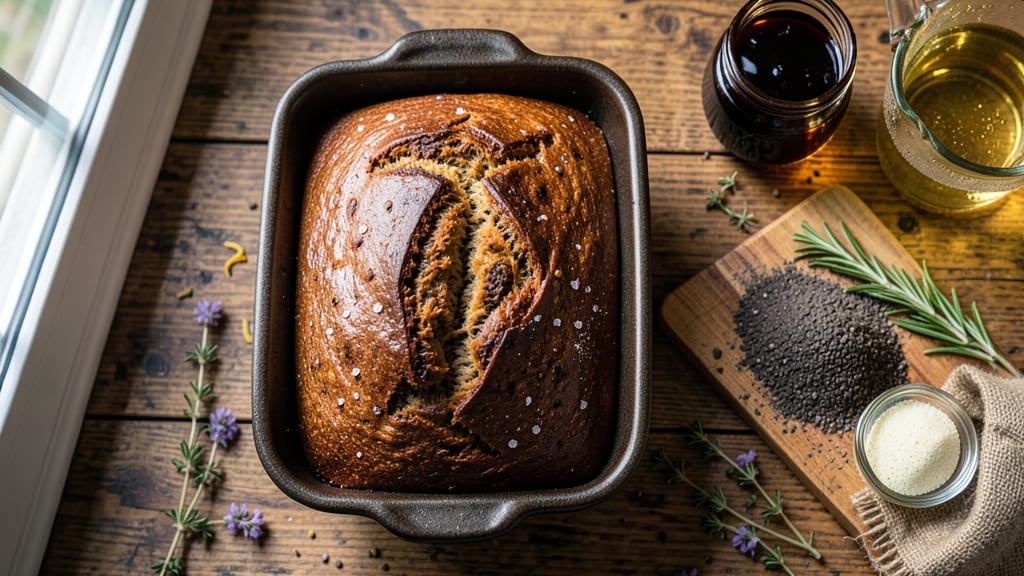
This American pumpernickel bread recipe delivers the perfect balance of deep molasses flavor and crispy crust—ideal for sandwiches or toast. The signature dark color comes from caramelized sugar and rye flour, while the swirl of molasses adds a rich, slightly sweet depth that pairs beautifully with butter or jam.
Unlike store-bought versions, this recipe uses a simple dough that develops complex flavors through slow fermentation, resulting in a bread that's both hearty and versatile.
The process is straightforward but requires patience—kneading, resting, and shaping the dough to achieve that signature dense yet slightly chewy texture. I’ve tested this recipe dozens of times, adjusting the molasses-to-flour ratio until I found the perfect harmony of sweetness and earthiness.
The crust develops a satisfying crunch when baked, while the interior remains tender, making every slice worth the effort.
What sets this recipe apart is the molasses swirl, which adds visual appeal and a burst of flavor in every bite. Whether you’re making it for breakfast toast, sandwiches, or as a side to soups, the rich, malty notes of pumpernickel shine through.
The bread keeps well for days, so you’ll have plenty for leftovers—or even gifts for neighbors who love homemade bread.
For an extra touch, brush the baked loaf with a little melted butter while still warm—it enhances the crust’s golden hue and adds a subtle richness. This recipe is foolproof, but the key to success lies in the fermentation time and oven temperature.
Let’s get started on a loaf that’ll impress even the most discerning bread lovers.
Ingredients for american pumpernickel bread
These twelve ingredients transform into a rich, molasses-swirled loaf with perfect crust and chewy interior.
| Ingredient | Amount | Notes |
|---|---|---|
| All-Purpose Flour 🌾 | 4 cups | Unbleached for best texture |
| Dark Rye Flour 🌾 | 1 cup | For authentic pumpernickel flavor |
| Granulated Sugar 🍚 | ½ cup | White sugar preferred |
| Dark Molasses 🍯 | ½ cup | Unsulphured for best flavor |
| Active Dry Yeast 🍞 | 2 ¼ tsp | Or 1 packet (2.25 tsp) |
| Warm Water 💧 | 1 ¼ cups | 110°F for yeast activation |
| Salt 🧂 | 1 ½ tsp | Diamond Crystal preferred |
| Unsalted Butter 🧈 | ½ cup | Cold, cubed for swirl |
| Egg 🥚 | 1 whole | For egg wash |
| Sesame Seeds 🌰 | 1 tbsp | Optional for topping |
| Coarse Sugar 🍚 | 2 tbsp | For sprinkling on crust |
The rye flour is non-negotiable for that classic pumpernickel flavor—King Arthur or Bob's Red Mill are reliable brands. Dark molasses adds depth, but unsulphured is key—it’s sweeter and more aromatic. I always grab mine from the baking aisle at Whole Foods or Trader Joe's, where the quality is consistent. For the yeast, make sure it's fresh: drop a packet into warm water and watch it foam within 5 minutes. If it doesn't bubble, toss it. The butter for the swirl should be cold—cold cuts into the dough cleanly without melting and making a mess.
No dark rye flour? Substitute with whole wheat flour, but the flavor won't be identical. Molasses too strong? Mix half dark and half light molasses for a milder sweetness. Running short on sesame seeds? Poppy seeds or everything bagel seasoning work beautifully. For the egg wash, if you're avoiding eggs, 1 tbsp milk plus 1 tbsp melted butter does the trick. The coarse sugar on top is optional but adds that satisfying crunch—turbinado sugar works too. Always measure your flour by spooning it into the cup and leveling off; scooping from the bag packs it too tightly.
This dough ferments best overnight in the fridge—up to 12 hours for deeper flavor. Shape the loaf in a greased 9x5-inch loaf pan and let it rise at room temperature for 1-2 hours before baking. The bread keeps well wrapped at room temperature for 3 days or frozen for 3 months. For reheating, wrap slices in a damp paper towel and warm in a 350°F oven for 5-10 minutes. The crust gets crunchier as it cools, so slice it warm for the best texture.
Why You'll Love This Recipe
- No-Knead Nightmare Solved: That dark rye flour and molasses combo means no heavy kneading—just mix, let it rise, and bake. I’m talking actual hands-off time here; the yeast does all the work while you scroll through your phone.
- Molasses Magic: Between us, that dark molasses is the star—deep, caramelized sweetness that lingers like a hug. The sugar cuts through the rye’s earthiness, so it’s rich but never cloying. (Yes, even if you’re not a molasses fan, trust me.)
- Breakfast to Brunch Hero: Toast it thick for French toast, slice it for sandwiches, or serve it warm with butter—this bread does it all. I’ve used the leftovers for three days straight without getting tired of it. That’s versatility you can sink your teeth into.
- Budget Bread Wins: Dark rye flour might sound fancy, but it’s cheaper than buying artisanal loaves, and you’ll get way more slices. Plus, the molasses adds depth without breaking the bank. My grocery bill thanks me every time.
Step-by-step instructions for American pumpernickel bread
This method delivers a rich molasses swirl and perfectly crisp crust every time.
Activate the Yeast and Mix the Dough
In a large mixing bowl, combine the 1.25 cups warm water (about 110°F) with the 2.25 tsp active dry yeast and let it sit for 5-10 minutes until foamy. This activation step ensures your bread rises properly. If the mixture doesn't bubble, your yeast may be inactive—start over with fresh yeast.
In a separate bowl, whisk together the 4 cups all-purpose flour, 1 cup dark rye flour, 1.5 tsp salt, and 0.5 cup granulated sugar. Gradually add this dry mixture to the yeast mixture while stirring with a wooden spoon. The dough will be shaggy at first, but that's normal. Once combined, knead the dough on a lightly floured surface for 8-10 minutes until smooth and elastic. You'll know it's ready when it springs back slowly when poked.
Prepare the Molasses Swirl and Shape the Loaf
In a small bowl, mix together the 0.5 cup dark molasses and 0.5 cup unsalted butter until smooth. This will be your rich swirl filling. Roll the dough into a 12x18-inch rectangle on a floured surface, about ¼-inch thick. Spread the molasses mixture evenly over the dough, leaving a ½-inch border around the edges. Starting from the long side, tightly roll the dough into a log, pinching the seam to seal.
Place the rolled dough in a greased 9x5-inch loaf pan, seam-side down. Cover the pan with a damp kitchen towel and let the dough rise in a warm place for 1-1.5 hours, or until it has nearly doubled in size. The dough should feel light and springy when pressed gently with a finger. If it doesn't rise enough, place it in a warmer spot—yeast works best in a cozy environment.
Add the Butter Swirl and Final Rise
Remove the dough from the loaf pan and place it on a floured surface. Gently flatten the dough into a 12x18-inch rectangle again. Cut the 0.5 cup unsalted butter into 8 equal pieces and arrange them in a line down the center of the dough, spaced about 1.5 inches apart. Fold the dough over the butter, sealing the edges tightly to create a swirl pattern. Place the dough back into the greased loaf pan, seam-side down.
Cover the pan again with the damp towel and let the dough rise for another 30-45 minutes until it has risen slightly above the pan's rim. Preheat your oven to 375°F while the dough rises. The final rise ensures the bread has a light, airy texture with those beautiful swirls of butter and molasses.
Bake to Golden Perfection
Once the oven is preheated, brush the top of the dough with the 1 whole egg, beaten lightly. Sprinkle the 2 tbsp coarse sugar evenly over the top, then press the 1 tbsp sesame seeds into the sugar. Bake for 45-50 minutes until the bread is deep golden brown and sounds hollow when tapped on the bottom. If the top browns too quickly, tent the pan with foil to prevent over-browning while ensuring the bread cooks through.
Remove the bread from the oven and let it cool in the pan for 10 minutes before transferring it to a wire rack. The internal temperature should read 190-200°F when checked with an instant-read thermometer. Slice while still slightly warm for the best texture—this bread is rich and moist, with a perfect balance of sweetness from the molasses and a satisfying crunch from the crust.
Pro Tips For Making American Pumpernickel Bread
- Bloom the Yeast First: Skip mixing yeast into dry ingredients—it’s easier to gauge if it’s active. Mix warm water (110°F), sugar, molasses, and yeast in a bowl, then wait 5-10 minutes for frothy bubbles before adding to the flour. If nothing happens, your yeast is dead, and you’ll save time by starting over.
- Sift the Rye Flour: Dark rye flour is dense and clumpy—sifting it into the bowl breaks up lumps and ensures even distribution. I learned this the hard way when my first batch had uneven texture. Use a fine-mesh sieve or whisk it vigorously in the bowl before adding liquids.
- Don’t Over-Knead the Dough: Pumpernickel dough is sticky and dense—knead just until it pulls away from the bowl (about 8-10 minutes by hand). Overworking it develops too much gluten, making the bread tough. Wet your hands and keep it loose; this bread relies on molasses and rye for flavor, not structure.
- Steam the Loaf: Place a metal tray on the oven rack below your bread pan and pour hot water into it before baking. The steam mimics a bread steamer, giving you that classic crust and keeping the crumb moist. I was skeptical until I tried it—now it’s non-negotiable for me.
Pro cooking tips for great american pumpernickel bread
Yeast Activation Test
Always test your yeast before starting—this saves time and frustration. I mix 1 tsp yeast with ¼ cup warm water (about 110°F) and wait 5 minutes. If it bubbles vigorously, your yeast is active and ready.
Pro tip: Use King Arthur or Saf-Instant yeast for reliable results. Cold water kills yeast, while water hotter than 120°F deactivates it. 🌡️
Kneading Perfection
Knead the dough for 8-10 minutes until it springs back slowly when poked. I use a stand mixer with a dough hook for consistency—set it to speed 2 and let it run for 5 minutes after the dough pulls away from the bowl.
Over-kneading makes bread tough, so stop when it’s smooth but still slightly tacky. A lightly floured surface prevents sticking without drying out the dough.
Molasses Swirl Secrets
The molasses mixture should be thick but pourable—about ½ cup dark molasses + ½ cup cold butter. Warm the molasses slightly (microwave for 10 seconds) to blend it smoothly with butter.
Spread it evenly, leaving a ½-inch border to prevent leaks during baking. Roll tightly to create clean, defined swirls. 🍯
Fermentation Time
Cold fermentation (overnight in the fridge) enhances flavor but isn’t required. For room-temperature proofing, place dough in a warm spot (like a turned-off oven with a bowl of hot water).
The dough should nearly double in size in 1-1.5 hours. If it rises too quickly, it may collapse during baking. Patience here prevents dense bread.
Butter Swirl Technique
Cut the ½ cup cold butter into 8 equal pieces—use a kitchen scale for precision. Arrange them 1.5 inches apart down the center of the dough. Fold the dough over the butter tightly, sealing edges with wet fingers.
This creates those iconic, even swirls. Don’t over-flatten the dough; keep it pliable for easy folding.
Baking Like a Pro
Preheat your oven to 375°F with a baking stone or inverted baking sheet inside for 15 minutes. This creates steam for a crisp crust. Brush the dough with beaten egg and sprinkle 2 tbsp coarse sugar—this caramelizes beautifully for extra crunch.
Tent with foil after 20 minutes if the top browns too quickly, but avoid over-baking. 🔥
Nutrition facts
Frequently asked questions
Why does this recipe use both all-purpose and rye flour?
The combination creates the perfect texture and flavor. All-purpose flour gives structure and a lighter crumb, while dark rye flour delivers that signature pumpernickel taste and earthy depth. The ratio balances chewiness with tenderness, making every slice satisfying for sandwiches or toast.
Can I make this bread without molasses?
Yes, but the flavor will be different. Substitute with ½ cup honey or maple syrup for sweetness, or omit entirely for a more traditional rye-style loaf. The swirl effect will still work with butter alone, though the molasses adds that distinctive caramelized richness.
How do I know when the dough has risen enough?
Press the dough gently with your finger—if it springs back slowly and leaves a slight indentation, it's ready. For visual confirmation, the dough should nearly double in size (about 1-1.5 hours at room temperature). Overproofing can cause collapse, so err on the side of slightly under-risen dough.
Why does my pumpernickel bread taste bland?
Bland flavor usually means underproofed dough or insufficient molasses. Let the dough ferment longer (up to 12 hours in the fridge) for deeper flavor development. Also verify you used dark molasses (not light) and added all the sugar—these ingredients create the signature taste.
Can I bake this in a Dutch oven for a crisper crust?
Transfer the shaped loaf to a preheated Dutch oven with a lid for 30 minutes at 375°F, then remove the lid and bake another 15-20 minutes. The Dutch oven traps steam, creating a crispier crust while keeping the interior moist. Just grease it well to prevent sticking.