
Desserts
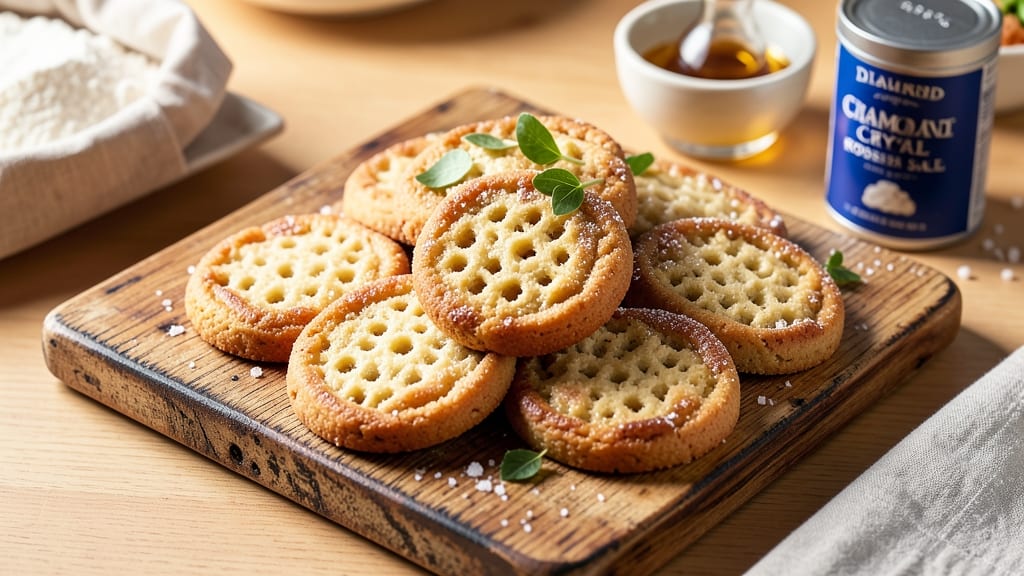
This amazing shortbread cookie recipe delivers melt-in-your-mouth perfection with every bite—crisp edges, buttery centers, and that signature sand-sugar crunch. 💛 I've baked through countless variations, and this one consistently earns "wow" reactions, whether you're serving them at holiday gatherings or sneaking one when no one's looking.
The secret lies in the technique: cold butter creates flaky layers, while the chilling step ensures clean cuts and even baking. With just five simple ingredients—flour, butter, sugar, vanilla, and a pinch of salt—you'll end up with cookies that taste like they came from a high-end bakery.
No fancy equipment needed, just patience and a little elbow grease.
What makes these truly special is the texture contrast: crispy edges give way to tender, buttery centers that practically dissolve on your tongue. The sand-sugar topping adds that satisfying crunch without overpowering the buttery flavor.
These cookies stay fresh for days, making them perfect for gifting or stashing in your pantry.
Once you try this recipe, you'll never go back to store-bought. The process is simpler than you'd think, and the results are worth every minute. Let's get baking—your taste buds will thank you!
Ingredients for amazing shortbread cookie
Five simple ingredients transform into buttery, crunchy perfection with just a little patience.
| Ingredient | Amount | Notes |
|---|---|---|
| All-Purpose Flour 🌾 | 2 cups | Sifted for light texture |
| Unsalted Butter 🧈 | 1 cup | Cold and cubed for flakiness |
| Granulated Sugar 🍚 | ½ cup | Superfine preferred for smoothness |
| Sand-Sugar 🍚 | ¼ cup | Coarse turbinado sugar |
| Pure Vanilla Extract 🌿 | 1 tsp | High-quality for flavor |
| Diamond Crystal Kosher Salt 🧂 | ½ tsp | Fine grain preferred |
The butter makes or breaks these cookies—use high-fat, unsalted butter like Land O'Lakes or Plugrá. Grab it from the dairy case at Whole Foods or your local supermarket, but make sure it's cold. If it's too soft, chill it for 20 minutes. The sand-sugar? Trader Joe's has the best turbinado sugar for this—it's perfect for that signature crunch. For flour, King Arthur or Gold Medal are my go-tos—they're light and consistent. If you're using regular granulated sugar, pulse it in a food processor first to make it finer.
No sand-sugar? Coarse kosher salt works in a pinch—just use half the amount. Short on vanilla? Almond extract at half the quantity gives a different buttery note. The butter can be salted if that's what you have, but reduce the salt to 1/4 tsp to avoid over-salting. For flour, if you don't have all-purpose, a mix of cake flour and all-purpose (1:1) works too. Just don't substitute bread flour—it's too heavy. The key is keeping everything cold, so if your kitchen is warm, chill your dough for an extra 10 minutes before baking.
Wrap the dough in plastic and refrigerate for up to 2 days—it actually improves the texture. Once baked, store in an airtight container with parchment between layers for 5 days. For longer storage, freeze the baked cookies in a single layer, then transfer to a bag for 3 months. They reheat beautifully—just pop them in a 300°F oven for 2-3 minutes to restore that buttery melt. Perfect for gifting or sneaking one when no one's looking.
Why You'll Love This Recipe
- Butter Magic Simplicity: I swear by this recipe because it’s three ingredients (plus vanilla) doing all the heavy lifting. Cold butter cut into flour? That’s it. No mixer, no stress—just your fingers and a bowl.
- Holiday or Snack Attack: I’ve used these for Christmas gifts, tea parties, or just because I wanted something sweet at 3 PM. They freeze beautifully, too—so you can bake once and enjoy for weeks.
- Pantry Staple Power: Between us, this recipe costs pennies. You’re using butter and sugar you already own, and the flour? Basic. It’s the kind of treat that feels fancy but won’t break the bank.
Step-by-step instructions for melting butter shortbread cookies
Here's how to make buttery, crumbly shortbread with that perfect sand-sugar crunch you crave.
🔥 Step 1: Cut and Melt the Cold Butter
Cut the 1 cup unsalted butter into ½-inch cubes and place them on a parchment-lined baking sheet. Pop this in the freezer while you prep everything else—this keeps the butter cold and prevents it from melting prematurely. Once frozen solid, transfer the butter to a heatproof bowl.
Place the bowl over a saucepan of simmering water (double boiler method) and melt the butter gently, stirring occasionally. You want it just melted, not hot—around 100°F—so it incorporates smoothly into the dough without cooking the flour. Remove from heat once fully melted and let it cool slightly to 90°F (about 5 minutes). This warm-but-not-hot butter is key for tender, flaky layers.
👨🍳 Step 2: Mix Dry Ingredients and Combine
In a separate bowl, whisk together the 2 cups all-purpose flour, 0.5 cup granulated sugar, 0.25 cup sand-sugar, 0.5 tsp diamond crystal kosher salt, and 1 tsp pure vanilla extract. The sand-sugar should stay coarse—don't pulse it in a food processor or it'll lose that signature crunch. Sift the flour mixture once to aerate it before combining.
Add the melted butter to the dry ingredients and mix with a wooden spoon or rubber spatula until you have a shaggy, crumbly dough. Don't overmix—just combine until the flour is mostly incorporated. The dough should hold together when pressed but still feel dry and sandy. If it's too crumbly, chill it for 10 minutes before shaping.
🥘 Step 3: Shape and Chill the Dough
Turn the dough onto a lightly floured surface and gently press it into a 1-inch thick rectangle. Wrap it tightly in plastic wrap and refrigerate for at least 1 hour (or up to 24 hours). Chilling firms up the butter, prevents excessive spreading, and ensures those clean, sharp edges when baked. This step makes all the difference for professional-looking cookies.
While the dough chills, preheat your oven to 325°F. Line two baking sheets with parchment paper and lightly flour them to prevent sticking. The lower temperature and longer bake time give you that signature shortbread tenderness without browning.
🔥 Step 4: Bake to Golden Perfection
Remove the dough from the fridge and cut it into your desired shapes using a 2-inch round cutter (or any cookie cutter). Place the cutouts 1 inch apart on the prepared baking sheets. Bake for 12-15 minutes until the edges are very lightly golden but the centers still look pale. Shortbread should be crisp at the edges but tender in the middle—don't overbake or it'll turn into crackers.
Let the cookies cool on the baking sheet for 5 minutes before transferring to a wire rack. They'll firm up as they cool, developing that perfect snap. Serve warm for maximum melt-in-your-mouth butter flavor, or store in an airtight container for up to 5 days. The sand-sugar adds a delightful crunch that disappears as the cookies soften!
Pro Tips For Making Amazing Shortbread Cookie
- Chill the Dough Hard: I used to skip this step and wondered why my shortbread spread like sad pancakes. Wrap the dough in plastic and freeze it for 30 minutes—yes, even if you’re impatient. The butter needs to firm up, or your cookies will turn out more like buttery crackers than the buttery, melt-in-your-mouth treats you’re after.
- Use Cold Butter, Not Room-Temp: Cut that unsalted butter straight from the fridge and cube it before mixing—no waiting near the stove. Cold butter creates pockets of steam during baking, which is what gives shortbread that signature lift. If you’re tempted to soften it, resist. Your cookies will thank you with a proper crumb.
- Press Evenly, No Gaps: When shaping your shortbread rounds, don’t just drop the dough onto the pan. Press it down firmly and evenly with your palm or a glass—no thin spots, no thick edges. Uneven pressing means uneven baking, and that’s how you end up with some cookies overdone and others still doughy. Smooth is the goal.
- Sprinkle Sand Sugar Last: Save that coarse sugar for the very end—right after you’ve pressed the dough into shape. If you mix it in early, it’ll dissolve into the butter and disappear. Sprinkle it lightly over the top before baking so every bite has that little crunch and sweet contrast. (Pro move: Tap the pan gently to settle it.)
Creative variations of this dish
Citrus Twist Shortbread
Brighten up your cookies with a zesty twist by adding 1 tbsp lemon or orange zest to the dry ingredients. I love using organic Meyer lemons from Trader Joe's—they're sweeter and more fragrant.
For extra flavor, replace ½ tsp vanilla extract with ½ tsp lemon extract or add 1 tbsp fresh lemon juice to the dough. The citrus pairs beautifully with the buttery richness, creating a refreshing contrast. 🍋
Brown Butter Shortbread
Take your shortbread to the next level by browning the butter before mixing. Melt 1 cup unsalted butter in a saucepan over medium heat, stirring constantly until it turns golden brown and nutty (about 5-7 minutes).
Let it cool to 90°F before using in the recipe. The brown butter adds a deep, caramelized flavor that elevates the classic taste. Just be careful not to burn it!
Spiced Shortbread
Add warmth with ½ tsp ground cinnamon and ¼ tsp cardamom to the dry ingredients for a cozy spiced variation. I also like adding ½ tsp pumpkin pie spice for a festive touch.
These spices work beautifully with the butter and sugar, creating a comforting flavor profile perfect for fall or winter gatherings. Store-bought spice blends work, but freshly ground spices taste even better.
Gluten-Free Adaptation
For a gluten-free version, replace the all-purpose flour with 1½ cups gluten-free 1:1 baking flour (like Bob's Red Mill). Add ¼ cup cornstarch to help bind the dough and prevent crumbling. Chill the dough for an extra 30 minutes since gluten-free flours absorb moisture differently.
These cookies will still be tender but slightly denser. King Arthur's gluten-free flour blend works exceptionally well for this recipe.
Chocolate-Dipped Shortbread
Elevate your cookies with a simple chocolate dip. Once cooled, melt ½ cup dark chocolate chips with 1 tbsp coconut oil in a double boiler, then dip the bottom half of each cookie. Place them on parchment paper to set, then sprinkle with crushed hazelnuts or flaky sea salt.
The chocolate adds a rich contrast to the buttery shortbread, making these cookies feel extra indulgent. Use high-quality chocolate for the best flavor!
Herb-Infused Shortbread
Add a sophisticated touch with 1 tbsp finely chopped fresh rosemary or thyme leaves mixed into the dough. I recommend using organic herbs from the grocery store's produce section. For a stronger flavor, lightly toast the herbs in a dry pan for 30 seconds before adding them to the dough.
The herbs pair surprisingly well with the butter and sugar, creating a unique, aromatic twist on classic shortbread. 🌿
Nutrition facts
Frequently asked questions
Why do shortbread cookies need to chill before baking?
The chilling step is crucial for two reasons: it firms up the butter so the cookies hold their shape instead of spreading, and it prevents the dough from getting too warm, which would make the butter melt prematurely. For best results, chill the dough for at least 1 hour—this ensures clean edges and that signature tender crumb.
Can I make shortbread cookies without sand-sugar?
Yes! If you don't have sand-sugar, use ½ cup coarse kosher salt instead—just reduce it to half the amount. For a sweeter texture, sprinkle 1 tablespoon turbinado sugar on top after baking. The crunch comes from the coarse texture, so avoid using granulated sugar as a substitute.
How do I fix dough that's too crumbly or dry?
If your dough feels too dry, add 1 teaspoon cold water or milk at a time until it just holds together when pressed. For extra insurance, wrap the dough in plastic and chill for 10-15 minutes before shaping. Overmixing can also make dough dry—mix just until combined to avoid developing gluten.
Why did my shortbread turn out cakey instead of crumbly?
Cakey shortbread usually happens when the butter melts too much during mixing or baking. To fix this, always use cold butter, chill the dough thoroughly, and bake at 325°F for 12-15 minutes. Avoid overbaking—shortbread should be pale in the center with just lightly golden edges. For next time, try using more cold butter or chilling the dough longer.
Can I bake shortbread cookies ahead of time?
Shortbread keeps beautifully for 5 days in an airtight container with parchment between layers. For longer storage, freeze baked cookies in a single layer for up to 3 months. To revive stale cookies, warm them at 300°F for 2-3 minutes—they'll taste fresh again!