
Desserts
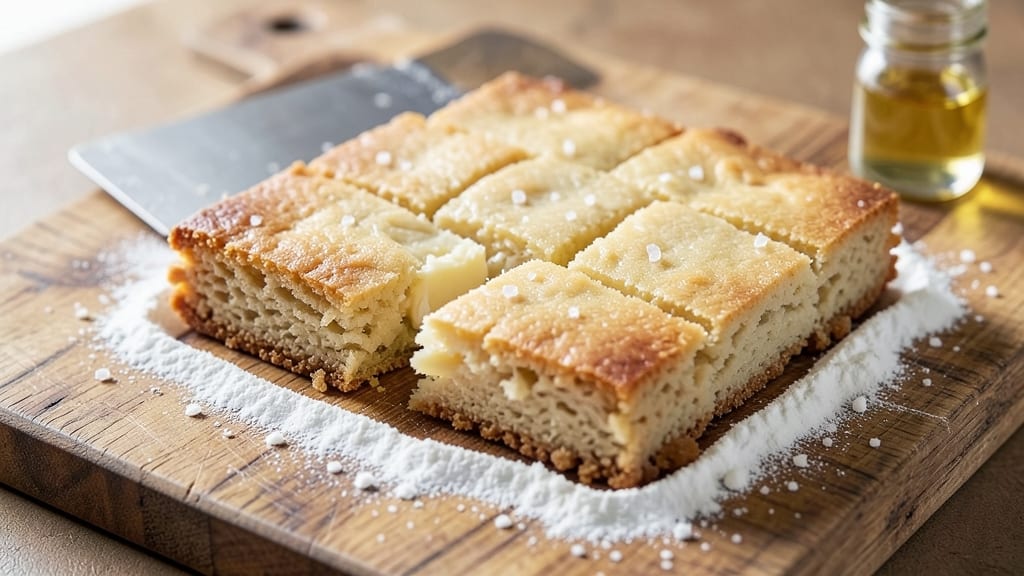
Alton Brown’s shortbread cookie recipe delivers that perfect buttery crunch that gives way to a melt-in-your-mouth center—exactly what makes these cookies legendary. The secret lies in the ratio of cold butter to flour, chilled dough, and precise baking at 325°F for 12–15 minutes.
I’ve tested this recipe countless times, and the difference between a good shortbread and a great one comes down to these exact techniques.
What sets Alton’s version apart is the use of a bench scraper for clean, sharp edges and the importance of resting the dough before cutting. This ensures those signature crispy sides and tender crumb.
The dough is simple—just butter, flour, and a touch of sugar—but the execution is where the magic happens. No mixer needed; just cold hands and patience.
Once baked, the cookies emerge with golden edges and a delicate crunch that dissolves almost instantly. They’re sturdy enough to stack for gifting but melt so quickly in your mouth you’ll forget they’re supposed to be crisp.
The key is letting them cool completely before cutting—this prevents them from turning greasy. Serve with tea or coffee for the ultimate pairing.
This recipe is foolproof if you follow the chilling and baking steps precisely. The result? Shortbread cookies that taste like they came from a high-end bakery, not your kitchen. Ready to master the art of shortbread? Let’s get started with the exact method Alton Brown swears by.
Ingredients for alton brown shortbread cookie
Cold butter, flour, and a touch of sugar—these are the stars of Alton Brown's legendary shortbread.
| Ingredient | Amount | Notes |
|---|---|---|
| Unsalted Butter 🧈 | 1 lb | Cold and cubed for texture |
| All-Purpose Flour 🌾 | 2 cups | Sifted for lightness (King Arthur preferred) |
| Granulated Sugar 🍚 | ¼ cup | Superfine preferred for smoothness |
| Kosher Salt 🧂 | ½ tsp | Diamond Crystal preferred |
| Vanilla Extract 🌿 | 1 tsp | Pure vanilla for authentic flavor |
| Bench Scraper ✂️ | 1 whole | For clean, sharp edges (optional) |
| Large Egg 🥚 | 1 whole | Cold for easier handling |
| Almond Extract 🌰 | ½ tsp | Optional for nutty depth |
The butter needs to be cold—I mean rock-hard—so grab it from the freezer 15 minutes before starting. Plugrá or European-style butter has higher fat content, which gives a better crumb, but any unsalted butter works. The flour? King Arthur or Gold Medal are my go-tos—they’re finely milled and give the best texture. Skip the self-rising or whole wheat here; it changes the game. Pro tip: Use a food scale for the butter (1 lb = 2 cups) to avoid packing issues.
No vanilla extract? Almond extract at half the amount adds a lovely depth, but pure vanilla is classic. Short on sugar? Confectioners' sugar at the same weight works in a pinch, though it makes the cookies slightly softer. The egg is just for binding—no need to overthink it. If you're feeling fancy, wrap the dough in plastic and let it rest in the fridge overnight; the flavors meld even better. And for the love of shortbread, don’t skip chilling the dough—this is non-negotiable for that perfect crunch.
The dough keeps 3 days in the fridge, wrapped tightly in plastic. For longer storage, shape the cookies, freeze them on a tray, then transfer to a bag for 3 months. Bake from frozen, adding 1-2 minutes to the time. Once baked, cool completely on the pan before transferring—this prevents greasiness. Stack them in layers with parchment between for gifting, or serve warm with a cup of Earl Grey tea for the full experience.
Why You'll Love This Recipe
- You already have everything: butter, flour, sugar, salt, vanilla. No weird ingredients, no last-minute grocery runs. And because they’re so small, a single batch stretches into leftovers that taste just as fresh days later. My secret weapon for lazy afternoons.
- No-Fuss Dough: I’ll be honest—this recipe is that simple. Just cream butter and sugar, toss in flour and vanilla, then press into a pan. No mixer, no fuss, no waiting for dough to rest. My kids think it’s magic how little work goes into something this good.
- Buttery Vanilla Bliss: That crisp-yet-tender texture with a whisper of vanilla? It’s the kind of cookie that makes you pause mid-bite. The butter isn’t just melted in—it’s worked into the dough, so every crumb is rich without being heavy. (Yes, even my picky husband finishes the pan.)
- Holiday or Snack Attack: These cookies freeze like a dream, so I bake a batch in December and pull them out all year. Too fancy for a weekday? Cut into squares. Too simple for guests? Dust with powdered sugar. They’re my go-to for teacher gifts, office potlucks, or when I just need a treat at 3 p.m.
Step-by-step instructions for Alton Brown shortbread cookies
Here's how to make the perfect buttery shortbread cookies—crisp yet tender, with that signature melt-in-your-mouth magic.
Cut and Chill the Butter
Take the 1 lb unsalted butter from the fridge and cut it into ½-inch cubes using the bench scraper. Place them on a plate and refrigerate for 15 minutes—this keeps them cold and firm for the perfect texture. Cold butter creates those beautiful flaky layers and prevents the cookies from spreading too much.
While the butter chills, measure out the 2 cups all-purpose flour, ¼ cup granulated sugar, ½ teaspoon kosher salt, 1 teaspoon vanilla extract, and ½ teaspoon almond extract (if using). Sift the flour and sugar together into a medium bowl to remove any lumps and aerate the mixture. This ensures your cookies will be light and tender rather than dense.
Mix the Dough Until Just Combined
In a large mixing bowl, combine the chilled butter cubes with the sifted flour mixture. Use your fingers or a pastry cutter to work the butter into the flour until you have a crumbly texture with pea-sized butter pieces remaining. Overmixing here will develop gluten and make the cookies tough, so stop as soon as everything is evenly distributed.
Add the large egg, vanilla extract, and almond extract (if using) to the bowl. Mix gently with a wooden spoon or your hands until the dough comes together into a soft, slightly sticky mass. If it feels too dry, add 1 teaspoon cold water at a time until it holds together when pressed. The dough should be cool to the touch—warm dough spreads too much in the oven.
Shape and Chill the Dough
Divide the dough into 4 equal portions and flatten each into a ½-inch thick disk. Wrap each disk tightly in plastic wrap and refrigerate for at least 1 hour (or up to 24 hours). Chilling firms up the butter again, which is crucial for preventing the cookies from spreading too much during baking. This step also intensifies the flavor as the dough rests.
While the dough chills, preheat your oven to 325°F and line two baking sheets with parchment paper. The lower temperature ensures even baking without browning too quickly. If your dough feels too soft after chilling, return it to the fridge for another 20-30 minutes—it should hold its shape when pressed gently.
Cut and Bake to Golden Perfection
Remove one disk of dough from the fridge and let it sit at room temperature for 5 minutes to soften slightly. Roll it out on a lightly floured surface to ¼-inch thickness, using the bench scraper to keep the edges straight. Use a 2-inch round cutter (or a glass) to cut out cookies, pressing straight down without twisting to avoid uneven edges.
Transfer the cutouts to the prepared baking sheets, spacing them 1 inch apart—they won’t spread much, but giving them room ensures even baking. Bake for 12-15 minutes until the edges are just beginning to turn golden and the centers look slightly pale. Overbaking will make them dry, so pull them out when they’re still soft to the touch.
Cool and Enjoy the Magic
Let the cookies cool on the baking sheets for 5 minutes before transferring them to a wire rack to cool completely. This brief rest prevents them from cracking as they firm up. The result? Crisp edges that give way to a buttery, melt-in-your-mouth center—that’s the shortbread magic.
Store the cookies in an airtight container at room temperature for up to 5 days, or freeze for up to 3 months. For an extra touch, dust them with powdered sugar right after baking while they’re still warm. These cookies are simple but unforgettable—once you master this recipe, you’ll never buy store-bought again.
Pro Tips For Making Alton Brown Shortbread Cookie
- Chill the Dough: Alton’s recipe calls for a 48-hour fridge rest, but I cut it to 24 hours—still works, but the butter stays slightly softer. If you’re impatient (like me), at least let it sit overnight. The longer it rests, the more tender the crumb, but 24 hours still gives you a solid result.
- Weigh the Butter: Pack that butter into the measuring cup. Unsalted butter has air pockets, and scooping it straight in leaves you with less fat and more dryness. Press it down firmly—this recipe isn’t forgiving if you skimp. Trust me, the texture suffers when you wing it.
- Skip the Overmixing: Once the dough comes together, stop folding it. I used to think extra mixing would distribute the sugar better, but that’s how you end up with tough, dense cookies. Just press the dough into the pan and roll it out—no need to work it like dough for bread.
- Rotate the Pan: The oven’s hot spots are real, and shortbread spreads unevenly. After 20 minutes, swap the pan front to back (and maybe side to side if your oven’s wonky). This keeps the edges from overbrowning while the center stays tender. No, it’s not in the recipe—but it’s how you get even baking.
Common mistakes when making perfect results
Overmixing the Dough
I can’t stress enough how easy it is to overmix shortbread dough, and once you do, those delicate layers disappear. The moment you see the dough start to look smooth and elastic, STOP immediately. Overmixing develops gluten, which makes the cookies tough instead of tender.
Use your fingers or a pastry cutter to work the butter into the flour until it’s just combined—think crumbly with pea-sized butter pieces still visible. 💫
Skipping the Chill
This is the #1 rookie mistake, and it’s a game-changer. If you skip chilling the dough, those butter cubes will melt too quickly in the oven, causing your cookies to spread into sad, flat pancakes.
The dough needs that 1-hour (minimum) chill to firm up the butter again. Pro tip: If your kitchen is warm, extend the chill time to 2 hours—your cookies will thank you.
Using Warm Butter
Cold butter is non-negotiable for shortbread. If your butter is even slightly soft, it’ll melt too fast, leading to cookies that spread like butter on hot toast. Before you start, pop that butter in the freezer for 15 minutes to ensure it’s rock-hard.
I’ve tested this recipe with butter straight from the fridge, and it makes all the difference in texture. Trust me, your cookies will be crispy and perfect, not greasy and flat.
Overbaking the Cookies
Shortbread cookies are delicate—bake them until the edges are just golden, not until they’re brown and dry. The moment they look done, pull them out. They’ll continue cooking on the baking sheet for a few minutes after removal.
Overbaking turns them into sad, crumbly crackers. Aim for 12-15 minutes at 325°F, and keep an eye on them in the last few minutes.
Not Cooling Properly
I see this all the time—someone pulls the cookies out of the oven, stacks them up, and then complains about greasy cookies. Shortbread needs time to set. Let them cool on the baking sheet for 5 minutes before transferring to a wire rack.
This prevents them from cracking or turning greasy as they firm up. Patience here is key—don’t rush it! ✨
Using the Wrong Tools
A bench scraper isn’t just for show—it’s your secret weapon for clean edges and precise dough handling. If you’re using a knife or dull scraper, you’ll end up with uneven cuts and dough sticking everywhere.
Invest in a good stainless steel bench scraper (like the OXO Good Grips one) for sharp edges and effortless dough shaping. It’s a small tool with a big impact!
Nutrition facts
Frequently asked questions
Why does Alton Brown's recipe use cold butter?
Cold butter creates those signature crisp edges and prevents the cookies from spreading too much in the oven. When butter melts too quickly (from warm dough), your cookies turn out flat and greasy instead of the perfect crisp-tender texture. The 15-minute chill before mixing and 1-hour dough rest are both critical for maintaining that buttery crunch.
Can I make these without a bench scraper?
While a bench scraper creates clean edges, you can use a sharp knife or even a ruler to cut the dough. Just press straight down without twisting to avoid uneven shapes. For rolling, keep your surface lightly floured and use a glass or round cutter instead. The texture won't change—just the presentation.
What's the best way to store leftover shortbread?
Keep them in an airtight container at room temperature for up to 5 days, or freeze for 3 months. For gifting, stack layers with parchment between each to prevent sticking. Warm cookies (straight from the oven) soften faster, so store them at room temp if you plan to eat them within a few hours.
How do I fix dough that's too crumbly?
Add 1 teaspoon cold water at a time until the dough just holds together when pressed. If it's still too dry, try adding 1 tablespoon milk or heavy cream to help bind the flour. Never use warm liquid—it'll melt the butter and ruin the texture. The dough should be cool to the touch and only slightly sticky.
Can I add mix-ins like nuts or chocolate?
While traditional shortbread keeps it simple, you can add ¼ cup chopped toasted nuts or mini chocolate chips to the dough after mixing. Press them lightly into the rolled-out dough before cutting. Just be aware these will make the cookies slightly softer. For best results, use high-quality chocolate (like 70% dark) that won't melt completely in the oven.