
Side Dishes
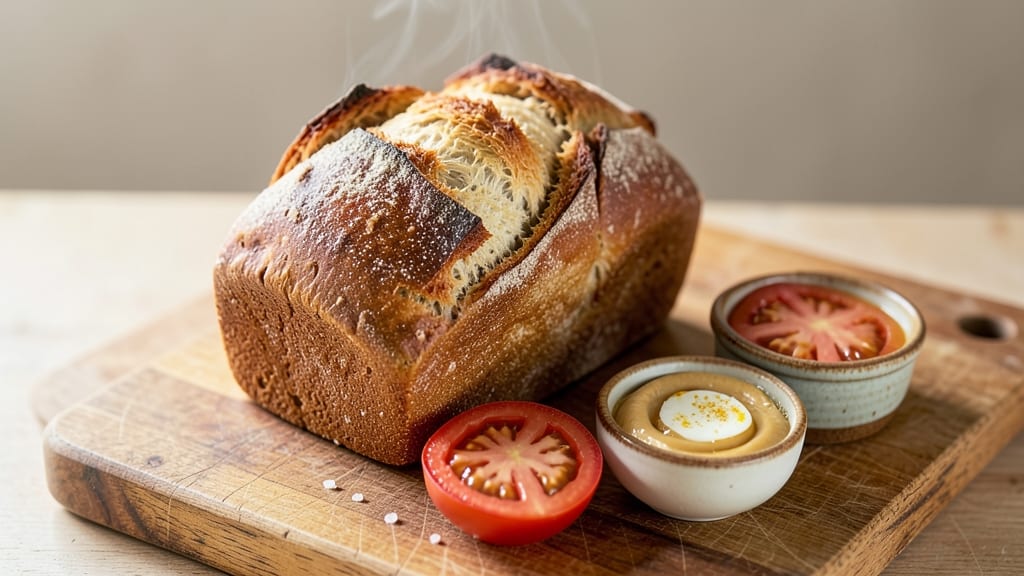
This amazing homemade bread recipe is about to transform your kitchen into a bakery—no fancy equipment required. 🌟 The secret lies in a simple dough that rises high, develops a pillowy crust, and stays soft for days.
I’ve baked this bread countless times, and every slice is lighter than store-bought but packed with that golden, crusty perfection you crave. Whether you’re a first-timer or a seasoned baker, this recipe delivers foolproof results with just a few key techniques.
The magic happens in the dough itself—a mix of warm water, yeast, and a touch of sugar that jumpstarts fermentation. Kneading develops gluten for that signature chewy texture, while proofing lets the bread rise to fluffy heights. The real game-changer?
A quick brush of melted butter before baking, which gives the crust that irresistible golden sheen and keeps the bread moist for hours. No more dry, dense loaves—just restaurant-quality bread made in your own oven.
By the time you pull it out, you’ll have a loaf with a crisp, caramelized crust and a soft, airy crumb that melts in your mouth. The aroma alone will have everyone gathering around the table, and the taste?
Pure comfort. This isn’t just bread—it’s a centerpiece for sandwiches, toast, or simply enjoying with butter and jam. The best part? It’s ready in under 2 hours, with minimal effort and zero shortcuts.
Ready to impress? We’ll cover every step—from mixing the dough to scoring the loaf for that perfect rise. Trust me, once you try this, you’ll never buy bread again. Let’s get baking!
Ingredients for amazing homemade bread
Flour, yeast, butter, and a touch of sugar—just what you need for golden, pillowy bread.
| Ingredient | Amount | Notes |
|---|---|---|
| All-Purpose Flour 🌾 | 4 cups | Plus 2 tbsp for dusting |
| Active Dry Yeast 🍞 | 2 ¼ tsp | Or 1 packet (0.25 oz) |
| Granulated Sugar 🍚 | 1 tbsp | For yeast activation |
| Warm Water 💧 | 1 ¼ cups | 110-115°F (43-46°C) |
| Unsalted Butter 🧈 | ½ cup | Cold, cubed (1 stick) |
| Large Egg 🥚 | 1 whole | Room temperature |
| Salt 🧂 | 1 tsp | Diamond Crystal preferred |
| Honey 🍯 | 1 tbsp | For crust softness |
| Cornmeal 🌽 | 2 tbsp | For dusting parchment |
| Melted Butter 🧈 | 2 tbsp | For brushing crust |
| Coarse Sea Salt 🧂 | 1 tsp | For sprinkling crust |
| Milk 🥛 | 1 tbsp | Optional for extra softness |
The flour is non-negotiable here. King Arthur or Gold Medal work best—they've got the protein for that perfect rise. Grab the yeast from the refrigerated section (not the canned kind), and check the expiration date—old yeast won't activate. Warm water is key: too hot kills the yeast, too cold makes it sluggish. I always test it with my finger—should feel like bathwater. The butter? Cold cubes keep the dough from getting too soft, but don't skip melting some for that golden crust later. Pro tip: if your kitchen's cold, let the butter sit out for 10 minutes before mixing.
No yeast? Instant yeast works 1:1, but active dry is traditional. Short on honey? Maple syrup or agave in the same amount gives similar sweetness. The milk is optional but worth it—it adds tenderness. If you're gluten-free, this isn't your recipe, but for everyone else, whole wheat flour at 10% replacement works if you want a nuttier taste. The cornmeal isn't just for dusting—it adds crunch to the bottom crust. And if you're baking in a dry climate, add an extra tbsp of water to the dough. Trust me, it makes a difference.
This dough keeps beautifully. Shape it and refrigerate for up to 24 hours if you need to delay baking—it'll develop even more flavor. For the crust, brush with melted butter right after baking while it's still hot. The sea salt? Sprinkle it on immediately—it'll melt into the crust and add that perfect salty contrast. Store wrapped at room temp for 3 days, or freeze the whole loaf for 3 months. To reheat, wrap in foil and warm in a 350°F oven for 10 minutes. You'll never want store-bought again.
Why You'll Love This Recipe
- No Yeast Stress: I’ll be real—this dough comes together in one bowl with just flour, yeast, sugar, and warm water. No fancy mixers, no kneading until your arms give out. Just mix, let it rise while you fold laundry, and boom—homemade bread without the hassle.
- Buttery Magic: That little pat of unsalted butter in the dough? It’s the secret weapon. You’ll taste it in every slice—rich, tender crumb that’s way better than store-bought. Honestly, I’ve been known to eat it straight from the pan.
- Leftovers? More Like Leftovers: A loaf lasts all week for toast, sandwiches, or charcuterie boards. Freeze half for lazy mornings, and the rest? It’s the star of every meal. Between us, I’ve even used stale slices for croutons—zero waste, all flavor.
- Budget Baked Good: Five ingredients, under $2 for a loaf. This isn’t just bread—it’s my go-to for feeding a crowd without breaking the bank. Plus, the sugar and butter make it feel special, even when it’s just weeknight dinner.
Step-by-step instructions for pillowy crust and fluffy rise in minutes
Here's how to transform simple ingredients into bread with a golden crust and airy interior.
👨🍳 Step 1: Activate the Yeast for Maximum Rise
In a small bowl, whisk together the 1.25 cups warm water (between 110-115°F), 1 tbsp granulated sugar, and 2.25 tsp active dry yeast. Let it sit for 5-10 minutes until it becomes frothy and bubbly—this proves your yeast is alive and ready to work. If it doesn't bubble, your yeast might be dead (happens if water's too hot or cold).
I like to test the water temp by dipping my finger in—it should feel warm but not hot. This activation step ensures your bread rises properly later. Once bubbly, proceed immediately to avoid overworking the yeast.
👨🍳 Step 2: Mix the Dough and Knead Until Silky
In a large bowl, combine the 4 cups all-purpose flour, 1 tsp salt, and the activated yeast mixture. Stir with a wooden spoon until a shaggy dough forms. Then add the 1 whole large egg and 1 tbsp honey, mixing until incorporated.
Turn the dough onto a lightly floured surface and knead for 8-10 minutes until smooth and elastic. You'll know it's ready when it springs back slowly when poked. I press down gently—if it bounces back quickly, it needs more kneading. This step develops gluten, giving your bread that perfect chewy texture.
🔥 Step 3: Let the Dough Rise Twice for Maximum Fluffiness
Lightly grease a large bowl, place the dough inside, and cover with a damp towel. Let it rise in a warm place for 1 hour until doubled in size. I usually put it near my oven with the light on—this creates a warm, cozy environment for the yeast to work its magic.
After the first rise, punch down the dough and shape it into a round loaf. Place it in a greased 9x5-inch loaf pan, cover again, and let it rise for another 30-45 minutes until it's puffy and just about overflowing the pan. This second rise ensures that perfect, airy interior we're after.
🍳 Step 4: Bake to Golden Perfection with Buttery Crust
Preheat your oven to 375°F. Brush the risen dough with the 2 tbsp melted butter, then sprinkle with 1 tsp coarse sea salt and 2 tbsp cornmeal (this prevents sticking and adds texture). Bake for 30-35 minutes until the top is golden brown and sounds hollow when tapped.
If you want extra softness, brush the warm bread with 1 tbsp milk right after baking. Let it cool for 10 minutes before slicing—this gives the gluten time to relax, preventing gummy slices. The crust should be crisp and pillowy, while the interior stays soft and fluffy.
Pro Tips For Making Amazing Homemade Bread
- MEASURE WATER AT 110°F: I learned this the hard way—yeast loves warmth but hates boiling. Use a thermometer to check water temperature before mixing; if it’s too hot, you’ll kill the yeast before it even starts working. A quick fix: heat water to a boil, then let it sit for 5 minutes before using.
- KNEAD LESS, STRETCH MORE: I used to beat this dough into submission, but that’s overkill. After the first few kneads, switch to gentle stretches and folds—grab one side, pull it toward the center, then rotate and repeat. This builds gluten without exhausting you (or your arms).
- SALT THE DOUGH, NOT THE WATER: Skip adding salt to the water—it slows yeast activation. Instead, mix it directly into the flour before adding liquids. This ensures even distribution and lets the yeast get to work without delay. Trust me, your bread’s flavor will thank you.
- SOFTEN BUTTER FIRST: Cold butter creates tough, dense bread. Microwave it for 10–15 seconds or cut it into small cubes to soften faster. When it’s just pliable (not melted), mix it into the dough—this keeps the texture tender without making it greasy. (Yes, even if you’re impatient like me.)
Wine and beer pairings for amazing homemade bread
Crisp White Wine
For this buttery, pillowy bread, a dry white wine like Sauvignon Blanc or Chardonnay is my go-to pairing. The bright acidity cuts through the richness of the crust while complementing the soft interior.
I love a New Zealand Sauvignon Blanc—its citrus notes and herbal undertones balance the bread’s sweetness perfectly. 🍷
Light Beer Options
A wheat beer or pilsner works beautifully with homemade bread, especially if you’ve added honey to the dough. Blue Moon Belgian White or Heineken provide a crisp, refreshing contrast to the bread’s warmth.
For a bolder option, try a German Helles—its malty sweetness pairs wonderfully with the crust’s caramelized notes.
Red Wine for Bold Pairings
If you prefer red, a light Pinot Noir or Beaujolais won’t overpower the bread’s delicate flavors. The Pinot Noir’s earthy undertones and Beaujolais’ fruity brightness enhance the crust’s nuttiness. I recommend a Willamette Valley Pinot Noir—it’s light enough to let the bread shine while adding depth to the meal.
Craft Beer Experiment
For a fun twist, try pairing with a slightly sweet craft beer like a Berliner Weisse or Hazy IPA. The Berliner Weisse’s tartness contrasts the bread’s richness, while a hazy IPA’s juicy hop notes complement the crust’s caramelized sweetness. Just avoid heavy stouts—they can overpower the bread’s delicate texture.
Non-Alcoholic Pairings
Don’t drink alcohol? No problem! A sparkling apple cider or ginger beer works wonderfully. The sparkling cider’s effervescence cleanses the palate, while ginger beer’s spicy kick adds a refreshing contrast. For a simpler option, iced hibiscus tea with a squeeze of lime enhances the bread’s natural sweetness without competing flavors.
Nutrition facts
Frequently asked questions
Can I make this bread without a stand mixer?
This recipe is designed for hand-kneading—just use a lightly floured surface and knead for 8-10 minutes until the dough springs back slowly when poked. The key is patience; press down firmly to develop that silky gluten. For extra ease, use a dough scraper to turn and fold the dough while kneading. Your arms will thank you!
Why did my bread turn out dense instead of fluffy?
Dense bread usually means the yeast didn't activate properly or the dough wasn't kneaded enough. First, double-check your water temperature—it should be 110-115°F (like bathwater). Second, ensure you kneaded for the full 8-10 minutes to develop gluten. Finally, let the dough rise in a warm spot (like near your oven light) until it doubles in size—rushing this step kills the fluffiness.
Can I add mix-ins like herbs or cheese?
Yes! For a savory twist, fold in 1/2 cup grated Parmesan or 1 tbsp dried herbs (like rosemary or thyme) when mixing the dough. Keep mix-ins to 10% of the flour to avoid overloading. For cheese, use sharp varieties like Asiago—they melt beautifully during baking. Just reduce the salt slightly if using salty cheeses.
How do I store homemade bread to keep it fresh?
Wrap the cooled loaf tightly in plastic wrap or place it in an airtight container at room temperature for 3 days. For longer storage, freeze the whole loaf (up to 3 months)—thaw overnight in the fridge. To revive stale bread, sprinkle with water and warm in a 350°F oven for 5-10 minutes until crispy again. The honey in this recipe naturally extends freshness!
What’s the secret to that perfect golden crust?
The crust magic comes from three things: melted butter brushing, cornmeal dusting, and steam. Brush the dough with butter right before baking, then sprinkle cornmeal for texture. For extra steam, place a baking sheet with 1 cup hot water in the oven when preheating. This creates a moist environment that helps the crust brown beautifully. Don’t skip the 10-minute cooling before slicing either!