
Side Dishes
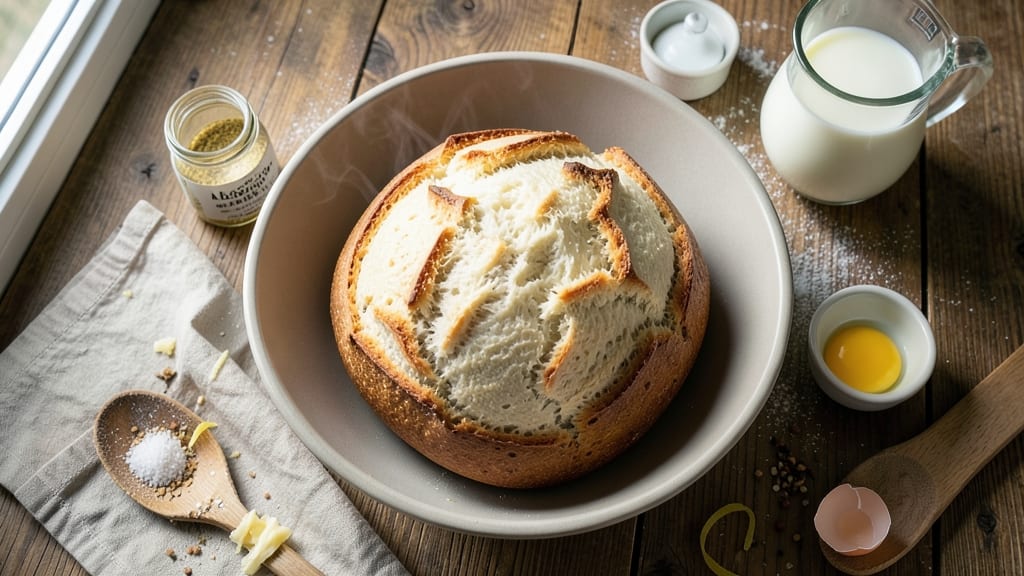
Alton Brown's white bread recipe delivers that perfect balance of pillowy crust and tender crumb—no kneading required. This method transforms simple ingredients into artisanal-quality bread with just a few hours of hands-off time. The secret lies in proper fermentation and shaping, creating that signature texture we all crave.
What sets this recipe apart is its no-knead technique, which develops gluten naturally while requiring minimal effort. You'll work with a straightforward dough that rises overnight, allowing flavors to deepen and structure to form without overworking.
The result? A loaf with a crisp, golden crust that gives way to soft, airy interior layers.
This bread shines as a side for soups, sandwiches, or toasted with butter—its versatility makes it a weekly staple. The aroma alone will have everyone anticipating dinner, while the texture promises that satisfying first bite. Let's get started on mastering this classic.
For best results, follow the precise fermentation times and baking instructions to achieve that restaurant-quality finish. The scoring technique alone makes all the difference in creating that beautiful, even rise. You'll be amazed at how simple ingredients can yield such impressive results.
Ingredients for alton brown white bread
Nine essential ingredients transform into restaurant-quality white bread with minimal effort.
| Ingredient | Amount | Notes |
|---|---|---|
| All-Purpose Flour 🌾 | 5 cups | High-protein preferred for structure |
| Active Dry Yeast 🍞 | ¼ oz | Or 2 1/4 tsp, fresh preferred |
| Granulated Sugar 🍚 | ¼ cup | Feeds yeast for fermentation |
| Unsalted Butter 🧈 | ½ cup | Cold, cubed for texture |
| Large Eggs 🥚 | 1 whole | Room temperature for blending |
| Whole Milk 🥛 | 1 cup | Warmed to 110°F for activation |
| Diamond Crystal Kosher Salt 🧂 | 2 tsp | Adjusts dough hydration |
| Cornmeal 🌽 | ¼ cup | For dusting baking sheet |
| Water 💧 | 1 ½ cups | Room temperature preferred |
| White Vinegar 🍶 | 1 tbsp | Enhances flavor development |
| Olive Oil 🫒 | 1 tbsp | For greasing bowl |
The flour is non-negotiable—high-protein (11-12%) like King Arthur or Bread Flour creates that signature pillowy crumb. Whole Foods or King Arthur Flour carry excellent options, but avoid cake flour. Yeast quality matters too: Fresh yeast activates faster than dry, but Saf-Instant works if you're in a hurry. The butter should be cold and cubed—don't melt it first. For the milk, warming it to 110°F ensures proper yeast activation without killing it. Diamond Crystal kosher salt dissolves more evenly than table salt, and Trader Joe's sells it affordably in bulk.
No high-protein flour? All-purpose plus 1 tbsp vital wheat gluten mimics the structure. Fresh yeast unavailable? Active dry yeast works at the same weight (0.25 oz). The vinegar can be swapped for lemon juice, though white vinegar's tang is ideal. For a richer dough, replace half the milk with whole milk yogurt. Butter too warm? Chill the dough 10 minutes before shaping—it'll firm up. The olive oil matters less but extra-virgin adds subtle flavor. Always measure flour by weight if possible: 5 cups = ~350g for precision.
Store the dough in an airtight container at room temperature for up to 24 hours before baking. Once baked, cool completely on a wire rack—cutting warm bread ruins the crumb. Wrap tightly in plastic wrap or a bread bag for 3-4 days of freshness. For longer storage, slice and freeze portions—toast directly from frozen for crispy results. The scoring technique (using a razor) should be done just before baking—don't cut too deep or the loaf may tear open prematurely.
Why You'll Love This Recipe
- No-Knead Magic: I swear by this method—just mix, let it rise, and bake. The yeast does all the work while I sip coffee, and the dough comes together smoother than anything I’ve ever kneaded by hand.
- Buttery Crust, Soft Core: That rich unsalted butter baked into the crust? It’s the kind of golden, crackly finish that makes you pause before tearing off another slice. The inside stays pillowy, though—no dry bites here.
- Weeknight Workhorse: I keep a loaf in the freezer for lazy mornings or last-minute sandwiches. Toast it straight from frozen, and it’s still warm and fresh-tasting—no sad, freezer-burned bread here.
- Budget-Friendly Staple: Five basic ingredients stretch to feed my family for days. A single batch lasts us through lunches, toast breakfasts, and even dinner rolls, all without breaking the bank.
Step-by-step instructions for alton brown's white bread
This no-knead method delivers a loaf with a crisp crust and tender crumb—no laborious kneading required.
Activate the Yeast and Prepare the Dough
In a small bowl, combine the 1.5 cups water, 1 tbsp white vinegar, and 0.25 cup granulated sugar. Stir until the sugar fully dissolves, then sprinkle the 0.25 oz active dry yeast over the surface. Let it sit for 5-10 minutes until the mixture becomes frothy and bubbly—this confirms the yeast is alive and ready to work. If it doesn't bubble, your yeast may be inactive, and you'll need to start over.
In a large mixing bowl, whisk together the 5 cups all-purpose flour and 2 tsp diamond crystal kosher salt. Add the 1 whole large egg, 1 cup whole milk, and the yeast mixture to the dry ingredients. Mix with a wooden spoon or dough whisk until a shaggy dough forms. The dough will be sticky, but that's expected—this recipe relies on proper hydration for that signature tender crumb.
Incorporate the Butter and Rest
Cut the 0.5 cup unsalted butter into small cubes and add them to the dough. Using your hands or a dough scraper, work the butter into the dough until fully incorporated. The butter should be evenly distributed, with small pockets of fat visible throughout. This step is critical for creating the bread's signature richness and flakiness.
Cover the bowl with a damp kitchen towel and let the dough rest at room temperature for 1 hour. During this time, the dough will rise slightly and become more pliable. This initial rest allows the gluten to relax, making the next steps easier. Avoid the temptation to skip this step—rushing leads to dense, tough bread.
Shape and Final Rise
Lightly grease a 9x5-inch loaf pan with 1 tbsp olive oil, then dust it generously with 0.25 cup cornmeal. This prevents sticking and adds a subtle crunch to the crust. Transfer the dough to the prepared pan, using wet hands to handle it if needed. Shape the dough into a rough rectangle, then fold the sides toward the center to create a neat loaf shape.
Cover the loaf pan with the damp towel again and let it rise at room temperature for 1-1.5 hours, or until the dough has visibly expanded and the top appears slightly domed. The dough should spring back slowly when gently pressed with a finger—this indicates it's ready for baking. If the dough doesn't rise well, it may need a warmer environment or more time.
Bake for a Crisp Crust and Tender Crumb
Preheat your oven to 375°F with a rack positioned in the lower third. Place the loaf pan on the rack and bake for 30-35 minutes, until the bread is deep golden brown and sounds hollow when tapped on the bottom. The internal temperature should reach 190-200°F when measured with an instant-read thermometer.
For extra crust crispness, I recommend broiling the bread for 1-2 minutes at the end of baking. Keep a close eye on it to avoid burning. Once baked, transfer the loaf to a wire rack to cool completely before slicing. This resting period ensures clean slices and prevents a gummy texture.
Serve and Store for Maximum Freshness
Slice the bread while still warm for the best texture—each slice should reveal an open crumb with a crisp exterior and a soft, pillowy interior. Serve immediately with butter or jam, or store wrapped in a clean kitchen towel at room temperature for up to 2 days. For longer storage, freeze the bread in slices and reheat in a 350°F oven for 5-10 minutes to restore freshness.
This bread keeps well because the no-knead method develops gluten gradually, resulting in a stable structure. The butter and vinegar create a subtle tang that enhances the bread's versatility—perfect for sandwiches, toast, or simply enjoying with a spread of your choice.
Pro Tips For Making Alton Brown White Bread
- USE COOL WATER FOR YEAST: I learned this the hard way—yeast hates heat. Mix the yeast with the warm milk and 1 cup of cool water first, then add the remaining warm liquid. This keeps the yeast from getting shocked and ensures it activates smoothly, especially if your kitchen runs hot.
- SALT THE DOUGH EARLY: Add the salt to the dough with the yeast, not later. This lets the salt evenly distribute while the gluten develops, preventing those random salty pockets that ruin a perfect slice. (Yes, even if you’re impatient like me.)
- DON’T OVERKNEAD THE DOUGH: Stop mixing when the dough clings to the bowl and pulls away cleanly—about 5-6 minutes by hand or 3-4 on low speed. Overworking it makes the bread dense and tough, and you’ll know you’ve gone too far when it starts feeling gummy instead of elastic.
- BRUSH WITH MELTED BUTTER AFTER BAKING: Skip the butter in the dough if you’re short on time, but always brush the loaves with melted butter right after baking. This gives that signature Alton Brown shine and keeps the bread moist for days. (Pro move: Add a pinch of salt to the butter for extra flavor.)
Serving suggestions for alton brown white bread
Classic Pairings
Serve this white bread warm with cultured butter—I love Plugrá or Kerrygold—for a simple but luxurious pairing. The butter's richness complements the bread's crisp crust and tender crumb perfectly.
For a savory touch, pair with sharp cheddar or provolone slices and apple slices for a classic grilled cheese sandwich. 🥪
Sweet Spreads
Top slices with honey (I recommend Manuka honey for its floral notes) and walnuts for crunch. Another favorite is peanut butter—Smucker's Natural works well—with a drizzle of chocolate syrup for a nostalgic PB&J twist. The bread's mild flavor makes it versatile for any sweet topping.
Soup Companions
This bread is ideal with creamy soups like butternut squash or tomato basil. The crust holds up beautifully when dipped, while the soft interior soaks up broth. For a hearty meal, pair with French onion soup—the bread's buttery richness balances the soup's depth. 🍲
Breakfast Serving
Toast slices until golden and serve with scrambled eggs and sautéed mushrooms. The bread's neutral flavor lets the eggs shine, while the toast provides structure. For a decadent treat, top with powdered sugar and whipped cream for a bread pudding-inspired breakfast. 🍳
Garnish Ideas
Enhance presentation with a sprinkle of flaky sea salt—Maldon is my go-to—just before serving. Fresh rosemary sprigs add a fragrant touch, while poppy seeds provide a subtle crunch. These small details elevate the bread from homemade to restaurant-quality. ✨
Meal Prep Tips
Slice the bread and store in an airtight container with a paper towel to keep it fresh for up to 5 days. Toast slices directly from frozen for a quick breakfast—just 5 minutes at 350°F restores crispness.
For sandwiches, assemble with fillings and wrap in parchment paper to prevent sogginess. 💡
Nutrition facts
Frequently asked questions
Why does Alton Brown's white bread use a no-knead method?
The no-knead approach develops gluten naturally over time, creating a tender crumb without overworking the dough. This method also requires less effort while producing a restaurant-quality texture. The slow fermentation enhances flavor and structure, making it perfect for beginners and busy bakers alike.
Can I substitute all-purpose flour for bread flour?
Yes, but use high-protein all-purpose flour (11-12%) for best results. Bread flour has more gluten, which can make the dough too tough if not adjusted. For a 1:1 swap, add 1 tbsp vital wheat gluten per 5 cups flour to mimic bread flour's structure. Always measure by weight for precision.
What if my dough doesn't rise properly?
Check your yeast first—it should bubble within 5-10 minutes when mixed with warm water and sugar. If the dough is too cold, place it in a 70°F environment (like a turned-off oven with a light on) to speed up fermentation. Avoid overproofing—press gently: if it springs back slowly, it's ready for baking.
How do I get a crispier crust like in bakeries?
Bake at 375°F until deep golden brown, then broil for 1-2 minutes at the end for extra crispness. Score the dough with a razor before baking to encourage even rising. For a shinier crust, brush with melted butter after baking. A stoneware pan also improves oven spring.
Can I make this bread in a Dutch oven?
Shape the dough into a round loaf and bake in a preheated Dutch oven at 375°F for 30-35 minutes. The enclosed environment creates steam, resulting in a crustier exterior and softer interior. Remove the lid after 15 minutes to brown the top. Just reduce baking time by 5 minutes compared to the loaf pan method.