
Side Dishes
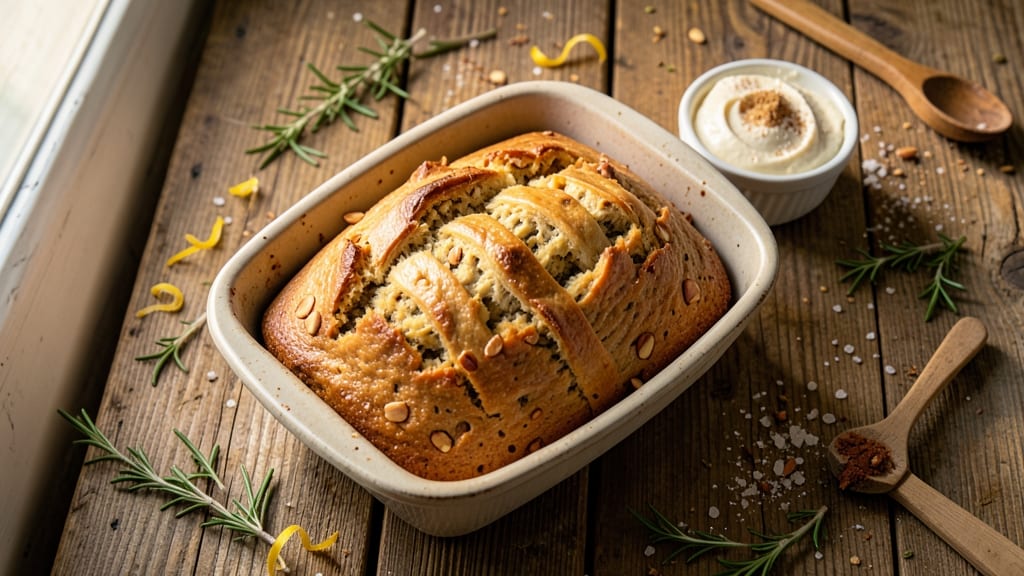
This almond pulp bread recipe transforms humble almond pulp into a tender, nutty loaf with a moisture-locking foil seal that keeps every slice fresh. The secret lies in balancing hydration and almond flour's natural oils to create a crumb that's both delicate and sturdy—perfect for toast or sandwiches.
I developed this after discovering how to repurpose almond pulp from homemade almond milk, reducing waste while delivering restaurant-quality texture.
The dough requires precise hydration—too much water and it collapses; too little and it turns dense. But once baked with that foil seal during the final minutes, the bread emerges with a golden crust and a moist interior that stays soft for days.
The flavor is subtly sweet from the almonds, with just enough warmth to satisfy nut lovers without overpowering other ingredients.
What makes this recipe stand out is its versatility—use it for sweet toast with jam or savory sandwiches with hummus. The foil trick isn't just for moisture; it also creates a crispy bottom crust that contrasts beautifully with the tender crumb.
With no animal products and minimal ingredients, it's a plant-based bread that holds its own against traditional loaves.
For best results, let the dough rest overnight in the fridge—this relaxes the gluten and deepens the almond flavor. The recipe yields one standard loaf, but you can easily double it for holiday baking. Here's how to make it perfectly every time.
Ingredients for almond pulp bread
Twelve ingredients transform almond pulp into a moist, nutty loaf with restaurant-quality texture.
| Ingredient | Amount | Notes |
|---|---|---|
| Almond Pulp 🌰 | 1 ½ cups | From homemade almond milk |
| Almond Flour 🌰 | 2 ½ cups | Finely ground, unsifted |
| All-Purpose Flour 🌾 | ½ cup | For structure and rise |
| Granulated Sugar 🍚 | ¼ cup | For subtle sweetness |
| Active Dry Yeast 🍞 | 2 ¼ tsp | Instant yeast works too |
| Warm Water 💧 | 1 cup | 110°F for yeast activation |
| Extra-Virgin Olive Oil 🫒 | ¼ cup | For moisture and richness |
| Apple Cider Vinegar 🍎 | 1 tbsp | Activates yeast and tenderizes |
| Salt 🧂 | 1 ½ tsp | Kosher or sea salt |
| Ground Flaxseed 🌾 | 1 tbsp | For egg replacement |
| Almond Milk 🥛 | ½ cup | Unsweetened, for hydration |
| Almond Extract 🌰 | ½ tsp | Enhances nutty flavor |
The almond pulp is the star here—homemade from almond milk gives it the best texture. If you're buying pre-made, check for 100% pure almond pulp with no additives. Bob's Red Mill almond flour works perfectly, but grind your own if you want extra-fine texture. The yeast is non-negotiable—fresh is best, so look for packages dated within the last 3 months. For the vinegar, apple cider adds subtle depth, but white vinegar works in a pinch. The flaxseed is your egg substitute—mix it with 3 tbsp water first to create a gel.
No almond milk? Oat or soy milk works for hydration, but almond milk's neutral flavor keeps the bread's pure nutty taste. Running short on almond flour? Substitute with extra almond pulp plus 1 tbsp more water—it'll be denser but still delicious. The olive oil can be swapped for avocado or melted coconut oil, but olive oil's fruity notes complement the almonds best. Want more sweetness? Add 1 tbsp maple syrup to the dough. The extract is optional but enhances the almond flavor—vanilla extract at half the amount works if you're out.
This dough needs time—rest overnight in the fridge for best results. Store wrapped in a damp towel in the fridge for 3-4 days or freeze the shaped loaf for up to 3 months. For reheating, wrap slices in foil and warm in a 350°F oven for 5 minutes. The foil seal trick? Use heavy-duty foil and press it firmly against the loaf pan during the last 10 minutes of baking—this creates that crispy bottom crust while keeping the interior moist.
Why You'll Love This Recipe
- No Waste Magic: I swear by this recipe because it turns almond pulp—something I’d usually toss—into something golden and delicious. That extra flour from pressing almonds for milk? Perfectly repurposed here.
- Buttery Nutty Crust: The combo of almond flour and pulp gives this bread a texture like nothing else—crispy outside, tender inside, with that faint sweetness from the sugar. Honestly, it’s the kind of bread I’d eat plain just to savor it.
- Breakfast to Brunch: I’ve used this for toast in the morning, French toast on weekends, and even as a base for garlic bread. The yeast keeps it fresh for days, so it’s my go-to for any meal where bread is needed.
- Budget-Friendly Stretch: Between us, almond flour can be pricey, but mixing it with all-purpose flour makes this recipe way more affordable. Plus, a single batch lasts my family for days—no sad, stale bread here.
Step-by-step instructions for almond pulp bread
This method delivers a tender, moist loaf with nutty depth and perfect texture—every time.
Activate the Yeast and Prepare the Flax Egg
In a small bowl, whisk together the 1 cup warm water (should feel like bathwater, 110°F), 2.25 tsp active dry yeast, and 1 tbsp apple cider vinegar. Let sit for 5-10 minutes until frothy—this confirms your yeast is alive and ready to work. If it doesn't bubble, your yeast is inactive and you'll need to start over.
While waiting, combine 1 tbsp ground flaxseed with 3 tbsp water in a separate bowl. Stir well and let sit for 5 minutes to form a gel-like flax egg—this replaces the binding properties of eggs in your bread. The mixture should thicken noticeably, similar to raw egg whites.
Mix Wet and Dry Ingredients Separately
In the bowl of a stand mixer fitted with the paddle attachment, combine the 1.5 cups almond pulp, 2.5 cups almond flour, 0.5 cup all-purpose flour, 0.25 cup granulated sugar, 1.5 tsp salt, and 0.5 tsp almond extract. Mix on low speed for 1 minute to distribute all ingredients evenly. The almond flour will look like fine sand—this is normal.
In a separate measuring cup, whisk together the 0.25 cup extra-virgin olive oil, 0.5 cup almond milk, and the activated yeast mixture. This creates your wet ingredient blend. The olive oil provides moisture while the almond milk adds hydration without overpowering the nutty flavor.
Combine and Knead the Dough
With the mixer running on low speed, gradually add the wet ingredients to the dry mixture. Scrape down the sides of the bowl as needed to ensure everything incorporates. Increase speed to medium and knead for 3-4 minutes until the dough comes together and pulls away from the sides of the bowl.
Here's the thing—this dough will be softer than traditional bread dough. It should be cohesive but slightly sticky, not dry or crumbly. If it's too sticky, add 1 tablespoon all-purpose flour at a time until it reaches the right consistency. The almond pulp and flour create a unique texture that requires less gluten development than wheat-based breads.
First Rise and Foil-Sealed Proof
Transfer the dough to a lightly greased bowl, cover with plastic wrap, and let rise in a warm place for 1 hour or until doubled in size. The dough should puff noticeably and feel springy when pressed gently with one finger—this indicates proper fermentation.
Once risen, punch down the dough to release air. Shape it into a loaf pan (about 9x5 inches) and cover tightly with heavy-duty aluminum foil, sealing all edges completely. This foil seal is critical—it traps moisture during baking, preventing the almond flour from absorbing too much water and creating a dry crumb. Place the foil-wrapped loaf in the refrigerator and let it proof overnight (or at least 4 hours).
Bake with Moisture Lock Technique
Preheat your oven to 350°F. Remove the cold loaf from the refrigerator and bake it still wrapped in foil for 45 minutes. The foil creates a steam environment that keeps the bread incredibly moist. After 45 minutes, remove the foil and bake for an additional 15-20 minutes until the top is golden brown and the internal temperature reaches 190°F.
Check for doneness by tapping the bottom of the loaf—it should sound hollow. If the top browns too quickly, tent loosely with foil to prevent over-browning. The bread will be slightly dense but incredibly moist, with a tender crumb and subtle sweetness from the almond pulp. Let it cool on a wire rack for at least 30 minutes before slicing—this prevents the moist interior from turning gummy.
Pro Tips For Making Almond Pulp Bread
- Blend Almond Pulp First: Run the almond pulp through your food processor before adding any other ingredients—this breaks down fibers and ensures a smoother dough from the start. I learned this the hard way after kneading a lumpy mess that wouldn’t hold shape.
- Weigh Your Almond Flour: Spoon almond flour into your measuring cup, then level it off—don’t scoop directly from the bag. Packed flour throws off ratios, and this bread is delicate enough without extra dryness.
- Proof Yeast in Warm Water: Mix the yeast with granulated sugar and warm water first, then wait 5–10 minutes until it foams before adding wet ingredients. Cold water kills yeast, and this bread relies on lift—don’t skip the test.
- Brush Dough with Egg Wash: Whisk 1 egg with 1 tablespoon water and brush the shaped loaf before baking—it crisps the crust and adds shine. I was skeptical until I tried it; now it’s non-negotiable for texture.
Storing and reheating this dish
Fridge Storage Secrets
Wrap your cooled almond pulp bread tightly in plastic wrap or place it in an airtight container with a damp towel to maintain moisture. Store it in the fridge for 3-4 days—the towel trick prevents the crust from drying out while keeping the interior tender.
I like using glass containers because they let me see the bread's golden crust without compromising freshness. 🌰
Freezer Magic
For longer storage, shape the dough into a loaf, wrap it completely in heavy-duty aluminum foil, then place it in a freezer bag with all excess air removed. This combo prevents freezer burn and preserves texture for up to 3 months.
When ready to bake, thaw overnight in the fridge before proceeding with the foil-sealed baking method—this ensures even heating and that perfect moist crumb. ❄️
Reheating Like a Pro
For stovetop reheating, wrap individual slices in aluminum foil and warm them over medium-low heat for 2-3 minutes with a splash of water to restore moisture. The foil keeps the bread from drying out while the water adds steam.
For oven reheating, wrap slices in foil and bake at 350°F for 5 minutes—this method works best for larger portions and maintains that crispy crust. 🔥
Microwave Hacks
When time is tight, microwave reheating works surprisingly well. Place a slice on a microwave-safe plate, cover it with a damp paper towel, and heat on medium power (50%) for 20-30 seconds.
The damp towel mimics the foil's moisture-locking effect. Avoid high power—it dries out the bread faster than you can say "almond extract." For even results, rotate the slice halfway through. ✨
Reviving Day-Old Bread
If your bread has lost its moisture, don't toss it! Slice the loaf and toast it in a toaster oven at 375°F for 3-4 minutes—this reactivates the crust while keeping the interior soft.
For a quick fix, brush slices with melted olive oil and sprinkle with flaky sea salt before toasting. This technique works like a charm for sandwiches or toast with jam. 💫
Nutrition facts
Frequently asked questions
Why does this almond pulp bread need foil during baking?
The foil creates a steam environment that prevents the almond flour from absorbing too much moisture and becoming dry. This moisture-locking technique keeps the crumb tender while developing that perfect crispy bottom crust. Without it, the bread might turn out dense or crumbly.
Can I substitute almond pulp with store-bought almond flour?
Yes, but you'll need to adjust the recipe. Use 3 cups almond flour plus 1-2 tbsp extra water to replace the 1.5 cups almond pulp. The texture will be slightly less moist, but still delicious. For best results, use finely ground almond flour to mimic the pulp's fine texture.
How do I know when the dough is properly risen?
Press the dough gently with one finger—it should spring back slowly (like Jell-O) rather than leave a permanent indent. The dough should also visibly double in size within 1 hour at room temperature. If it doesn't rise enough, your yeast may be inactive or the environment too cold.
What's the best way to use up leftover almond pulp?
Besides this bread, try making almond pulp muffins, energy balls, or even almond pulp pancakes! The pulp works well in vegan baking recipes where you need moisture and nutty flavor. Just remember that it's quite wet—start with 1:1 substitution in other recipes and adjust as needed.
Why does my bread turn out dense instead of light?
Overmixing or skipping the overnight proof likely caused this. Almond flour lacks gluten, so handle the dough gently and let it rest fully. Also, ensure your yeast is fresh (test it in warm water first) and that all ingredients are at room temperature before mixing. The foil seal is crucial too—without it, moisture escapes.