
Breakfast & Brunch
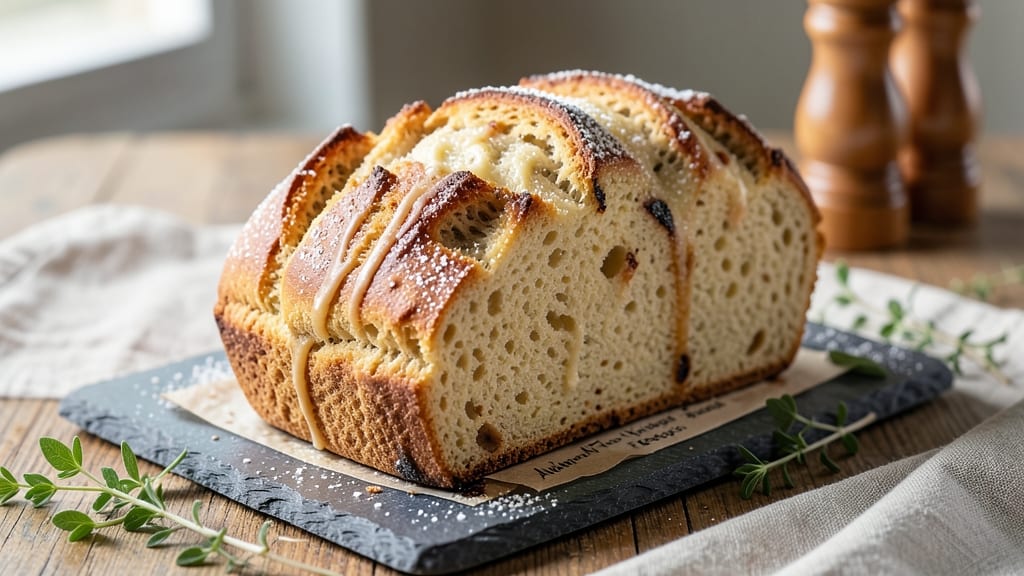
This almond flour yogurt bread recipe delivers a light, airy loaf that rivals traditional bread—without a single grain of gluten. 💛 The secret lies in combining almond flour's natural richness with vegan yogurt for moisture and structure, creating a tender crumb that's perfect for toast, sandwiches, or simply enjoying fresh from the oven.
What makes this recipe work is the careful balance of hydration and leavening—no special equipment required. We'll use aquafaba (chickpea brine) as an egg substitute for binding, while baking soda and baking powder ensure a proper rise.
The result is a loaf with a crispy, golden crust and a soft, slightly sweet interior that stays fresh for days.
Perfect for those avoiding gluten or dairy, this bread is also naturally lower in carbs and higher in protein than traditional white bread. The almond flour adds a subtle nuttiness that pairs beautifully with jam, butter, or your favorite spreads.
Let's get started on a recipe that proves plant-based baking can be just as satisfying.
For best results, measure your almond flour precisely—packing it lightly ensures the right texture. If your kitchen is humid, reduce the yogurt slightly to prevent a gummy crumb.
This recipe is designed to be your new go-to for breakfast, lunches, or anytime you crave fresh-baked bread without compromising on taste or texture.
Ingredients for almond flour yogurt bread
Eight simple ingredients transform into a loaf so light and fluffy, you'll forget it's gluten-free! 💛
| Ingredient | Amount | Notes |
|---|---|---|
| Almond Flour 🌰 | 3 cups | Finely ground, unsweetened |
| Unsweetened Vegan Yogurt 🥛 | 1 cup | Plain, full-fat preferred |
| Aquafaba 🌱 | ½ cup | From 1 can chickpeas |
| Granulated Sugar 🍚 | ¼ cup | Or coconut sugar |
| Baking Soda 🧂 | 1 tsp | Freshly opened |
| Baking Powder 🍞 | 1 ½ tsp | Double-acting preferred |
| Salt 🧂 | ½ tsp | Fine sea salt |
| Extra-Virgin Olive Oil 🫒 | ½ cup | High quality, fruity |
| Vanilla Extract 🌿 | 1 tsp | Pure vanilla preferred |
| Ground Flaxseed 🌾 | 1 tbsp | For extra binding |
| Water 💧 | ¼ cup | Room temperature |
| Ground Cinnamon 🌶️ | ½ tsp | Optional, for warmth |
Almond flour is the star here—Bob's Red Mill or Anthony's Goods are my go-tos for consistency. The finer the grind, the lighter your bread. Costco sells it in bulk for a steal, but check the date—it goes rancid fast. If your kitchen feels humid, reduce the yogurt by 2 tbsp to keep the crumb tender. The aquafaba? Save that chickpea brine from your last can—it's the secret to that egg-like binding without the cholesterol. Freshly ground flaxseed makes all the difference, so don't use pre-ground if it's been sitting in your pantry for months.
No aquafaba? 1 tbsp cornstarch + 1 tbsp water mimics its binding power in a pinch. Swapping the sugar? Maple syrup or agave at half the amount works, but it'll add moisture—adjust the yogurt down by 1 tbsp. For a nutty boost, toss in 1 tbsp chopped walnuts or pecans (toasted for extra flavor!). The olive oil should smell fruity and fresh—if it's rancid, toss it. And yes, that vanilla extract can be imitation, but pure Madagascar bourbon vanilla takes this from good to wow.
This bread keeps for 3-4 days at room temperature, wrapped in a clean kitchen towel to stay soft. For longer storage, slice and freeze—up to 3 months—then toast straight from frozen. The crust gets crispier with time, so don't rush it. Pro tip: Brush the loaf with a little extra olive oil right after baking for that restaurant-style shine. Leftovers? Toast them for breakfast or use for croutons—trust me, they're amazing.
Why You'll Love This Recipe
- No Mixer Needed: The almond flour and yogurt blend so smoothly with aquafaba—just stir until combined. No electric mixer, no fuss, and the texture turns out light as a cloud.
- Sweet & Tangy Magic: That yogurt’s tang cuts through the almond’s nuttiness while the sugar caramelizes just enough for a subtle crunch. Honestly, it’s the kind of bread I’ll make even when I’m not gluten-free.
- Weeknight & Picnic Star: Slice it for toast in the morning, pack it for lunch, or serve it warm with jam at a brunch. The crumb stays soft for days, and it’s the one loaf I never regret baking extra of.
- Budget-Friendly Luxury: Almond flour’s pricey reputation fades when you see how little you need—this recipe uses less than a cup. Plus, aquafaba replaces eggs for free, and leftovers turn into French toast that’s even better the second day.
Step-by-step instructions for almond flour yogurt bread
Here's how to create a light, fluffy gluten-free loaf that rises beautifully—no special skills needed!
👨🍳 Step 1: Mix Wet Ingredients for Perfect Texture
In a large mixing bowl, combine the 1 cup unsweetened vegan yogurt, 0.5 cup aquafaba, 0.5 cup extra-virgin olive oil, 0.25 cup granulated sugar, and 1 tsp vanilla extract. Whisk vigorously for 2-3 minutes until the mixture becomes thick and pale, nearly doubling in volume. You're creating air pockets here—the secret to that light, cloud-like texture.
Add the 1 tbsp ground flaxseed and 0.25 cup water, then whisk again until fully dissolved. The flaxseed acts as a binder, while the aquafaba (chickpea brine) mimics eggs perfectly. Here's the thing—don't rush this step. You'll know it's ready when you can see clear streaks in the mixture that hold for a few seconds.
👨🍳 Step 2: Combine Dry Ingredients Gently
In a separate bowl, sift together the 3 cups almond flour, 1.5 tsp baking powder, 1 tsp baking soda, 0.5 tsp salt, and 0.5 tsp ground cinnamon (if using). This prevents lumps and ensures even distribution of leavening agents throughout the batter.
With the mixer on low speed, gradually add the dry ingredients to the wet mixture. Mix just until combined—about 20-30 seconds. Real talk: Overmixing develops gluten-like proteins in the almond flour, which makes the bread dense instead of light. You want to see a few flour streaks remaining, not a completely smooth batter.
🥘 Step 3: Prepare the Loaf Pan and Pour Batter
Preheat your oven to 350°F. Lightly grease a 9x5-inch loaf pan with olive oil or line it with parchment paper for easy removal. Pour the batter into the prepared pan and smooth the top with a spatula. Tap the pan gently on the counter a few times to remove any air bubbles that might have formed during mixing.
Here's where patience pays off: Let the batter rest at room temperature for 15-20 minutes. This allows the almond flour to fully hydrate and the baking powder to activate completely. You'll notice the batter might look slightly thickened—this is normal and actually helps with the rise.
🔥 Step 4: Bake to Golden Perfection
Place the loaf pan in the preheated oven and bake for 45-50 minutes. The bread is done when the top is golden brown and a toothpick inserted into the center comes out clean. I know it seems counterintuitive—almond flour bread doesn't brown like wheat bread—but trust the toothpick test over color.
If the top starts browning too quickly, tent the pan with aluminum foil. The bread should have a slightly domed top with a tender crumb inside. Here's the crucial part: Don't open the oven door during baking. Every time you peek, you risk collapsing that beautiful rise you've worked so hard to achieve.
⏰ Step 5: Cool and Slice for Maximum Fluffiness
Remove the bread from the oven and let it cool in the pan for 10 minutes. Then transfer it to a wire rack to cool completely. I know it's tempting to slice into it warm, but waiting ensures clean slices and prevents the bread from falling apart.
Once fully cooled, slice the bread into ½-inch thick pieces. Each slice should have a delicate crumb with a slightly crisp exterior. The texture should be light and airy, not dense or crumbly. If you're making this for sandwiches, the bread will hold up beautifully—no soggy centers here!
Pro Tips For Making Almond Flour Yogurt Bread
- Mix the Aquafaba First: Mix the aquafaba with the sugar until it’s thick and glossy—about 2 minutes with a whisk—before adding anything else. I learned this the hard way: skipping it means your bread turns out dense instead of light and airy. (Yes, even if you’re impatient like me.)
- Use Cold Yogurt: Keep your unsweetened vegan yogurt chilled until the very last second before mixing. Warm yogurt makes the almond flour absorb moisture too fast, and your batter will turn into a sticky mess instead of a smooth, workable dough. Trust me, your future self will thank you.
- Don’t Overmix the Dough: Once you fold in the baking soda and almond flour, stop as soon as it’s just combined—no need to overwork it. Overmixing activates the gluten (yes, almond flour has a little) and makes the bread tough. Think "just until no dry spots remain," not "until it looks like pancake batter."
- Bake at 325°F, Not Higher: This isn’t a race—set your oven to 325°F and bake for the full time. I used to crank it to 350°F to speed things up, but the outside burned before the center set, leaving me with a crispy shell and a gummy middle. Low and slow guarantees an even bake every time.
Troubleshooting this dish
Dense or Gummy Texture
If your bread turns out dense or gummy, the issue is likely over-hydration or under-mixed dry ingredients. Almond flour absorbs moisture differently than wheat flour, so if your kitchen is humid or you used too much yogurt, reduce it by 2 tablespoons next time.
Also, ensure your baking powder and soda are fresh—old leaveners lose potency. For extra insurance, whisk the dry ingredients separately and sift them directly into the wet mixture to prevent clumping. 💫
Poor Rise or Flat Top
A flat loaf usually means the baking powder/soda didn’t activate properly or the batter rested too long before baking. First, check your oven temperature—use an oven thermometer to confirm it’s at 350°F. Second, don’t skip the 15-20 minute rest before baking; this lets the leaveners work.
If the problem persists, try adding ½ teaspoon apple cider vinegar to the wet ingredients—it boosts rise by activating baking soda faster.
Cracked or Burnt Crust
Cracking or excessive browning happens when the outside cooks too fast while the inside stays underdone. To fix this, tent the loaf with foil after 20 minutes of baking to slow the top’s browning.
For a more even crust, brush the top with a little olive oil before baking—this creates a barrier that prevents rapid drying. If your oven runs hot, lower the temperature to 325°F and bake for 55-60 minutes instead.
Dry or Crumbly Bread
Dryness often stems from over-baking or too much almond flour. Since almond flour lacks gluten, it can dry out quickly. Pull the bread out when the toothpick test is clean (not before!).
If the crumb is crumbly, try adding 1 tablespoon of aquafaba or yogurt to the batter next time. For extra moisture, brush the cooled loaf with melted coconut oil—it adds richness without altering flavor.
Stale Too Quickly
Almond flour bread dries out faster than wheat bread because of its low moisture content. To keep it fresh longer, store it in an airtight container with a damp paper towel inside.
For reheating, wrap slices in foil and warm in a 350°F oven for 5-7 minutes—this restores softness without making them soggy. Freezing slices works too: toast straight from frozen for a crispy, fresh-baked texture. ✨
Nutrition facts
Frequently asked questions
Can I substitute regular yogurt for vegan yogurt in this recipe?
Technically yes, but it won't be vegan. Regular yogurt will work fine for texture, but the recipe's protein content will increase slightly. For best results, use full-fat yogurt (dairy or plant-based) as the fat content helps create that tender crumb. If using dairy yogurt, you can omit the aquafaba since eggs won't be needed for binding.
Why does my almond flour bread turn out dense instead of light and fluffy?
This usually happens from overmixing the batter or using old leavening agents. Mix just until combined (about 20-30 seconds) and always check that your baking powder and soda are fresh. Also, ensure you're using finely ground almond flour—coarse flour can create a heavier texture. The 15-20 minute rest before baking is crucial for proper hydration.
How can I make this bread sweeter or more flavorful?
Add 1-2 tablespoons of honey or maple syrup to the wet ingredients for natural sweetness, or sprinkle ½ teaspoon cinnamon + 1 tablespoon chopped nuts on top before baking. For extra richness, brush the cooled loaf with melted coconut oil. The vanilla extract already adds depth, but a pinch of nutmeg or cardamom works beautifully too!
Can I make this bread in a different pan shape?
Yes! For a round loaf, use a 7-inch springform pan and reduce baking time by 5-10 minutes. For mini loaves, divide batter among 4 greased ramekins and bake for 25-30 minutes. The key is maintaining the same batter depth (1-1.5 inches) to ensure even baking. Always reduce baking time by 5 minutes when using darker-colored pans.
How do I store leftovers to keep them fresh?
Wrap the cooled loaf tightly in plastic wrap or store in an airtight container with a damp paper towel inside to prevent drying. It stays fresh for 3-4 days at room temperature. For longer storage, slice and freeze—up to 3 months. Toast straight from frozen for maximum crispiness, or reheat slices wrapped in foil at 350°F for 5-7 minutes.