
Side Dishes
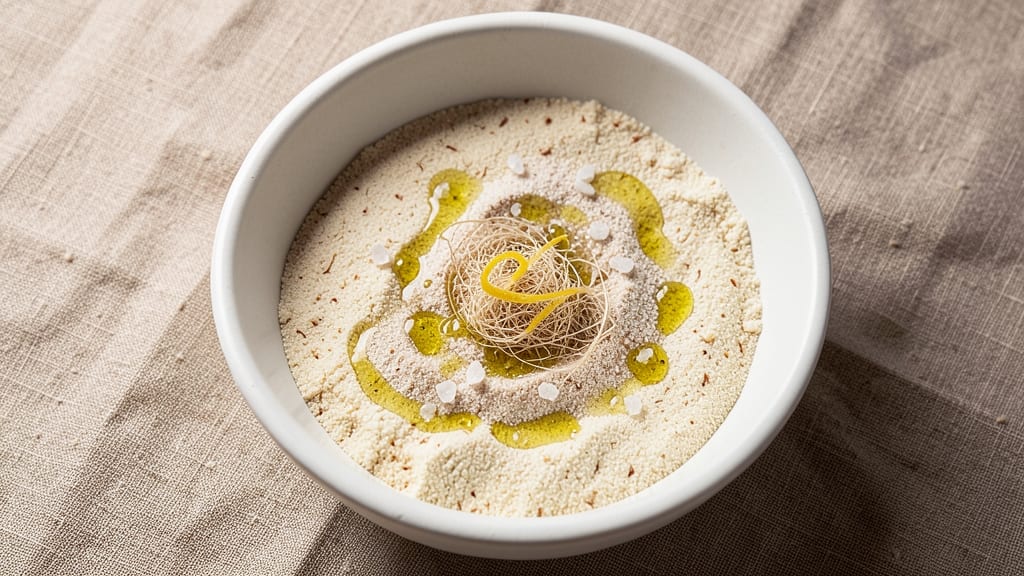
This almond flour unleavened bread delivers a nutty, crunchy crust with a surprisingly soft interior—perfect for gluten-free diets and grain-free lifestyles. The secret lies in precise hydration ratios and gentle shaping, ensuring a texture that surprises even skeptics of almond flour baking.
Unlike traditional bread, this version requires no yeast or lengthy proofing, making it ideal for quick preparation without compromising on flavor or structure.
What sets this recipe apart is its versatility—use it for dipping in soups, as a base for open-faced sandwiches, or simply toasted with butter. The almond flour provides natural sweetness and a satisfying crunch, while the interior remains tender and lightly chewy.
For added depth, consider incorporating herbs like rosemary or seeds such as flax or chia, which enhance both nutrition and texture.
The baking process is straightforward but critical: a high-temperature oven creates that coveted crispy crust, while careful monitoring prevents over-browning. Once baked, the bread stays fresh for days when stored properly, making it a practical addition to any meal plan.
Whether you're accommodating dietary restrictions or simply exploring nutritious baking, this recipe delivers restaurant-quality results at home.
With just five core ingredients and 30 minutes of active time, you’ll have a batch of bread that’s as nutritious as it is delicious. The absence of gluten and grains doesn’t mean sacrificing texture—this bread holds its shape and satisfies like traditional loaves. Ready to bake? Let’s get started.
Ingredients for almond flour unleavened bread
Five core ingredients transform into a nutty, crunchy-crusted loaf without yeast or gluten.
| Ingredient | Amount | Notes |
|---|---|---|
| Blanched Almond Flour 🌰 | 2 ½ cups | Finely ground for smooth texture |
| Tapioca Starch 🌾 | ½ cup | Binds ingredients for structure |
| Extra-Virgin Olive Oil 🫒 | ½ cup | High-quality for richness |
| Psyllium Husk Powder 🌿 | 2 tbsp | Essential for gluten-free binding |
| Sea Salt 🧂 | 1 ½ tsp | Fine grain preferred |
| Warm Water 💧 | ¾ cup | Room temperature for activation |
| Ground Flaxseed 🌾 | 1 tbsp | Optional for added nutrition |
| Dried Rosemary 🌿 | 1 tsp | Crushed for aromatic depth |
| Sesame Seeds 🌰 | 1 tbsp | For decorative crust texture |
The almond flour is non-negotiable—blanched and finely ground ensures optimal texture. Bob's Red Mill or Anthony's Goods brands deliver consistent quality, but any finely ground almond flour works if sifted for smoothness. Psyllium husk powder is the secret to gluten-free binding; NOW Foods offers a reliable source. Rosemary adds depth, but dried thyme or oregano work equally well. The sesame seeds aren't just decorative—they create a satisfying crunch on the crust's surface, enhancing the bread's signature texture.
No psyllium husk? Xanthan gum at half the amount provides similar binding, though texture may vary slightly. Substitute olive oil with avocado oil for a neutral flavor profile. For added sweetness, incorporate 1 tbsp maple syrup into the water mixture. Almond flour prices fluctuate—Costco bulk bins often offer competitive rates. If using pre-ground almond flour, sift it thoroughly to prevent graininess in the final loaf. The warm water should be 100°F or below to avoid activating the psyllium prematurely.
Mix all ingredients immediately after combining water and psyllium—the dough thickens rapidly. Shape the loaf within 15 minutes of mixing for optimal texture. For storage, keep the bread in an airtight container at room temperature for up to 5 days. To revive stale bread, warm in a 200°F oven for 5-10 minutes with a damp towel. Freeze portions for up to 3 months by wrapping tightly in plastic wrap before placing in a freezer bag.
Why You'll Love This Recipe
- No-Mix Magic: I swear by this recipe—just whisk the almond flour, tapioca starch, and psyllium husk with olive oil until it clumps like wet sand. No kneading, no waiting for dough to rise, just shape and bake. Honestly, I’ve made it while scrolling through my phone.
- Nutty Crunch Perfection: That first bite? The tapioca starch gives it a satisfying chew, while the almond flour adds a buttery, toasted richness. Drizzle it with olive oil right out of the oven, and it’s like eating a gourmet flatbread—no fancy bakery needed.
- Meal Prep MVP: Between us, this bread is my go-to for lunches, sandwiches, or even as a base for dips. It stays fresh for days (yes, even without a breadbox) and reheats in seconds. I pack it for work, toss it in my bag for picnics—it’s my secret weapon for busy weeks.
- Budget-Friendly Luxury: Almond flour might sound pricey, but a little goes a long way here. The psyllium husk stretches the dough just enough to feed two people for next to nothing, and the olive oil adds depth without breaking the bank. It’s the kind of recipe that makes you feel fancy without the grocery bill.
Step-by-step instructions for almond flour unleavened bread
This gluten-free bread delivers a perfect balance of crispy crust and tender interior using precise technique.
Combine Dry Ingredients for Optimal Texture
In a large mixing bowl, whisk together the 2.5 cups blanched almond flour and 0.5 cup tapioca starch until completely homogeneous. This combination creates the structural foundation for your bread—almond flour provides the nutty flavor while tapioca starch improves binding and moisture retention. Sift the mixture through a fine-mesh sieve to eliminate any lumps, which could create uneven texture in your final loaf.
Next, add the 2 tbsp psyllium husk powder and 1.5 tsp sea salt, whisking vigorously for 30 seconds to ensure even distribution. Psyllium husk is crucial here—it mimics gluten's binding properties in gluten-free baking. The salt should be finely ground to dissolve completely and enhance flavor without graininess. Set this dry mixture aside while you prepare the wet ingredients.
Create the Wet Binding Matrix
In a separate bowl, combine the 0.5 cup extra-virgin olive oil and 0.75 cup warm water (about 110°F). The olive oil should be at room temperature—cold oil won't incorporate properly, while warm oil prevents the almond flour from absorbing too quickly. Add the 1 tbsp ground flaxseed and 1 tsp dried rosemary, mixing until the rosemary is completely dispersed and the oil becomes uniformly infused with its aromatic qualities.
This wet mixture serves as the binding agent for your bread. The flaxseed adds nutritional value while improving moisture retention, and the rosemary contributes herbal depth that pairs beautifully with the nutty almond flavor. The olive oil not only binds ingredients but also creates that signature moist interior texture that distinguishes this bread from traditional unleavened varieties.
Hydrate and Knead the Dough
Gradually pour the wet mixture into the dry ingredients while mixing with a wooden spoon. Begin on low speed if using an electric mixer, or stir vigorously by hand. You'll notice the mixture initially appears dry and crumbly, but as you continue mixing for 2-3 minutes, the psyllium husk will begin activating, creating a cohesive dough that pulls away from the sides of the bowl.
The dough should form a thick, shaggy mass that holds together when pressed gently. If it appears too dry, add 1-2 teaspoons of warm water at a time until it reaches this consistency. Overworking the dough at this stage can develop gluten-like properties in the psyllium, so mix just until fully combined—approximately 3-4 minutes total. The dough will be denser than traditional bread dough, which is normal for gluten-free formulations.
Shape and Rest for Structural Integrity
Transfer the dough to a lightly floured surface and gently shape it into a 9x5-inch loaf by pressing and folding the edges inward. The dough will be firm and slightly sticky, but resist the urge to overhandle it. Use a bench scraper to create clean edges and ensure even thickness throughout. This shaping step is critical for achieving uniform baking and that characteristic crust texture.
Place the shaped loaf on a parchment-lined baking sheet and cover it loosely with plastic wrap. Allow it to rest at room temperature for 30 minutes. This resting period lets the psyllium husk fully hydrate and the dough relax slightly, preventing excessive spreading during baking. While resting, preheat your oven to 350°F—this temperature ensures proper moisture evaporation for that crispy crust while maintaining a tender interior.
Bake to Crispy Perfection
Remove the plastic wrap and brush the top of the loaf with a thin layer of water using a pastry brush. Immediately sprinkle the 1 tbsp sesame seeds evenly over the top, pressing them gently into the surface. This creates both visual appeal and that signature crunchy crust texture. Bake in the preheated oven for 40-45 minutes until the internal temperature reaches 205°F and the top is deep golden brown.
The bread is done when it develops a crisp exterior with a hollow sound when tapped on the bottom. If the top browns too quickly, tent loosely with aluminum foil after 25 minutes to prevent over-browning while allowing the interior to cook through. Remove from the oven and let cool on a wire rack for at least 20 minutes before slicing—this resting period allows the internal structure to set properly and prevents crumbling.
Pro Tips For Making Almond Flour Unleavened Bread
- Mix the Psyllium Last: I learned this the hard way—adding psyllium husk powder too early makes the dough gummy and sticky. Wait until you’ve combined the almond flour, tapioca starch, and olive oil, then sprinkle the psyllium over the wet ingredients and fold it in just until the dough comes together. Overmixing after this point is the fastest way to ruin the texture.
- Preheat Pan to 375°F: This isn’t just about temperature—it’s about even baking. A cold pan means the edges cook slower than the center, leading to a dense, uneven crumb. Give your skillet or baking dish 10 minutes in the oven to heat through, then add the dough. Trust me, the first batch where you skip this will taste noticeably different.
- Skip the Sieve for Tapioca: Sifting tapioca starch is a waste of time—it’s already fine. Instead, weigh it directly into your mixing bowl (a kitchen scale makes this foolproof) and use a fork or rubber spatula to break up any clumps before adding the almond flour. Smoother dough, less cleanup.
- Press Gently, Not Hard: The dough will feel fragile, but resist the urge to press it down aggressively when shaping. A light hand prevents compacting the almond flour, which keeps the bread tender. Think "gently coax" rather than "force it"—your future self will notice the difference in crumb.
Pro cooking tips for almond flour unleavened bread
Psyllium Activation
Psyllium husk powder is the game-changer for gluten-free binding, but timing is everything. Once you mix it with warm water, it begins activating immediately—think of it like instant pudding forming.
I recommend measuring the water first, then adding it to the psyllium in a small bowl before combining with other wet ingredients. This ensures even hydration and prevents clumping. Stir vigorously for 30 seconds until you see a gel-like consistency forming.
If you skip this step, your bread may turn out dense or crumbly. 💫
Dough Consistency
The dough will feel uncooperative at first—it's normal for gluten-free mixtures to resist forming a smooth ball. What you're aiming for is a thick, shaggy mass that holds together when pressed gently (not a stretchy, elastic dough).
If it's too dry, add 1 teaspoon warm water at a time until it just comes together. Overmixing after this point can create a tough texture, so stop as soon as the ingredients are fully combined.
I've found that using a silicone spatula helps scrape every bit of dough from the bowl without overworking it.
High-Temp Crust Trick
For that signature crispy crust, preheat your oven to 350°F and place a small baking sheet on the lower rack. This creates a convection effect that promotes even browning. About 10 minutes before the bread is done, increase the oven temperature to 375°F to intensify the crust color.
I also recommend brushing the loaf with water before sprinkling sesame seeds—this creates a crispy, shatter-like texture on the crust that's irresistible. Just be careful not to overdo it, or you'll end up with a burnt exterior while the interior remains undercooked. ⚡
Resting Prevention
Many home bakers skip the 30-minute rest because they're eager to bake, but this step is non-negotiable for structural integrity. During resting, the psyllium continues hydrating and the dough relaxes, preventing excessive spreading in the oven.
If you're short on time, place the covered loaf in the fridge for 15 minutes to speed up the process. Pro tip: Use this time to preheat your oven and prepare your baking sheet with parchment paper. The last thing you want is a sticky mess when transferring the dough.
Internal Temp Check
Your bread is done when the internal temperature reaches 205°F—this is more reliable than visual cues alone. I use a digital thermometer with a thin probe to check the center of the loaf.
If you don't have one, tap the bottom: it should sound hollow when fully baked. For extra assurance, slice into the loaf—if the interior is slightly undercooked but the edges are set, return it to the oven for 5-10 minutes to finish cooking.
This bread continues cooking slightly after removal from the oven, so it's better to pull it out a touch early than risk overbrowning. 🌡️
Cool Properly
Resist the urge to slice immediately! The bread needs 20-30 minutes of cooling time to set its structure properly. During this time, the moisture redistributes and the crumb firms up. I place my loaf on a wire rack instead of the baking sheet to prevent sogginess.
If you're impatient, slice carefully after 10 minutes, but you'll notice the texture is more fragile. For best results, wait until it's completely cooled before serving or storing. This patience pays off with clean slices and that perfect balance of crispy crust and tender interior.
Nutrition facts
Frequently asked questions
Can I make this bread without psyllium husk?
Yes, but the texture will be less cohesive. Replace the 2 tbsp psyllium husk with 1 tbsp xanthan gum or 1 tbsp ground flaxseed plus 3 tbsp extra water. These alternatives provide binding but may result in a denser crumb. For best results, use 1/4 tsp xanthan gum if you have it—it mimics gluten's properties most effectively.
How do I store this bread to keep it fresh?
Store in an airtight container at room temperature for 5 days or freeze for 3 months. To revive stale bread, warm in a 200°F oven for 5-10 minutes with a damp towel. For longer freshness, slice and freeze individual portions—this prevents the whole loaf from drying out. The sesame seed crust stays crispy when stored properly!
Why did my bread turn out crumbly?
Overmixing the dough or skipping the 30-minute rest are common causes. The psyllium needs time to fully hydrate—if you bake too soon, it won't bind properly. Also, ensure your almond flour is finely ground (not almond meal) and that all ingredients were mixed thoroughly. For extra structure, add 1 tbsp extra tapioca starch next time.
Can I add sweet ingredients like honey or cinnamon?
Replace the rosemary with 1 tsp cinnamon and add 1 tbsp maple syrup to the water mixture for a lightly sweet version. For extra richness, fold in 1/4 cup chopped dates or 1/4 cup shredded coconut before shaping. These additions work best when balanced with the nutty almond flavor.
Is this bread suitable for Passover?
Yes, this recipe is naturally gluten-free and leavening-free, making it perfect for Passover. Just ensure your almond flour is certified kosher for Passover (check labels) and that all other ingredients meet your dietary requirements. The absence of yeast and grains aligns with traditional Passover restrictions.