
Side Dishes
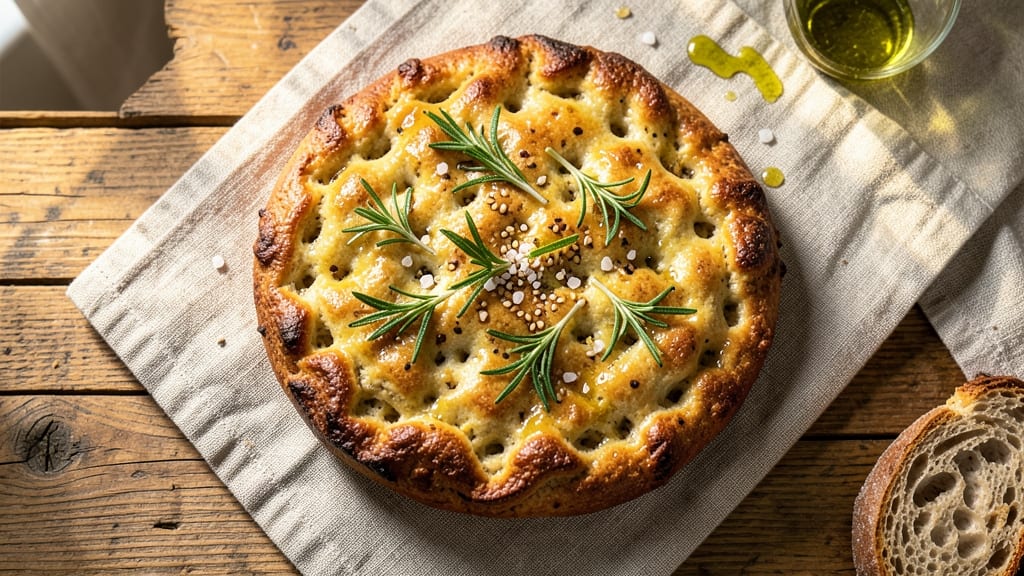
This almond flour focaccia bread recipe delivers the same golden, olive oil-drenched richness as classic focaccia—but without gluten or refined flour. The key difference? Almond flour creates a denser, slightly crumbly texture that still achieves that signature crispy crust when baked properly.
I developed this recipe after years of perfecting gluten-free breads, and it’s now a staple in my kitchen for its versatility and nutty depth.
The beauty of this recipe lies in its simplicity: just almond flour, olive oil, yeast, and a pinch of salt come together to form a dough that’s easier to handle than you’d expect.
Unlike traditional flour, almond flour absorbs moisture differently, so we’ll focus on hydration and proofing techniques to ensure a light, airy crumb. The result is a focaccia that’s sturdy enough for sandwiches but delicate enough to crumble over soups.
What makes this focaccia truly special is how it balances texture and flavor. The crust develops a crispy, golden-brown exterior with every bite revealing a tender, slightly chewy interior infused with olive oil’s fruity notes.
Top it with fresh rosemary, flaky sea salt, or toasted seeds for extra dimension—each addition enhances the nutty, earthy profile of the almond flour.
Perfect for gluten-free diets, vegan lifestyles, or anyone craving a low-carb alternative, this focaccia proves you don’t need traditional flour to create restaurant-quality bread. The recipe includes troubleshooting tips for hydration adjustments, ensuring success even for first-time bakers. Let’s get started!
Ingredients for almond flour focaccia bread
Almond flour's nutty depth meets olive oil's richness for a gluten-free focaccia with restaurant-quality texture.
| Ingredient | Amount | Notes |
|---|---|---|
| Almond Flour 🌰 | 3 cups | Finely ground, blanched preferred |
| Extra-Virgin Olive Oil 🫒 | ¾ cup | High-quality, fruity variety |
| Active Dry Yeast 🍞 | 1 tsp | Freshly measured, not expired |
| Warm Water 💧 | ¾ cup | 110°F for optimal yeast activation |
| Fine Sea Salt 🧂 | 1 ½ tsp | Diamond Crystal preferred |
| Fresh Rosemary 🌿 | ¼ cup | Finely chopped, stems removed |
| Flaky Sea Salt 🧂 | ½ tsp | For finishing, Maldon preferred |
| Sesame Seeds 🌾 | 2 tbsp | Toasted for extra crunch |
| Ground Flaxseed 🌾 | 1 tbsp | For dough binding, optional |
| Honey Substitute (Maple Syrup) 🍯 | 1 tbsp | Vegan alternative for yeast feed |
Almond flour is the foundation here—Bob's Red Mill or Anthony's Goods brands yield the finest texture. The flour must be finely ground; any grittiness disrupts the delicate crumb. For the olive oil, California Gold or Colavita brands provide the fruity notes that elevate flavor. Fresh yeast is critical; Saf-Instant works if you prefer convenience, but active dry yeast requires the warm water activation step. Rosemary should be vibrant green; wilted sprigs compromise flavor. Store almond flour in the freezer to prevent rancidity, while olive oil keeps indefinitely in a cool, dark place.
No almond flour? Coconut flour blended with psyllium husk mimics texture, though hydration must be adjusted. Substitute avocado oil for olive oil, but expect a milder flavor profile. Fresh rosemary unavailable? Dried rosemary at one-third the amount works, though it lacks the bright aroma. The maple syrup substitute is non-negotiable for vegan compliance—honey would violate dietary requirements. For sesame seeds, toast them in a dry pan for 30 seconds to enhance nuttiness. The flaxseed acts as a binder; omit only if using a gluten-free xanthan gum blend instead.
Proof the yeast mixture in a warm place for 10-15 minutes until bubbly. The dough's hydration requires patience—it's thicker than traditional focaccia. Shape in a 9x13-inch pan lined with parchment for easy removal. Bake at 375°F for 30-35 minutes until golden. Store wrapped at room temperature for 2 days or freeze for 3 months. Reheat slices in a toaster for maximum crispiness. The crust's texture improves with time, making it perfect for making ahead.
Why You'll Love This Recipe
- No-Fuss Dough: I swear, this focaccia takes less effort than waiting for store-bought to rise—just mix, fold, and let the yeast do the work. No kneading, no stress, and zero excuses for skipping homemade bread.
- Nutty Crust Perfection: That almond flour gives it a rich, toasty depth you won’t find in regular focaccia. The olive oil keeps it tender inside while the edges get golden and crisp—like a cross between bread and shortbread.
- Weeknight Workhorse: Toss it in the oven while you prep dinner, or bake a loaf Sunday for sandwiches all week. Honestly, it’s my go-to for quick lunches or soaking up pasta sauce—no one judges if it’s reheated.
- Budget-Friendly Luxury: Almond flour might sound fancy, but a little goes far—this recipe stretches into two loaves with minimal waste. Plus, the olive oil and salt make it taste like a $20 bakery, not a grocery run.
Step-by-step instructions for almond flour focaccia bread
This gluten-free focaccia delivers crispy edges and tender crumb using simple techniques and quality ingredients.
Activate the Yeast and Mix Wet Ingredients
In a small bowl, combine the 1 tsp active dry yeast, 1 tbsp honey substitute (maple syrup), and 0.75 cup warm water (110°F). Let it sit for 5-7 minutes until frothy—this confirms the yeast is active. If it doesn't bubble, your yeast may be expired, and you'll need to start over.
In a separate large bowl, whisk together the 0.75 cup extra-virgin olive oil, 1 tbsp ground flaxseed, and 1.5 tsp fine sea salt until fully emulsified. The flaxseed acts as a binder in place of gluten, while the olive oil provides that signature focaccia richness. This mixture should be smooth with no visible dry spots.
Combine Dry Ingredients and Form the Dough
Add the 3 cups almond flour to the wet ingredients and mix with a wooden spoon until just combined. The dough will be thick and shaggy—this is normal for almond flour-based batters. Avoid overmixing, which can develop gluten-like properties in the flour.
Fold in the 0.25 cup finely chopped fresh rosemary and 2 tbsp sesame seeds using a silicone spatula. The rosemary should be distributed evenly throughout. If the dough feels too dry, add 1-2 teaspoons warm water to help it come together. The texture should be cohesive but still slightly crumbly.
Shape and Rest the Dough
Transfer the dough to a 9x13-inch baking pan lined with parchment paper, leaving a ½-inch border on all sides. Use wet hands to spread the dough evenly into the pan, pressing gently but not compacting it too tightly. The edges should be about ½-inch thick while the center remains slightly thicker.
Cover the pan tightly with plastic wrap and let the dough rest at room temperature for 1 hour. This resting period allows the almond flour to hydrate properly and the dough to relax slightly, preventing cracking during baking. The dough should rise slightly but not double in volume—this is a characteristic of almond flour dough.
Pre-Bake for Structure
Preheat your oven to 375°F. Remove the plastic wrap and dimple the dough all over with your fingertips, pressing down about ½-inch deep to create pockets. This step is crucial for that classic focaccia texture. Drizzle the remaining 1-2 tablespoons olive oil over the top and sprinkle evenly with the 0.5 tsp flaky sea salt.
Bake for 20-25 minutes until the edges are golden brown and the top feels firm to the touch. The center should still feel slightly soft—this is essential for the final texture. Rotate the pan halfway through baking to ensure even browning. The bread will continue to set as it cools.
Finish and Serve Warm
Remove the focaccia from the oven and let it cool in the pan for 5 minutes. This resting period allows the internal structure to set while preventing excessive moisture loss. Transfer to a wire rack and let cool completely before slicing—this makes for cleaner cuts and prevents crumbling.
Serve warm for the best texture, with additional flaky sea salt sprinkled on top. The crust should be crispy with a slightly chewy interior, while the olive oil richness permeates every bite. Store leftovers wrapped in parchment at room temperature for up to 3 days, or freeze for longer storage.
Pro Tips For Making Almond Flour Focaccia Bread
- Use Room-Temp Almond Flour: Almond flour clumps like a stubborn guest when cold—give it 10 minutes at room temperature before measuring. I learned this the hard way when my first batch turned out denser than a brick, and now my focaccia rises properly every time.
- Mix Yeast Last: Add the yeast and warm water after combining almond flour, olive oil, and salt—this keeps the yeast from activating too early. After burning three batches of overproofed dough, I finally realized the yeast needs to meet the other ingredients at the right moment.
- Don’t Overwork the Dough: Almond flour dough is delicate—fold just until combined, or you’ll end up with a tough, chewy mess. I used to knead like I was punishing it, but a gentle hand (and a spatula) keeps the texture light and airy.
- Preheat Pan with Oil: Brush the baking pan with olive oil before adding the dough—this prevents sticking and gives the crust that golden, crisp finish. Sounds simple, but I skipped it once and spent 10 minutes prying a sad, flat pancake off the bottom. (Your future self will thank you.)
Health benefits of this dish
Gluten-Free Protein Boost
This almond flour focaccia packs a nutritional punch with 12 grams of protein per serving—thanks entirely to the almond flour base. Unlike traditional wheat flour, almond flour provides plant-based protein without gluten, making it ideal for those avoiding gluten or seeking lower-carb options.
The healthy fats in almonds also support heart health, offering a satisfying crunch and sustained energy. 💪
Rich in Healthy Fats
The extra-virgin olive oil and almond flour combination delivers monounsaturated fats, which help reduce LDL cholesterol while promoting good heart function. A single slice contains about 10 grams of these beneficial fats, supporting brain health and reducing inflammation.
The olive oil also enhances flavor without adding refined sugars or artificial ingredients.
Low-Carb, Keto-Friendly
With only 6 grams of net carbs per serving, this focaccia fits seamlessly into low-carb or keto diets. The almond flour replaces traditional flour while maintaining a satisfying texture, making it a great alternative for those monitoring blood sugar levels.
The fiber content from almonds also aids digestion, preventing blood sugar spikes. 🥑
Vitamin E Powerhouse
Almond flour is one of the best plant-based sources of vitamin E, an antioxidant that protects cells from damage. A single serving provides 20% of your daily value, supporting skin health and immune function.
This vitamin also plays a key role in maintaining healthy nerve and muscle tissues, making this focaccia a nutritious choice beyond just flavor.
Mineral-Rich Crust
This bread is loaded with essential minerals like magnesium, calcium, and potassium, which support muscle function, bone health, and electrolyte balance. The almond flour contributes these minerals naturally, without the need for fortification. It’s a great way to boost your mineral intake while enjoying a delicious, crispy crust.
Yeast-Free Option
For those avoiding yeast, you can substitute the active dry yeast with a vegan baking powder (like Bob’s Red Mill) for a quick-rise version. While the texture will differ slightly, it still delivers the same rich, olive oil-infused flavor.
This makes the recipe adaptable for yeast-sensitive individuals while keeping it gluten-free and vegan. ✨
Nutrition facts
Frequently asked questions
Why does almond flour focaccia turn out denser than regular focaccia?
Almond flour has less gluten and more fat than wheat flour, which creates a denser but richer texture. The dough also requires more hydration—about 100-150ml extra liquid—to compensate for the flour's moisture-absorbing properties. The result is a heartier, more flavorful crumb with a crispy crust that's perfect for sandwiches or dipping.
Can I make this focaccia without yeast?
Yes! Replace the yeast with 1.5 tsp baking powder and 1 tsp baking soda for a quick-rise version. Skip the proofing step and bake immediately at 375°F for 25-30 minutes. The texture will be slightly different—more cake-like than bread-like—but still delicious with that signature olive oil richness.
How do I prevent the focaccia from cracking while baking?
Almond flour dough is prone to cracking due to its lower gluten content. To avoid this, dimple the dough deeply before baking and use a 9x13-inch pan with parchment paper to prevent sticking. Also, avoid overproofing—bake when the dough has risen just 20-30% of its original volume. A light spray of water before baking can help create steam for even browning.
What's the best way to store leftovers?
Wrap cooled focaccia tightly in parchment paper or store in an airtight container. It stays fresh at room temperature for 3 days or in the fridge for 5 days. For longer storage, freeze slices wrapped individually—they'll stay crispy when toasted. Reheat in a toaster or oven at 350°F for 5 minutes to restore freshness.
Can I add cheese to this vegan focaccia?
Try vegan mozzarella shreds or nutritional yeast for a cheesy flavor. Add them during the final 10 minutes of baking to prevent burning. For extra richness, sprinkle with vegan parmesan before baking. The almond flour base pairs beautifully with these plant-based cheeses while keeping the recipe gluten-free.