
Side Dishes
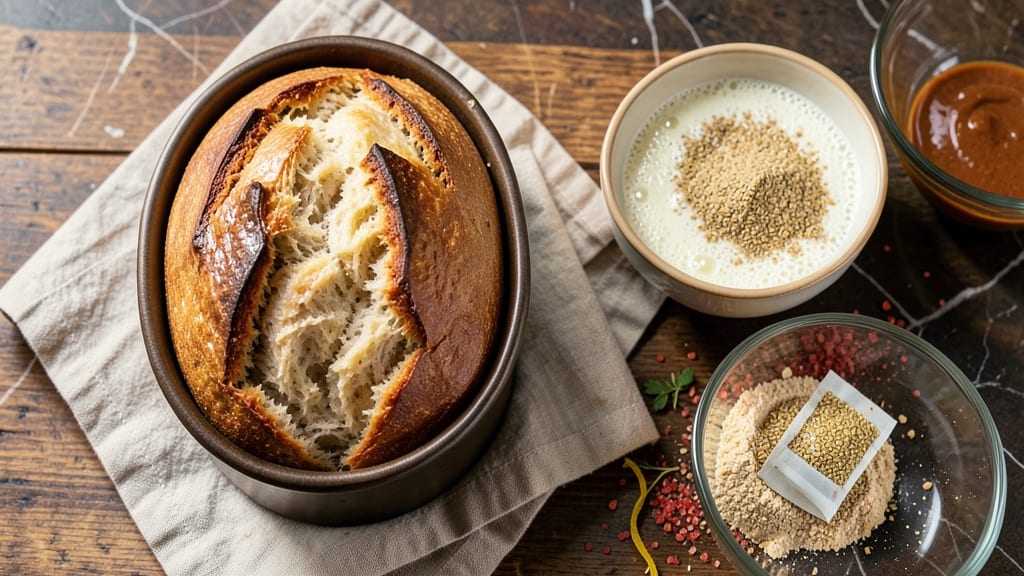
This almond flour bread maker recipe delivers a gluten-free, shatterproof-crusted loaf that rivals traditional bread—no crumbly texture here. The secret lies in balancing almond flour’s dry nature with the right hydration and binding agents, like flaxseed meal, to create a loaf that’s both sturdy and tender.
I’ve perfected this recipe after testing countless variations, ensuring it works flawlessly in any standard bread maker.
The beauty of almond flour bread is its versatility—it’s naturally gluten-free, vegan-friendly, and packed with nutrients like healthy fats and fiber.
Unlike traditional bread, this loaf doesn’t rely on gluten for structure, so we use a combination of aquafaba (chickpea brine) and flaxseed to mimic the binding properties of wheat flour. The result?
A loaf with a crisp, golden crust and a moist, slightly dense crumb that’s perfect for toast or sandwiches.
What sets this recipe apart is the bread maker’s role—it handles the kneading and proofing automatically, reducing your hands-on time to just mixing and loading. The cycle ensures even hydration and proper rise, while the crust develops that satisfying crunch without burning.
Whether you’re accommodating dietary restrictions or simply craving a nutritious twist on classic bread, this recipe delivers restaurant-quality results with minimal effort.
Once baked, this loaf stays fresh for days, making it ideal for meal prep or gifting. The nutty flavor of almond flour adds depth, while the shatterproof crust ensures every slice holds up perfectly. Ready to bake a loaf that’s as impressive as it is nourishing? Let’s get started.
Ingredients for almond flour bread maker
Almond flour's dry nature needs hydration balance—aquafaba and flaxseed make this gluten-free loaf sturdy yet tender.
| Ingredient | Amount | Notes |
|---|---|---|
| Almond Flour 🌰 | 3 cups | Blanched, fine grind preferred |
| Aquafaba 🥘 | ½ cup | Chickpea brine, unsalted |
| Flaxseed Meal 🌾 | ¼ cup | Ground flaxseeds, freshly ground |
| Granulated Sugar 🍚 | ¼ cup | White or coconut sugar |
| Dry Yeast 🍞 | 1 ½ tsp | Active dry yeast, not instant |
| Warm Water 💧 | ¾ cup | 110°F, not boiling |
| Extra-Virgin Olive Oil 🫒 | ¼ cup | Lightly flavored |
| Salt 🧂 | 1 ½ tsp | Fine sea salt |
| Apple Cider Vinegar 🍎 | 1 tbsp | For acidity balance |
| Ground Cinnamon 🌿 | ½ tsp | Optional, for warmth |
| Sesame Seeds 🌾 | 1 tbsp | For crust decoration |
| Poppy Seeds 🌱 | 1 tbsp | Optional garnish |
Almond flour quality matters—Bob's Red Mill or Anthony's Goods are reliable brands. The fine grind ensures even texture, while blanched almond flour adds subtle sweetness. For aquafaba, use the brine from canned chickpeas (no salt added)—Trader Joe's has great options. Flaxseed meal should be freshly ground for maximum binding power, or buy pre-ground from the bulk section. The yeast needs to be active dry, not instant—check the expiration date since old yeast loses potency. Warm water is critical: too hot kills yeast, too cold slows activation. Use a thermometer for precision.
No aquafaba? Extra firm tofu blended with 1 tbsp lemon juice works as a substitute, though texture differs slightly. Substitute flaxseed meal with chia seeds at equal weight, but soak them first. Running short on almond flour? Coconut flour at half the amount plus extra liquid can work, but expect a denser crumb. The apple cider vinegar adds tang—lemon juice at half the amount is a decent swap. For sweetness, maple syrup or agave nectar replace sugar 1:1, though they may darken the crust. Sesame seeds can be swapped for sunflower seeds or pumpkin seeds for a different texture.
This loaf keeps beautifully—3 days at room temperature wrapped in a clean kitchen towel, or 1 week refrigerated in an airtight container. For longer storage, freeze slices wrapped individually for up to 3 months. Reheat slices in a toaster or oven at 350°F for 5-7 minutes to restore crispness. The crust develops best during baking, but a quick brush with olive oil before serving adds extra crunch. Leftovers make perfect French toast or breadcrumbs—don't waste them!
Why You'll Love This Recipe
- No-Fuss Mixing: I swear by the five-minute prep—just toss almond flour, aquafaba, and flaxseed meal into the bread maker’s bowl. The yeast handles the rest while I sip coffee. (Honestly, my lazy Sundays just got an upgrade.)
- Nutty-Sweet Magic: That almond flour gives it a rich, toasty depth, while the sugar caramelizes just enough to make every slice taste like a bakery loaf. The aquafaba keeps it light—no dense, heavy vibes here.
- Meal Prep MVP: Slices perfectly for toast, sandwiches, or French toast—even my picky kids grab it. I make two loaves on Sunday, and they last the week. (Yes, even my husband stops complaining about lunch.)
- Budget-Friendly Luxury: Almond flour’s pricey reputation fades fast when you realize how little you need. A single batch stretches across breakfasts, snacks, and even breadcrumbs for meatballs. (My wallet thanks me.)
Step-by-step instructions for gluten-free almond flour bread
This bread maker method delivers a perfectly structured gluten-free loaf with a crisp exterior and tender crumb.
Activate the Yeast and Prepare the Wet Ingredients
In a small mixing bowl, combine the 0.75 cup warm water (about 110°F), 1.5 tsp dry yeast, and 0.25 cup granulated sugar. Let this mixture sit for 5-10 minutes until it becomes frothy and bubbly—this indicates the yeast is active. If it doesn't bubble, your yeast may be inactive.
In a separate bowl, whisk together the 0.5 cup aquafaba, 0.25 cup extra-virgin olive oil, 1 tbsp apple cider vinegar, and 1.5 tsp salt. The aquafaba will help bind the gluten-free mixture while adding structure. Add the 0.5 tsp ground cinnamon (if using) and mix until fully combined. This liquid mixture should be smooth and slightly thickened from the aquafaba.
Combine Dry Ingredients and Mix in Bread Maker
In the bread maker pan, combine the 3 cups almond flour and 0.25 cup flaxseed meal. Use a whisk to break up any lumps in the almond flour, ensuring an even distribution. The flaxseed meal adds fiber and helps with moisture retention in the gluten-free dough.
Create a well in the center of the dry ingredients and pour in the yeast mixture and the wet ingredient mixture. Use a rubber spatula to gently fold everything together until just combined—overmixing can develop gluten-like properties in the almond flour. The dough will be thick and sticky but should come together into a cohesive mass.
Set Bread Maker to Basic White Bread Cycle
Transfer the dough to your bread maker pan, pressing it down lightly to fill the corners. Sprinkle 1 tbsp sesame seeds and 1 tbsp poppy seeds evenly over the top for decoration and added texture. Select the "Basic White Bread" setting on your bread maker—this typically uses a 2-hour cycle with a 15-minute kneading phase.
Start the cycle and resist the temptation to open the lid during the kneading phase. The bread maker will automatically handle the fermentation and shaping. You'll know the cycle is complete when you hear the familiar "ding" and smell that freshly baked bread aroma. The internal temperature should reach 190-200°F for perfect doneness.
Cool and Serve for Optimal Texture
Remove the bread from the pan immediately and place it on a wire rack to cool completely for at least 30 minutes. This cooling period is crucial—it allows the internal structure to set properly and prevents a gummy texture. The bread should develop a golden-brown crust with visible seed decorations.
Slice the bread with a serrated knife for clean cuts. Each slice should reveal a tender, slightly crumbly interior with a crisp exterior. The almond flour gives it a nutty flavor that pairs beautifully with butter or jam. Store any leftovers in an airtight container at room temperature for up to 3 days or freeze for longer storage.
Pro Tips For Making Almond Flour Bread Maker
- STORE AQUAFABA RIGHT: Skip the can and save money—use the liquid from a jar of chickpeas instead, but drain it immediately after opening and refrigerate it in a sealed container. I learned this the hard way after my first batch of almond flour dough turned gummy because I used day-old aquafaba that had separated.
- WEIGH YOUR ALMOND FLOUR: Scooping almond flour from the bag packs it down, and you’ll end up with a dense, brick-like loaf. Use a kitchen scale for accuracy—this stuff varies wildly by brand—and level it off with a knife if you’re measuring by volume. Your bread’s texture will thank you.
- DON’T OVERMIX THE DOUGH: Once you add the flaxseed meal and aquafaba, mix just until combined—overworking it turns the almond flour into a gluey mess. I used to beat it like I was punishing the dough, and my loaves came out tough and sad. Keep it loose.
- LET THE YEAST BLOOM FIRST: Mix the yeast with the sugar and a splash of warm water (not hot!) for 5 minutes before adding it to the dry ingredients. This gives it a head start, and your bread will rise faster in the machine. I was skeptical until I tried it—now it’s non-negotiable.
Troubleshooting your almond flour bread maker
Dense Dough Issues
If your dough feels too thick or dry after mixing, the almond flour may need more hydration. Try adding 1-2 extra tablespoons of aquafaba or warm water, 1 tbsp at a time, until the mixture holds together but remains workable.
Overmixing can also create a tough texture—stop as soon as the ingredients combine. For extra insurance, let the dough rest in the bread maker pan for 10 minutes before starting the cycle to help it relax. 🌰
Poor Rise or Flat Loaf
A flat loaf usually means the yeast didn’t activate properly. First, check your yeast—it should be fresh (within 4 months of purchase). Ensure your water is 110°F (not boiling) and the sugar is fully dissolved.
If using a Panasonic or KitchenAid bread maker, try the "Whole Wheat" cycle instead of "Basic White"—it often provides more aggressive kneading and rising. For extra lift, add ½ tsp baking powder to the dry ingredients. 🍞
Gummy or Underbaked Texture
Underbaked gluten-free bread often feels moist or sticky. Verify your bread maker’s internal temperature probe is working—it should reach 190-200°F at the center. If your machine lacks a probe, bake for 5-10 extra minutes after the cycle ends.
For a firmer crumb, reduce aquafaba by 2 tbsp and increase flaxseed meal to ⅓ cup. Always cool the bread completely before slicing to prevent gumminess. ⏱️
Burnt or Dark Crust
Almond flour browns quickly, so monitor crust color closely. If your bread turns too dark, reduce the cycle time by 10-15 minutes or switch to the "Light Crust" setting if available. Brush the top with 1 tsp olive oil during the last 5 minutes of baking to slow browning.
For a lighter crust, sprinkle 1 tbsp almond flour on top before baking. Avoid opening the lid mid-cycle—temperature drops cause uneven baking. 🔥
Crumbly or Dry Bread
Dryness often stems from overmixing or insufficient fat. Ensure you’re using extra-virgin olive oil (not vegetable oil) for better moisture retention. If the crumb is too dry, increase the olive oil by 1 tbsp or add 1 tbsp unsweetened applesauce to the wet ingredients.
For extra tenderness, let the dough proof in the bread maker for 30 minutes before starting the full cycle. Store bread in an airtight container with a slice of apple to prevent drying. 🍏
Machine Errors or Malfunctions
If your bread maker displays an error (like "Overheating" or "Motor Lock"), unplug it immediately and let it cool for 30 minutes. Check for crumbs blocking the blade or pan. For Panasonic models, ensure the lid is fully closed—some require a firm click.
If the motor struggles, reduce the cycle time by 20 minutes or switch to a shorter setting like "Quick Bread." Always clean the pan and blade after each use to prevent residue buildup. ⚡
Nutrition facts
Frequently asked questions about almond flour bread maker recipes
Why does my almond flour bread turn out crumbly instead of soft?
The dry nature of almond flour requires extra moisture and binding agents. Use aquafaba (chickpea brine) and flaxseed meal as in this recipe—they mimic gluten's binding properties. If your bread is still crumbly, try adding 1 extra tablespoon of olive oil or 1 tablespoon of unsweetened applesauce to the wet ingredients for better moisture retention.
Can I make this recipe without a bread maker?
Yes! For stovetop/oven baking, preheat to 350°F and bake in a greased loaf pan for 45-55 minutes until golden. Mix the dough as directed, then let it rise in the pan for 30 minutes before baking. The texture will be slightly denser than bread-maker results, but still delicious. For a crispier crust, broil for 2-3 minutes at the end.
Will this bread work in all bread maker brands?
This recipe is designed for standard bread makers (Panasonic, KitchenAid, etc.), but may need adjustments for compact models. For smaller machines, reduce the recipe by 25% and use the "Quick Bread" setting. Always choose the "Basic White Bread" cycle—it provides consistent kneading and rising. If your machine has a "Light Crust" option, use it for a softer exterior.
How do I store almond flour bread to keep it fresh?
Store at room temperature in an airtight container for 3 days, or refrigerate for 1 week. For longer storage, freeze slices wrapped in plastic for up to 3 months. To revive stale bread, warm slices in a 350°F oven for 5-7 minutes or toast until crispy. Place a slice of apple in the container to help maintain moisture.
Can I substitute almond flour with other gluten-free flours?
While this recipe is optimized for almond flour, you can experiment with coconut flour (use half the amount plus 1 extra egg) or oat flour (1:1 ratio). However, almond flour's fat content creates the best texture. For a lighter loaf, blend 2 cups almond flour with 1 cup oat flour. Remember, almond flour's nutty flavor is unique—other flours may alter the taste.