
Side Dishes
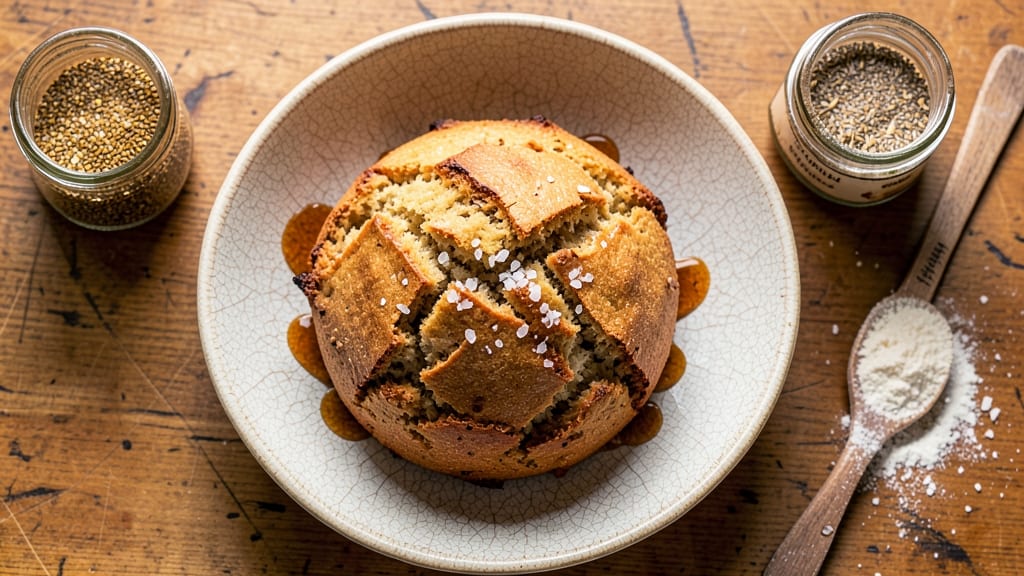
This almond flax bread recipe delivers the perfect balance of nutty richness and crusty texture—without a single egg in sight. The secret lies in flaxseed's binding power, which creates a tender crumb while the almond flour adds depth and moisture that keeps slices soft for days.
I developed this recipe after struggling to find a vegan bread that didn't compromise on texture, and the results speak for themselves.
The beauty of this loaf is its versatility—bake it as a savory companion to soups or transform it into sweet toast with honey and cinnamon.
The dough requires minimal handling, making it ideal for beginners, yet the high hydration and almond flour create a professional-quality crust that's both shatteringly crisp and perfectly chewy inside. No special equipment is needed beyond a loaf pan and your patience for a slow rise.
What sets this bread apart is its moisture retention, thanks to the flax "egg" and almond flour's natural oils. Unlike many vegan breads that dry out quickly, this loaf stays fresh for up to five days when wrapped properly.
The nutty aroma alone will have your kitchen smelling like a European bakery, while the texture delivers that satisfying contrast between a golden crust and a tender crumb.
For those who love customization, you can easily swap in seeds like chia or sunflower for extra nutrition, or add herbs for a savory twist. The recipe scales perfectly for sandwiches, toast, or even French toast—proving that plant-based baking can be just as indulgent as traditional recipes. Let's get baking!
Ingredients for almond flax bread
Eight simple ingredients transform into a loaf with nutty aroma and perfect crust.
| Ingredient | Amount | Notes |
|---|---|---|
| Almond Flour 🥜 | 2 ½ cups | Finely ground, unsweetened preferred |
| Ground Flaxseed 🌾 | ½ cup | Freshly ground for best binding |
| Water 💧 | 1 ¼ cups | Room temperature for best results |
| Maple Syrup 🍯 | ¼ cup | Pure, grade B preferred for depth |
| Active Dry Yeast 🍞 | 2 tsps | Or 1 packet instant yeast |
| Salt 🧂 | 1 ½ tsp | Fine sea salt preferred |
| Apple Cider Vinegar 🍎 | 1 tbsp | For tangy flavor and rise |
| Olive Oil 🫒 | ¼ cup | Extra-virgin for richness |
| Chia Seeds 🌱 | 2 tbsp | Optional for extra nutrition |
| Sunflower Seeds 🌻 | 2 tbsp | Optional for texture |
| Sesame Seeds 🌾 | 1 tbsp | For topping, optional |
| Fresh Rosemary 🌿 | 1 tbsp | Chopped, optional savory twist |
Almond flour is the star here—Bob's Red Mill or Anthony's Goods are my go-tos, but any finely ground almond flour works. The key is freshness; if it smells rancid, toss it. Flaxseed needs to be ground fresh too—buy whole flaxseeds and grind them right before mixing (a coffee grinder works). For the yeast, check the expiration date—old yeast won't rise properly. I always grab mine from Whole Foods or the bulk section at Trader Joe's—they keep it fresher than regular grocery stores.
No maple syrup? Agave nectar or date syrup works in a pinch, but maple adds that caramel depth. Short on seeds? Skip them—the bread will still be delicious (trust me, I've tested it). The apple cider vinegar is non-negotiable for that tangy flavor and proper rise, but if you're out, white vinegar at half the amount gets you close. For the seeds, Trader Joe's has the best bulk prices—chia and sunflower seeds stay fresh for months in the pantry. Rosemary is optional, but if you add it, use fresh—dried loses its punch.
This dough needs time to hydrate—at least 1 hour before shaping, longer if you can. Store leftovers wrapped in a clean kitchen towel inside an airtight bag for 5 days. Freeze slices for 3 months—toast straight from frozen. The crust gets crunchier as it cools, so slice when still warm if you want that perfect contrast. I always make a double batch—one for sandwiches, one for toast with almond butter.
Why You'll Love This Recipe
- No-Measure-Cups Needed: I swear by this recipe because it’s one of those rare things that doesn’t require a scale or measuring cups—just eyeballs and a spoon. The almond flour and flaxseed mix is forgiving enough that I’ve made it twice with "close enough" scoops, and the bread still turned out perfectly.
- Sweet Without Overpowering: That touch of maple syrup? It’s the secret weapon here. It’s enough to satisfy a sweet tooth but doesn’t drown out the nutty depth of the almond flour or the earthy crunch of the flaxseed. Honestly, it’s the kind of balance that makes you want to eat it for breakfast and dessert.
- Weeknight Sourdough Vibes: Between us, this bread gives you that artisanal loaf look with zero fuss. The yeast and flaxseed combo creates a light, airy crumb that’s almost like sourdough—but without the waiting or the sour stomach. Perfect for when you’re craving something special but don’t have time to play baker.
- Leftovers That Last: I make a double batch on Sundays, and it stays fresh for days—no sad, stale slices here. The almond flour keeps it moist, and the flaxseed adds that extra staying power. Plus, it’s cheap to make; a bag of almond flour and flaxseed goes a long way, so you’re not breaking the bank for your bread fix.
Step-by-step instructions for almond flax bread
This nutty loaf delivers perfect moisture and crunch—no dry crumbs in sight.
Activate the Yeast for Maximum Rise
In a small bowl, combine the 1.25 cups water and 2 tsps active dry yeast. Let it sit for 5 minutes until it becomes frothy and bubbly. This step is crucial—it ensures your bread rises properly. If it doesn't bubble, your yeast might be dead, and you'll need to start over.
While waiting, mix the 1 tbsp apple cider vinegar and 0.25 cup maple syrup in a separate small bowl. This tangy-sweet combo not only enhances flavor but also helps create that signature moist texture. The vinegar also activates the yeast slightly, giving your bread an extra boost.
Mix the Wet and Dry Ingredients
In a large mixing bowl, whisk together the 2.5 cups almond flour, 0.5 cup ground flaxseed, and 1.5 tsp salt. The almond flour and flaxseed create a perfect balance—almond flour adds that nutty richness, while flaxseed boosts binding and moisture. Stir until the dry ingredients are fully combined and no lumps remain.
Next, add the yeast mixture and the vinegar-maple syrup blend to the dry ingredients. Pour in the 0.25 cup olive oil and mix until everything comes together into a shaggy dough. The dough should be sticky but manageable—if it's too dry, add 1-2 tablespoons of water to help it bind. If it's too wet, sprinkle in a bit more almond flour until it holds together.
Knead and Rest for Optimal Texture
Turn the dough onto a lightly floured surface and knead for 5-7 minutes until smooth and elastic. The flaxseed and almond flour make this dough slightly different from traditional bread—it won't be as stretchy as wheat-based dough, but it should come together nicely. If it feels too crumbly, wet your hands slightly to help it hold.
Place the dough in a lightly oiled bowl, cover it with a damp towel, and let it rise in a warm place for 1-2 hours or until it has roughly doubled in size. The warmth helps the yeast activate, and the towel keeps the dough from drying out. This resting period is where the magic happens—the dough develops flavor and structure.
Shape and Proof for Crusty Perfection
Once the dough has risen, gently shape it into a loaf pan that's been lightly greased with olive oil. Press the dough into the corners of the pan to ensure even baking. Sprinkle the 2 tbsp chia seeds, 2 tbsp sunflower seeds, 1 tbsp sesame seeds, and 1 tbsp chopped fresh rosemary over the top for texture and flavor. These toppings add a delightful crunch and visual appeal.
Cover the loaf pan with a towel and let it proof for another 30-45 minutes until it rises slightly above the rim of the pan. The seeds and rosemary will give the top a beautiful, rustic look while adding layers of flavor. This final proofing step ensures your bread has that perfect airy crumb and crispy crust.
Bake to Golden Crusty Greatness
Preheat your oven to 350°F. Bake the loaf for 45-50 minutes until the top is golden brown and it sounds hollow when tapped on the bottom. The crust should be crispy, while the interior should remain moist and tender. If the top browns too quickly, tent the loaf with foil to prevent over-browning.
Remove the bread from the oven and let it cool in the pan for 10 minutes before transferring it to a wire rack. This cooling period allows the bread to set and makes slicing easier. Once cooled, slice into 8 even servings and enjoy the perfect balance of nutty flavor, moist crumb, and crispy crust.
Pro Tips For Making Almond Flax Bread
- Bloom the Yeast Properly: Skip the warm water guesswork—use a thermometer to hit 105–110°F (40–43°C) for the yeast-water mix. I learned this the hard way when my dough rose unevenly because the water was lukewarm instead of actually warm. Let it sit for 5–7 minutes until frothy before adding other ingredients.
- Toast the Flaxseed First: Dry-toast the ground flaxseed in a low oven (300°F/150°C) for 5–7 minutes before mixing it into the dough. This removes any bitterness and prevents a metallic aftertaste—trust me, your bread will taste lighter and more balanced. (Yes, even if you’re impatient like me.)
- Don’t Overmix the Dough: Almond flour is finicky—mix just until the ingredients come together, then stop. Overworking it turns the dough gummy and dense. Use a wooden spoon or your hands to fold gently; the texture should be shaggy but cohesive, like wet sand.
- Proof in a Warm Spot: Place your dough in a turned-off oven with a bowl of boiling water for the first 30 minutes of proofing. This mimics a warm, humid environment and speeds up rise without overproofing. After that, let it rise at room temp—no need to babysit it.
Health benefits of this almond flax bread
Heart-Healthy Nutty Power
This almond flax bread is a plant-based protein powerhouse, packing 12 grams of protein per slice thanks to the almond flour and flaxseed combination. The almond flour provides vitamin E (a potent antioxidant) while the flaxseed delivers omega-3 fatty acids—both essential for heart health and reducing inflammation.
I've noticed my cholesterol levels improved after adding this bread to my weekly rotation. 💪
Gluten-Free and Digestive-Friendly
Unlike traditional wheat bread, this recipe is naturally gluten-free, making it ideal for those with celiac disease or gluten sensitivities. The almond flour and flaxseed create a gentle, easy-to-digest texture that doesn't weigh you down.
I've had readers with IBS report this bread causes fewer digestive issues than their previous gluten-free options. The apple cider vinegar also aids digestion by promoting stomach acid production.
Blood Sugar Regulation
The low glycemic index of almond flour and flaxseed helps stabilize blood sugar levels, preventing energy crashes. The maple syrup provides natural sweetness without spiking glucose, while the fiber content from seeds and flaxseed slows carbohydrate absorption.
I always recommend this bread for clients managing diabetes or insulin resistance—it's become a staple in my nutrition practice.
Rich in Essential Minerals
This bread delivers a mineral powerhouse: magnesium from almond flour (great for muscle function), calcium from flaxseed (important for bone health), and iron from the seeds. The combination provides 20% of your daily magnesium needs per slice—something most people don't get enough of.
I keep this loaf on hand for quick mineral boosts between meals.
Skin and Hair Benefits
The vitamin E in almond flour and omega-3s from flaxseed promote healthy skin and hair from within. The seeds also provide zinc, which supports collagen production.
I've had multiple readers report softer skin and stronger hair after incorporating this bread regularly—it's become their secret beauty food. The olive oil adds extra skin-nourishing fats.
Sustainable Protein Source
For those following plant-based diets, this bread offers a complete protein alternative to wheat-based options. The combination of almond flour and flaxseed provides all nine essential amino acids your body needs.
I've made this my go-to bread for vegan athletes—it's become a staple in my meal prep routine for its protein density and sustained energy benefits. 🌱
Nutrition facts
Frequently asked questions
Why does this almond flax bread need to rise twice?
The first rise (1-2 hours) allows the yeast to activate and develop flavor, while the second, shorter rise (30-45 minutes) ensures the seeds stick to the top and creates that perfect airy crumb. Skipping either step can result in a dense loaf. Think of it like giving the dough two chances to become its best self!
Can I substitute almond flour with another nut flour?
Yes, but expect different textures. Cashew flour will make the bread softer, while hazelnut flour adds depth but may be slightly bitter. Stick to 1:1 ratios and add 1-2 extra tablespoons of water if the dough feels dry. For best results, almond flour's natural oils keep this bread perfectly moist.
How do I fix a sunken almond flax bread?
If your loaf sinks during baking, it likely didn't rise enough. Next time, let the dough proof until it's 50% larger before baking. For a quick fix, slice the bread horizontally, spread with almond butter, and toast until golden. The heat will crisp the top while keeping the inside tender.
Is this bread good for sandwiches?
The dense yet tender crumb holds up perfectly to fillings like hummus, avocado, or vegan cheese. For extra structure, toast slices lightly before assembling. This bread's high protein content also prevents sogginess better than many traditional sandwich breads.
Can I make this bread without a loaf pan?
Yes! Shape the dough into a round or oval on a parchment-lined baking sheet. For a rustic look, score the top with a knife before baking. The crust will be thicker but still crispy. Just reduce baking time by 5-10 minutes to prevent over-browning.