
Side Dishes
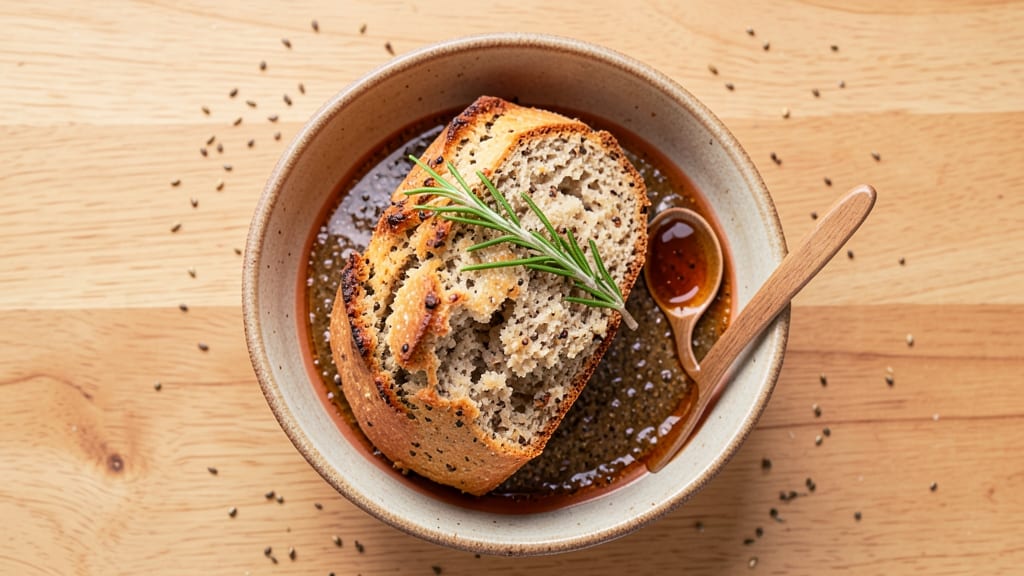
This almond flour and flaxseed bread recipe delivers a gluten-free, vegan loaf with a perfect nutty crunch and tender crumb—no compromises. The secret lies in flaxseed "eggs" binding the almond flour while creating a satisfying texture that rivals traditional bread.
After years of perfecting the ratio, I've developed a method that ensures this loaf rises properly, stays moist, and delivers that signature almond aroma with every slice.
The beauty of this recipe is its simplicity: just 5 key ingredients and 30 minutes of active prep, followed by a 50-minute bake. Flaxseed acts as both a binder and moisture retainer, while almond flour provides that rich, nutty flavor and satisfying crunch.
The result? A loaf that's perfect for toast, sandwiches, or serving alongside soups—without the gluten or dairy.
What makes this bread truly special is how it bakes up with a golden crust and light, airy interior, despite being gluten-free. The flaxseed eggs create a subtle earthy depth that complements the sweet nuttiness of the almond flour.
Unlike many gluten-free breads that crumble or taste dense, this recipe delivers on texture and flavor every time.
Best of all, the dough comes together in a single bowl with no special equipment needed. Whether you're avoiding gluten, following a vegan diet, or simply craving something different, this loaf proves you don't need traditional flour to make bread that feels like comfort food.
Let's get baking—your kitchen will smell amazing in no time.
Ingredients for almond flour and flaxseed bread
Five ingredients transform into a golden, gluten-free loaf with nutty crunch and tender crumb—no compromises here.
| Ingredient | Amount | Notes |
|---|---|---|
| Blanched Almond Flour 🌰 | 3 cups | Finely ground, unsweetened |
| Ground Flaxseeds 🌾 | ½ cup | Freshly ground for best texture |
| Filtered Water 💧 | ¾ cup | Room temperature preferred |
| Pure Maple Syrup 🍯 | ¼ cup | Grade B for deeper flavor |
| Apple Cider Vinegar 🍏 | 1 tbsp | For subtle tang and rise |
| Sea Salt 🧂 | ½ tsp | Fine grain, Diamond Crystal |
| Baking Powder 🍞 | ½ tsp | Aluminum-free preferred |
| Extra-Virgin Olive Oil 🫒 | 2 tbsp | For greasing loaf pan |
| Sesame Seeds 🌻 | 1 tbsp | Optional topping for crunch |
The almond flour makes all the difference—Bob's Red Mill or Anthony's Goods are my go-tos for that ultra-fine grind. If you're buying whole almonds, blanch and grind them yourself for maximum freshness. The flaxseed must be freshly ground too; pre-ground loses its binding power fast. For the maple syrup, Grade B has that rich, caramel-like depth that elevates the flavor. I always grab mine from Whole Foods or local maple syrup producers—they keep better and taste better than store brands.
No almond flour? Cashew flour works in a pinch (same amount), though the texture will be denser. Flaxseed allergies? Chia seeds at double the amount bind just as well. The apple cider vinegar is non-negotiable—it activates the baking powder for that proper rise. Short on time? Lemon juice works too, though the flavor shifts slightly. The sesame seeds are optional but add that satisfying crunch—toast them first for extra flavor. And yes, you can skip the olive oil if you're oil-free, but trust me, it makes the loaf pull away from the pan beautifully.
This dough keeps for 3 days in the fridge, wrapped tightly in parchment. For longer storage, slice and freeze portions—up to 3 months. The loaf reheats beautifully: wrap in foil and warm at 350°F for 10 minutes. Toasting? Medium heat for 3-4 minutes brings back that fresh-baked aroma. Leftovers? Perfect for croutons or breadcrumbs—just pulse in a food processor. And if you're wondering about storage containers, glass is best—it keeps the loaf moist longer than plastic.
Why You'll Love This Recipe
- No-Mix Magic: I swear by this dough—just whisk, fold, and let it rise. No stand mixer, no kneading, no stress. That ground flaxseed acts like a binder, holding everything together while I sip my coffee.
- Sweet & Nutty Crunch: The maple syrup adds just enough caramel warmth, while the almond flour gives that buttery, toasty depth. Honestly, it’s the kind of bread that makes me forget it’s gluten-free—until someone asks.
- Weekday Workhorse: Slice it for toast, cube it for French toast, or pack it for lunches. My kids love it with peanut butter, and I toss it in salads when I’m lazy. It’s the one loaf that does it all.
- Budget-Friendly Staple: A single batch lasts my family five days, and I’m not exaggerating. The flaxseeds bulk it up, so a little goes a long way—plus, I buy almond flour in bulk and save. Smart, simple, and satisfying.
Step-by-Step instructions for almond flour and flaxseed bread
Here's how to create a perfectly moist, nutty loaf that rivals traditional bread—every slice delivers that gluten-free goodness you crave.
Combine Wet Ingredients for Perfect Texture
In a medium bowl, whisk together the 0.75 cup filtered water, 0.25 cup pure maple syrup, and 1 tbsp apple cider vinegar until fully blended. The vinegar might seem odd, but it activates the baking powder later, giving that light, airy rise. Let this mixture sit for 5 minutes while you prepare the dry ingredients—this resting time allows the flaxseeds to fully hydrate and develop their binding properties.
Next, sprinkle the 0.5 cup ground flaxseeds over the wet mixture and stir vigorously with a fork. You'll notice the mixture thicken as the flaxseeds absorb the liquid and form a gel-like consistency—this is what will replace gluten in our bread structure. The texture should resemble a thick, sticky batter. If it looks too thin, add 1 tablespoon more blanched almond flour to adjust the consistency.
Mix Dry Ingredients and Create the Dough
In a separate large bowl, combine the 3 cups blanched almond flour, 0.5 tsp sea salt, and 0.5 tsp baking powder. Whisk these dry ingredients together until evenly distributed—this ensures your bread rises properly and has a uniform crumb. Create a well in the center of the dry mixture and pour in the flaxseed mixture from Step 1.
Using a rubber spatula, gently fold the wet ingredients into the dry until just combined. Avoid overmixing—you should still see some dry flour streaks. The dough will be thick and sticky, almost like a dense cookie dough. Here's the thing—this texture is normal and essential for achieving that moist, tender crumb in a gluten-free loaf. If the dough feels too dry, add 1 tablespoon more water to help it come together.
Prepare the Loaf Pan and Bake
Preheat your oven to 350°F and lightly grease an 8x4-inch loaf pan with 2 tbsp extra-virgin olive oil, making sure to coat the bottom and sides thoroughly. This prevents sticking and ensures easy removal later. Transfer the dough to the prepared pan and spread it evenly, pressing down gently to remove any air bubbles. The dough should fill the pan completely—if it doesn't, press it firmly to create an even surface.
Bake for 40-45 minutes until the top is golden brown and a toothpick inserted in the center comes out clean. I know it seems counterintuitive with gluten-free baking, but this test is reliable. The bread will look dense, but that's normal—it's packed with nutty goodness. For best results, tent the pan with aluminum foil after 25 minutes of baking to prevent the top from browning too quickly while the center finishes cooking.
Cool and Finish with Crunchy Topping
Remove the bread from the oven and let it cool in the pan for 10 minutes before transferring to a wire rack. This cooling period is crucial—it allows the bread to set properly and prevents it from crumbling when you slice it. While it cools, sprinkle the 1 tbsp sesame seeds evenly over the top for that delightful crunch and visual appeal.
Let the bread cool completely before slicing—this ensures clean cuts and prevents the almond flour from crumbling. Once fully cooled, slice into 8 even servings and enjoy the perfect balance of nutty flavor, moist texture, and subtle sweetness. Store any leftovers in an airtight container for up to 5 days or freeze for longer storage. The flavor actually improves over time as the almond flour absorbs more moisture.
Pro Tips For Making Almond Flour And Flaxseed Bread
- STIR LIKE YOUR LIFE DEPENDS ON IT: Mix the wet ingredients—maple syrup, vinegar, water, and ground flaxseed—until the flax has fully gelled and no dry clumps remain. I used to skip this, and the bread would turn out dense and gummy; now I count to 30 slow stirs with a fork to guarantee smoothness.
- WEIGH THE ALMOND FLOUR: Scooping almond flour by volume leads to disappointment—it packs differently than regular flour. Use a kitchen scale for precision; 1 cup of almond flour is about 100 grams, but don’t guess. That extra 10 grams of flour can make your bread dry and crumbly.
- LET THE BATTER REST: Pour the batter into your loaf pan, then walk away for 10 minutes. This isn’t just waiting—it’s letting the flaxseed gel fully and the almond flour absorb moisture. I learned this after my first batch collapsed mid-bake; now I set a timer and make tea instead of rushing.
- BAKE UNTIL THE CENTER HITS 205°F: Almond flour bread doesn’t brown like wheat bread, so rely on an internal thermometer. The moment it hits 205°F, pull it out—even if the edges look pale. Overbaking turns it into a dry brick; underbaking leaves it gummy. Trust the thermometer, not your eyes.
Wine and beer pairings for this almond flour and flaxseed bread
Crisp Whites
A dry, crisp Sauvignon Blanc from New Zealand or Loire Valley is my go-to pairing for this almond flour bread. The bright citrus and herbal notes cut through the nutty richness while enhancing the bread's subtle sweetness.
Look for a Cloudy Bay Sauvignon Blanc—its zesty grapefruit and lime flavors complement the maple syrup's caramel undertones beautifully. Serve slightly chilled (50°F) to let the bread's warm spices shine. 🍷
Light Reds
If you prefer red wine, a Pinot Noir from Oregon or Burgundy offers an elegant match. The wine's delicate cherry and earthy notes harmonize with the almond flour's nuttiness without overpowering the bread's delicate texture.
I recommend a Domaine Serene Pinot Noir—its subtle vanilla and spice notes bridge the bread's maple sweetness and flaxseed earthiness. Decant for 30 minutes to soften tannins and enhance aroma. 🍇
Craft Beers
A Belgian witbier like Hoegaarden or Stella Artois creates a refreshing contrast with effervescence that cleanses the palate between bites. The coriander and citrus notes in these beers mirror the apple cider vinegar's tang in the bread.
For a darker option, try a German Hefeweizen—its banana and clove notes complement the maple syrup's caramel depth. Serve both at 45°F for optimal flavor balance. 🍺
Non-Alcoholic Options
For a mocktail pairing, blend sparkling apple cider with a splash of ginger beer and a cinnamon stick. The effervescence and spice echo the bread's warm flavors while keeping the experience refreshing.
I also love serving it with cold hibiscus tea—its tartness highlights the almond flour's natural sweetness. Both options work perfectly for brunch or afternoon tea. 🍹
Sweet Pairings
If you're serving this bread with sweet toppings like almond butter or jam, a Moscato d'Asti from Italy adds a lovely sweet contrast. The wine's light effervescence and floral notes balance the bread's richness.
For a non-alcoholic option, try sparkling pomegranate juice—its tartness complements the maple syrup while adding a festive touch. Both pairings elevate the bread's natural sweetness. 🍇
Coffee & Tea
A light roast coffee with notes of hazelnut enhances the almond flavor in the bread. I recommend a Colombian medium roast brewed with cold water for iced coffee—its nutty profile mirrors the almond flour beautifully.
For tea lovers, Earl Grey with bergamot adds a citrusy brightness that cuts through the bread's richness. Both pairings work wonderfully with breakfast or afternoon snacks. ☕
Nutrition facts
Frequently asked questions
Why does my almond flour bread turn out dense instead of light?
This usually happens from overmixing the dough or not letting the flaxseed "eggs" hydrate properly. The flaxseed mixture needs that 5-minute rest before combining with dry ingredients to fully gel. Also, avoid pressing down too hard when shaping—just gently spread the dough. For extra lift, try adding 1/4 tsp baking soda to the dry ingredients.
Can I substitute flaxseed with chia seeds?
Yes, but you'll need double the amount (1 tsp chia seeds = 1 tbsp flaxseed). Chia seeds bind similarly but create a slightly firmer texture. For best results, let the chia mixture sit for 10 minutes before using—they absorb liquid more slowly. The flavor will be milder, but the structure holds just as well.
How do I prevent the bread from sticking to the pan?
Grease the pan thoroughly with olive oil and dust with extra almond flour before adding dough. For extra insurance, line the pan with parchment paper cut to fit. If you notice sticking after baking, let the bread cool in the pan for 15 minutes instead of 10—this helps it set before removing.
Is this bread safe for nut allergies?
No, this recipe contains almond flour which is not safe for tree nut allergies. For a nut-free version, substitute with sunflower seed flour or rice flour, though the texture will differ. The flaxseed binder remains safe for nut allergies—just replace the almond flour completely.
Can I make this bread without vinegar?
You can try, but the bread won't rise as well. Vinegar activates the baking powder for proper lift. For a substitute, use lemon juice in equal amounts**, though the flavor will be slightly more citrus-forward. If you omit it completely, expect a denser, flatter loaf.