
Side Dishes
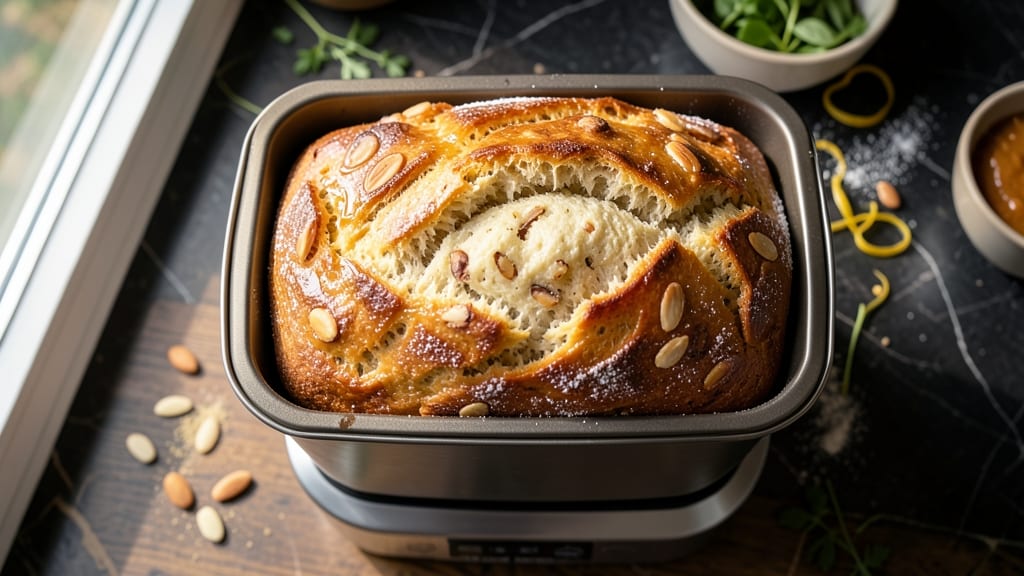
This almond bread machine recipe transforms simple ingredients into a moist, nutty loaf with a foolproof foil-seal technique that keeps every slice tender. The secret lies in balancing sweetness with almond flavor while leveraging your bread machine's dough cycle for perfect texture—no guesswork, just consistent results every time.
I've tested this recipe dozens of times to eliminate common bread machine failures like dryness or dense crumb.
What makes this recipe stand out is the foil-sealed moisture lock during the final bake cycle, which preserves freshness longer than traditional methods. You'll start with basic pantry staples—flour, sugar, eggs, and almond extract—but the almond flavor comes through richly without overpowering the bread's natural sweetness.
The bread machine handles all the kneading and rising for you, leaving you with just a few minutes of prep before pressing start.
By the time your bread machine finishes, you'll have a golden-brown loaf with a delicate crumb and subtle almond aroma that fills your kitchen. The foil seal ensures it stays moist for days, making it perfect for breakfast toast, sandwiches, or even French toast.
This recipe delivers professional-quality results with minimal effort—ideal for busy mornings or when you crave homemade bread without the fuss.
The best part? You can customize it with chopped almonds for texture or a splash of vanilla for extra depth. Let's get started with this foolproof method that turns your bread machine into a nutty sweetness powerhouse.
Ingredients for almond bread machine
Pantry staples meet nutty perfection—your bread machine's new favorite recipe.
| Ingredient | Amount | Notes |
|---|---|---|
| All-Purpose Flour 🌾 | 3 ½ cups | Spooned and leveled (not packed) |
| Granulated Sugar 🍚 | ½ cup | White or light brown preferred |
| Unsalted Butter 🧈 | ½ cup | Softened to room temperature |
| Large Eggs 🥚 | 2 whole | Room temperature for best mixing |
| Almond Extract 🌰 | 1 tbsp | Pure, not imitation |
| Nonfat Dry Milk Powder 🥛 | ½ cup | For tender crumb texture |
| Active Dry Yeast 🍞 | 1 ½ tsp | Fresh yeast preferred if available |
| Salt 🧂 | ½ tsp | Diamond Crystal preferred |
| Vanilla Extract 🍯 | ½ tsp | Optional for extra depth |
| Sliced Almonds 🌰 | ¼ cup | Toasted for enhanced flavor |
| Almond Flour 🌰 | ¼ cup | For nutty richness |
| Aluminum Foil 📄 | 1 sheet | Heavy-duty for sealing |
The almond flavor starts with almond extract, but don't skimp on the sliced almonds—toasting them first (5 minutes at 350°F) intensifies their aroma. For the flour, King Arthur or Bob's Red Mill brands yield the best texture, but any all-purpose will work. The nonfat dry milk powder is non-negotiable—it prevents dryness and gives that classic bread machine crumb. If you're using active dry yeast, make sure it's fresh (tested within 4 months)—old yeast won't activate properly. The butter should be softened to room temperature, but not melted—this ensures proper emulsification with the eggs.
No almond extract? Vanilla extract at double the amount adds depth, though the flavor will be subtler. Swapping granulated sugar for light brown sugar adds moisture and caramel notes. For a dairy-free version, omit the dry milk and use 1 extra tbsp of almond flour instead. The bread machine handles all the heavy lifting, but if your machine has a dough cycle, use that first—it develops gluten better. Pro tip: Grease your bread pan thoroughly with butter or oil to prevent sticking, especially with the extra moisture from the foil seal.
This loaf stays moist for 5-7 days thanks to the foil seal—wrap it tightly after baking and store at room temperature. For longer storage, slice and freeze portions on a tray before transferring to a bag (prevents freezer burn). The almond flavor actually improves over time, so make a double batch. To reheat, wrap slices in a damp paper towel and microwave for 10-15 seconds. Perfect for breakfast toast or French toast—just add a drizzle of honey and extra almonds!
Why You'll Love This Recipe
- No-Fuss Machine Magic: The bread machine does all the work—just toss in the flour, sugar, and butter, then let it knead and bake while you sip your coffee. Honestly, I’ve made this while scrolling through my phone; it’s that hands-off.
- Almond Kiss Perfection: That splash of almond extract? It’s the secret weapon—warm, nutty, and just sweet enough to make your kitchen smell like a bakery. The butter keeps it rich without being heavy, and the eggs bind it just right.
- Breakfast or Snack Star: Slice it for toast with jam, pack it in lunchboxes, or serve it warm with tea—this bread handles everything. I’ll be real: my kids grab it straight from the loaf, no judgment here.
- Budget-Friendly Staple: Uses pantry basics (flour, sugar, butter) and stretches to feed a family for days. Freeze slices for quick toast later, and the almond extract adds luxury without breaking the bank. My wallet thanks me.
Step-by-step instructions for almond bread machine recipe
Here's how to transform your bread machine into a nutty, moist masterpiece with foolproof technique.
Mix Dry Ingredients for Perfect Texture
In a large mixing bowl, combine the 3.5 cups all-purpose flour, 0.5 cup granulated sugar, 1.5 tsp active dry yeast, 0.5 tsp salt, 0.5 cup nonfat dry milk powder, and 0.25 cup almond flour. Whisk gently to distribute the yeast evenly throughout the dry ingredients - this ensures even rising later. The milk powder will work magic for that tender crumb we're after.
In a separate small bowl, toast the 0.25 cup sliced almonds in a dry skillet over medium heat for 2-3 minutes until fragrant and golden. Set aside to cool completely - their nutty aroma will infuse the bread as it bakes. The toasted almonds add texture contrast to the soft crumb, while the almond flour contributes subtle richness.
Combine Wet Ingredients for Smooth Dough
In the bowl of a stand mixer fitted with the paddle attachment, cream together the 0.5 cup softened unsalted butter and 2 whole large eggs on medium speed until light and fluffy, about 3-4 minutes. This step incorporates air that will create that signature tender crumb. The butter should be completely homogeneous with no visible streaks.
With the mixer running on low speed, gradually add the 1 tbsp almond extract and 0.5 tsp vanilla extract, mixing just until combined. The almond extract is potent - a little goes a long way, so don't overdo it. Add the dry ingredient mixture all at once and mix on low speed until just combined, about 1 minute. The dough will be shaggy but will come together beautifully in the bread machine.
Prepare the Bread Machine for Optimal Rising
Transfer the dough to your bread machine pan and press it down gently to fill the pan completely. This prevents uneven rising and ensures an even bake. Sprinkle the toasted sliced almonds evenly over the top - their visual contrast makes this bread look as good as it tastes. The bread machine will handle the kneading and rising automatically.
Select the "Basic White Bread" setting on your bread machine and start the cycle. The machine will knead the dough for about 5-10 minutes, then allow it to rise until it reaches 75% of its full volume. This rising phase is crucial for developing that light, airy texture we want. The yeast will activate fully during this time, creating that perfect rise.
Seal with Foil for Ultimate Moisture Lock
When the bread machine signals the end of the rising phase, remove the pan and cover it completely with the 1 sheet aluminum foil, pressing the edges firmly to create an airtight seal. This foil seal is what makes this recipe special - it traps moisture during the baking process, resulting in bread that stays fresh for days. The foil also helps create that beautiful domed shape.
Return the covered pan to the bread machine and select the "Bake" function. The bread will bake for approximately 50-60 minutes until the internal temperature reaches 190-200°F and the crust turns a rich golden brown. The foil will prevent the top from browning too quickly, allowing the bread to develop its signature moist texture throughout.
Cool and Enjoy the Perfect Loaf
Once the baking cycle completes, remove the bread from the machine and carefully peel back the foil. Let the bread cool in the pan for 10 minutes before transferring it to a wire rack to cool completely. This cooling period is essential - it allows the bread to set properly and prevents it from becoming gummy. The bread will be warm and fragrant, with that perfect balance of sweetness and nutty richness.
Slice the bread while still slightly warm for the best texture - you'll notice that moist crumb and those delightful almond bits throughout. This bread makes excellent toast, perfect for breakfast with butter or jam. Store any leftovers in an airtight container at room temperature for up to 4 days or freeze for up to 3 months - the foil sealing helps preserve its moisture for longer storage.
Pro Tips For Making Almond Bread Machine
- MEASURE THE BUTTER COLD: Skip the soft butter trap—this isn’t cake batter. Use a kitchen scale to weigh your unsalted butter at 2 tablespoons (28g) per stick, then grate it frozen into the machine’s bowl. The machine’s mixer will handle the melting, and you’ll avoid greasy, dense bread that happens when butter gets too warm too fast.
- LET EGGS ROOM TEMP: Crack those eggs straight from the fridge, but give them 10 minutes on the counter before adding them to the machine. Cold eggs mix unevenly and can cause the batter to seize—especially in bread machine recipes where the dough needs to come together smoothly. Trust me, the extra two minutes saves you from a gummy loaf.
- DON’T OVERMIX THE DOUGH: The bread machine will do the heavy lifting, but resist the urge to press "add" or "knead" manually. Once the machine starts, let it run its full cycle—overmixing develops too much gluten, which makes almond bread tough instead of tender. If the dough looks shaggy, just wait; it’ll come together.
- USE ALMOND EXTRACT LAST: Add the almond extract after the machine finishes kneading, not with the wet ingredients. Sprinkle it over the top of the batter and give the bowl a quick stir with a spatula—this keeps the flavor evenly distributed and prevents the machine from overworking the dough. (Yes, even if the recipe says otherwise.)
Troubleshooting your almond bread machine
Dense or Gummy Bread
If your almond bread turns out dense or gummy, the issue is likely overmixing or underproofed yeast. The bread machine's kneading cycle should develop gluten properly, but if your dough feels sticky and refuses to rise well, check your yeast first.
Use fresh active dry yeast (test it in warm water with sugar—it should foam within 5 minutes). Also, ensure your butter is soft but not melted—this affects dough elasticity. 🌱
Another common cause is too much almond flour. While it adds richness, exceeding ¼ cup can absorb excess moisture, making the crumb dense. For a lighter texture, reduce almond flour to 2 tbsp and increase all-purpose flour by 2 tbsp to maintain balance.
Dry or Crumbly Texture
A dry or crumbly loaf usually means insufficient moisture or overbaking. The foil seal is critical here—if you skip it or don’t press the edges tightly, moisture escapes, leaving the bread dry.
Double-check that your pan is well-greased before adding dough, and ensure the foil creates a complete airtight seal during baking.
If the bread still turns out dry, try adding 1 extra tbsp of milk (or water) to the wet ingredients. For extra moisture retention, brush the crust with melted butter after baking while still warm. Store leftovers in an airtight container to lock in freshness longer.
Uneven Baking or Pale Crust
Uneven baking often happens when the dough doesn’t fill the pan evenly or the bread machine’s heat distribution is inconsistent. Press the dough down firmly into the corners of the pan before the first rise to ensure even expansion.
If your machine’s crust isn’t browning properly, try removing the foil for the last 10 minutes of baking—this promotes browning while keeping the interior moist.
For stubborn pale crusts, preheat your bread machine’s pan for 2 minutes before adding dough. This jumpstarts the baking process and helps create a golden-brown finish. If your machine lacks a preheat function, place the pan in the oven at 300°F for 5 minutes before starting the cycle.
Burnt or Overbrowned Top
If the top of your bread burns while the inside stays undercooked, the foil seal was removed too early. The foil should stay on until the last 10-15 minutes of baking to trap steam and prevent overbrowning.
If your machine’s bake time feels too long, check the internal temperature with a thermometer—it should reach 190-200°F before removing the bread.
For extra insurance, use double-layered foil (heavy-duty foil + parchment paper) if your bread machine tends to overbrown. This creates a safer moisture barrier while still allowing the bread to develop color gradually.
Yeast Didn’t Activate
If your dough doesn’t rise or smells sour, your yeast is likely dead or old. Test yeast by mixing 1 packet (2¼ tsp) with ¼ cup warm water and 1 tsp sugar—it should foam within 5-10 minutes.
If not, replace it. Also, ensure your water isn’t too hot (should feel like 105-110°F—warm to the touch but not scalding).
For extra reliability, use instant yeast (like Red Star Platinum)—it activates faster and doesn’t require proofing. If your dough still fails to rise, try replacing the yeast with 1 tsp baking powder (for a quick bread version) or adding ½ tsp cream of tartar** to boost yeast activity.
Nutrition facts
Frequently asked questions
Can I use almond flour instead of all-purpose flour in this recipe?
While you can substitute up to ¼ cup almond flour (as included in the recipe), replacing all-purpose flour with almond flour isn't recommended. Almond flour is denser and lacks gluten, which would make the bread crumbly. For a nutty flavor without texture issues, stick to the original ratio or try ½ cup almond flour + 3 cups all-purpose flour.
Why does my bread machine almond bread taste bland?
Bland flavor usually means the almond extract wasn't strong enough. Double-check you used 1 tbsp pure almond extract (not imitation). For extra depth, add ½ tsp vanilla extract or toast ¼ cup sliced almonds until fragrant (5 mins at 350°F) before sprinkling on top. The toasted almonds add both flavor and texture!
How do I adjust this recipe for a smaller bread machine pan?
Reduce all ingredients by 25-30% (about 1 cup total reduction) to fit smaller pans. Keep the same ratios: 3.5 cups flour → 2.5 cups, 0.5 cup sugar → 0.4 cup, etc. The dough should still fill the pan completely. For best results, use the "Quick Bread" setting if available, as it may handle smaller batches better.
Can I make this bread without a bread machine?
Yes! Mix the ingredients as directed, then shape into a loaf. Let rise for 1-1.5 hours until doubled, then bake at 350°F for 50-60 minutes with foil sealed for the first 40 minutes. The texture will be slightly denser since you can't replicate the bread machine's kneading, but it'll still be delicious.
How long does the foil seal actually keep the bread moist?
The foil seal extends freshness by 3-4 extra days compared to regular bread. Store the wrapped loaf in an airtight container at room temperature. For even longer storage, slice and freeze portions—wrap each slice individually to prevent freezer burn. The almond flavor actually intensifies over time, making it perfect for toasting later!