
Side Dishes
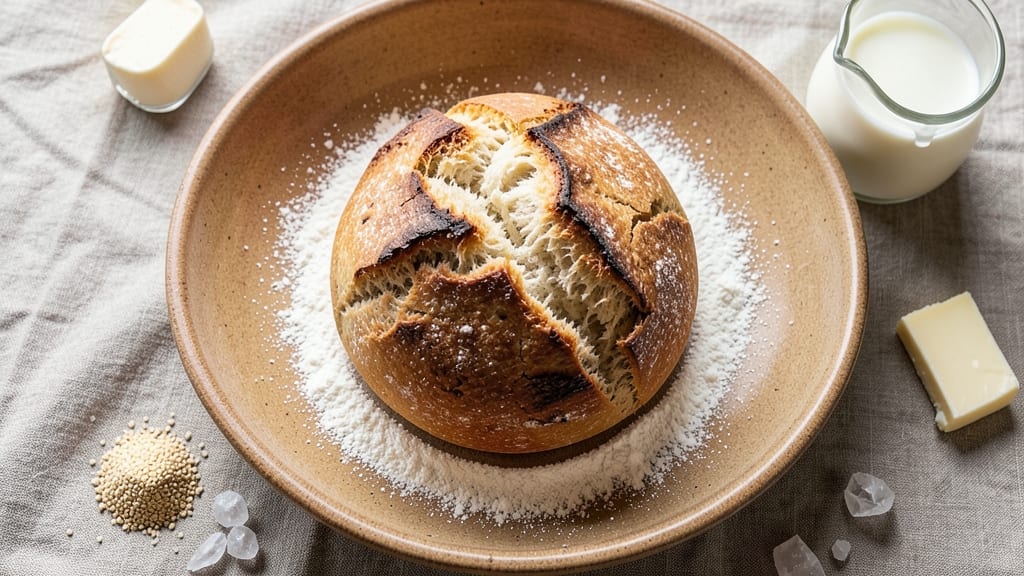
Mastering Allinson bread means achieving that signature soft center and crisp crust that keeps bread fresh for days. This recipe delivers restaurant-quality rolls with a foolproof technique that eliminates guesswork—no special equipment or advanced skills required.
The secret lies in precise dough handling and a foil-sealing method that locks in moisture.
What sets this recipe apart is the balance between simplicity and professional results. You'll work with basic ingredients—flour, yeast, water, and salt—but the technique transforms them into bread with a tender crumb and golden crust.
The dough requires just 15 minutes of active prep, followed by a 1-hour rise, making it perfect for weeknight baking.
By following this method, you'll achieve bread that stays fresh for up to a week when stored properly. The foil-sealing step is the game-changer—it creates a steam environment during baking that produces that signature soft interior while developing a crisp exterior.
Each roll will have the perfect texture: yielding when pressed but maintaining structure.
Whether you're baking for a family gathering or meal prepping for the week, this recipe delivers consistent results. The rolls freeze beautifully too, making them ideal for batch cooking. Let's get started on creating bread that rivals your favorite bakery's offerings.
Ingredients for allinson bread
Basic ingredients elevated by precise technique—flour, yeast, butter, and milk transform into bakery-style rolls.
| Ingredient | Amount | Notes |
|---|---|---|
| All-Purpose Flour 🌾 | 5 cups | Sifted for even texture |
| Active Dry Yeast 🍞 | 2 ¼ tsp | Ensure freshness by testing in warm water |
| Granulated Sugar 🍚 | ½ tsp | Feeds yeast for activation |
| Salt 🧂 | 1 ½ tsp | Diamond Crystal preferred |
| Unsalted Butter 🧈 | ½ cup | Cold, cubed for even distribution |
| Whole Milk 🥛 | ½ cup | Full-fat for optimal texture |
| Large Eggs 🥚 | 1 whole | Room temperature for even baking |
| Water 💧 | 1 cup | Room temperature preferred |
| Almond Flour 🌰 | ¼ cup | For enhanced tenderness |
| Almond Extract 🌿 | ½ tsp | Pure, high-quality extract |
| Vegetable Oil 🫒 | 1 tbsp | For greasing baking pans |
| Cornmeal 🌽 | ¼ cup | For dusting baking sheets |
| Aluminum Foil 📄 | 1 sheet | Heavy-duty for sealing |
The flour forms the foundation, so King Arthur or Gold Medal brands deliver consistent results. Yeast must be fresh—test it by dissolving in warm water with sugar; if it bubbles within 5 minutes, it's active. Diamond Crystal kosher salt dissolves more evenly than table salt, enhancing flavor without overpowering. For the butter, Land O'Lakes or Plugrá provide reliable fat content, crucial for that signature tender crumb. The almond flour adds subtle richness without altering the bread's structure, while almond extract infuses a delicate aroma. Whole milk contributes to a softer texture compared to lower-fat alternatives, and room-temperature eggs bind the dough more effectively.
No almond flour? Substitute with extra all-purpose flour, though the texture will be slightly less tender. Running short on butter? Coconut oil at the same weight works in a pinch, though it may impart a subtle coconut flavor. For a dairy-free version, unsweetened almond milk replaces whole milk, though the crust may be marginally less crisp. The foil-sealing technique requires heavy-duty aluminum foil—standard foil may tear during the steam phase. If you lack cornmeal, semolina or rice flour serve as effective dusting alternatives, though cornmeal's texture is ideal for preventing sticking.
Store-bought yeast expires quickly, so purchase fresh within 2 weeks of use and store in the freezer for extended shelf life. The dough can be refrigerated for up to 24 hours before shaping, though it's best used immediately for optimal texture. Baked rolls retain freshness for 5-7 days when wrapped in plastic at room temperature, while frozen rolls last 3 months. To reheat, wrap in foil and warm at 350°F for 5-7 minutes—this restores the soft center and crisp exterior without drying.
Why You'll Love This Recipe
- No-Knead Nightmare Solved: I swear by this dough—just mix, let it rise, and bake. No punchy forearms required, just a bowl and a little patience. The butter and sugar work their magic while you’re scrolling or watching TV.
- Buttery Soft Payoff: That first bite? Pure satisfaction. The butter melts into the crumb so smoothly, and the sugar just hints at sweetness without overpowering. It’s the kind of bread that makes you pause mid-slice.
- Breakfast to Picnic Hero: Toss it in the toaster for morning toast, pack slices for sandwiches, or serve warm with jam. I’ve used it for everything from BLTs to French toast—it’s the unsung MVP of my pantry.
- Budget-Friendly Staple: Five ingredients, zero waste. The yeast and sugar stretch a loaf further than store-bought, and the butter adds richness without breaking the bank. Leftovers? They last a week in the freezer—no sad, dry bread here.
Step-by-step instructions for soft-centered rolls with foil-sealed freshness
Mastering Allinson bread requires precision in timing and technique—here's how to achieve that signature soft center while maintaining a crisp exterior.
Activate the Yeast and Prepare the Dough
In a small bowl, combine the 1 cup water and 0.5 tsp granulated sugar with the 2.25 tsp active dry yeast. Let it sit for 5-10 minutes until the mixture becomes frothy and bubbly—this confirms the yeast is alive and ready to work. If it doesn't activate, your bread will be dense rather than light.
In a large bowl, whisk together the 5 cups all-purpose flour, 1.5 tsp salt, and 0.25 cup almond flour. Create a well in the center and pour in the yeast mixture, 0.5 cup whole milk, 1 whole large egg, and the 0.5 tsp almond extract. Mix until a shaggy dough forms, then knead by hand on a lightly floured surface for 8-10 minutes until smooth and elastic. The dough should spring back when poked—this indicates proper gluten development.
Incorporate the Butter and First Rise
Cut the 0.5 cup unsalted butter into small cubes and work them into the dough one piece at a time, kneading gently after each addition. The butter should be cold but pliable—if it melts too quickly, chill the dough for 15 minutes to prevent overworking. This butter incorporation creates the signature tender crumb.
Shape the dough into a ball, place it in a lightly oiled bowl, cover with a damp towel, and let it rise in a warm place for 1-1.5 hours or until doubled in size. The dough should feel light and airy when pressed gently—this first rise develops the structure for the soft center. If the kitchen is cold, place the bowl near a warm oven with the light on to maintain consistent temperature.
Shape and Second Rise with Foil Technique
Punch down the risen dough and divide it into 12 equal pieces (about 2 ounces each). Roll each piece into a smooth ball, then place them on a baking sheet dusted with 0.25 cup cornmeal to prevent sticking. Cover loosely with a towel and let rise for 30-45 minutes until puffy but not fully doubled—this ensures they maintain their shape during baking.
Preheat the oven to 375°F. Line a second baking sheet with the 1 sheet aluminum foil and place it nearby. Just before baking, stretch each dough ball into a 2-inch round and place them on the foil-lined sheet. The foil will trap steam during baking, creating that signature soft center while the exterior crisps.
Bake with Foil Seal for Perfect Texture
Bake the rolls for 12-15 minutes until they're golden brown on top. Remove from the oven and quickly seal each roll individually in its own piece of foil—this locks in moisture and prevents them from drying out. Return them to the oven for 5-7 minutes to finish baking while maintaining that soft interior.
Remove the rolls from the oven and let them cool on a wire rack for 10 minutes before serving. The foil seal preserves their freshness for up to 3 days when stored at room temperature, or you can freeze them for longer storage. The contrast of crisp exterior and soft, pillowy center is what makes Allinson bread truly special.
Pro Tips For Making Allinson Bread
- Mix Butter Last: Allinson bread relies on that signature buttery richness, but adding the butter at the very end—right before shaping—keeps it from melting into a greasy mess during the first rise. I learned this the hard way when my dough turned into a sticky, unworkable blob halfway through kneading.
- Proof Yeast in Warm Milk: The recipe calls for warm water, but I now use warm milk (even just ¼ cup) to activate the yeast—it gives the dough a subtly deeper flavor and a smoother texture. The sugar in the milk also helps the yeast wake up faster, so you’re not staring at a sluggish dough for hours.
- Skip Over-Kneading: This dough only needs about 5–7 minutes of kneading by hand (or 3–4 minutes in a stand mixer with a dough hook) until it’s smooth and just slightly tacky. Overworking it makes the bread dense—trust the windowpane test, not your arms.
- Brush with Cold Water: Before baking, give the shaped loaf a quick brush with cold water using a pastry brush. It creates steam during baking, giving you that classic Allinson crust without needing an egg wash. (Yes, it sounds counterintuitive—but it works.)
Best sauces and condiments for this dish
Classic Butter Sauce
For a rich, buttery complement, melt ½ cup unsalted butter with 2 tbsp whole milk over low heat. Add 1 tsp almond extract and a pinch of Diamond Crystal salt to enhance the bread's natural flavors.
Drizzle over warm rolls or use as a spread for extra decadence. This sauce pairs beautifully with the almond notes in the dough. 🧈
Honey-Lemon Glaze
Combine ¼ cup honey with 1 tbsp fresh lemon juice and 1 tsp vegetable oil in a small saucepan. Simmer for 3-4 minutes until slightly thickened. Brush this glaze over warm rolls for a sweet-tart contrast that brightens the soft center.
I like to add a pinch of ground cinnamon for warmth. 🍯
Garlic-Herb Compound
Blend ½ cup softened butter with 2 tbsp finely chopped fresh parsley, 1 tbsp minced garlic, 1 tsp almond extract, and ½ tsp salt. Chill until firm, then slice into pats.
Spread on rolls before baking for 5-7 minutes at 375°F to melt and infuse flavor. This adds a savory depth that complements the bread's tenderness. 🧄
Spiced Whipped Cream
Whip 1 cup heavy cream with 2 tbsp powdered sugar, ½ tsp almond extract, and a pinch of cinnamon until soft peaks form. Serve alongside rolls as a dessert-like topping.
The creaminess contrasts perfectly with the bread's crisp crust. For extra flair, dust with toasted almond flour. ✨
Smoked Paprika Aioli
Mix ½ cup mayonnaise with 1 tsp smoked paprika, ½ tsp almond extract, and 1 tsp lemon juice. Spread on toasted rolls for a smoky, tangy kick.
This sauce works especially well with breakfast or brunch servings. Store in an airtight container for up to 3 days. 🌶️
Caramelized Onion Jam
Slow-cook 2 cups thinly sliced onions with 2 tbsp brown sugar, 1 tbsp balsamic vinegar, and 1 tsp almond extract in a skillet for 30-40 minutes until caramelized.
Spoon over rolls for a sweet, jammy topping that pairs beautifully with the bread's soft texture. This takes effort but is worth it for special occasions. 🧅
Nutrition facts
Frequently asked questions about Allinson bread
Why does the dough need two rises?
The first rise develops gluten structure for a light texture, while the second creates air pockets for that signature soft center. Skipping either results in dense bread. The second rise also helps the rolls maintain their shape during baking.
Can I make this bread without almond flour?
Yes! Simply replace the 0.25 cup almond flour with extra all-purpose flour. The texture will be slightly less tender but still delicious. The almond extract can be omitted if you prefer a neutral flavor profile.
What's the secret to the crisp crust and soft center?
The foil-sealing technique traps steam during baking, creating that perfect contrast. Bake until golden (12-15 minutes), then seal each roll in foil to lock in moisture while finishing in the oven for 5-7 minutes.
How do I store leftover Allinson rolls?
Wrap cooled rolls individually in foil—they stay fresh for 5-7 days at room temperature. For longer storage, freeze them for up to 3 months. Reheat wrapped in foil at 350°F for 5-7 minutes to restore freshness.
Can I use this dough for sandwich rolls instead?
Shape the dough into 4-inch ovals instead of rounds and bake as directed. The foil-sealing method preserves moisture perfectly for sandwiches. For extra flavor, add 1 tsp garlic powder to the dough before shaping.