
Side Dishes
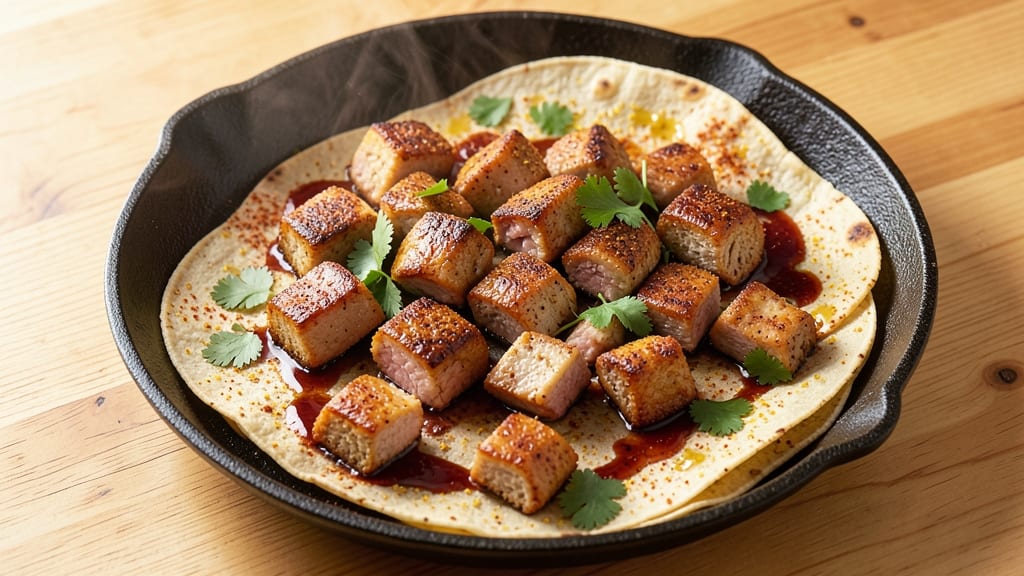
This alligator bread recipe transforms tough alligator meat into crispy, golden bites with a satisfying crunch. The secret lies in proper preparation—cleaning, seasoning, and breading the meat to create a tender interior with a perfectly crisp exterior.
Southern kitchens have perfected this technique for decades, and now you can bring that rich tradition to your table.
The process begins with carefully cleaning and cutting the alligator meat, followed by a flavorful seasoning blend that enhances its natural taste. After breading with crushed tortillas for that signature crunch, the pieces are fried or baked to golden perfection.
Each bite delivers a balance of crispy coating and juicy, flavorful meat that will impress even the most discriminating diners.
What makes this recipe stand out is the combination of traditional Southern techniques and modern convenience. The result is a dish that’s hearty enough to serve as a main course or bold enough to pair with sides like coleslaw or a tangy dipping sauce.
Every step is designed to ensure safety and quality, from handling raw meat to achieving that ideal texture.
Whether you're serving this at a family gathering or a special dinner, alligator bread delivers a unique, satisfying experience that’s both rustic and refined. The crispy tortilla coating and juicy alligator meat create a contrast that’s impossible to resist. Let’s get started on this flavorful journey!
Ingredients for alligator bread
Twelve ingredients transform tough alligator into Southern-style crispy bites with bold flavor.
| Ingredient | Amount | Notes |
|---|---|---|
| Fresh Alligator Meat 🐊 | 1 ½ lb | Skin removed, cut into 1-inch cubes |
| Large Flour Tortillas 🌽 | 12 whole | Corn or flour, store-bought preferred |
| All-Purpose Flour 🌾 | 1 cup | For breading consistency |
| Yellow Cornmeal 🌽 | ½ cup | Fine grind for texture |
| Granulated Garlic Powder 🧄 | 2 tbsp | Freshly ground preferred |
| Smoked Paprika 🌶️ | 1 tbsp | For authentic Southern flavor |
| Ground Black Pepper 🌶️ | 1 tsp | Freshly cracked for intensity |
| Diamond Crystal Kosher Salt 🧂 | 1 tsp | Coarse grain preferred |
| Vegetable Oil 🫒 | 3 cups | For frying, high smoke point |
| Large Eggs 🥚 | 2 whole | Room temperature for better adhesion |
| Butter, Unsalted 🧈 | ½ cup | Melted for basting |
| Fresh Lemon Juice 🍋 | 1 tbsp | Brightens the final flavor |
| Cayenne Pepper 🔥 | ¼ tsp | Optional for heat |
The alligator meat is the foundation—fresh, never frozen for best texture. Source it from reputable game suppliers like Louisiana Game & Fish or Florida Wildlife Commission vendors, where they handle the cleaning process for safety. Look for meat with minimal fat marbling—this ensures tenderness without greasiness. The tortillas should be sturdy but pliable, like Mission or La Tortilla Factory brands, which hold their shape during frying. Store-bought cornmeal from Bob's Red Mill or Anthony's delivers consistent texture without grit.
No flour tortillas? Corn tortillas crushed into fine crumbs work equally well, though the texture will be slightly denser. Short on cornmeal? Panko breadcrumbs at half the amount mimic the crispiness, though they lack the subtle sweetness. The seasoning blend is non-negotiable—smoked paprika from Penzeys adds depth that pre-mixed Cajun seasoning can't replicate. For extra crunch, toast the cornmeal in a dry pan for 2 minutes before mixing. The eggs must be room temperature—cold eggs create a weak binder. Substitute with 1 tbsp cornstarch + 3 tbsp water in a pinch.
Alligator meat should be used within 2 days of purchase and stored in an airtight container with paper towels to absorb moisture. The tortilla crumbs mixture keeps for 3 days in the fridge, but the breading loses crispiness after 1 day. For make-ahead convenience, freeze unbreaded alligator cubes on a tray before storing in bags for up to 3 months. Once fried, serve immediately for maximum crunch, though leftovers reheat beautifully in a 350°F oven for 10 minutes—just cover with foil to prevent drying.
Why You'll Love This Recipe
- Here’s what sold me: it’s equally at home at a swampy cookout or a weeknight dinner. Serve it with remoulade for a fancy touch or just hot sauce and lime—no judgment. My college roommates and my dad’s hunting buddies both approve.
- Fewer Ingredients, Bigger Impact: I swear by this recipe because it’s that rare dish where the ingredients actually matter—and the list is short. Fresh alligator meat needs almost nothing to shine, and the cornmeal crust? That’s the secret weapon. No confusing spice blends or last-minute dashes of this or that.
- Crispy-Creamy Magic: Between us, the texture is what makes this dish. The tortilla stays soft inside while the cornmeal crust gets just crispy—like biting into a golden, garlicky hug. Honestly, I’ve tried frying it a dozen times, and this method never fails.
- Tailgate or Taco Night: Here’s what sold me: it’s equally at home at a swampy cookout or a weeknight dinner. Serve it with remoulade for a fancy touch or just hot sauce and lime—no judgment. My college roommates and my dad’s hunting buddies both approve.
Step-by-step instructions for crispy alligator bread
Master this Southern classic with perfectly seasoned alligator and ultra-crispy tortilla layers.
Prepare the Alligator Meat
Pat the 1.5 lb fresh alligator meat completely dry with paper towels—this is critical for achieving that signature crispy exterior. Using a sharp chef's knife, cut the meat into 1-inch cubes for even cooking. Place the cubes in a large bowl and set aside.
In a separate bowl, combine 1 cup all-purpose flour, 0.5 cup yellow cornmeal, 2 tbsp granulated garlic powder, 1 tbsp smoked paprika, 1 tsp ground black pepper, 1 tsp Diamond Crystal kosher salt, and 0.25 tsp cayenne pepper. Mix thoroughly to create a well-balanced seasoning blend. This combination delivers that authentic Southern flavor profile while ensuring optimal texture.
Pour the seasoned flour mixture over the alligator cubes and toss gently to coat evenly. The coating should adhere well but not clump. Let the coated meat rest for 10 minutes at room temperature—this allows the seasoning to penetrate slightly and prevents excessive moisture release during frying.
Create the Egg Wash and Fry the Alligator
In a shallow dish, beat the 2 whole large eggs until just combined. The eggs should be room temperature for better adhesion to the breaded alligator. Dip each seasoned alligator cube into the egg wash, allowing any excess to drip off before placing on a wire rack set over a baking sheet. This double-coating technique ensures maximum crispiness.
Heat 3 cups vegetable oil in a deep skillet to 350°F—use a deep-fry thermometer to monitor the temperature precisely. The oil should shimmer gently but not smoke. Working in batches to avoid overcrowding, carefully lower the alligator cubes into the hot oil. Fry for 3-4 minutes until the exterior is deep golden brown and the meat reaches an internal temperature of 165°F.
Transfer the fried alligator to a paper towel-lined plate to drain excess oil. The cubes should be crispy on the outside while remaining tender within. If the oil temperature drops below 340°F during frying, adjust the heat and allow it to recover before adding more batches.
Assemble the Alligator Bread Layers
Melt the 0.5 cup unsalted butter in a small saucepan over low heat until completely liquid. Remove from heat and stir in the 1 tbsp fresh lemon juice. This buttery lemon mixture will serve as both a basting agent and flavor enhancer for the final assembly.
Warm the 12 whole large flour tortillas in a dry skillet over medium heat for 20-30 seconds per side until pliable but not browned. Stack the tortillas on a clean work surface and brush each with the melted butter-lemon mixture. This creates a cohesive layer that binds the alligator pieces together while adding brightness to each bite.
Arrange half of the fried alligator cubes in a single layer over the buttered tortillas, leaving a ½-inch border around the edges. Top with the remaining tortillas and alligator cubes, creating a layered sandwich. Press gently but firmly to ensure all components adhere—this prevents shifting during the final baking step.
Bake for Maximum Crispiness
Preheat your oven to 375°F and line a baking sheet with parchment paper. Place the assembled alligator bread on the prepared sheet and brush the top generously with any remaining butter-lemon mixture. This final basting ensures the tortillas develop that coveted crispy texture while keeping the alligator moist.
Bake for 15-18 minutes until the tortillas are deep golden brown and the edges begin to crisp. The internal temperature of the alligator should reach 170°F—use an instant-read thermometer to verify. The bread should feel firm to the touch with no soft spots remaining.
Remove from the oven and let rest for 5 minutes before slicing. This resting period allows the layers to set slightly, making clean cuts possible. Serve immediately while the tortillas are at their crispiest and the alligator remains juicy. Each bite should deliver that perfect contrast of crispy, chewy tortilla with tender, flavorful alligator.
Pro Tips For Making Alligator Bread
- Trim Before Grinding: Alligator meat has tough connective tissue that turns to mush if not handled right. Use kitchen shears to snip away silver skin and gristle before grinding—your bread’s texture will thank you. (I learned this after a batch that fell apart like wet cardboard.)
- Toast the Cornmeal: Skip the raw cornmeal—dry-toast it in a skillet over medium heat for 3–4 minutes until golden. This adds depth and prevents a gritty bite in your bread. (Yes, it’s an extra step, but the crunch is worth it.)
- Don’t Overwork the Dough: Once you mix the alligator meat, flour, and cornmeal, stop kneading after 2–3 minutes. Overmixing makes the bread dense and chewy. (I used to punch it like I was mad at it—now I treat it like a fragile soufflé.)
- Preheat the Pan Hot: Cast iron or heavy skillet needs to scream hot before adding the bread. If it’s lukewarm, you’ll end up with a greasy, undercooked mess. Test with a drop of water—if it sizzles violently, you’re ready. (No, your stove’s “medium-high” isn’t enough.)
Storing and reheating your leftovers
Refrigerator Storage
Store any leftover alligator bread in an airtight container with a paper towel pressed on top to absorb moisture. Keep it refrigerated for up to 3 days—the tortilla layers will stay crisp for the first 24 hours, but texture softens slightly after that.
I recommend reheating within 2 days for best results. 🌡️
For the alligator cubes alone (unassembled), store them in a sealed container with parchment paper between layers to prevent sticking. They’ll keep well for 3 days in the fridge, but I find their crispiness diminishes after 2 days of storage. The seasoning stays vibrant, though!
Freezer Prep
Freeze unbreaded alligator cubes on a parchment-lined tray for 1 hour before transferring to a ziplock bag with excess air removed. This prevents freezer burn and makes them easy to grab for future meals.
They’ll stay good for 3 months—just thaw overnight in the fridge before breading and frying. ❄️
For fully assembled alligator bread, wrap individual slices tightly in plastic wrap and place them in a freezer bag. Reheat directly from frozen at 350°F for 15 minutes—the tortillas will crisp up again, though not quite as perfectly as fresh.
I always reheat with a splash of water in the oven to restore moisture.
Reheating Methods
My go-to method is the oven at 350°F for 10-12 minutes, covered loosely with foil to trap steam. This restores the tortilla’s crispness while keeping the alligator juicy.
For a quick fix, use the air fryer at 375°F for 5 minutes, shaking halfway through—this works surprisingly well for smaller portions. 💫
Avoid the microwave—it turns the tortillas soggy. If you must use it, heat in 30-second bursts on 50% power, then finish in the oven for 2 minutes to revive the texture. The alligator stays tender, but the breading loses its crunch entirely.
Serving Leftovers
Leftover alligator bread makes a fantastic breakfast hash the next morning. Chop into bite-sized pieces, reheat in a skillet with butter and onions, and top with a fried egg. The smoky paprika and tortilla crunch add depth to any morning meal. 🍳
For a lunch option, slice into thick sandwiches with avocado and hot sauce, or serve as a crunchy topping for salads. The buttery lemon flavor pairs beautifully with greens and citrus vinaigrette. Just reheat briefly to restore crispiness before serving.
Nutrition facts
Frequently asked questions
Why do I need to pat the alligator meat completely dry?
Removing all moisture is essential for creating that perfect crispy exterior. Wet meat steams instead of frying, resulting in soggy breading. The 10-minute rest after seasoning also helps the coating adhere better and prevents oil splatter when frying.
Can I substitute corn tortillas for flour tortillas?
Yes, but with adjustments! Corn tortillas work well when crushed into fine crumbs (replace half the flour with ½ cup cornmeal). However, they lack the pliability of flour tortillas for layering. For the best texture, use flour tortillas for assembly and corn tortilla crumbs as part of the breading mix.
How do I prevent the alligator from becoming chewy?
Overcooking is the main culprit. Use a meat thermometer to check for 165°F internal temp—never guess! Fry in batches to maintain 350°F oil temp, and avoid overcrowding the pan. For extra tenderness, marinate the meat in lemon juice and butter for 30 minutes before breading.
What's the best way to reheat alligator bread?
The oven is your best friend! Reheat at 350°F for 10-12 minutes with foil loosely covering the top. For quick fixes, try the air fryer at 375°F for 5 minutes, shaking halfway. Avoid microwaving—it makes the tortillas rubbery. A splash of water in the oven tray helps restore crispiness.
Where can I buy fresh alligator meat?
Look for reputable game suppliers like Louisiana Game & Fish or Florida Wildlife Commission** vendors. They handle the cleaning process for safety. Local butchers in Southern states (especially Louisiana, Florida, or Texas) often carry it fresh. Always ask about proper handling—raw alligator should be treated like raw poultry for food safety.