
Side Dishes
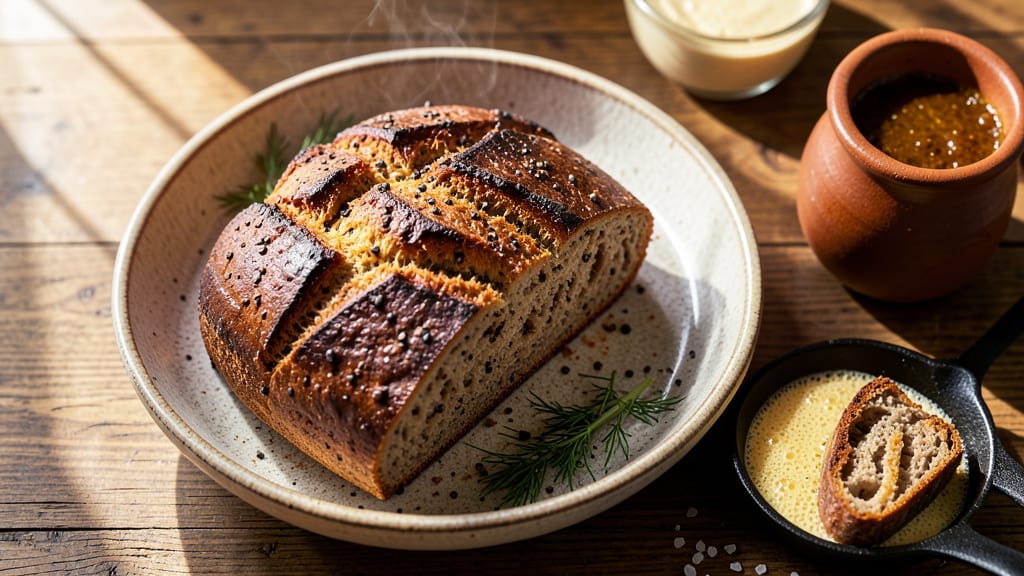
Mastering all rye bread delivers a satisfying crusty crunch paired with a dense, nutty interior—exactly what makes this bread a staple in European bakeries. The secret lies in balancing hydration, fermentation, and a foil-sealed bake that traps steam for an open crumb.
Unlike quick breads, this recipe demands patience: a long fermentation develops deep flavor, while precise kneading ensures that signature chewy texture.
This method combines traditional techniques with modern shortcuts—using commercial yeast alongside a small amount of starter for complexity without the 7-day wait. The dough requires minimal handling after the initial mix, and the baking process is straightforward once you understand the foil-seal trick.
What you’ll end up with is a loaf with a crisp, caramelized crust and a moist, slightly tangy crumb that’s perfect for sandwiches or toast.
Perfect for home bakers ready to elevate their bread game, this recipe yields a foolproof result with restaurant-quality texture. The key steps—proper hydration, controlled fermentation, and the foil-seal bake—are all explained in detail to ensure success.
Whether you’re a beginner or a seasoned baker, this method delivers consistent, impressive results every time.
Ready to bake? Let’s break down the ingredients and techniques that make this all-rye loaf shine—no fancy equipment required. The process is methodical, but the reward is a loaf that rivals artisanal bakery bread. Here’s how to achieve it.
Ingredients for all rye bread
Precision-mixed ingredients unlock that signature rye depth and crisp crust. Every element plays a role.
| Ingredient | Amount | Notes |
|---|---|---|
| All-Purpose Flour 🌾 | 2 cups | For structure and texture |
| Dark Rye Flour 🌾 | 2 cups | Pumpernickel or whole-grain preferred |
| Active Dry Yeast 🍞 | ½ tsp | Ensure freshness with expiration check |
| Sourdough Starter 🍞 | ½ cup | Unfed, active starter only |
| Granulated Sugar 🍚 | 1 tbsp | Feeds yeast for fermentation |
| Salt 🧂 | 1 ½ tsp | Diamond Crystal preferred |
| Whole Milk 🥛 | ½ cup | Full-fat for optimal flavor |
| Unsalted Butter 🧈 | ¼ cup | Cold, cubed for dough enrichment |
| Malt Powder 🌾 | 1 tbsp | Enhances fermentation and flavor |
| Cornmeal 🌽 | ¼ cup | For dusting and crust formation |
| Water 💧 | 1 ½ cups | Room temperature for hydration |
| Aluminum Foil 📄 | 1 sheet | For steam retention during bake |
| Ice Water ❄️ | ¼ cup | For final dough adjustment |
The rye flour is non-negotiable here—King Arthur or Bob’s Red Mill dark rye delivers the deepest flavor. Look for pumpernickel-style if your grocery store carries it; it’s slightly sweeter and adds complexity. The sourdough starter should be active but unfed—think of it as a living ingredient that amplifies tang. For the yeast, Fresh Start from King Arthur is my go-to because it’s more reliable than store-brand versions. If you’re using a commercial starter, ensure it’s unfed (no extra flour or water added) to maintain its potency. The malt powder might be hard to find in regular grocery stores, but King Arthur sells it online or check the baking aisle at Williams Sonoma—it’s worth the hunt for that extra depth of flavor.
No dark rye flour? Substitute half with whole wheat—it won’t be identical, but you’ll still get that hearty texture. Running short on starter? Use an extra 0.25 tsp of yeast to compensate, but reduce the sugar slightly to avoid overproofing. The milk and butter can be swapped for plant-based milk and vegan butter if needed, though the crust won’t be as golden. For the cornmeal, semolina works in a pinch, though it’s grainier. If you’re baking at high altitude, reduce the water by 0.25 cup to prevent a gummy crumb. The foil is critical—heavy-duty aluminum foil works best for trapping steam, but parchment paper can be used as a last resort (though it won’t seal as tightly).
The dough should be sticky but manageable—if it’s too wet, add 1 tbsp flour at a time until it pulls away from the bowl. Store the unmixed ingredients (flours, yeast, salt) in airtight containers for up to 6 months, while the starter keeps in the fridge for 2 weeks if fed weekly. The butter and milk should be used within 1 week of opening for best flavor. Once baked, the loaf stays fresh for 3-4 days at room temperature, wrapped in a clean kitchen towel. For longer storage, slice and freeze—it reheats beautifully in a toaster or oven for that fresh-baked taste.
Why You'll Love This Recipe
- This bread handles everything: thick toast for breakfast, sandwiches that don’t fall apart, or even as a side for dinner. I keep a loaf in the freezer for lazy mornings—no excuses.
- No-Knead Magic: I swear by this—just mix the all-purpose flour, dark rye, and a splash of sourdough starter, then let it rise while you do dishes. The yeast does all the work, and honestly? That’s my kind of baking.
- Earthy Crunch: The dark rye flour gives it a deep, almost caramelized bite that’s not too sour, not too sweet—just right. The sourdough starter adds that tangy depth, so every slice tastes like a cozy hug.
- Everyday Star: This bread handles everything: thick toast for breakfast, sandwiches that don’t fall apart, or even as a side for dinner. I keep a loaf in the freezer for lazy mornings—no excuses.
Step-by-step instructions for all rye bread
Mastering this recipe delivers a crusty exterior with a dense, nutty interior—here's how to achieve it.
Activate Yeast and Hydrate the Flours
In a small bowl, dissolve the 0.5 tsp active dry yeast in 1.5 cups room temperature water along with the 1 tbsp granulated sugar. Let this mixture sit for 10-15 minutes until it becomes frothy—this confirms your yeast is active. If it doesn't bubble, your yeast may be dead and should be replaced.
In a separate large bowl, whisk together the 2 cups all-purpose flour, 2 cups dark rye flour, 1.5 tsp salt, and 1 tbsp malt powder. Create a well in the center and pour in the yeast mixture. The rye flour will absorb liquid aggressively, so be prepared to stir vigorously as you add the 0.5 cup whole milk and 0.25 cup cold cubed unsalted butter. The dough will be shaggy but cohesive—this is normal with rye's high hydration capacity.
Incorporate Sourdough Starter and Knead
Add the 0.5 cup unfed sourdough starter to the flour mixture and use a wooden spoon to combine everything until no dry spots remain. Switch to your hands and knead on a lightly floured surface for 8-10 minutes until the dough becomes smooth and elastic. Rye dough resists traditional kneading, so focus on stretching and folding rather than punching down.
Here's the thing—rye dough develops gluten differently than wheat. You're not looking for a perfectly smooth ball but rather a slightly sticky, cohesive mass that springs back when poked. If the dough feels too stiff, add 1 tablespoon water at a time until it reaches this ideal consistency. Cover the bowl with a damp towel and let it rest at room temperature for 1 hour—this initial bulk fermentation is crucial for flavor development.
Shape and Cold Proof for Depth of Flavor
Turn the dough onto a surface dusted with 0.25 cup cornmeal and divide it into 4 equal pieces (about 8 ounces each). Shape each piece into a round boule by pulling the dough toward you in a circular motion. The surface should be smooth with a slightly taut skin—this creates tension that helps develop the crust later.
Place the shaped boules on a parchment-lined baking sheet, cover with the 1 sheet aluminum foil, and refrigerate for 12-18 hours. This cold proofing period allows the rye's natural acids to develop fully, creating that signature tangy depth. The dough will rise slowly in the fridge, but it shouldn't double in size—just increase slightly in volume. If it rises significantly, it needs more time in the cold.
Steam Bake for Crusty Texture
Preheat your oven to 425°F with a baking stone or inverted baking sheet on the middle rack. When ready, remove the boules from the fridge and let them sit at room temperature for 30 minutes—this prevents sudden heat shock that can cause cracking. Just before baking, place a metal bowl filled with 1 cup hot water on the lower oven rack to create steam.
Bake the boules for 25-30 minutes until they develop a deep mahogany crust with visible blisters. Rotate the baking sheet halfway through for even browning. The internal temperature should reach 190-195°F when measured with an instant-read thermometer. If the crust browns too quickly, tent loosely with foil to prevent burning while maintaining steam.
Cool and Slice for Perfect Texture
Remove the bread from the oven and let it cool on a wire rack for at least 1 hour before slicing. Rye bread continues to set as it cools, and slicing too soon results in a gummy interior. The crust should be crisp and shatterable, while the crumb remains dense with a moist, slightly chewy texture.
For the best results, store wrapped in a cotton towel at room temperature for up to 5 days or freeze for longer storage. The flavor actually improves over time as the rye's acids continue to develop. Each slice should reveal a rich, nutty aroma with visible speckles of dark rye flour—this is the hallmark of a well-made all-rye bread.
Pro Tips For Making All Rye Bread
- Hydrate the Rye First: Dark rye flour absorbs moisture like a sponge—mix it with warm water or milk before adding dry ingredients. I learned this the hard way when my first batch turned into a dense brick because the rye clumped instead of integrating.
- Measure Yeast by Weight: That "1 packet" of yeast isn’t always 2¼ teaspoons—weigh it. Yeast activity varies, and rye bread, with its low gluten, needs consistent fermentation. A kitchen scale for 3–4 grams guarantees reliable rising.
- Skip the Sugar Rush: Granulated sugar feeds yeast, but too much makes the crust sticky and the crumb gummy. Use half the amount called for—rye’s natural sweetness and sourdough’s acidity balance flavor just fine.
- Proof in a Cool Spot: Let the dough rise at 70°F (21°C) for 12–16 hours—no oven trickery needed. The slow fermentation develops deeper flavor, and the cooler temp prevents overproofing, which collapses rye’s delicate structure. (Yes, even if you’re impatient like me.)
Serving suggestions for this recipe
Classic Sandwich Pairings
This dense, nutty bread shines in Reuben sandwiches—layer it with corned beef, Swiss cheese, Russian dressing, and sauerkraut for a tangy, satisfying bite. The crisp crust holds up perfectly to the melting cheese and tangy sauerkraut.
For a lighter option, try avocado toast with smoked salmon, cream cheese, and dill—the rye's heartiness balances the creamy avocado beautifully. 🥪
Breakfast Serving Ideas
Toast thick slices and top with scrambled eggs, crispy bacon, and maple syrup for a hearty breakfast. The nutty flavor pairs wonderfully with ricotta cheese and honey—spread generously for a sweet-savory combo.
For a make-ahead option, prepare breakfast sandwiches with cheddar cheese and turkey sausage, then reheat in a toaster or oven until crispy. 🍳
Cheese and Charcuterie Boards
Use slices of this rye bread to create an elevated charcuterie spread. Pair it with aged cheddar, blue cheese, prosciutto, and fig jam for a sophisticated mix of textures.
The bread's crusty exterior contrasts perfectly with the creamy cheeses and salty meats. For a sweet touch, add dark chocolate squares and walnuts to balance the savory elements. 🧀
Soup and Stew Accompaniments
This bread is ideal for dipping into creamy soups like potato leek or butternut squash. The crust stays intact while soaking up flavors beautifully. For heartier meals, serve with beef stew or lentil soup—the dense crumb holds up to brothy dishes without falling apart.
Toast slices lightly before serving to enhance the crust's crunch. 🥘
Sweet Applications
Don't overlook this bread's potential for sweet treats! Toast slices and spread with almond butter and banana slices for a quick dessert. For a gourmet touch, top with mascarpone cheese, honey, and toasted pecans.
The nutty flavor also pairs well with chocolate ganache or caramelized apples for a decadent finish. 🍫
Meal Prep and Storage Tips
Slice the cooled loaf and store in an airtight container with a paper towel to maintain freshness for up to 5 days. For longer storage, freeze slices wrapped in plastic wrap—reheat in a toaster or oven for that fresh-baked taste.
The bread reheats beautifully, making it perfect for lunchbox sandwiches or quick snacks throughout the week. ❄️
Nutrition facts
Frequently asked questions about all rye bread
Why does my all-rye dough feel so sticky?
Rye flour absorbs moisture differently than wheat flour, creating a naturally sticky dough. This is normal and essential for the bread's signature dense texture. Use a lightly floured surface when handling and don't over-knead—rye dough develops gluten more gently. The stickiness actually helps create that moist, chewy crumb you want.
Can I make this without a sourdough starter?
Yes! Replace the 0.5 cup starter with an extra 0.25 tsp yeast and 1 tbsp apple cider vinegar to mimic the tang. The bread won't be identical but will still have excellent flavor and texture. For best results, use a commercial rye starter or let the dough ferment longer (up to 24 hours) at room temperature.
What's the deal with the foil-seal baking method?
The foil creates steam during baking, which is crucial for rye bread's open crumb and crisp crust. Remove the foil after 15 minutes to let the crust brown properly. Without this step, your bread may turn out dense and pale. The steam also helps prevent cracking as the loaf expands in the oven.
How do I know when my rye bread is fully baked?
Your bread is done when the internal temperature reaches 190-195°F and the crust sounds hollow when tapped. The crust should be deep mahogany with visible blisters. If it browns too quickly, tent with foil to prevent burning while maintaining steam circulation.
Can I substitute dark rye flour with whole wheat?
You can replace up to 1 cup of dark rye with whole wheat flour, but expect a slightly different texture and flavor. Dark rye provides that distinctive nutty depth and better moisture retention. For closest results, use a blend of 1 cup whole wheat + 1 cup all-purpose flour instead of the full rye amount.