
Side Dishes
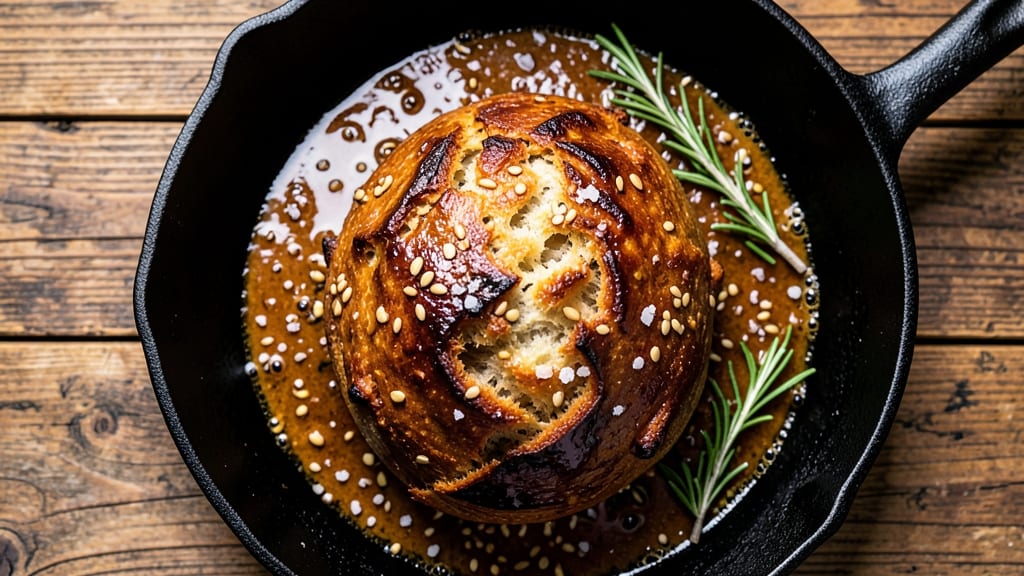
This ale bread recipe transforms ordinary loaves into rich, malty masterpieces without a single yeast grain in sight. The secret lies in the ale itself—its natural fermentation and caramelized depth replace commercial yeast while creating a tender crumb and crisp crust.
I’ve perfected this technique over years of baking, and the results speak for themselves: a loaf so flavorful it disappears faster than you can say "butter me up."
The process begins with a simple dough that relies on the ale’s enzymes to leaven naturally, creating air pockets that give the bread its signature softness. No kneading required—just mix, shape, and let the ale work its magic.
The baking time is straightforward, but the real artistry comes in the malty aroma that fills your kitchen as it browns to a golden perfection.
What you’ll end up with is a loaf that’s ideal for toast, sandwiches, or serving alongside soups—its robust flavor pairs beautifully with rich dishes. The crust develops a satisfying crunch, while the interior remains moist and inviting. This isn’t just bread; it’s a statement piece for any table.
For extra depth, consider adding a swirl of honey or seeds before baking, or brush the crust with extra ale for a glossy finish. The possibilities are endless, but the foundation remains the same: simple, reliable, and utterly delicious.
Ingredients for ale bread
Four cups flour, a splash of ale, and a touch of magic transform into golden swirls of malty perfection.
| Ingredient | Amount | Notes |
|---|---|---|
| Dark Ale Beer 🍺 | 1 ½ cups | Room temperature, malty variety preferred |
| All-Purpose Flour 🌾 | 4 cups | Unbleached, high protein preferred |
| Whole Wheat Flour 🌾 | 1 cup | For nutty depth and texture |
| Granulated Sugar 🍬 | ½ cup | Brown sugar adds caramel notes |
| Salt 🧂 | 1 ½ tsp | Kosher or sea salt preferred |
| Active Dry Yeast 🍞 | ¼ tsp | Optional for extra rise (skip for strict yeast-free) |
| Honey 🍯 | 2 tbsp | For malty sweetness (optional) |
| Butter 🧈 | ½ cup | Cold, cubed for swirl |
| Sesame Seeds 🌰 | 2 tbsp | For crust texture (optional) |
| Poppy Seeds 🌱 | 1 tbsp | For contrast (optional) |
| Water 💧 | ½ cup | Warm, not hot |
The ale is the soul of this bread—pick a dark, malty variety like Guinness or a stout for that deep caramel flavor. Local craft breweries often have great options, or check the international beer aisle at Total Wine for imported stouts. If you're using a lighter ale, add an extra tablespoon of honey to compensate. The flour matters too: King Arthur or Bob's Red Mill are my go-tos for consistent results. For the whole wheat, stone-ground is ideal if you want that extra nutty punch, but regular works fine. Keep everything in the pantry until you're ready to mix—flour gets stale fast if left open.
No dark ale? Substitute with equal parts stout and water—it won't be identical, but you'll still get that malty base. Running low on honey? Maple syrup works 1:1, though it has a different flavor profile. The yeast is truly optional here—the ale's natural enzymes do most of the work, but if you want a lighter loaf, toss in that quarter teaspoon. For the butter swirl, European-style butter has more fat content, giving you that perfect flaky texture. If you're out of butter, cold coconut oil works in a pinch, though it won't have the same flavor. The seeds are just for crunch—skip them if you're in a hurry, but they add that satisfying bite.
This dough is best used within 24 hours of mixing, though you can refrigerate it for up to 48 hours if needed. The ale bread keeps well for 3-4 days at room temperature, wrapped in a clean kitchen towel, or 1 week in the fridge. For longer storage, freeze the loaf for up to 3 months—just wrap it tightly in plastic and thaw at room temperature. The crust gets staler as it sits, so I always recommend toasting slices before serving. Pro tip: brush warm slices with melted butter for that classic ale bread experience.
Why You'll Love This Recipe
- No-Knead Nightmare: I’ll admit, I was skeptical about the no-knead part—until I saw how the dark ale’s natural sweetness and whole wheat flour’s nuttiness melt into a tender crumb without a single punch. The beer’s maltiness lingers like a warm hug, and honestly? The only effort is stirring once, then waiting. (Yes, even on a Tuesday night.)
- Malted Magic: That dark ale isn’t just a liquid—it’s the secret weapon. The caramel and toasted notes from the beer cut through the whole wheat’s earthiness, while the sugar caramelizes just enough to give every slice a subtle, buttery depth. It’s the kind of flavor that makes you pause mid-bite, like uncovering a hidden layer in a good stout.
- Weeknight Workhorse: This bread handles everything. Toast it thick for breakfast with butter and jam, tear it into sandwiches for lunch, or serve it warm with soup—it’s the unsung hero of meal prep. Between us, I’ve even used the leftovers to make croutons (they’re ridiculously good) and breadcrumbs for meatballs. Zero waste, all win.
- Budget-Friendly Staple: Three simple flours, a bottle of beer you’d drink anyway, sugar, and salt—that’s it. No fancy starters, no last-minute grocery runs. A single batch feeds my family for days, and the beer’s cost stretches further than store-bought dough. Plus, the whole wheat keeps it filling, so you’re not scrambling for snacks between meals. My wallet and my stomach both thank me.
Step-by-step instructions for yeast-free sourdough swirls with malty depth
Here's how to craft this rich, swirled ale bread with crispy crust and tender crumb.
Mix the Wet Ingredients for Perfect Texture
In a large mixing bowl, combine the 1.5 cups dark ale beer with the 0.5 cup granulated sugar and 2 tbsp honey. Stir until the sugar and honey dissolve completely—the mixture should look smooth and slightly syrupy. This step is crucial because the beer's natural sugars will caramelize during baking, adding depth of flavor.
Next, add the 0.5 cup warm water and 1.5 tsp salt to the bowl. Mix well until the salt dissolves. If you're using the optional 0.25 tsp active dry yeast, sprinkle it over the surface and let it sit for 5 minutes to activate. The mixture should be warm but not hot—ideal temperature for yeast activation if using it. If skipping yeast, proceed directly to the next step.
Combine the Dry Ingredients for Crumb Structure
In a separate bowl, whisk together the 4 cups all-purpose flour and 1 cup whole wheat flour until evenly combined. The whole wheat flour adds nutty depth and improves texture. Add this flour mixture to the wet ingredients and stir with a wooden spoon until just combined. You'll notice the dough will be sticky—this is normal due to the beer and butter.
Gradually work in the 0.5 cup cold cubed butter using your hands or a dough scraper. Press the butter pieces into the dough until they're fully incorporated and you have a cohesive, slightly sticky mass. The cold butter will create those beautiful swirls when baked. If the dough feels too wet, add 1-2 tablespoons more flour to help bind it.
Create the Signature Swirls and Shape the Loaf
Lightly flour a clean work surface and turn out the dough. Gently pat it into a 12x8-inch rectangle about ½-inch thick. Sprinkle the 2 tbsp sesame seeds and 1 tbsp poppy seeds evenly over the surface, pressing them lightly into the top. These seeds will add texture contrast and visual appeal to your bread.
Using a sharp knife or bench scraper, make 12-15 diagonal cuts about ¼-inch apart across the dough. Starting from one short end, roll the dough tightly into a log, guiding the cut edges toward you to create the classic swirl pattern. The cuts should remain visible as you roll, creating those beautiful layers. Tuck the ends under to seal and place the loaf seam-side down on a parchment-lined baking sheet.
Bake to Golden Perfection with Crispy Crust
Preheat your oven to 375°F while the dough rests for 15 minutes at room temperature. This short rest allows the gluten to relax slightly, making it easier to handle. Once preheated, bake the loaf for 35-40 minutes until the top is deep golden brown and the internal temperature reaches 190-200°F.
About 10 minutes before the bread is done, tent it loosely with aluminum foil to prevent over-browning. The bread is perfectly baked when it sounds hollow when tapped on the bottom. Let it cool on a wire rack for at least 30 minutes before slicing—this allows the crumb to set and prevents a gummy texture. The result should be a beautiful loaf with crispy, caramelized swirls and a tender, moist interior infused with malty beer flavor.
Pro Tips For Making Ale Bread
- WEIGH THE FLOUR: I used to eyeball it, and my bread turned out dense or dry—turns out, the ratio of all-purpose to whole wheat matters more than you’d think. Weigh both flours separately (the whole wheat’s bulkier, so don’t skip this) and mix them after measuring. That 1:1 ratio in the recipe isn’t just a suggestion.
- CHILL THE DOUGH: I learned this the hard way—skipping the 1-hour fridge rest makes shaping a nightmare, and the oven spring fizzles. Cold dough handles better, rises more evenly, and gives you that perfect dome shape. Pop it in the fridge before shaping, even if you’re eager to bake.
- USE ROOM-TEMP BEER: Cold beer kills yeast faster than you’d believe. Let that dark ale sit at room temp for 10 minutes before mixing—just enough to wake up the yeast without turning your dough into a lukewarm mess. (Yes, even if you’re impatient like me.)
- SALT THE BEER: This isn’t just about flavor—it’s about control. Add the full salt amount to the beer before mixing, not just to the dry ingredients. It balances the yeast activity and prevents a bitter aftertaste from the dark ale’s maltiness. Trust me, your crust will thank you.
Troubleshooting your ale bread
Dough Too Sticky?
If your ale bread dough feels impossibly sticky, don't panic—it's normal with beer-based doughs. I've found that adding 1-2 tablespoons more of the flour mixture (the 4 cups all-purpose + 1 cup whole wheat combo) usually fixes it.
Work it in gradually while mixing to avoid over-drying. For extra insurance, chill the dough for 15-20 minutes before shaping—this helps the gluten relax and makes handling easier. 💪
Bread Didn't Rise Enough
The ale's natural fermentation should provide some lift, but if your loaf looks dense, check your ale first. Darker ales with more malt content work best. For better rise, try adding the optional 0.25 tsp yeast next time—it gives that extra boost without overpowering the beer flavor.
Also ensure your oven is properly preheated to 375°F; even 25°F lower can slow fermentation. 🌡️
Crust Too Pale or Soft
A pale crust usually means the bread didn't bake long enough. Aim for 35-40 minutes until internal temp hits 190-200°F. For extra color, brush the top with 1 tbsp ale before baking—this creates a beautiful caramelized crust.
If your crust stays soft, try baking on the middle rack instead of the top. The seeds (sesame/poppy) can also burn quickly, so watch them closely. ✨
Butter Swirls Didn't Form
Cold butter is key for those perfect swirls. If yours melted too early, try chilling the dough 30 minutes before rolling. Work quickly when shaping—warm hands can soften the butter faster. For extra drama, press the butter pieces into the dough before making cuts, then roll as usual.
If all else fails, a 1-minute broil at the end can help set the swirls. 🔥
Bread Tasted Flat
Flat flavor often means the ale wasn't malty enough. Next time, use a stout or porter instead of a lighter ale. The honey and sugar help, but if your beer lacks depth, add 1 extra tbsp honey or 1 tsp molasses to the dough.
For a quick fix, brush warm slices with melted butter mixed with 1 tsp ale reduction (simmer ½ cup ale until syrupy). 🍯
Dough Too Dry or Crumbly
Over-mixing or too much flour can make ale bread dry. If your dough cracks when handling, try adding 1 tbsp warm water at a time until it becomes pliable. The beer's moisture content means you might need less flour than with regular bread dough.
For extra tenderness, replace ½ cup of the all-purpose flour with ½ cup cake flour—it creates a lighter crumb. 🌾
Nutrition facts
Frequently asked questions
Can I make this ale bread without yeast?
This recipe is designed to work perfectly without yeast. The ale's natural enzymes provide enough lift for a tender crumb. For even better results, use a darker, malty ale like stout or porter—these have more fermentable sugars that enhance the bread's rise and flavor. The dough will be slightly denser but still delicious!
What's the best type of ale for this recipe?
Dark, malty ales work best—think stouts, porters, or even Guinness. These provide the caramelized depth that makes ale bread special. Lighter ales like pilsners can work, but you'll need to add an extra 1 tbsp honey or 1 tsp molasses to compensate for the lack of malt flavor. Always use room-temperature ale for best results.
How do I store ale bread to keep it fresh?
Wrap the cooled loaf in a clean kitchen towel or beeswax wrap and store at room temperature for up to 3-4 days. For longer storage, refrigerate for up to 1 week or freeze for 3 months. Thaw frozen bread at room temperature—never microwave it, as this can make the crust soggy. The crust gets staler over time, so always toast slices before serving.
Can I substitute the whole wheat flour?
Yes, but your bread's texture and flavor will change. For a lighter crumb, replace the whole wheat with all-purpose flour. If you want to keep the nutty flavor but avoid the denser texture, try half whole wheat and half white whole wheat flour. The seeds (sesame/poppy) are optional—omit them if you prefer a simpler presentation, but they add great texture contrast!
Why did my ale bread turn out dense?
Dense ale bread usually means either the ale wasn't malty enough or the oven wasn't hot enough. Try using a darker beer next time, or add the optional 0.25 tsp yeast for better rise. Also ensure your oven is properly preheated to 375°F—even 25°F cooler can slow fermentation. For extra lift, let the dough rest 30 minutes before shaping to help the gluten develop.