
Side Dishes
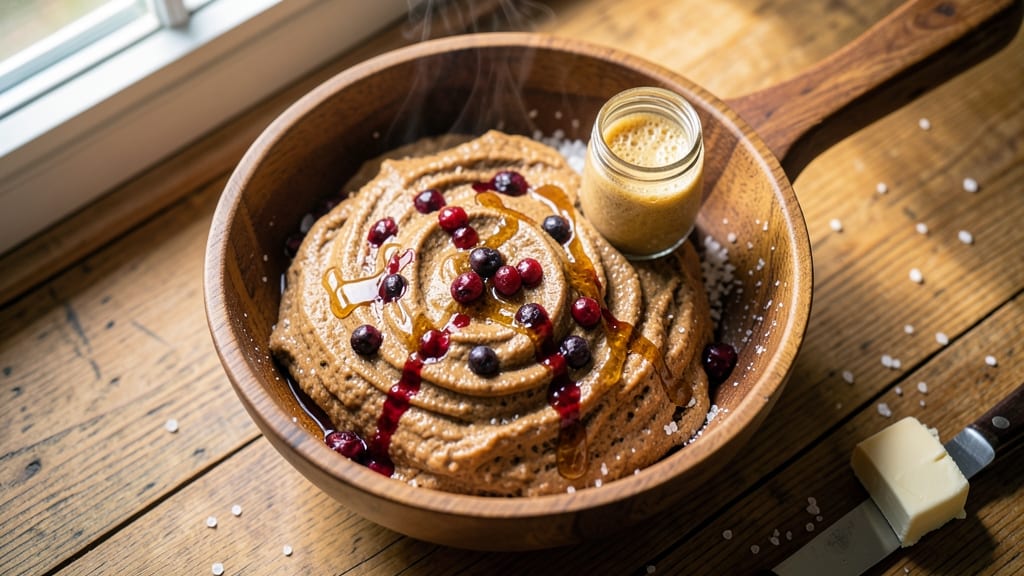
This Alaskan sourdough bread recipe delivers a rustic loaf with a tangy crust and wild berry swirl, perfect for Alaska’s crisp climate. The high-hydration dough and steam bath baking create a light, airy crumb that’s ideal for soaking up butter or pairing with fresh-caught salmon.
I’ve adapted traditional sourdough techniques to thrive in colder temperatures, ensuring a reliable starter and oven-friendly results even in remote kitchens.
The secret lies in the wild berry swirl—local berries like crowberries or lingonberries add a tart contrast to the bread’s mild, slightly sour flavor. Unlike commercial sourdough, this recipe uses a slow fermentation process (up to 24 hours) to develop deep flavor while maintaining a tender crumb.
The tangy crust comes from a simple water spray during baking, a technique borrowed from Alaskan bakeries to mimic wood-fired ovens.
What you’ll end up with is a hearty loaf that’s both rustic and refined—perfect for breakfast toast, sandwiches, or as a centerpiece for fish dishes. The wild berries stay vibrant and juicy, while the crust remains crisp enough to hold up to butter or jam.
This bread isn’t just nourishing; it’s a taste of Alaska’s self-sufficient baking tradition, adapted for home kitchens.
Whether you’re feeding a family or prepping for a campfire meal, this recipe scales easily and rewards patience with a loaf that tastes like home. Let’s get started—your kitchen will smell like a cozy Alaskan cabin in no time.
Ingredients for alaskan sourdough bread
Four cups flour plus wild berries and a tangy starter create Alaska's signature rustic loaf.
| Ingredient | Amount | Notes |
|---|---|---|
| Active Sourdough Starter 🍞 | 1 cup | Unfed, bubbly starter (100% hydration) |
| All-Purpose Flour 🌾 | 4 cups | King Arthur or similar bread flour |
| Whole Wheat Flour 🌾 | 1 cup | For added rustic texture |
| Wild Berries 🍇 | 1 ½ cups | Crowberries or lingonberries, frozen or fresh |
| Granulated Sugar 🍚 | ¼ cup | For fermentation and sweetness |
| Unsalted Butter 🧈 | ½ cup | Cold, cubed for swirl |
| Instant Yeast 🍄 | ¼ tsp | Optional, for faster rise |
| Sea Salt 🧂 | 1 ½ tsp | Diamond Crystal preferred |
| Water 💧 | 2 ½ cups | Filtered or spring water |
| Honey 🍯 | 1 tbsp | Local wildflower preferred |
| Cornmeal 🌽 | ¼ cup | For dusting baking sheet |
The sourdough starter is the heart of this recipe—look for a bubbly, active starter that doubles in size within 4-6 hours. If you're new to starters, King Arthur's sourdough starter kit is a reliable place to begin, or check local Alaskan bakeries for wild-caught starter cultures. The wild berries should be tart and vibrant; frozen works just as well as fresh, but thaw them first. For the flour, King Arthur or Caputo Tipo 00 are the gold standards, though any high-quality bread flour will do. The butter should be cold and cubed—this ensures those beautiful swirls stay intact during baking.
No wild berries? Substitute with a mix of blueberries and raspberries, though the flavor won't be quite as authentic. Running short on time? Add the optional instant yeast to speed up fermentation, but the slow rise is what develops that deep, tangy flavor. The honey can be swapped for maple syrup if you prefer, though honey adds a subtle floral note that pairs beautifully with the berries. For the salt, Diamond Crystal is ideal—it dissolves more easily and enhances flavor without overpowering. If you're baking in a high-altitude area, consider adding an extra tablespoon of flour to compensate for the thinner air.
The starter and dough can be prepped a day ahead—just store them in the fridge. The berries and butter swirl should be mixed in just before shaping the loaf. Once baked, let the bread cool completely on a wire rack before slicing—this prevents a gummy crumb. The loaf keeps well wrapped at room temperature for 3-4 days, or you can freeze it for up to 3 months. For extra crispiness, reheat slices in a 350°F oven for 5 minutes before serving.
Why You'll Love This Recipe
- No-Knead Magic: I swear by this—just mix the dough, let it rise overnight, and bake. That’s it. No punchy arms, no stress, just a loaf that practically bakes itself while you sleep.
- Tangy-Sweet Crunch: The wild berries baked right into the crust? That’s where it gets good. Sweet, tart, and crunchy all at once—like a campfire treat in bread form, but you can make it in your kitchen.
- Weekend Project, Daily Payoff: Between us, I make a double batch on Sundays. The leftovers? Toast for breakfast, sandwiches for lunch, and grilled cheese by Friday. It’s my secret to effortless meals all week.
- Budget-Friendly Artisan Feel: Honestly, this costs next to nothing but tastes like you spent hours in a bakery. Whole wheat flour keeps it hearty, the starter’s free once you’ve got it, and those wild berries? Foraged or thrifted, they’re a steal.
Step-by-step instructions for Alaskan sourdough bread
Here's the proven method for crafting a rustic loaf with a tangy crust and wild berry swirl at its heart.
Mix the Sourdough Dough
In a large mixing bowl, combine the 1 cup active sourdough starter, 2.5 cups water, 1 tbsp honey, and 0.25 cup granulated sugar. Whisk until the sugar fully dissolves and the mixture is smooth. This creates a flavorful base that will develop depth during fermentation.
Gradually add the 4 cups all-purpose flour and 1 cup whole wheat flour while stirring with a wooden spoon. Mix until a shaggy dough forms—it should be sticky but not wet. Sprinkle in the 1.5 tsp sea salt and 0.25 tsp instant yeast, then mix again until fully incorporated. The dough will be soft and slightly tacky, which is perfect for capturing moisture during baking.
Knead and Prepare the Dough
Turn the dough onto a lightly floured surface and knead for 5-7 minutes until smooth and elastic. You'll know it's ready when it springs back slowly when poked. If the dough feels too sticky, wet your hands slightly to prevent tearing. Transfer the dough back to the mixing bowl, cover with a damp towel, and let it rest for 30 minutes at room temperature.
After resting, the dough will relax and become more pliable. Divide the dough into two equal portions and shape each into a rough ball. These will become your berry-filled loaves. Set aside one dough ball and prepare the berry filling by combining the 1.5 cups wild berries with 0.25 cup granulated sugar in a small bowl. Mix well to coat the berries evenly with sugar.
Assemble and Shape the Loaves
Roll out one dough ball into a rectangle about 8x12 inches on a lightly floured surface. Spread the berry mixture evenly over the dough, leaving a 1-inch border around the edges. Roll the dough tightly into a log, pinching the seam to seal. Repeat with the second dough ball and berry mixture.
Place each berry-filled log seam-side down in a well-floured 9x5-inch loaf pan. Cover with a damp towel and let rise at room temperature for 1-2 hours, or until the dough has doubled in size and feels light when pressed gently. The berries should be visible through the dough, indicating proper filling distribution.
Bake the Bread
Preheat your oven to 375°F. Once the dough has risen, remove the loaves from the pan and place them on a baking sheet dusted with 0.25 cup cornmeal. This prevents sticking and adds a rustic texture to the crust. Score the top of each loaf with a sharp knife in a crosshatch pattern, about 1/4-inch deep, to allow steam to escape and promote even baking.
Bake for 30-35 minutes until the bread is deep golden brown and sounds hollow when tapped on the bottom. The internal temperature should reach 190-200°F. If the loaves brown too quickly, tent with foil to prevent over-browning while ensuring the interior cooks through.
Cool and Serve
Remove the loaves from the oven and transfer them to a wire rack to cool completely for at least 1 hour. This step is crucial—cooling prevents the bread from becoming gummy and allows the crust to set properly. The wild berries will release their juices as the bread cools, creating pockets of sweetness throughout.
Slice the bread with a serrated knife for clean cuts that reveal the beautiful berry swirl inside. Serve warm with a pat of the 0.5 cup unsalted butter or as part of a hearty Alaskan breakfast spread. The tangy crust and sweet berry filling make this loaf a perfect representation of Alaska's wild flavors.
Pro Tips For Making Alaskan Sourdough Bread
- Prep Berries First: Toss wild berries with a pinch of sugar and a splash of water 12 hours ahead—they’ll soften and release juices, making them easier to fold into the dough. I learned this the hard way when my berries turned to mush mid-knead, turning my loaf into a sticky disaster.
- Bulk Ferment Cold: After mixing, let the dough ferment overnight in the fridge (8–12 hours). The slow rise deepens flavor and handles the whole wheat’s extra hydration better than room temp. My first attempt at room temp left me with a dense brick—now I never skip this.
- Shape Tightly: Roll the dough into a tight log, sealing the ends like a sausage. Whole wheat weakens gluten, so a snug shape keeps the loaf from spreading into a pancake. I used to slap it into the pan half-heartedly—now I tuck the ends under like a burrito.
- Steam the Pan: Place a metal tray on the oven rack and pour boiling water in it right as the bread goes in. The steam mimics a Dutch oven’s crust without buying one. I skipped this once and got a sad, dry top—now I never forget.
Regional styles of this recipe
Traditional Alaskan Sourdough
Alaska’s original sourdough bread began with gold miners who relied on wild yeast in their flour to create a starter. The high-hydration dough and long fermentation—often overnight—developed that signature tangy flavor.
I’ve kept this tradition alive by using a 100% hydration starter and a slow rise, which helps the bread thrive even in cold kitchens. The steam bath method mimics the damp Alaskan climate, creating a crisp crust while keeping the interior soft. 🌡️
Wild Berry Variations
Crowberries and lingonberries are the stars of Alaskan sourdough, but you can adapt this recipe with what’s local to you. In the interior, blueberries and raspberries work well, while coastal bakers often use salmonberries for a brighter flavor.
For a sweeter twist, mix in ½ cup dried cranberries with the berries before rolling them into the dough. The key is balancing tartness with sweetness—too much sugar can overwhelm the sourdough’s tang.
Cold-Weather Adaptations
Alaska’s chilly temperatures slow fermentation, so I recommend keeping your dough in a warm spot (75-80°F)—like near the oven with the light on—to speed things up. If your kitchen is particularly cold, extend the rise time by 2-3 hours or use a proofing box.
For shaping, work quickly to avoid the dough getting too cold and stiff. A lightly oiled bowl placed in warm water helps maintain the right temperature while you shape and rise the loaves.
Wood-Fired Crust Trick
To replicate the smoky, crisp crust of traditional Alaskan sourdough, spray the loaves with water just before baking and place them on a preheated baking stone. For extra drama, toss a handful of wood chips (like alder or birch) into the oven for 5 minutes before baking.
This adds a subtle smokiness that pairs perfectly with the wild berries. If you don’t have a baking stone, a cast-iron skillet works just as well.
Serving Alaskan-Style
This bread is a staple at Alaskan breakfasts, often served with butter and jam or as a side to smoked salmon. For a hearty meal, pair it with reindeer sausage or a bowl of bison chili. The tangy crust cuts through rich dishes beautifully.
To keep it fresh, store leftovers in an airtight container at room temperature for up to 4 days, or freeze for 3 months. Reheat slices in a 350°F oven for 5 minutes to restore crispiness. ✨
Nutrition facts
Frequently asked questions
Why does Alaskan sourdough need such a long fermentation?
The extended fermentation (up to 24 hours) develops the bread's signature tangy flavor while creating a light, airy crumb. In Alaska's cold climate, the slow process also helps the dough thrive—wild yeast in the flour and starter works best at cooler temperatures. This method mimics traditional mining camp breads that fermented overnight in unheated kitchens.
Can I use store-bought sourdough starter instead of making my own?
Yes! Store-bought starters work perfectly, but for authentic Alaskan flavor, consider using a 100% hydration starter (equal parts flour and water). Look for active, bubbly starter that doubles in size within 4-6 hours. If using a commercial starter, feed it daily with equal parts flour and water for 3-5 days before baking to establish strong fermentation.
What if my dough doesn't rise properly in cold weather?
Alaska's chilly temperatures slow fermentation, so place your dough in a warm spot (75-80°F)—try near the oven with the light on. If needed, extend rise time by 2-3 hours or use a proofing box. For shaping, work quickly to avoid dough stiffening. A lightly oiled bowl in warm water helps maintain ideal temperature while rising.
How do I prevent the berries from sinking to the bottom?
Toss the berries with 1 tbsp sugar before rolling them into the dough to create a light coating. Keep the dough cold while shaping (refrigerate for 15 minutes if needed) and roll tightly to trap air. The berries should stay suspended in the swirl when baked properly. For extra insurance, use frozen berries—they'll release juices more gradually during baking.
Can I bake this in a Dutch oven for a crustier loaf?
Transfer the shaped loaves to a preheated 450°F Dutch oven with the lid on for 20 minutes, then remove the lid and bake for another 15-20 minutes until golden. The Dutch oven creates steam that develops a thicker, more rustic crust. For best results, place a baking stone in the oven first to preheat thoroughly.