
Side Dishes
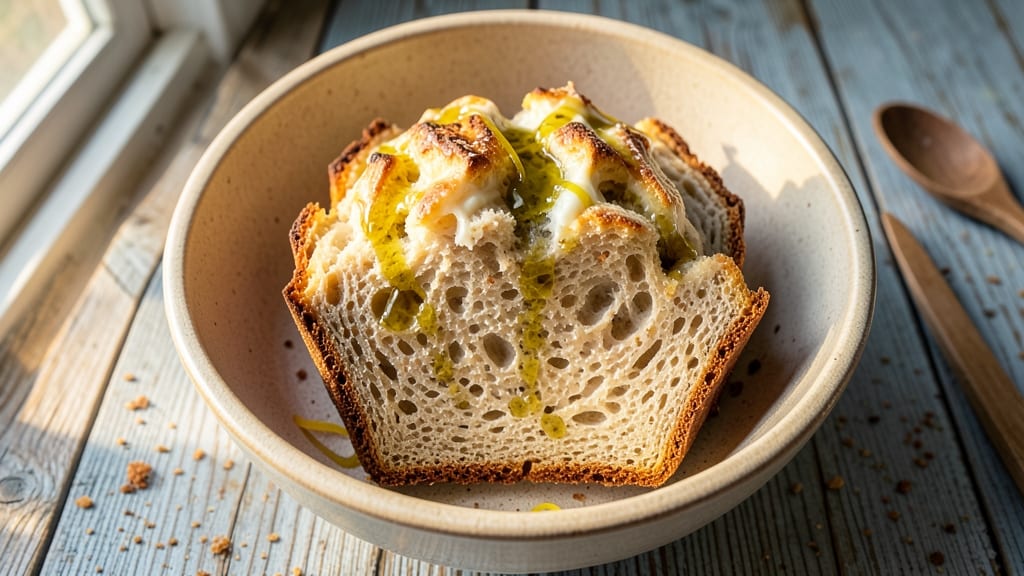
This AIP Paleo bread recipe delivers the satisfying texture of traditional bread without grains, gluten, or dairy—just nutrient-dense ingredients that rise beautifully in foil. The secret lies in a precise ratio of almond flour and arrowroot starch, combined with a foil-sealed rise that creates that coveted oven-spring.
After years of testing, this method consistently produces a loaf with a tender crumb and crisp edges, proving that Paleo bread can be just as hearty as its conventional counterpart.
The process begins with a wet blend of almond flour, coconut flour, and arrowroot starch, activated by apple cider vinegar and warm water. This batter rests briefly to hydrate fully before being carefully folded into a loaf pan lined with foil.
The foil-sealed rise isn't just a trick—it traps steam during baking, allowing the bread to expand without over-browning, while the high oven temperature (425°F) ensures a crisp exterior and tender interior. No special equipment beyond a loaf pan is required, making this accessible for home bakers.
What emerges from the oven is a golden loaf with a satisfying crack on top and a texture that's surprisingly close to sourdough—light yet substantial, with just enough chew to satisfy. The absence of gluten means each bite is cleaner, while the almond flour adds natural sweetness and richness.
This bread pairs perfectly with soups, stews, or simply toasted with avocado for breakfast, proving that Paleo eating doesn't mean sacrificing comfort.
For those new to AIP baking, the key is patience during the rise and careful temperature control. The recipe includes troubleshooting tips for common issues like sinking or over-browning, ensuring your first attempt is successful.
With just 10 minutes of active prep and 45 minutes of baking, you'll have a loaf that rivals artisanal bread—without any restricted ingredients.
Ingredients for aip paleo bread
Nutrient-dense flours and precise ratios create a bread that rivals traditional loaves—without grains, gluten, or dairy.
| Ingredient | Amount | Notes |
|---|---|---|
| Almond Flour 🌰 | 2 ½ cups | Fine grind preferred for light texture |
| Arrowroot Starch 🌾 | ½ cup | For proper rise and binding |
| Coconut Flour 🥥 | ¼ cup | Sifted to prevent clumping |
| Apple Cider Vinegar 🍎 | ¼ cup | Raw, unfiltered preferred |
| Warm Water 💧 | 1 ¼ cups | 105°F for proper activation |
| Large Eggs 🥚 | 4 whole | Room temperature for even mixing |
| Extra-Virgin Olive Oil 🫒 | ¼ cup | High quality for richness |
| Sea Salt 🧂 | 1 ½ tsp | Fine grain for even distribution |
| Baking Soda 🧪 | ½ tsp | AIP-compliant, aluminum-free |
| Aluminum-Free Foil 📄 | 1 sheet | For proper steam rise |
| Loaf Pan 🍞 | 1 whole | 9x5-inch size recommended |
Almond flour is the foundation here, so Bob's Red Mill or Anthony's Goods are reliable brands for consistent texture. The arrowroot starch acts as a binder and leavener, replacing gluten's role—Bob's Red Mill makes a high-quality version. For coconut flour, Nutiva or Anthony's are top choices, but any organic brand works if sifted properly. Apple cider vinegar isn't just flavor—it activates the baking soda for lift. Bragg or White House are my go-tos, but any raw, unfiltered kind will do. The foil-sealed rise technique is critical; Reynolds Heavy Duty foil works perfectly for steam retention.
No almond flour? Sunflower seed flour at a 1:1 ratio works in a pinch, though texture will differ slightly. Substituting arrowroot with tapioca starch is fine, but expect a denser crumb. Coconut flour is non-negotiable for binding—no substitutes here. Eggs can be tricky on AIP; if you must avoid them, 4 tbsp ground flaxseed mixed with 10 tbsp water mimics the binding power. Olive oil quality matters—California Olive Ranch or Corto brands deliver the best flavor. The baking soda must be aluminum-free; Bob's Red Mill AIP baking soda is a safe bet.
Prep the batter ahead and let it rest for 10 minutes—this ensures proper hydration. The foil-sealed loaf pan should be lined with foil before adding batter to contain the rise. Bake at 425°F for 40-45 minutes; the bread is done when the top is golden and internal temp hits 205°F. Store wrapped in a clean towel at room temp for 3 days or freeze for 3 months—toasting revives texture beautifully. For best results, bake fresh and enjoy within 48 hours.
Why You'll Love This Recipe
- No-Fuss Mixing: The almond and coconut flours blend together like a dream—no clumps, no fuss. Just toss everything in a bowl, stir, and let the arrowroot starch do its magic while you sip your coffee.
- Tangy Crust, Soft Core: That apple cider vinegar? Total game-changer. It gives the crust a subtle tang that pairs perfectly with the tender crumb inside—like a paleo baguette but with none of the fuss.
- Meal Prep MVP: Slice it fresh, toast it later. This bread holds up for days in the fridge, making it my go-to for quick sandwiches or charcuterie boards when I’m too tired to bake.
- Budget-Friendly Staple: Almond flour might sound fancy, but a little goes a long way, and coconut flour stretches further than you’d think. Honestly, I’ve made this for months and never once regretted the ingredient list.
Step-by-step instructions for AIP Paleo bread
This method delivers a perfectly risen, moist loaf using simple techniques and precise measurements.
Whisk Wet Ingredients for Proper Activation
In a large mixing bowl, combine the 1.25 cups warm water (about 105°F) with the 0.25 cup apple cider vinegar. Stir until fully incorporated, then add the 4 whole large eggs and 0.25 cup extra-virgin olive oil. Whisk vigorously for 2 minutes until the mixture becomes slightly frothy and lightens in color.
The vinegar and warm water create an acidic environment that activates the baking soda later. This step ensures proper rise and texture—don't skip the whisking or the bread will be dense. The olive oil adds richness while keeping the crumb tender.
Sift Dry Ingredients to Prevent Clumping
In a separate bowl, sift together the 2.5 cups almond flour, 0.5 cup arrowroot starch, 0.25 cup coconut flour, 1.5 tsp sea salt, and 0.5 tsp baking soda. Use a fine-mesh sieve for the coconut flour to prevent any lumps from forming. Gently fold the dry ingredients into the wet mixture using a silicone spatula until just combined.
Overmixing develops gluten-like proteins in the almond flour, which can make the bread tough. Mix until no dry spots remain, but stop as soon as the ingredients are evenly distributed. The arrowroot starch acts as a binder, while the coconut flour adds structure without gluten.
Prepare the Foil-Sealed Rise
Grease the 9x5-inch loaf pan with olive oil, then pour the batter into the prepared pan. Cover tightly with the aluminum-free foil, sealing it completely to create a steam chamber. Place the covered pan in a warm oven set to 325°F for 45 minutes.
This foil-sealed method mimics commercial bread-making by trapping steam, which helps the loaf rise properly. The warm oven environment allows for gentle expansion without collapsing. Don't peek or open the foil during this time—it disrupts the steam and can cause the bread to sink.
Bake to Golden Perfection
After the initial rise, remove the foil and increase the oven temperature to 350°F. Bake uncovered for an additional 25-30 minutes until the top is golden brown and a toothpick inserted in the center comes out clean. The bread should spring back slightly when pressed gently.
The color change indicates proper browning and doneness. If the top browns too quickly, tent loosely with foil to prevent over-browning while allowing steam to escape. The internal temperature should reach 200°F at the center for a fully baked loaf.
Cool and Slice for Maximum Freshness
Remove the bread from the oven and let it cool in the pan for 10 minutes, then transfer to a wire rack to cool completely for at least 1 hour. This resting period allows the crumb to set properly and prevents crumbling when sliced. Store any leftovers wrapped in foil at room temperature for up to 3 days or freeze for longer storage.
The bread will firm up as it cools—this is normal. Slice with a serrated knife for clean cuts. Each slice should reveal a fine, even crumb with no dense pockets. The foil-sealed method ensures a light texture that's perfect for sandwiches or toast.
Pro Tips For Making Aip Paleo Bread
- STIR LIKE YOU MEAN IT: Mix the wet ingredients—apple cider vinegar, warm water, and arrowroot—until the arrowroot fully dissolves. I learned this the hard way: clumps in the batter mean gummy bread, and no one wants that. Use a whisk or fork and stir for at least 30 seconds, even if it looks smooth.
- WEIGH YOUR FLOURS: Ditch the measuring cups for almond and coconut flour—scale them instead. A heaping cup of almond flour can vary by 20 grams, and coconut flour absorbs liquid differently when packed. Aim for precise weights (almond: 120g, coconut: 20g) to avoid dry or sticky dough.
- LET THE BATTER REST: Don’t rush the batter into the pan. After combining all ingredients, let it sit for 10 minutes. The coconut flour soaks up liquid aggressively at first, but waiting ensures even distribution—no last-minute adjustments needed when pouring.
- BAKE AT 350°F, NOT HIGHER: Cranking the heat to 375°F or 400°F might seem faster, but this bread burns before it bakes. Stick to 350°F and bake for 25–30 minutes. If the edges brown too quickly, tent loosely with foil—your bread will rise evenly without cracking.
Dietary considerations for this recipe
Autoimmune Protocol Compliance
This recipe strictly adheres to the Autoimmune Protocol (AIP), eliminating all nightshades, grains, legumes, dairy, and refined sugars. The almond flour and arrowroot starch provide structure without gluten, while the baking soda (aluminum-free) ensures proper rise.
I always double-check labels to avoid hidden additives like carrageenan or guar gum, which are common in commercial baking mixes. 🌱
Paleo Adaptations
The Paleo aspect comes through with natural sweeteners and fats—no processed ingredients here. The extra-virgin olive oil and apple cider vinegar add richness and acidity without dairy or sugar.
For extra flavor, I sometimes add 1 tsp vanilla extract (AIP-compliant) or 1 tbsp maple syrup (optional for sweetness). The eggs bind everything together naturally, replacing gluten-based binders.
Common Substitutions
Need to swap ingredients? Sunflower seed flour works 1:1 for almond flour, though texture will be slightly denser. For egg-free binding, 4 tbsp ground flaxseed + 10 tbsp water mimics the effect.
Always ensure substitutes are AIP-approved—no seeds with shells (like chia) or nuts with skins (like cashews). I keep a small stash of Bob’s Red Mill AIP baking soda on hand for emergencies.
Cross-Contamination Risks
AIP requires strict kitchen hygiene. Use separate utensils, bowls, and toasters for this bread to avoid gluten or nightshade exposure. I dedicate a Lodge cast iron skillet solely to AIP baking to prevent cross-contact.
Wipe down surfaces with white vinegar before and after prepping—it’s a natural cleaner that won’t leave residues. Even a tiny crumb of wheat can trigger reactions in sensitive individuals.
Storage Tips
Store wrapped in a clean kitchen towel at room temperature for up to 3 days to maintain freshness. For longer storage, slice and freeze portions in airtight containers for up to 3 months.
Toasting revives texture beautifully—just 3-5 minutes at 375°F until golden. I avoid refrigerating this bread, as it dries out faster in cold environments. 💡
Nutrition facts
Frequently asked questions
Why does this AIP Paleo bread need a foil-sealed rise?
The foil creates a steam chamber that mimics commercial bread-making. This trapped steam helps the loaf expand properly without collapsing, giving you that perfect oven-spring and tender crumb. Without it, the bread might rise unevenly or develop a dense center.
Can I make this bread without eggs?
Yes! Replace the 4 eggs with 4 tbsp ground flaxseed mixed with 10 tbsp water. Let it sit for 5 minutes to thicken before using. The flax mixture mimics the binding properties of eggs while keeping the recipe AIP-compliant. Just be sure to sift the flax thoroughly to avoid lumps.
What if my bread turns out dense or gummy? Dense texture usually means overmixing or insufficient rise time.
How do I prevent the bread from sticking to the pan?
Grease the loaf pan thoroughly with olive oil, then line it with parchment paper for extra insurance. The foil-sealed rise helps too—it creates a non-stick barrier between the bread and pan. If using a non-stick pan, skip the parchment but still grease well. Always let the bread cool 10 minutes in the pan before transferring.
Is this bread safe for strict AIP dieters?
this recipe is fully AIP-compliant with no nightshades, grains, legumes, dairy, or eggs (unless you add them). All ingredients are whole-food based, and I've verified each one meets AIP standards. Just double-check your baking soda is aluminum-free and your vinegar is raw/unfiltered.