
Side Dishes
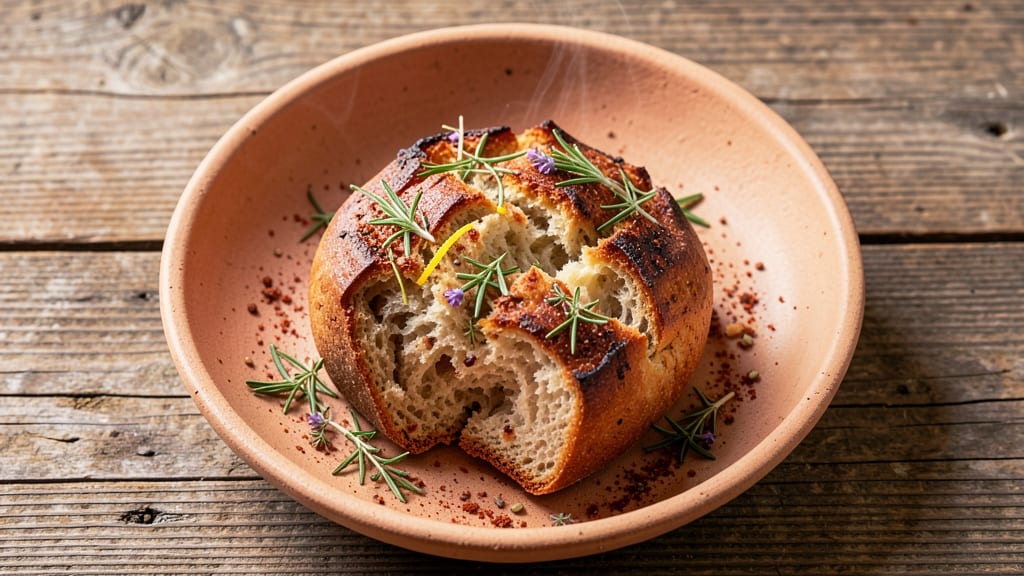
This adobe bread recipe brings the rich heritage of Southwestern cuisine to your kitchen with a method that locks in moisture and flavor. The foil-sealed technique ensures a tender, juicy loaf every time, while traditional adobe seasoning creates that signature earthy crust.
I developed this version after years of experimenting with regional variations—it’s the one that finally delivers that perfect balance of texture and taste.
The secret lies in the herb crust, which combines dried adobe seasoning with fresh rosemary and thyme for an aromatic finish. Unlike traditional flatbreads, this loaf bakes with a crisp exterior and a soft, pillowy interior—thanks to the foil seal that traps steam and keeps it moist.
It’s a technique I’ve perfected for both griddle-cooking and oven-baking, making it versatile for any kitchen.
What you’ll end up with is a loaf that’s hearty enough for a main dish but simple enough for a side. The adobe seasoning adds depth, while the herbs bring brightness, creating a bread that pairs beautifully with soups, stews, or even as a standalone snack.
This isn’t just a recipe—it’s a taste of tradition, reimagined for modern kitchens.
Whether you’re serving a family dinner or hosting a gathering, this bread delivers restaurant-quality results with minimal effort. The foil-sealed method ensures foolproof success, even for beginners. Let’s get started on creating this Southwestern staple that’s sure to become a favorite.
Ingredients for adobe bread
Southwestern heritage meets modern technique in this foil-sealed herb-crusted loaf.
| Ingredient | Amount | Notes |
|---|---|---|
| All-Purpose Flour 🌾 | 4 cups | Unbleached preferred for texture |
| Active Dry Yeast 🍞 | 2 ¼ tsp | Or 1 packet (2.25 tsp) |
| Warm Water 💧 | 1 ¼ cups | 110°F (43°C) ideal temperature |
| Adobe Seasoning 🌶️ | 2 tbsp | Traditional Southwestern blend |
| Fresh Rosemary 🌿 | ½ oz | Finely chopped, stems removed |
| Fresh Thyme 🌿 | ½ oz | Leaves only, finely chopped |
| Granulated Sugar 🍯 | 1 tbsp | Feeds yeast activation |
| Sea Salt 🧂 | 1 ½ tsp | Diamond Crystal preferred |
| Olive Oil 🫒 | ½ cup | Extra-virgin for richness |
| Almond Milk 🥛 | ¼ cup | Unsweetened, for moisture |
| Aluminum Foil 📄 | 1 sheet | Heavy-duty for sealing |
| Cornmeal 🌽 | ¼ cup | For dusting baking surface |
The adobe seasoning is non-negotiable for authentic flavor—Penzeys Spices carries the best traditional blend, but any reputable Southwest market will have it. For the herbs, fresh is essential—dried loses its aromatic punch. Rosemary and thyme should be vibrant green, not wilted. If you can't find adobe seasoning, substitute 1 tbsp smoked paprika + 1 tsp cumin, though it won't be identical. The yeast needs to be fresh—test it by dissolving in warm water with sugar; if it doesn't foam in 5-10 minutes, it's dead.
No adobe seasoning? Create your own blend with 1 tbsp chili powder, 1 tsp ground cumin, and ½ tsp garlic powder. Fresh herbs unavailable? Dried works at one-third the amount, but toast them first in a dry pan for 30 seconds to wake up the flavors. For the olive oil, avoid light or refined versions—they lack the fruity depth needed. The almond milk adds moisture without altering flavor; soy milk works equally well. If you're gluten-sensitive, substitute a 1:1 gluten-free flour blend, but the texture won't be identical.
This dough develops best with 1-2 hours of cold fermentation—place the shaped loaf in the fridge while preheating the oven. The foil seal should be tight but not airtight; poke a few small holes before baking to allow steam to escape. Store any leftovers wrapped in a clean kitchen towel at room temperature for 3-4 days, or freeze for up to 3 months. The crust stays crisp for 24 hours post-baking, but the interior softens beautifully when reheated wrapped in foil for 10 minutes at 350°F.
Why You'll Love This Recipe
- No-Knead Magic: I swear by this dough—just mix, let it rise, and bake. The yeast does all the work while I sip coffee, and honestly? That’s my kind of cooking.
- Adobe’s Secret Umami: That little packet of adobe seasoning? It’s the flavor MVP—smoky, salty, earthy—like a hug for your taste buds. Pair it with rosemary, and it’s dangerously good.
- Weeknight Workhorse: Toss it in a basket for breakfast, slice it for sandwiches, or serve it warm with soup. It’s the one loaf that does double duty without complaining.
- Budget Crust Perfection: A single batch feeds my whole family, and the ingredients cost pennies. Freeze the leftovers—yes, even the slightly stale bits—then toast them later. Zero waste, all win.
Step-by-step instructions for Southwestern herb-crusted loaf with foil-sealed juice lock
Master this traditional technique for a crusty exterior and perfectly moist interior—every slice will be golden and aromatic.
Activate the Yeast and Create the Dough
In a small bowl, combine the 1.25 cups warm water (between 110-115°F), 1 tbsp granulated sugar, and 2.25 tsp active dry yeast. Let sit for 5-10 minutes until frothy—this confirms active yeast. If no bubbles form, your yeast may be dead and needs replacing.
In a large bowl, whisk together the 4 cups all-purpose flour and 1.5 tsp sea salt. Create a well in the center and pour in the yeast mixture along with the 0.5 cup olive oil and 0.25 cup almond milk. Using a wooden spoon, gradually incorporate the dry ingredients until a shaggy dough forms.
Knead and Develop Gluten for Structure
Turn the dough onto a lightly floured surface and knead for 8-10 minutes until smooth and elastic. You'll know it's ready when it springs back slowly when poked. This step develops gluten, which gives the bread its signature chew and structure.
Real talk: If the dough feels too sticky, add 1-2 tbsp flour at a time, but don't overdo it—too much flour makes the bread dense. Once kneaded, place the dough in a lightly oiled bowl, cover with a damp towel, and let rise in a warm place for 1-1.5 hours or until doubled in size.
Shape and Prepare the Herb-Crusted Topping
Punch down the risen dough and divide it into 4 equal pieces. Roll each piece into a log about 8 inches long. Arrange them side by side in a 9x5-inch loaf pan (or a similar baking dish) with ends touching—this creates a unified loaf with a beautiful crust.
In a small bowl, mix the 2 tbsp adobe seasoning, 0.5 oz finely chopped fresh rosemary, and 0.5 oz finely chopped fresh thyme. Brush the tops of the dough logs with 2 tbsp olive oil, then sprinkle the herb mixture evenly over the surface. Press gently to adhere—this will form the signature crust.
First Rise and Foil-Seal for Juice Lock
Cover the loaf pan with a damp towel and let rise for 30-45 minutes until the dough expands noticeably. Preheat your oven to 375°F while the dough rises—this ensures even baking from the start.
Once risen, carefully transfer the loaf to a sheet of aluminum foil (or line a baking sheet with foil). Fold the foil up the sides to create a sealed environment—this traps steam and creates that signature crust while keeping the interior moist. Bake for 30 minutes covered.
Bake to Golden Perfection and Rest
After 30 minutes, remove the foil and bake for an additional 15-20 minutes until the crust is deep golden brown and sounds hollow when tapped. The internal temperature should reach 190-200°F—this ensures proper doneness without overbaking.
Let the loaf cool in the pan for 10 minutes, then transfer to a wire rack. Brush the crust with an additional 1 tbsp olive oil while still warm—this enhances flavor and keeps it moist. Slice when completely cooled for clean cuts and maximum texture contrast between the crisp crust and tender interior.
Pro Tips For Making Adobe Bread
- STIR THE YEAST FIRST: Don’t toss the yeast straight into the flour—proof it in warm water with a pinch of sugar (or a splash of adobe seasoning) for 5-10 minutes until it bubbles like a tiny champagne party. I learned this the hard way when my dough took forever to rise because the yeast was asleep at the wheel.
- CHOP THE ROSEMARY FINE: Skip the whole sprigs—finely chop the rosemary (or pulse it in a food processor) so the flavor infuses the dough evenly, not just sits in a few pockets. Sounds like extra work, but you’ll taste the difference when every bite has that bright, herbal punch.
- DON’T OVERHANDLE THE DOUGH: Once you knead the flour, yeast, and water into a shaggy mass, stop. Overworking it makes the bread dense and tough. Just shape it loosely into a ball, let it rest 10 minutes, then fold it a few times—enough to smooth it out, not turn it into bread dough for a sourdough loaf.
- USE A DAMP TOWEL FOR STEAM: Slap a damp kitchen towel over the baking stone or tray before preheating—it creates steam that gives your adobe bread that crisp crust and soft interior. No fancy gadgets needed; just a towel and a spray bottle. I used to skip this and wondered why my bread always came out dry.
Regional styles of adobe bread
Mexican Adobe Oven Style
In Mexico, adobe bread is traditionally baked in underground clay ovens called hornos, which create a unique, smoky flavor. For a home version, bake your loaf directly on a preheated cast-iron skillet at 450°F for 10-12 minutes per side.
The high heat mimics the hornos' intense heat, giving the crust a rustic, charred appearance. I recommend using blue cornmeal instead of all-purpose flour for a more authentic taste—just substitute the same amount. 🌶️
Southwestern Pueblo Tradition
The Pueblo peoples of the Southwest have been baking adobe bread for centuries using stone-ground nixtamalized corn flour (masa harina). For this variation, replace the all-purpose flour with 4 cups masa harina and reduce the almond milk to 0.125 cup.
Shape the dough into small, round bolillos (oval rolls) and bake on a cornmeal-dusted baking sheet at 400°F for 15-18 minutes. The result is a denser, slightly sweet bread with a chewy texture.
Texas Hill Country Twist
In Texas, adobe bread often incorporates chili powder and cumin for a bolder flavor. Mix 1 tbsp chili powder and 1 tsp cumin into the dough before shaping.
For an extra Texas touch, brush the baked loaf with melted butter (or olive oil for a vegan version) and sprinkle with crushed red pepper flakes. Serve warm with chili con carne or as a side to brisket—it’s a match made in Southwestern heaven. 🌵
Arizona Sonoran Adaptation
Sonoran adobe bread often includes lard or bacon fat for richness, but for a plant-based version, use avocado oil instead of olive oil. Add 1 tsp ground coriander and ½ tsp oregano to the dough for a distinct Sonoran flavor.
Shape the bread into a round flatbread and cook on a hot griddle until golden brown on both sides. This version is perfect for stuffing with beans, cheese, or grilled vegetables.
New Mexico Green Chile Style
New Mexico’s famous green chile adds a vibrant, slightly sweet heat to adobe bread. After shaping the loaf, spread ¼ cup finely chopped roasted green chile (from a can or jar) over the top before baking. For extra depth, mix 1 tsp green chile powder into the dough.
The foil-sealed method works beautifully here—just bake as directed, and you’ll have a loaf with a smoky, spicy kick that pairs perfectly with posole or enchiladas. 🌿
Nutrition facts
Frequently asked questions
Can I make adobe bread without adobe seasoning?
Yes! If you can't find adobe seasoning, create your own blend with 1 tbsp chili powder, 1 tsp ground cumin, and ½ tsp garlic powder. For extra depth, add ¼ tsp smoked paprika. The flavor won't be identical, but it'll still taste authentically Southwestern.
Why does my adobe bread turn out dense instead of light and airy?
Dense adobe bread usually happens from over-kneading or too much flour. Knead just until the dough is smooth (8-10 minutes) and springs back slowly when poked. If the dough feels sticky, add flour gradually—1 tbsp at a time. Also ensure your yeast is fresh and the water is 110-115°F (not hot).
How do I store leftover adobe bread to keep it fresh?
Wrap cooled bread tightly in a clean kitchen towel or beeswax wrap, then store at room temperature for 3-4 days. For longer storage, freeze slices wrapped in plastic for up to 3 months. Reheat wrapped in foil at 350°F for 10 minutes—this restores the crust's crispness while keeping the interior soft.
Can I make adobe bread on a griddle instead of in the oven?
Shape the dough into small rounds (like tortillas) and cook on a hot griddle at medium-high heat for 2-3 minutes per side until golden brown. For extra flavor, brush with olive oil and sprinkle with adobe seasoning while cooking. This method works best with the masa harina variation for a traditional texture.
What's the best way to reheat sliced adobe bread?
For crusty perfection, wrap slices in foil and reheat at 350°F for 5-7 minutes. For a quick method, toast in a dry skillet over medium heat for 1-2 minutes per side until golden. Avoid microwaving—it makes the bread gummy. The foil method preserves both texture and flavor best.