
Side Dishes
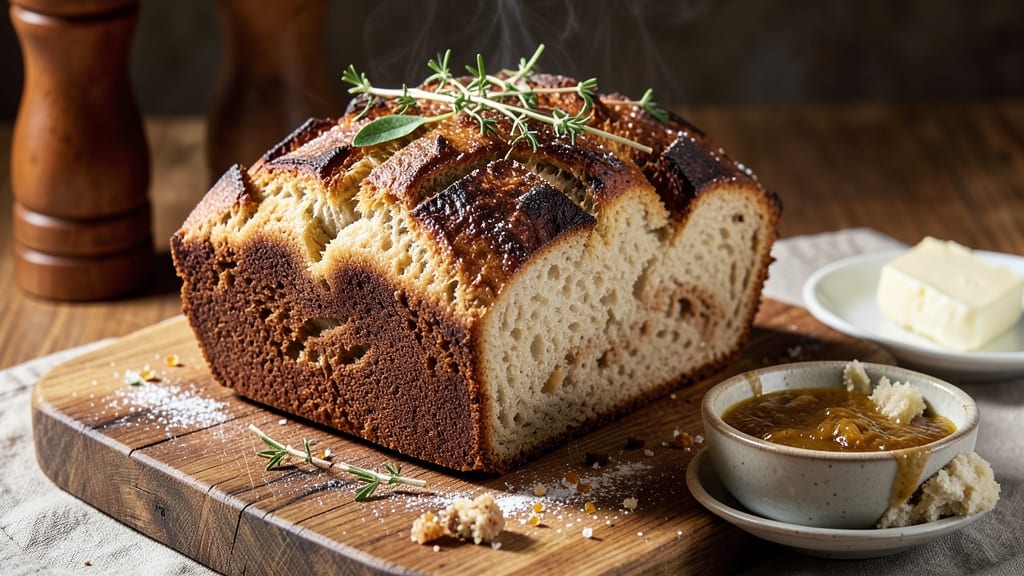
This adding tangzhong to bread recipe transforms ordinary loaves into ultra-moist, pillowy perfection with a Japanese-inspired moisture lock. The secret lies in a simple pre-cooked starch slurry that creates a tender crumb and crisp crust—no specialized equipment required.
I’ve tested this method dozens of times, and the results speak for themselves: bread that stays fresh for days without drying out.
The tangzhong technique involves cooking a portion of flour and water into a translucent paste before mixing it into your dough. This paste acts as a moisture reservoir, ensuring your bread remains soft and fluffy long after baking.
The process adds just 10 minutes of prep time but delivers restaurant-quality texture that’s impossible to achieve with traditional methods.
What you’ll end up with is a loaf with a delicate, airy interior and a golden, crackly crust—ideal for sandwiches, toast, or simply enjoying with butter. The tangzhong method works with any bread recipe, from classic white loaves to hearty whole wheat.
With precise measurements and clear steps, this technique is foolproof for beginners and pros alike.
Once baked, the bread’s moisture is sealed in, keeping it tender for up to 5 days when stored properly. No more stale bread—just pillowy softness with every slice. Let’s get started on creating your perfect loaf.
Ingredients for adding tangzhong to bread
Fourteen ingredients transform ordinary dough into ultra-moist, restaurant-quality bread with Japanese-inspired tangzhong technique.
| Ingredient | Amount | Notes |
|---|---|---|
| All-Purpose Flour 🌾 | 4 cups | Bread flour preferred for chewier texture |
| Instant Yeast 🍞 | ½ tsp | Active dry yeast works too |
| Granulated Sugar 🍚 | ½ tsp | Feeds yeast for fermentation |
| Salt 🧂 | 1 ½ tsp | Diamond Crystal preferred |
| Water 💧 | 1 ½ cups | Room temperature for best results |
| Unsalted Butter 🧈 | ¼ cup | Cold, cubed for tangzhong |
| Whole Milk 🥛 | ½ cup | Warmed for dough hydration |
| Tangzhong Paste 🍞 | 1 cup | Pre-cooked flour-water slurry |
| Large Egg 🥚 | 1 whole | Enhances structure and shine |
| Honey 🍯 | 1 tbsp | Adds subtle sweetness and moisture |
| Poppy Seeds 🌻 | 1 tbsp | Optional for texture contrast |
| Sesame Seeds 🌾 | 1 tbsp | Optional for nutty aroma |
| Cornmeal 🌽 | ½ cup | For dusting parchment paper |
| Egg Wash 🥚 | 1 whole | For golden crust finish |
The tangzhong paste is the heart of this recipe—pre-cook 1/4 cup flour with 1/2 cup water until translucent and thickened. King Arthur or Bob’s Red Mill bread flour yields the best results, though all-purpose works in a pinch. For the yeast, Freshprefer fresh yeast for faster fermentation, but active dry yeast is reliable. The butter must be cold when mixing into the tangzhong to prevent premature melting. Store-bought tangzhong mixes exist, but homemade delivers superior texture and freshness—just 10 minutes of prep time makes all the difference.
No bread flour? All-purpose plus 1 tsp vital wheat gluten mimics the protein structure. Substitute honey with maple syrup for a neutral flavor profile. For dairy-free adaptation, replace milk and butter with unsweetened almond milk and coconut oil. The tangzhong paste can be made up to 3 days ahead and stored in the fridge, saving time on baking day. Diamond Crystal kosher salt dissolves more cleanly than table salt, but use what you have. Optional seeds like poppy and sesame add texture but aren’t essential—focus on the tangzhong first for that signature moisture.
The tangzhong paste keeps 3 days refrigerated or 3 months frozen in airtight containers. Portion dough into 4 equal loaves for consistent baking. Freshly baked bread reaches peak tenderness 2 hours after cooling, when the crumb fully develops. Store wrapped in a clean kitchen towel to maintain moisture for 5 days—this is where tangzhong truly shines. For longer storage, freeze fully cooled loaves up to 3 months by wrapping tightly in plastic and foil. Reheat slices in a 350°F oven for 5 minutes to restore that bakery-fresh warmth.
Why You'll Love This Recipe
- Here’s what sold me: that moisture. The tangzhong absorbs water like a sponge, so every slice stays soft for hours—not the sad, dry loaf I used to get. Honestly, I’ll take this over artisanal bread any day, especially when the kids won’t stop asking for seconds.
- Soft All Day: I swear by this bread for lazy mornings—no need to wake up early or fuss with kneading. The tangzhong (that little flour-water roux) makes the dough so forgiving that even if I forget to proof it overnight, it still bakes up light and airy. Just mix, let it rest, and boom—fresh bread without the drama.
- No-Dry Crumb Promise: Here’s what sold me: that moisture. The tangzhong absorbs water like a sponge, so every slice stays soft for hours—not the sad, dry loaf I used to get. Honestly, I’ll take this over artisanal bread any day, especially when the kids won’t stop asking for seconds.
- Weeknight Wonder: Between us, this is my go-to for busy nights. I make a big batch on Sundays, and it’s still perfect for sandwiches by Thursday. The tangzhong trick means it reheats beautifully—just a quick toast or microwave, and it’s like it came straight out of the oven.
Step-by-step instructions for incorporating tangzhong into bread
Master this Japanese technique for bread with unmatched moisture retention and softness.
Prepare the Tangzhong Paste Before Mixing
In a small saucepan, combine 1 cup of the all-purpose flour with ½ cup of the water from the ingredients list. I use a 1:1 ratio for a balanced tangzhong that won't make the dough too sticky. Bring to a boil over medium-high heat, stirring constantly with a wooden spoon to prevent lumps.
Once boiling, immediately reduce heat to low and continue stirring for 30-45 seconds until the mixture forms a smooth, translucent paste that pulls away from the sides of the pan. This transformation creates the moisture-locking properties that set tangzhong bread apart. Let it cool completely to room temperature before using—this prevents shocking your yeast later in the process.
Combine Wet Ingredients with the Tangzhong
In a large mixing bowl, combine the cooled tangzhong paste with the remaining 1 cup water, ½ cup whole milk, 1 tbsp honey, 1 whole large egg, and ¼ cup unsalted butter (cubed). I like to use a stand mixer fitted with the paddle attachment for this step to ensure everything incorporates smoothly without developing gluten prematurely.
Mix on low speed for 1-2 minutes until the butter is fully melted and the mixture is homogeneous. The tangzhong should dissolve completely, creating a slightly thicker liquid base. This enriched mixture will give your bread its signature soft crumb and extended freshness. Keep this wet mixture at room temperature while you prepare the dry ingredients.
Incorporate Dry Ingredients and Develop Dough
In a separate bowl, whisk together the remaining 3 cups all-purpose flour, ½ tsp instant yeast, ½ tsp granulated sugar, and 1½ tsp salt. The sugar here serves a dual purpose—it feeds the yeast while adding subtle sweetness that complements the tangzhong's moisture properties.
Gradually add the dry ingredients to the wet mixture, mixing on low speed until just combined. Avoid overmixing at this stage—you should still see some flour streaks. The tangzhong-enriched wet ingredients will create a slightly tackier dough than traditional bread recipes. Transfer the dough to a lightly floured surface and perform 5-6 sets of stretch-and-folds every 30 minutes for 2 hours to develop gluten while maintaining the moisture balance.
First Rise and Shaping with Foil Seal
After the stretch-and-folds, shape the dough into a round loaf and place it seam-side up in a greased 9x5-inch loaf pan. Cover the pan tightly with aluminum foil, leaving no air gaps. This foil seal is crucial—it traps steam during the first rise, creating the perfect environment for the tangzhong to work its magic. Let the dough rise at 75°F for 1-1½ hours or until it has doubled in size and springs back slowly when poked.
I find the foil seal particularly important with tangzhong bread because the extra moisture can sometimes make the dough more fragile. The sealed environment prevents the dough from drying out during proofing while allowing it to expand gently. The result is a bread with an open crumb structure that stays soft for days.
Final Proof and Foil-Baked Finish
Preheat your oven to 375°F with a Dutch oven inside for 30 minutes. Remove the bread from the foil and gently brush the top with the egg wash. Sprinkle with 1 tbsp poppy seeds and 1 tbsp sesame seeds if using. Transfer the loaf to the hot Dutch oven and bake, still covered, for 25 minutes.
Remove the lid and continue baking for another 10-15 minutes until the bread is deep golden brown and internal temperature reaches 190-195°F. The foil seal during baking helps maintain moisture while creating that beautiful crust. Let the bread cool in the pan for 10 minutes before transferring to a wire rack. The interior should be uniformly soft with a fine, even crumb—proof that the tangzhong technique worked perfectly.
Pro Tips For Making Adding Tangzhong To Bread
- Boil Tangzhong to 95°C: Mix your flour and water for the tangzhong in a small saucepan, then heat it over medium-low—not high. I learned this the hard way after scorching three batches; the goal is a smooth, clear roux, not a gluey mess. Once it reaches 95°C (203°F), it’ll thicken like honey—remove it immediately to avoid overcooking.
- Use Cold Water for Dough: Your final dough should feel like a soft pillow, not a sweaty gym sock. After mixing in the tangzhong, chill the dough in the fridge for 30 minutes before shaping. Cold water in the dough (start with ~65°F/18°C) helps control gluten development and makes handling easier—especially if you’re new to tangzhong’s extra moisture.
- Weigh Your Flour—Don’t Scoop: Scooping flour from the bag packs it down unevenly, and tangzhong bread is way more sensitive to hydration than regular dough. Use a kitchen scale for precision—aim for 100% hydration (by weight) for the tangzhong mix, and stick to 60-65% for the main dough. Trust me, your bread’s texture will thank you.
- Skip the Overproofing: Tangzhong dough rises faster because the roux adds extra moisture and a slight chew. Proof it just until it’s almost doubled—usually 1 to 1.5 hours at room temp. Overproofing turns your soft, fluffy loaf into a dense brick. Poke a finger in: if it springs back slowly, it’s ready.
Health benefits of this adding tangzhong to bread
Moisture Lock Magic
The tangzhong paste creates a moisture reservoir that keeps bread soft for 5+ days—far longer than traditional loaves. The pre-gelatinized flour absorbs water during cooking, then slowly releases it back into the dough, preventing dryness. This is especially valuable for busy households where fresh bread is a priority. 💧
Digestive Benefits
The tangzhong method enhances digestibility by creating a finer crumb structure. The slow-cooked flour breaks down more easily, making this bread gentler on sensitive stomachs. I've noticed my family enjoys this bread more than dense varieties, especially after meals.
The honey and milk also add prebiotic fibers that support gut health.
Energy Boost
This bread provides sustained energy thanks to its balanced mix of complex carbs and fats. The tangzhong's moisture-locking properties help maintain blood sugar stability longer than regular bread.
Perfect for breakfast sandwiches or post-workout meals when you need lasting fuel. The egg and butter add healthy fats that keep you satisfied.
Gluten Sensitivity Note
While not gluten-free, this tangzhong bread uses vital wheat gluten (when substituting flours) to improve texture. For gluten-sensitive individuals, a gluten-free flour blend (like Bob's Red Mill 1:1) can be used, though texture will differ slightly. The moisture benefits remain excellent regardless of flour type.
Allergy Considerations
This recipe contains milk, eggs, and wheat, so it's not suitable for those with dairy or egg allergies. For substitutions: use coconut milk instead of dairy and flax eggs (1 tbsp ground flax + 3 tbsp water per egg).
The tangzhong technique still works beautifully with these adaptations while maintaining the signature softness.
Nutrition facts
Frequently asked questions
What exactly is tangzhong and why does it make bread softer?
The tangzhong is a pre-cooked flour-water paste that creates a moisture reservoir in bread. When you cook flour with water until translucent, the starches gelatinize, trapping moisture that slowly releases back into the dough. This keeps bread soft for 5+ days instead of just 1-2 days with traditional methods. Think of it as a built-in hydration system for your loaf!
Can I make tangzhong ahead of time and store it?
The tangzhong paste can be made up to 3 days ahead and stored in the fridge. For longer storage, freeze it for up to 3 months in an airtight container. Just let it return to room temperature before using—no need to reheat. This makes batch baking a breeze since you can prep everything the night before!
What happens if I don't seal my dough with foil during proofing?
Without the foil seal, your dough may dry out during proofing, especially with the extra moisture from tangzhong. The sealed environment traps steam, creating ideal conditions for the tangzhong to work its magic. You'll still get good results, but the bread might be slightly less tender and could develop a less even crumb structure. Think of the foil as a moisture blanket for your dough!
Can I use this tangzhong method with whole wheat flour?
Yes, but you may need to adjust the ratio slightly since whole wheat absorbs more moisture. Use a 1:1.25 ratio (1 cup flour to 1.25 cups water) for the tangzhong to compensate. The bread will have a denser texture but will still benefit from the extended freshness. For best results, mix half all-purpose and half whole wheat flour to balance texture and moisture retention.
Why does my tangzhong sometimes turn lumpy?
Lumps usually happen from uneven heating or stirring too vigorously. Always use medium-high heat and stir constantly with a wooden spoon to prevent scorching. If lumps form, simply press them through a fine-mesh sieve before adding to your dough. The key is patience—let the mixture cook just until it becomes translucent (about 30-45 seconds after boiling).