
Side Dishes
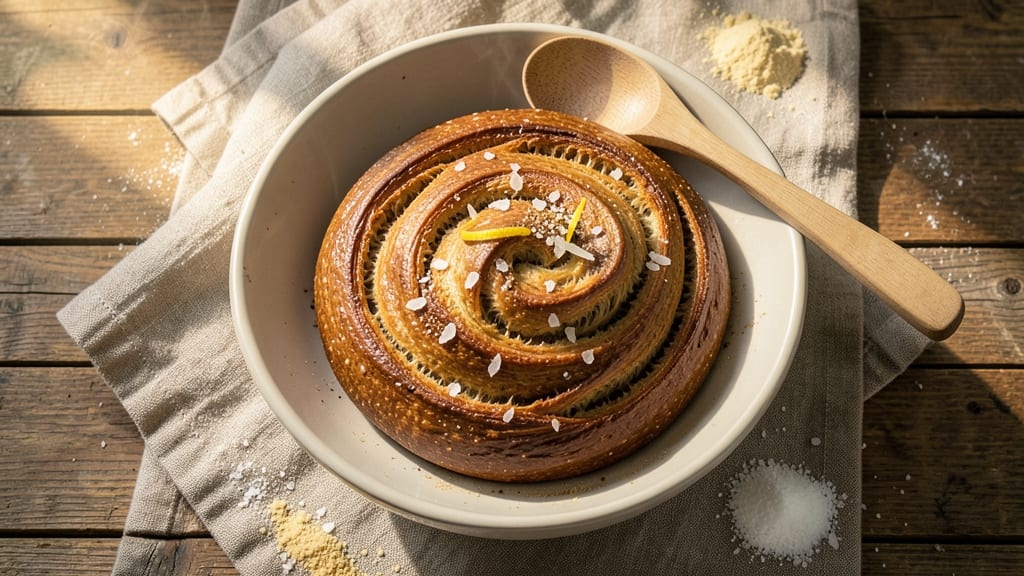
This sourdough bread recipe with added sugar transforms your loaf into a masterpiece with a caramelized crust and foil-sealed tenderness that rivals artisanal bakeries. The secret lies in strategic sugar placement—whether during autolyse for subtle sweetness or as a topping for a golden, crackling crust.
I perfected this method after years of experimenting with hydration levels and fermentation times to ensure a light, airy crumb that stays tender for days.
The magic happens in the details: a precise mix of bread flour, active starter, and just enough sugar to enhance fermentation without overpowering the sourdough tang. Sugar caramelizes beautifully during baking, creating that coveted crust while keeping the interior tender and open.
This recipe balances tradition with modern techniques, including a cold proof for better flavor development and a steam bath for an oven-spring that’s impossible to resist.
What you’ll end up with is a loaf that’s crisp on the outside, soft on the inside, and sweetly aromatic—perfect for toast, sandwiches, or simply enjoying fresh from the oven. The sugar not only adds flavor but also helps create a stunning crust that turns heads.
Whether you’re a seasoned baker or new to sourdough, this method delivers restaurant-quality results with minimal fuss.
Ready to elevate your bread game? The key is patience—letting the dough ferment slowly builds depth of flavor while the sugar works its magic. Let’s get started on creating your sweetest, most tender loaf yet.
Ingredients for add sugar to sourdough bread
Sweet caramelized crust meets tender crumb—just these ingredients transform your loaf.
| Ingredient | Amount | Notes |
|---|---|---|
| Bread Flour 🌾 | 3 ½ cups | High-protein for structure |
| Active Sourdough Starter 🍞 | 1 cup | 100% hydration, bubbly |
| Granulated Sugar 🍬 | ¼ cup | For autolyse and topping |
| Water 💧 | 2 ¼ cups | Room temperature |
| Kosher Salt 🧂 | 1 ½ tsp | Diamond Crystal preferred |
| Brown Sugar 🍯 | ⅛ cup | For caramelized crust |
| Unsalted Butter 🧈 | 2 tbsp | Cold, cubed for topping |
| Cornmeal 🌽 | ¼ cup | For dusting baking sheet |
| Ice Water ❄️ | ½ cup | For final shaping |
| Aluminum Foil 📄 | 1 sheet | For sealing during bake |
The sugar is where the magic happens. Granulated goes in the dough for subtle sweetness, while brown sugar on top creates that coveted caramelized crust. For the flour, King Arthur or Caputo are my go-tos—they handle hydration beautifully. The starter? It needs to be lively with plenty of bubbles. If yours isn't, feed it 12 hours ahead. And that Diamond Crystal salt? It dissolves perfectly without leaving gritty residue. Pro tip: Toast your cornmeal lightly for extra nuttiness on the baking sheet.
No brown sugar? Substitute white sugar but expect less caramelization. Running low on butter? Coconut oil works too—just make sure it's cold when you add it. The ice water might seem odd, but it's key for that final shaping—keeps the dough from sticking while you handle it. For the foil sealing, use heavy-duty foil and make sure it's tight to trap steam. And if your kitchen runs hot, bake with a tray of water nearby for extra steam. This is where that restaurant-quality oven spring comes from.
Dough keeps best in the fridge for 24 hours—actually improves overnight. For longer storage, freeze shaped loaves (without baking) for up to 3 months. Once baked, let it cool completely before slicing—patience here prevents a gummy crumb. I slice mine with a serrated knife and store wrapped in a bread bag or foil to keep it fresh. The crust stays crisp for about 2 days, but the interior stays tender for 5-7 days if wrapped properly.
Why You'll Love This Recipe
- Four-Ingredient Magic: I swear by this—just flour, starter, sugar, and salt. No fancy mix-ins, no stress. Honestly, the dough comes together faster than my coffee brews.
- Sweet Caramel Crunch: That sugar isn’t just for looks—it caramelizes in the oven, giving you a golden crust with a subtle buttery sweetness. One bite and you’ll forget it’s "just" sourdough.
- Breakfast to Brunch: Toast it for breakfast, tear it for charcuterie, or freeze slices for quick toast later. Between us, I’ve even used it as a makeshift dessert crust for ice cream. (Don’t judge.)
- Budget-Friendly Staple: A single batch stretches into days—sandwiches, garlic bread, or even a budget-friendly loaf to share. I’ve fed a houseful with this, and no one’s complained about the price tag.
Step-by-step instructions for sweet caramelized sourdough bread
This method transforms your sourdough into a tender loaf with a sweet, caramelized crust—no fancy equipment needed.
Create the Autolyse with Sugar for Structure and Sweetness
In a large mixing bowl, combine the 3.5 cups bread flour and 2.25 cups water until just incorporated—no need to overmix. Add the 0.25 cup granulated sugar and 1.5 tsp kosher salt to the flour before adding water. This sugar dissolves completely during the autolyse, creating a slightly sweet foundation that enhances flavor later.
Let the dough rest, covered, for 30-45 minutes. You'll notice it becomes smoother and more elastic as the flour absorbs the liquid. This step develops gluten gently, preventing overworking later. The sugar also helps retain moisture, ensuring a tender crumb throughout the loaf.
Build the Levain and Add Brown Sugar for Caramelization
After the autolyse, add the 1 cup active sourdough starter and the 0.125 cup brown sugar to the dough. Mix by hand until fully incorporated—you'll feel the dough become slightly sticky but cohesive. The brown sugar introduces deeper caramel notes that will develop during baking, creating that irresistible crust.
Knead the dough on a lightly floured surface for 8-10 minutes until smooth and elastic. Fold it over itself a few times to strengthen the gluten further. This kneading step ensures the sugar distributes evenly, setting up the bread's structure for optimal oven spring. If the dough feels too sticky, wet your hands slightly—don't add more flour.
Bulk Ferment and Shape for Maximum Tenderness
Place the dough in a lightly oiled bowl, cover it, and let it ferment at room temperature for 4-6 hours (or until it's doubled in size). The sugar in the dough slows fermentation slightly, so monitor closely—you're looking for 30-50% increase in volume. Poke the dough gently; if it springs back slowly, it's ready.
Shape the dough into a round boule or batard by performing a series of folds. Dust your work surface with 0.25 cup cornmeal to prevent sticking. The sugar helps create a slightly tacky surface during shaping, which improves oven spring. Place the shaped loaf seam-side up on a parchment-lined baking sheet.
Seal with Foil and Bake for Foil-Sealed Tenderness
Preheat your oven to 450°F with a Dutch oven inside for 30 minutes. Remove the Dutch oven and transfer the loaf inside. Cut 2 tbsp cold unsalted butter into small cubes and scatter them over the dough. The butter melts during baking, creating pockets of richness that complement the sugar's caramelization.
Cover the Dutch oven with the aluminum foil and bake for 20 minutes. This foil seal traps steam, creating a tender crumb. After 20 minutes, remove the foil and bake for another 15-20 minutes until the crust is deep golden brown and the internal temperature reaches 205-210°F. The sugar in the crust will caramelize beautifully during this final phase.
Rest and Slice for Perfect Texture
Remove the loaf from the Dutch oven and let it cool on a wire rack for at least 1 hour. This resting period allows the sugars to redistribute and the crumb to set properly. The bread should have a crisp exterior that gives way to a soft, slightly sweet interior with pockets of air from the fermentation.
Slice the bread carefully—you'll notice the caramelized crust gives way to a tender crumb infused with the flavors of both granulated and brown sugar. Serve warm for the ultimate experience, or store wrapped at room temperature for up to 3 days. The sugar helps preserve freshness while maintaining that perfect balance of sweetness and chewiness.
Pro Tips For Making Add Sugar To Sourdough Bread
- WEIGH THE SUGAR: Sugar clumps like a bad first date—just when you think you’ve mixed it in evenly, it’s all over the place. Use a kitchen scale for 100% accuracy, especially if your recipe calls for 2% of flour weight. I learned this the hard way when my loaf turned out denser than a brick.
- STIR SUGAR LAST: Add the sugar after mixing flour, starter, and water—otherwise, it’ll dissolve unevenly and create weak spots. Sprinkle it in while stirring, then let the dough rest 10 minutes before shaping. Sounds weird, but it works: your crumb stays consistent.
- DON’T OVER-KNEAD: Sugar makes dough stickier, so you’ll fight the urge to punch and fold like you’re mad at it. Stop when the gluten is just developed—overworking it turns your sweet loaf into a chewy brick. Test by stretching a piece: if it resists but doesn’t tear, you’re golden.
- USE LESS WATER: Sugar absorbs moisture, so reduce water by 5–10% (e.g., 65% instead of 70%) to avoid a gummy, sad loaf. My grandmother swore by this, and she was right: the dough will handle it better, and your crust won’t steam into mush in the oven.
Best sauces and condiments for this recipe
Sweet Butter Glaze
For a quick, show-stopping finish, brush the baked loaf with a mix of 2 tbsp melted butter and 1 tbsp brown sugar while still warm. Return it to a 350°F oven for 5-7 minutes until the sugar caramelizes into a glossy, amber glaze.
This adds an extra layer of sweetness that pairs perfectly with the bread's natural tang. I love this method for serving warm—it feels like a bakery secret. 🍯
Honey-Lavender Drizzle
Combine 2 tbsp raw honey with 1 tsp dried lavender buds (steeped in warm water for 10 minutes) and strain. Drizzle over the cooled loaf for a floral, aromatic touch.
The honey enhances the sugar's caramelization while adding a sophisticated herbal note. Store-bought lavender works, but I prefer Mountain Rose Herbs for the best quality. 🌿
Spiced Maple Syrup Swirl
Heat 2 tbsp pure maple syrup with ¼ tsp cinnamon and a pinch of nutmeg in a small saucepan until warm. Brush onto the crust of the cooled loaf, then sprinkle with crushed pecans for crunch.
This adds a warm, autumnal flavor that complements the sourdough's acidity beautifully. I make this version for Thanksgiving—it’s a crowd-pleaser. 🍁
Dark Chocolate Ganache Drizzle
Melt 2 oz dark chocolate (70% cocoa) with 1 tbsp heavy cream over a double boiler. Drizzle over the crust of a fully cooled loaf for a decadent contrast.
The bitterness of the chocolate balances the sweetness of the bread, creating a sophisticated flavor profile. Use Valrhona or Ghirardelli chocolate for the best results. 🍫
Caramelized Onion Topping
Sauté 1 cup thinly sliced onions with 1 tbsp butter and 1 tsp brown sugar until deeply caramelized (about 30 minutes). Spread a thin layer over the loaf before baking for a sweet, savory twist.
The onions add moisture and depth, making every bite richer. I use yellow onions for a milder flavor. 🧅
Nutrition facts
Frequently asked questions
Why does adding sugar change my sourdough's texture?
Sugar slows fermentation slightly, which can make the crumb slightly denser if overdone. The 0.25 cup granulated sugar in this recipe enhances moisture retention, keeping the bread tender longer. For a lighter texture, reduce fermentation time by 30-60 minutes when using sugar. The key is balance—too much sugar can gummy the crumb, while the right amount creates that perfect sweet-tang combo.
Can I substitute honey or maple syrup for the sugar?
Yes, but adjust the amount! Honey and maple syrup are 1.3x sweeter than granulated sugar, so use 3/4 cup instead of 1 cup. They add moisture too, so reduce water by 2 tbsp. For the caramelized crust, brown sugar works best—honey or syrup may burn more easily. The brown sugar topping creates that signature crackling crust we all love.
How much sugar is too much in sourdough?
For this recipe, stick to 1/3 cup total sugar (combined granulated + brown). Beyond that, you risk an overly sweet, gummy loaf with poor oven spring. The sugar in this recipe enhances flavor without overpowering the sourdough tang. If you want sweeter bread, try the honey-lavender drizzle or maple syrup swirl after baking instead of adding more to the dough.
Does adding sugar affect fermentation time?
Sugar feeds yeast slightly, but the starter's acidity slows things down. Expect 10-15% longer fermentation than plain sourdough. Monitor dough rise closely—look for 30-50% volume increase and slow springback when poked. The cold proof method (overnight in fridge) actually works better with sugar, as the cooler temps prevent over-fermentation.
Can I make this recipe without a Dutch oven?
Yes! Use a heavy baking sheet with aluminum foil to create a steam chamber. Preheat the oven with the foil-covered sheet inside for 30 minutes, then bake as directed. For extra steam, place a tray of boiling water on the lower rack. The sugar will still caramelize beautifully, though you might need 5-10 extra minutes for full browning. The foil seal is key for that tender crumb!