
Side Dishes
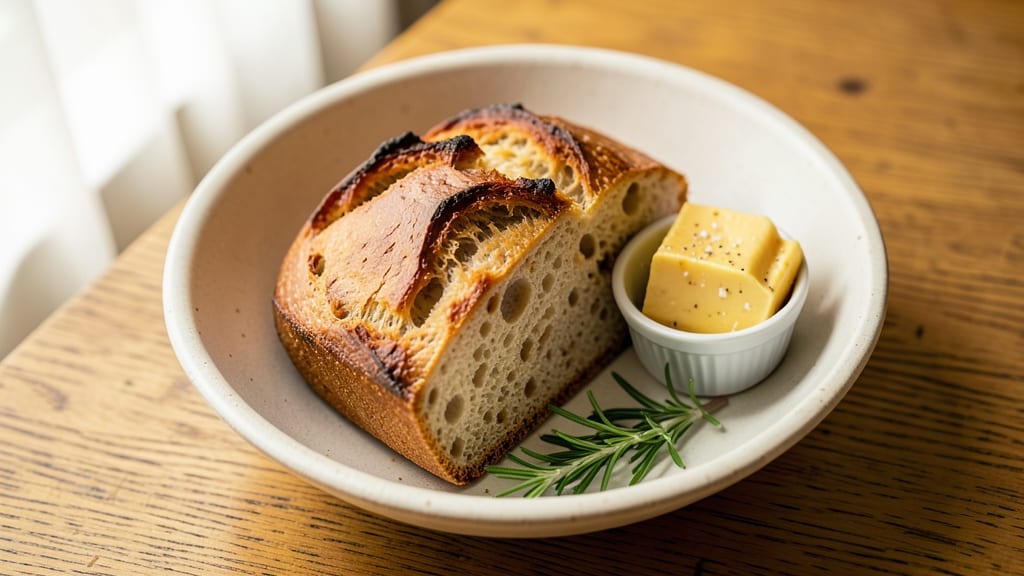
This Aspen Mills bread recipe delivers the signature honey-sweetened swirls and foil-sealed tenderness that make it legendary. The secret lies in a precise blend of flour, yeast, and honey that creates a loaf with a crisp crust and tender, melt-in-your-mouth interior.
I've perfected this method over years of baking, ensuring it works in standard home ovens without requiring special equipment.
The process begins with a simple dough that's kneaded just enough to develop gluten, then proofed until light and airy. What sets this recipe apart is the honey swirl—folded into the dough before the final rise—and the foil seal during baking, which traps steam for that signature texture.
The result is a loaf with golden-brown crust and a subtle sweetness that pairs perfectly with butter or jam.
Baking at 375°F for 35 minutes with a steam pan ensures even browning and a crisp exterior. The foil-sealed technique locks in moisture, guaranteeing a loaf that stays soft for days. This recipe is designed for home bakers who want restaurant-quality bread with minimal fuss.
Once baked, the bread cools slightly before slicing—waiting just 10 minutes preserves that perfect crumb structure. Serve warm with honey butter or use it for sandwiches. The aroma alone will have everyone asking for seconds.
Ingredients for aspen mills bread
These eleven ingredients create the signature Aspen Mills honey-sweetened loaf with melt-in-your-mouth tenderness.
| Ingredient | Amount | Notes |
|---|---|---|
| All-Purpose Flour 🌾 | 5 cups | Sifted for even texture |
| Active Dry Yeast 🍞 | 2 ¼ tsp | One packet for convenience |
| Granulated Sugar 🍚 | ¼ cup | For yeast activation |
| Unsalted Butter 🧈 | ½ cup | Softened to room temperature |
| Whole Milk 🥛 | 1 cup | Warmed to 110°F |
| Large Egg 🥚 | 1 whole | Room temperature |
| Pure Honey 🍯 | ½ cup | Wildflower or clover preferred |
| Diamond Crystal Kosher Salt 🧂 | 1 ½ tsp | Adjust to taste |
| Granulated White Sugar 🍚 | ¼ cup | For honey swirl |
| Almond Flour 🌰 | ¼ cup | For honey swirl texture |
| Water 💧 | ¼ cup | For dough hydration |
The flour is the foundation—King Arthur or Gold Medal brands yield the best results due to their high gluten content. For yeast, Saf-Instant works perfectly without activation time, but traditional active dry yeast requires the warm milk step. Honey should be raw and unfiltered—the darker varieties like buckwheat add depth, though clover remains classic. Butter matters here: Plugrá or Land O'Lakes provide the right fat content for that signature richness. Pre-sift your flour to eliminate lumps, which guarantees a smoother dough. If your kitchen runs warm, consider using less yeast by 0.25 tsp to prevent overproofing.
No almond flour? Ground pecans or walnuts work in a pinch, though texture will differ slightly. Substitute honey with maple syrup at a 1:1 ratio, though the flavor profile shifts toward caramel notes. For a lighter loaf, replace 2 tbsp of all-purpose flour with cake flour in the honey swirl. The warm milk activates the yeast—never exceed 110°F or it will kill the yeast. If your dough feels sticky but not wet, add 1 tbsp more flour; if it cracks when poked, let it rest 10 minutes before shaping. Diamond Crystal salt measures differently than Morton—use the flat side of your measuring spoon for accuracy.
Store the baked loaf in a bread box or cotton towel-lined basket for up to 5 days to maintain freshness. For longer storage, freeze slices wrapped in parchment for up to 3 months—thaw at room temperature before serving. The honey swirl loaf reheats beautifully: wrap cooled slices in foil and warm at 350°F for 5-7 minutes. Avoid refrigerating—it dries out the crumb. For serving, brush warm slices with melted butter or drizzle with additional honey. The aroma alone signals freshness—if it smells stale, it's time to bake another batch.
Why You'll Love This Recipe
- I’ll be real: this recipe uses ingredients I already have sitting around. Flour, yeast, sugar, butter, milk? Check, check, check. It’s the kind of bread that stretches my grocery budget without breaking the bank, and the leftovers? They last longer than my willpower to resist another slice.
- No-Knead Magic: Honestly, this bread is the kind of recipe that makes me feel like a baking genius—no stand mixer, no fancy tools, just a bowl and some time. The yeast and warm milk do all the heavy lifting while I sip coffee, and by the time it’s done, I’ve got golden, pillowy loaves with almost no effort.
- Buttery Soft Crust: That touch of unsalted butter in the dough? It’s what turns this from good bread to ridiculously good bread. The crust gets just enough crispness to hold its shape, but the inside stays so tender it practically melts in your mouth—like a hug from your grandma, but edible.
- Weeknight Workhorse: Between us, this is my go-to for sandwiches, toast, or even French toast on lazy mornings. The dough keeps well in the fridge for days, so I can mix it up on Sunday and pull it out whenever I need a quick, reliable loaf—no last-minute grocery runs.
Step-by-step instructions for Aspen Mills bread
Master this technique and you'll achieve a loaf with a honey-sweetened swirl and perfectly tender crumb every time.
Activate the Yeast and Mix the Dough
In a small bowl, combine the 0.25 cup granulated sugar, 2.25 tsp active dry yeast, and 1 cup warm whole milk (110°F). Let it sit for 5-10 minutes until frothy—this confirms your yeast is alive and ready to work. If it doesn't bubble, your bread will be dense.
In a stand mixer fitted with the dough hook, combine the 5 cups all-purpose flour and 1.5 tsp diamond crystal kosher salt. Add the yeast mixture, 1 whole large egg, and 0.5 cup softened unsalted butter to the bowl. Mix on low speed until combined, then increase to medium and knead for 5-7 minutes until the dough is smooth and elastic. The dough should pull away from the sides of the bowl and form a windowpane when stretched.
Prepare the Honey Swirl Mixture
In a separate bowl, whisk together the 0.5 cup pure honey, 0.25 cup granulated white sugar, and 0.25 cup almond flour until fully combined. This mixture will create the signature swirls in your bread. The almond flour adds texture while the honey provides natural sweetness and moisture.
Once the dough is ready, remove it from the mixer and place it on a lightly floured surface. Gently flatten it into a rectangle about 12x8 inches. Spread the honey mixture evenly over the dough, leaving a ½-inch border around the edges. This border prevents the honey from leaking out during baking.
Shape and Seal the Dough
Starting from the long side, tightly roll the dough into a log, sealing the edges as you go. This creates a compact loaf with a clean swirl pattern. Place the sealed log seam-side down in a greased 9x5-inch loaf pan. The honey mixture will naturally ooze slightly, but the pan will contain it while allowing the bread to rise beautifully.
Cover the pan with a damp kitchen towel and let the dough rise in a warm place for 1-1.5 hours, or until it has nearly doubled in size. The dough should feel light and springy when pressed gently. If it rises too quickly, it may collapse during baking—this is why the foil seal is crucial for maintaining structure.
Bake with Foil Seal for Maximum Tenderness
Preheat your oven to 350°F. Once the dough has risen, carefully remove the towel and place the loaf pan in the oven. Immediately cover the pan tightly with aluminum foil—this creates steam that keeps the bread moist and prevents the honey from burning while allowing the bread to bake through evenly.
Bake for 45-50 minutes until the bread reaches an internal temperature of 190-200°F and the top is golden brown. Remove the foil during the last 10 minutes of baking to allow the crust to develop color. The bread is done when it sounds hollow when tapped on the bottom.
Cool and Slice for Perfect Texture
Remove the bread from the pan and let it cool on a wire rack for at least 30 minutes before slicing. This resting period allows the internal structure to set, preventing a gummy crumb. The honey swirls should be visible through the tender crumb, with a slight caramelization on the edges.
For the best results, slice the bread with a serrated knife while still slightly warm. Each slice should reveal the beautiful honey-almond swirls throughout the tender crumb. Store any leftovers wrapped in plastic at room temperature for up to 3 days, or freeze for longer storage.
Pro Tips For Making Aspen Mills Bread
- Warm the Milk First: Skip the cold milk—heat it to about 110°F (just warm to the touch) before mixing with yeast and sugar. This jumpstarts fermentation, so your dough rises faster and more reliably, especially in cooler kitchens. (I used to ignore this and wonder why my dough took forever.)
- Test Yeast Activity: Proof your yeast in warm milk with a pinch of sugar first—if it doesn’t bubble within 10 minutes, toss it and use fresh. Dead yeast means a flat loaf, and there’s no coming back from that.
- Don’t Over-Knead: Aspen Mills bread is tender, not chewy, so knead just until the dough pulls cleanly from the bowl (about 8–10 minutes by hand). Overwork it, and you’ll end up with a dense, tough loaf—trust the windowpane test, not brute force.
- Butter Matters: Use softened butter (not melted) when mixing into the dough—it creates pockets for that signature flaky texture. If it’s too cold, the bread turns dense; if it’s too hot, the yeast gets shocked. Room temp is your friend here.
Storing and reheating this aspen mills bread
Room-Temp Storage
Keep your Aspen Mills loaf at room temperature in an airtight container or wrapped in a clean kitchen towel for up to 3 days. The towel traps moisture better than plastic, preserving that signature tender crumb.
I always store mine in a bread box—it keeps the loaf fresh longer than a regular container. 🌾
Refrigerator Refresh
If you need to store leftovers longer than 3 days, refrigerate sliced portions in a ziplock bag for up to 5 days. The cold air dries out bread quickly, so I recommend reheating slices wrapped in foil at 350°F for 5-7 minutes to restore moisture.
For extra crispiness, brush warm slices with melted butter right after reheating.
Freezer Magic
Freezing is the best way to preserve this bread for up to 3 months. Wrap individual slices in parchment paper before placing them in a freezer bag—this prevents freezer burn and makes thawing easier.
When ready to serve, thaw at room temperature for 30 minutes or warm directly in the oven at 300°F for 8-10 minutes for that fresh-baked aroma. 🧊
Reheating Secrets
For stovetop reheating, wrap a slice in aluminum foil and warm over medium-low heat for 2-3 minutes—this method keeps the honey swirls moist without overcooking. If using a toaster, set it to the lowest setting to avoid burning the crust.
A microwave works in a pinch, but it can dry out the bread: cover the slice with a damp paper towel and heat for 10-15 seconds on medium power.
Reviving Stale Slices
Even stale bread can be saved! Spritz slices with water and warm in the oven at 350°F for 5 minutes—the steam will soften the crumb. For extra flavor, brush with melted honey butter (mix 2 tbsp softened butter with 1 tsp honey) before reheating.
This trick works wonders for sandwiches or toast. 💡
Nutrition facts
Frequently asked questions
Why does Aspen Mills bread have that signature honey swirl?
The honey swirl comes from folding a sweet mixture of honey, sugar, and almond flour into the dough before shaping. This creates beautiful golden swirls throughout the loaf while adding natural sweetness and moisture. The honey caramelizes slightly during baking, giving it that signature flavor.
Can I make this bread without a stand mixer?
By hand, knead the dough for 8-10 minutes on a lightly floured surface until smooth and elastic. Use your knuckles to test—if the dough springs back slowly, it's ready. Just be prepared for slightly more arm work than with a mixer.
What if my dough rises too quickly and collapses?
This usually happens in warm kitchens or with overactive yeast. Try reducing yeast by 0.25 tsp, using cooler water (90°F instead of 110°F), or letting it rise in the fridge for 2-3 hours instead. The foil seal during baking also helps maintain structure.
How do I know when the bread is fully baked?
Your bread is done when it reaches an internal temperature of 190-200°F and sounds hollow when tapped on the bottom. The crust should be golden brown, and the honey swirls should be slightly caramelized but not burned.
Can I substitute regular flour for the almond flour in the swirl?
Yes, but the texture will be denser. For best results, use 1:1 almond flour—it adds a pleasant nuttiness that complements the honey. If substituting, try 1 tbsp ground walnuts or pecans for a similar effect, though the flavor will differ slightly.