
Side Dishes
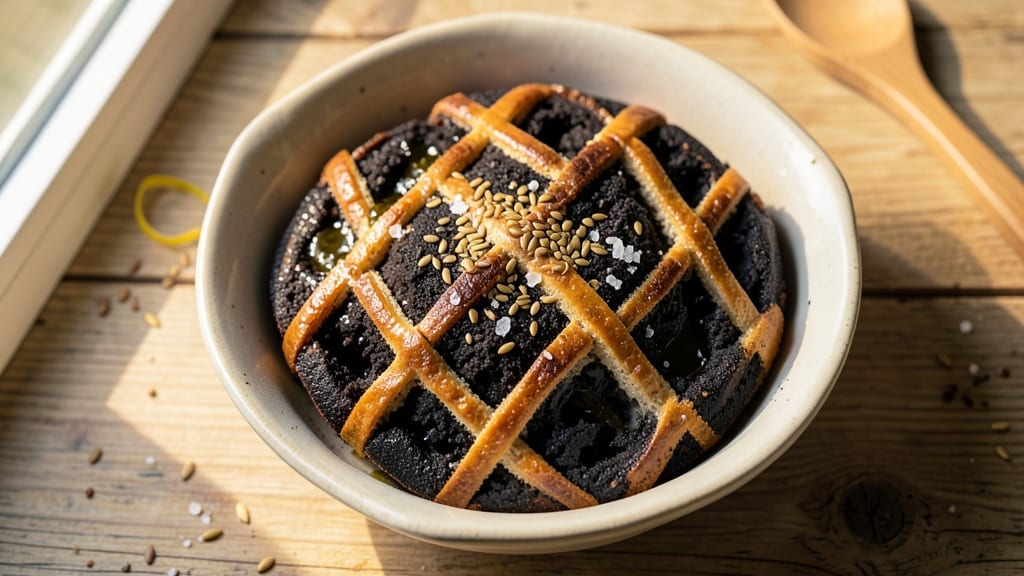
This activated charcoal bread recipe transforms simple dough into a detoxifying, mineral-rich loaf with a striking black crust and satisfying crunch. The secret lies in carefully balancing activated charcoal’s earthy depth with complementary flavors—no overpowering bitterness, just a subtle mineral note that enhances texture.
Perfect for health-conscious bakers who want both visual drama and functional benefits, this bread absorbs toxins while delivering a satisfying crunch that rivals artisanal sourdough.
The process begins with a vegan-friendly dough enriched with flaxseed for structure and nutritional value. Activated charcoal is incorporated in precise measurements to create that signature aesthetic without compromising rise or flavor.
Baking at the right temperature ensures a crisp exterior while maintaining a tender, airy crumb inside—critical for achieving the perfect balance between detoxifying properties and delicious texture.
What makes this recipe stand out is its versatility—serve it toasted with avocado for a nutrient-packed breakfast, sliced alongside soups for a mineral-rich accompaniment, or even as a unique base for open-faced sandwiches.
The charcoal’s natural properties not only enhance the bread’s visual appeal but also contribute to its functional benefits, making every bite both satisfying and health-conscious.
For best results, use high-quality activated charcoal and measure it carefully to avoid altering the dough’s texture. Pair with lemon zest or sea salt to complement the mineral notes, and consider adding seeds or herbs for extra flavor complexity.
This isn’t just bread—it’s a functional, visually striking dish that elevates any meal while supporting wellness.
Ingredients for activated charcoal bread
Transform ordinary flour into a detoxifying masterpiece with these carefully balanced ingredients.
| Ingredient | Amount | Notes |
|---|---|---|
| All-Purpose Flour 🌾 | 3 ½ cups | Unbleached, high-protein preferred |
| Flaxseeds 🌰 | ⅓ cup | Ground into meal for binding |
| Water 💧 | 1 ¼ cups | Room temperature for best rise |
| Active Dry Yeast 🍞 | 1 tbsp | Or 2.25g for precise measurement |
| Activated Charcoal Powder ⚫ | 1 tbsp | Food-grade, finely powdered |
| Sea Salt 🧂 | 1 ½ tsp | Fine grain, uniodized preferred |
| Extra-Virgin Olive Oil 🫒 | 1 tbsp | High-quality, fruity variety |
| Maple Syrup 🍁 | 1 tbsp | Pure, grade A for sweetness |
| Lemon Zest 🍋 | 1 tsp | Freshly grated for brightness |
| Sesame Seeds 🌿 | 1 tbsp | Toasted for extra crunch |
| Ground Flaxseed 🌰 | 1 tbsp | For sprinkling on top |
| Poppy Seeds 🌻 | 1 tsp | Optional for added texture |
The activated charcoal is the star here—grab food-grade powder from a health store like Whole Foods or Sprouts, not the kind from pharmacies. It should be finely powdered (no lumps) and food-safe—never charcoal from grills or fireplaces. The flaxseed meal is non-negotiable for structure; Bob's Red Mill or Anthony's ground flaxseed works perfectly. For yeast, Saf-Instant is my go-to because it activates without proofing time, but traditional active dry yeast works too. The olive oil should be extra-virgin—California Avocado Ranch or Colavita are excellent choices. Measure the charcoal precisely: too much alters texture, too little loses that signature look.
No activated charcoal? Skip it entirely—this bread still tastes amazing as a classic vegan loaf. Running low on flaxseed? Chia seeds ground into a powder work in a pinch (use same amount). The maple syrup can be swapped for agave nectar or date syrup if you prefer. For extra flavor depth, add 1 tsp dried rosemary to the dough. The sesame seeds? Toast them in a dry pan for 2 minutes before sprinkling—they’ll release their oils and add incredible aroma. If you can't find poppy seeds, sunflower seeds make a great crunchy alternative. Fresh lemon zest is ideal, but bottled zest works if you're in a hurry.
This dough keeps beautifully in the fridge for up to 48 hours—perfect for slow fermentation. For best results, let it rise overnight in the fridge. The baked loaf stays fresh for 3 days at room temperature, wrapped in a clean kitchen towel to maintain moisture. Freeze slices for up to 3 months—toast directly from frozen for a crispy crust. The charcoal-infused version reheats beautifully in a 350°F oven for 5 minutes to restore that satisfying crunch. Store any unused charcoal powder in an airtight container away from moisture—it lasts indefinitely if kept dry.
Why You'll Love This Recipe
- No Yeast Struggle: Honestly, the flaxseeds and yeast combo rises faster than my motivation on a Monday. Mix, let sit—boom, fluffy bread in under an hour. That black powder might look intimidating, but it’s just a sprinkle, no fuss.
- Earthy Crunch Twist: Between us, the activated charcoal gives this bread a subtle, toasty depth you won’t find in regular loaves. Toast it? It’s got this smoky edge that pairs wild with butter or jam—like a gourmet secret.
- Meal Prep MVP: I bake two loaves on Sundays, slice them, and freeze. Toss in a lunchbox or reheat for toast—no sad, stale bread here. The flaxseeds keep it sturdy, and the charcoal? Just adds that wow factor when you pull it out.
- Pocket-Friendly Luxury: All-purpose flour, yeast, flaxseeds— ingredients you already own. That tiny bag of charcoal? Lasts forever. You’re basically making artisanal bread for pennies, and my wallet approves.
Step-by-step instructions for activated charcoal bread
Transform ordinary bread into a detoxifying powerhouse with this mineral-rich recipe.
Prepare the Charcoal-Infused Dough
In a large mixing bowl, combine the 3.5 cups all-purpose flour, 0.33 cup ground flaxseeds, 1 tbsp activated charcoal powder, and 1.5 tsp sea salt. Whisk vigorously for 2 minutes to fully aerate the flour and create a fine, even distribution of the charcoal—this ensures a consistent dark hue and even detoxifying properties throughout each slice.
Create a well in the center and add the 1 tbsp active dry yeast, 1 tbsp extra-virgin olive oil, 1 tbsp maple syrup, and 1 tsp lemon zest. Gradually pour in the 1.25 cups room-temperature water while mixing with a wooden spoon. The dough should come together into a shaggy mass that pulls away from the sides of the bowl—this indicates proper hydration. If it's too dry, add 1 teaspoon water at a time until it reaches this consistency.
Develop the Gluten for Maximum Rise
Turn the dough onto a lightly floured surface and knead for 8-10 minutes until smooth and elastic. I use the "windowpane test" here—stretch a small piece of dough thin enough that you can see light through it without tearing. The activated charcoal will make the dough darker than usual, so focus on texture rather than color when testing.
Once properly kneaded, place the dough in a lightly oiled bowl, cover with a damp kitchen towel, and let rise in a warm place for 1-1.5 hours or until doubled in size. The yeast will work overtime with the charcoal's natural minerals, creating a particularly active fermentation that develops complex flavors. This is where the magic happens—don't rush this step, as proper proofing is crucial for that light, airy crumb we're after.
Shape and Second Rise
Punch down the risen dough to release air, then divide it into 4 equal portions (about 1 pound each). Shape each portion into a round loaf by pulling the edges toward the center and sealing the seam. Place the shaped loaves on a parchment-lined baking sheet, cover again, and let rise for 30-45 minutes until puffy and nearly doubled in size.
While the dough rises, preheat your oven to 375°F. The second rise is crucial for developing that signature open crumb structure. Look for the dough to spring back slowly when gently pressed—this indicates it's ready for baking. The activated charcoal will make the dough slightly denser, so be patient and don't overproof.
Bake to Mineral-Rich Perfection
Bake the loaves for 25-30 minutes until they develop a deep, glossy crust with an internal temperature of 190-195°F. I like to spray the loaves with water just before baking—this creates steam that develops that beautiful oven spring and crispy exterior. The charcoal will give the crust an intense black appearance that fades slightly as it cools, revealing a mineral-rich interior.
For that extra crunch and visual appeal, brush the tops with a mixture of 1 tbsp melted extra-virgin olive oil and 1 tbsp water while still hot from the oven. Immediately sprinkle with 1 tbsp toasted sesame seeds, 1 tbsp ground flaxseed, and 1 tsp poppy seeds. Transfer to a wire rack to cool completely before slicing—this prevents the loaves from becoming gummy.
Pro Tips For Making Activated Charcoal Bread
- Sift the Charcoal: DESCRIPTION: I learned this the hard way—dumping charcoal powder directly into the flour creates clumps that ruin the texture. Instead, sift it twice: once with the dry ingredients, then again after mixing with water. This keeps the bread light, not dense. (Yes, it’s extra work, but your kneading will thank you.)
- Bloom Yeast in Warm Water: DESCRIPTION: Skip the "eyeball it" approach—use a thermometer. The yeast needs water between 105°F–110°F (not boiling, not cold). Too hot and it dies; too cool and it sleeps. Let it sit for 5–7 minutes until frothy, then add the flaxseeds and charcoal mix. (I used to rush this and wonder why my bread never rose properly.)
- Don’t Overmix the Dough: DESCRIPTION: The moment you add the charcoal-flour mix, stop folding after two turns. Overworking it turns the dough tough and grayish. The flaxseeds and charcoal are heavy enough—let the yeast do the work during the 1.5-hour rise (not your arms). (Your future self will notice the difference.)
- Steam the First 10 Minutes: DESCRIPTION: This isn’t just for looks—it’s non-negotiable. Place a metal bowl of boiling water in your oven before baking, then slide the bread in. The steam locks in moisture and prevents the charcoal from making the crust turn to ash. (I was skeptical until I tried it—now I never bake it dry.)
Best sauces and condiments for activated charcoal bread
Lemon-Herb Compote
Brighten every bite with a lemon-herb compote that cuts through the earthy mineral notes of the charcoal. Simmer ½ cup apple cider vinegar, ¼ cup maple syrup, 1 tbsp Dijon mustard, and 1 tsp fresh thyme leaves for 5 minutes until thickened.
Finish with 1 tbsp lemon zest and a pinch of sea salt. Drizzle over toasted slices for a tangy, aromatic contrast that enhances the bread's detoxifying properties. 🍋
Avocado-Lime Crema
For a creamy, nutrient-dense pairing, blend 1 ripe avocado, ¼ cup Greek yogurt (or vegan coconut yogurt), 1 tbsp lime juice, 1 tbsp chopped cilantro, and ½ tsp ground cumin until smooth.
The healthy fats and citrus notes complement the charcoal's mineral depth while adding a velvety texture. Serve as a spread for open-faced sandwiches or alongside soups. 🥑
Smoky Chipotle Aioli
Add a smoky kick with a chipotle aioli that balances the bread's earthiness. Mix ½ cup vegan mayo, 1 tbsp chipotle pepper in adobo, 1 tsp smoked paprika, and 1 tsp apple cider vinegar.
Thin with 1-2 tsp water if needed. Spread on toasted slices and top with sliced jalapeños for a spicy, creamy contrast that elevates the detoxifying experience. 🌶️
Miso-Ginger Glaze
For an umami-rich pairing, whisk together 2 tbsp white miso paste, 1 tbsp soy sauce, 1 tbsp rice vinegar, 1 tsp grated ginger, and 1 tsp maple syrup.
Simmer for 3 minutes until glossy, then brush onto warm bread slices. The fermented depth of miso enhances the charcoal's mineral notes while adding a savory-sweet balance. ✨
Spiced Olive Oil Drizzle
Elevate the bread's crust with a spiced olive oil drizzle**. Heat ¼ cup extra-virgin olive oil with 1 tsp red pepper flakes, ½ tsp ground coriander, and ½ tsp flaky sea salt until fragrant.
Drizzle over freshly baked loaves while still warm for a crispy, aromatic finish. The heat and oil amplify the charcoal's detoxifying appeal. 🫒
Nutrition facts
Frequently asked questions
Why does my charcoal bread taste bitter?
Too much activated charcoal can create bitterness—stick to 1 tbsp per recipe. The key is balancing it with bright flavors like lemon zest or maple syrup. If the taste is still off, try adding 1 tsp vanilla extract or 1 extra tbsp olive oil to mellow the earthy notes.
Can I make this bread without yeast?
Yes! Replace the yeast with 1 tbsp baking powder and 1 tsp baking soda for a quick-rise version. The texture will be denser but still delicious. For best results, increase the water by 2 tbsp to compensate for the lack of gluten development.
How do I store charcoal bread to keep it fresh?
Wrap cooled loaves in a clean kitchen towel and store at room temperature for 3 days. For longer storage, slice and freeze—toast directly from frozen for maximum crunch. The charcoal helps preserve freshness by absorbing moisture, but avoid refrigerating to prevent drying.
What's the best way to use up stale charcoal bread?
Revive stale slices by toasting at 350°F for 5 minutes, then use for croutons, breadcrumbs (crush and toast), or french toast. The charcoal adds a dramatic visual element to any dish while keeping the crunchy texture intact.
Is activated charcoal safe to eat in bread?
Only use food-grade activated charcoal from health stores—never grill charcoal or industrial products. The amount in this recipe (1 tbsp) is completely safe and provides detoxifying benefits. Always check the label for "food-safe" certification before using.