
Side Dishes
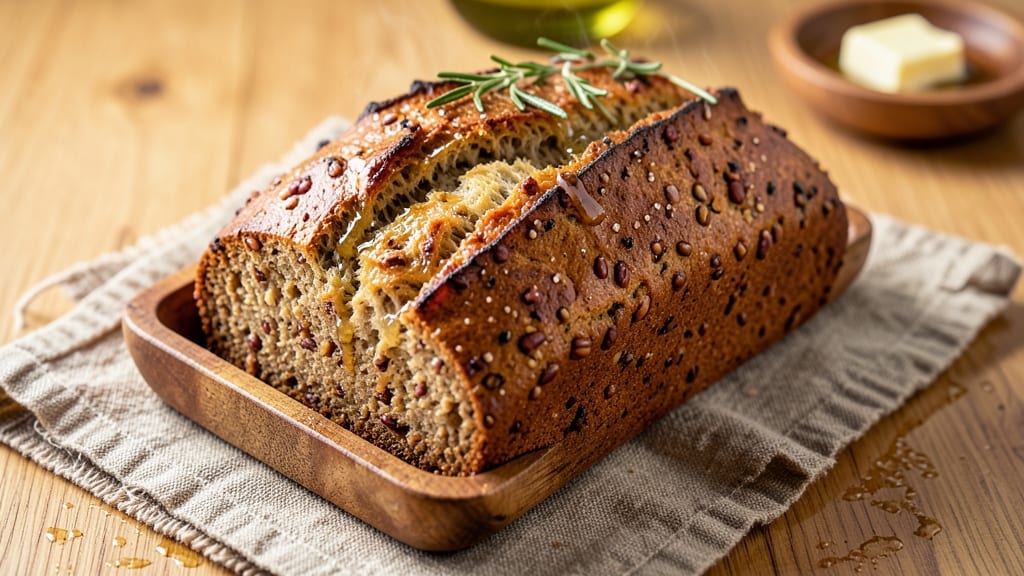
This 9-grain bread machine recipe transforms simple ingredients into a hearty loaf with a nutty crust and dense, satisfying texture—all with minimal effort.
The secret lies in balancing whole grains like wheat, rye, and barley with a touch of honey for subtle sweetness, creating a loaf that’s both nutritious and irresistibly flavorful.
Your bread machine does the heavy lifting while you focus on the simple steps: mixing, loading, and letting the machine work its magic.
The beauty of this recipe is its versatility—no fancy techniques required. You’ll combine warm water, yeast, and a blend of whole grains in the machine’s pan, then let it knead and bake automatically. The result?
A loaf with a crisp, golden crust and a tender, nutty interior that pairs perfectly with soups, sandwiches, or toasted with butter. It’s the kind of bread that makes you want to bake every weekend.
What sets this apart is the hearty texture achieved through the grain blend, which stays fresh for days when stored properly. Whether you’re feeding a family or meal prepping for the week, this recipe delivers consistent results with every cycle.
The crust develops a satisfying crunch, while the interior remains soft and flavorful—proof that homemade bread can be both practical and delicious.
For extra depth, consider adding a sprinkle of seeds or herbs before baking, but the base recipe stands strong on its own. Let’s get started—your bread machine is about to become your new favorite kitchen tool.
Ingredients for 9 grain bread machine
Nine whole grains, warm water, and a touch of honey—your bread machine does the rest.
| Ingredient | Amount | Notes |
|---|---|---|
| Warm Water 💧 | 1 ¼ cups | 110°F for activating yeast |
| Active Dry Yeast 🍞 | 2 ¼ tsp | Freshly opened for best results |
| Granulated Honey 🍯 | ¼ cup | For subtle sweetness |
| All-Purpose Flour 🌾 | 1 ½ cups | For structure and rise |
| Whole Wheat Flour 🌾 | 1 cup | For nutty flavor |
| Rye Flour 🌾 | ½ cup | For earthy depth |
| Barley Flour 🌾 | ½ cup | For chewy texture |
| Oat Flour 🌾 | ¼ cup | For hearty bite |
| Spelt Flour 🌾 | ¼ cup | For ancient grain flavor |
| Buckwheat Flour 🌾 | ¼ cup | For nutty richness |
| Cornmeal 🌽 | 2 tbsp | For crust texture |
| Salt 🧂 | 1 ½ tsp | Diamond Crystal preferred |
| Olive Oil 🫒 | 1 ½ tbsp | For softness and flavor |
| Sesame Seeds 🌰 | 1 tbsp | For topping (optional) |
The grains are the heart of this loaf. Whole wheat and rye give that classic nutty flavor, while barley and buckwheat add chewiness. I grab my flours from Bob's Red Mill—their organic blends are consistent and reliable. If you're using pre-ground flours, check the expiration dates; stale flour makes for a dense loaf. For the honey, local raw honey adds subtle floral notes, but store-bought works fine too. The olive oil keeps the interior soft—don't skip it, even though it's just a tablespoon.
No whole wheat flour? Substitute with extra all-purpose, but you'll lose some texture. Running low on rye? Dark molasses at half the amount adds depth. The cornmeal is key for that crisp crust—if you don't have it, toasted breadcrumbs work in a pinch. For the seeds, sesame or flaxseeds both add crunch. Pro tip: mix your dry ingredients in the machine's pan first to avoid clumps. And yes, you can make this without honey—just use maple syrup instead.
This bread stays fresh for 4-5 days wrapped in a cotton towel, but it's even better the next day once the flavors meld. For longer storage, slice and freeze portions—3 months in a sealed bag. I always make a double batch because it disappears fast. The crust gets crunchier as it cools, so slice when it's still slightly warm for cleaner cuts. Leftovers? Toast them with a smear of almond butter—trust me, it's a game-changer.
Why You'll Love This Recipe
- Set-and-Forget Magic: I swear by this bread—dump the ingredients, press start, and walk away. My bread machine does all the kneading and rising while I sip coffee or fold laundry. No fussy handwork, no waiting around for dough to rise just right.
- Honeyed Crunch Perfection: That granulated honey isn’t just sweet—it caramelizes into a subtle crunch when toasted, giving every slice a buttery, toasty edge. Honestly, the whole wheat adds hearty texture while the honey keeps it from getting too heavy.
- Weeknight Workhorse: I make a loaf on Sundays and it lasts me all week—perfect for sandwiches, French toast, or crusty sides. Between us, it’s my go-to for quick lunches when I’m too tired to think about cooking.
- Budget-Friendly Staple: Whole wheat flour and honey stretch my grocery budget without sacrificing flavor. A single batch feeds my family for days, and I always have backup slices for toast or garlic bread. Not the prettiest, but the taste makes up for it.
Step-by-step instructions for 9-Grain bread machine recipe
Your bread machine will do most of the work, but these steps ensure a loaf with perfect texture and flavor.
Mix the Ingredients in the Bread Pan
First, add the 1.25 cups warm water (around 110°F) to the bread machine pan. Sprinkle the 2.25 teaspoons active dry yeast directly into the water and let it sit for 5 minutes until it becomes foamy. This activates the yeast and ensures your bread rises properly.
Next, add the 0.25 cup granulated honey, 1.5 tablespoons olive oil, and 1.5 teaspoons salt to the pan. Stir gently with a wooden spoon to dissolve these ingredients into the water. The honey will add subtle sweetness while the olive oil keeps the crumb soft and moist.
Now, it's time for the flours. Add the 1.5 cups all-purpose flour, 1 cup whole wheat flour, 0.5 cup rye flour, 0.5 cup barley flour, 0.25 cup oat flour, 0.25 cup spelt flour, and 0.25 cup buckwheat flour to the pan. Use a rubber spatula to scrape down the sides and mix thoroughly. The combination of these flours gives your bread a hearty texture and rich, nutty flavor.
Set the Bread Machine and Start the Cycle
Once all the ingredients are mixed, sprinkle the 2 tablespoons cornmeal evenly over the top of the dough. This creates a beautiful crust and adds a subtle crunch. If you're using the optional 1 tablespoon sesame seeds, sprinkle them on top of the cornmeal for extra texture and flavor.
Close the bread machine lid and select the "Basic White Bread" setting. Most bread machines have a cycle that lasts about 3 to 3.5 hours, including kneading, rising, and baking. The machine will handle the kneading and shaping automatically, so you don’t need to worry about overworking the dough.
Here's the thing—don’t open the lid during the cycle. Every time you peek, you risk letting out steam, which can disrupt the rising process and lead to a dense loaf. Trust the machine to do its job.
Check for Doneness and Cool the Bread
When the cycle is complete, your bread will be golden brown with a crisp crust. Remove it from the pan and let it cool on a wire rack for at least 30 minutes. This step is crucial—cooling prevents the bread from becoming gummy and allows the crumb to set properly.
You’ll know it’s ready when the crust has a deep golden hue and the internal temperature drops below 140°F. If you cut into it too soon, the bread will be warm and sticky inside. Patience here ensures a perfect slice every time.
Once cooled, slice the bread and enjoy it fresh. The combination of whole grains and flours gives it a satisfying chew, while the honey and olive oil keep it moist. Store any leftovers in an airtight container for up to 5 days, or freeze slices for longer storage.
Pro Tips For Making 9 Grain Bread Machine
- STIR THE WHOLE WHEAT: Mix the whole wheat flour into the wet ingredients first—don’t just dump it all in at once. Whole wheat absorbs liquid differently, and starting with it means you won’t end up with a dough that’s too dry or gummy later, even if your machine’s kneading cycle feels aggressive.
- USE HONEY LIKE GOLD: Skip the microwave for warming honey—just stir it into the warm water before adding yeast. Cold honey can shock the yeast, and you’ll end up waiting for a second rise. A quick 10-second swirl in the water is all it takes.
- DON’T SKIP THE SCRAPE-DOWN: If your dough sticks to the sides during kneading, pause and scrape it down with a wet spatula before the cycle finishes. Machines hate stuck dough, and it’ll either under-knead or overwork the gluten, leaving you with bread that’s either dense or crumbly.
- SWAP FLOURS SMARTLY: If you’re short on whole wheat, replace it cup-for-cup with rye flour—but reduce the honey by 1 tablespoon. Rye’s heavier flavor needs less sweetness to balance, and your machine’s settings won’t need adjusting for the extra weight. (I learned this after a loaf collapsed under its own density.)
Serving suggestions for this 9 grain bread machine
Classic Pairings
This hearty 9-grain loaf shines with buttery soups like creamy tomato or roasted vegetable—toss a slice into a warm bowl for instant comfort. For sandwiches, try sharp cheddar and smoked turkey with a smear of Dijon mustard and crisp lettuce.
The nutty crust holds up perfectly to grilled portobello mushrooms and avocado for a vegetarian option.
Breakfast Spreads
Toast this bread with local honey and a sprinkle of cinnamon for a simple breakfast. I love adding almond butter and sliced bananas for a protein-packed morning. For something savory, try scrambled eggs with crumbled feta and fresh dill. The dense texture soaks up runny yolks beautifully.
Cheese Board Magic
Use this bread to elevate any cheese board—its sturdy crust holds up to aged cheddar, blue cheese, and brie without crumbling. Pair with fig jam, walnuts, and proscuitto for a sophisticated spread.
The nutty flavors complement sharp cheeses while balancing sweet elements like dried apricots or honeycomb. 🧀
Meal Prep Hacks
Slice the cooled loaf and store in an airtight container with parchment paper between slices to prevent drying. Pack individual portions with hummus or peanut butter for quick lunches. For dinner, pair with roasted chicken and steamed greens—the bread's hearty texture makes it a satisfying side.
Freeze extras in 1-inch thick slices for up to 3 months.
Sweet Twists
Drizzle warm slices with melted dark chocolate and sea salt for a dessert-like treat. I also love peanut butter and banana toast with a sprinkle of crushed peanuts.
For a boozy option, brush with garlic butter and toast until golden, then top with balsamic glaze—it’s unexpected but delicious. 🍯
Global Inspirations
Transform this bread into a French-style baguette by shaping the dough into a long loaf before baking. For an Italian touch, add dried oregano and garlic powder to the dough, then top with rosemary before baking.
In Mexico, it becomes pan de muerto by adding orange zest and anise seeds to the dough. The possibilities are endless! 🌍
Nutrition facts
Frequently asked questions
Can I substitute any of the flours in this 9-grain recipe?
Yes, but with some adjustments! For example, swap buckwheat flour for more oat flour if you prefer a milder taste. If you're missing rye flour, try dark molasses (1/4 cup) for depth. Just remember: whole wheat and barley add chewiness, so reduce all-purpose flour by 1/4 cup total if substituting. Always measure carefully—flour ratios matter for texture!
Why does my bread machine loaf turn out dense?
Dense bread usually means one of three things: First, check your yeast—it may be expired or not activated properly (should foam in 5 minutes in warm water). Second, overloading the pan or opening the lid during kneading lets steam escape, weakening the rise. Finally, using too many whole grains without enough all-purpose flour can make the dough heavy. Try reducing grains by 1/4 cup next time.
How do I make this recipe gluten-free?
This recipe isn't naturally gluten-free, but you can adapt it! Replace all flours with a 1:1 gluten-free blend (like Bob's Red Mill's GF mix) and add 1 extra teaspoon xanthan gum for structure. Use gluten-free oats if including oat flour. Note: textures will differ—GF bread tends to be denser. Test with a small batch first to adjust moisture levels (GF doughs often need 1-2 extra tablespoons water).
Can I add seeds or nuts to this bread?
For best results, add 1/4 cup chopped nuts/seeds (like walnuts, sunflower seeds, or flaxseeds) to the dough during mixing. If using whole nuts, pulse them briefly in a food processor first. For topping, sprinkle 1 tablespoon seeds (sesame, poppy, etc.) on the cornmeal layer before baking. Just don't exceed 1/3 cup total add-ins—too much can weigh down the loaf.
What's the best way to reheat stale slices?
Revive stale bread in 30 seconds! Wrap slices in a damp paper towel and microwave on high for 10-15 seconds. For crispier results, toast in a 350°F oven for 3-5 minutes with a sprinkle of water on top. Pro tip: Store slices in an airtight container with a paper towel to absorb moisture—this keeps bread fresh 2-3 days longer.