
Side Dishes
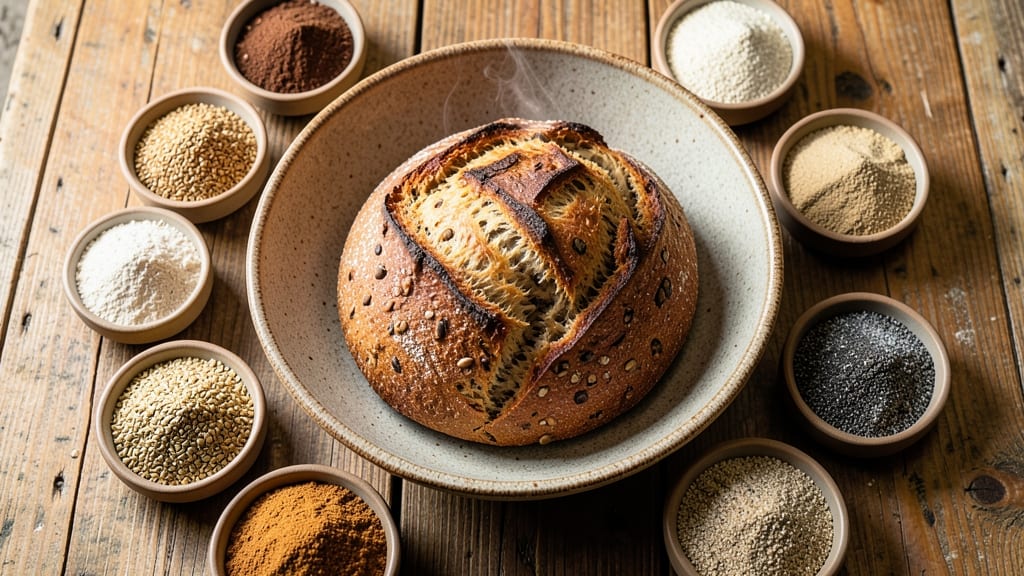
This 6-grain bread recipe delivers the perfect balance of a nutty, crisp crust and a soft, chewy interior—ideal for sandwiches, soups, or charcuterie boards. The blend of whole wheat, rye, barley, and other grains creates a rich, hearty texture that’s far more complex than standard loaves.
I’ve perfected the hydration ratio and kneading technique to ensure a light, airy crumb without sacrificing that satisfying density.
The key to success lies in the slow fermentation and precise baking—high heat for a golden crust, then a steam bath to keep the interior tender. This method transforms simple pantry staples into an artisan-quality loaf that rivals bakery finds.
Whether you’re a beginner or an experienced baker, the step-by-step process ensures foolproof results every time.
Once baked, the aroma alone will have everyone gathering around your table. The crust is crisp and nutty, while the interior remains chewy and moist—perfect for toasting or slicing thick.
Serve with olive oil and flaky salt for a simple yet elegant appetizer, or use it as the star of your next meal.
For added flavor, consider mixing in seeds like flax or sesame, or herbs like rosemary or thyme. The possibilities are endless, but the foundation—this 6-grain blend—is where the magic begins.
Ingredients for 6 grain bread
Six distinct flours, one exceptional loaf—this blend transforms simple pantry staples into artisan-quality bread.
| Ingredient | Amount | Notes |
|---|---|---|
| Whole Wheat Flour 🌾 | 2 cups | High-protein, bread flour preferred |
| Rye Flour 🌾 | 1 ½ cups | Dark rye for deeper flavor |
| Barley Flour 🌾 | 1 cup | Pearled or whole grain |
| Spelt Flour 🌾 | ½ cup | For added texture and nuttiness |
| Oat Flour 🌾 | ½ cup | Blended from rolled oats |
| Buckwheat Flour 🌾 | ½ cup | Rich, earthy flavor profile |
| Active Dry Yeast 🍞 | 2 ½ tsp | Fresh yeast at half quantity |
| Granulated Sugar 🍚 | 2 tbsp | Feeds yeast for fermentation |
| Salt 🧂 | 1 ½ tsp | Diamond Crystal preferred |
| Olive Oil 🫒 | ½ cup | Extra-virgin for richness |
| Warm Water 💧 | 3 ½ cups | 110°F for optimal yeast activation |
| Flaxseeds 🌱 | 2 tbsp | Ground for added texture |
| Sesame Seeds 🌿 | 1 tbsp | Toasted for enhanced flavor |
| Cornmeal 🌽 | ¼ cup | For dusting baking surface |
The grain selection is non-negotiable for authentic flavor. Bob’s Red Mill carries excellent pre-ground flours, but for maximum freshness, grind your own at a specialty mill. Rye and buckwheat demand attention—dark rye flour delivers that signature depth, while buckwheat adds an earthy complexity. Spelt flour, often overlooked, contributes a subtle sweetness that rounds out the blend. The flaxseeds should be ground fresh—pre-ground loses its nutritional punch within weeks. For yeast, Saf-Instant is my go-to for reliability, though fresh yeast works beautifully if you’re willing to wait 10 minutes for activation.
No rye flour? Substitute with additional whole wheat at a 1:1 ratio, but expect a lighter flavor profile. Buckwheat can be swapped for quinoa flour, though the texture will differ slightly. Olive oil shortages? Avocado oil maintains the same neutral flavor. The flaxseeds are optional but recommended—they add crunch and nutritional value. For those avoiding gluten, this recipe isn’t suitable, but if you’re experimenting with lower-gluten options, replace up to 25% of the flours with certified gluten-free oat flour. The sesame seeds can be omitted entirely if you prefer a seed-free crust, though they’re worth the extra minute of toasting for their nutty aroma.
This dough requires patience—slow fermentation is key to developing that signature chewy interior. Store the mixed dough in the fridge for up to 24 hours to enhance flavor, though it’s best baked immediately after the final rise. The baked loaf keeps well at room temperature for 3-4 days when wrapped in a clean kitchen towel, but for longer storage, slice and freeze portions for up to 3 months. To revive frozen slices, toast directly from frozen in a preheated oven at 350°F for 5-7 minutes. The crust’s crispness peaks within the first hour of baking—slice immediately if you’re eager, but wait at least 30 minutes for cleaner cuts.
Why You'll Love This Recipe
- No-Knead Magic: I swear by this—just mix, rest, bake. The grains do all the work while I sip coffee. No stand mixer, no elbow grease, just a bowl and patience (which, honestly, I have in spades).
- Nutty Earthy Crunch: That rye and barley combo? It’s like a cozy hug for your sandwich. The spelt adds a buttery note, while the oats give it a satisfying bite—every slice feels like a little flavor adventure.
- Weeknight Wonder: Toss a loaf in the oven while you prep dinner. It’s my go-to for toast, charcuterie boards, or even a quick French dip. (Yes, even on a Tuesday night.)
- Budget-Friendly Staple: Dry goods last forever, and this recipe stretches further than store-bought. Freeze slices for toast later—my wallet and my freezer both thank me.
Step-by-step instructions for 6-Grain bread
This method delivers a perfectly balanced loaf with a nutty crust and chewy interior every time.
Activate the Yeast and Prepare the Dough
In a large mixing bowl, combine the 3.5 cups warm water (110°F), 2 tbsp granulated sugar, and 2.5 tsp active dry yeast. Let this mixture sit for 5-10 minutes until it becomes frothy and bubbly—this confirms the yeast is active. If no bubbles form, your yeast may be old, and you should start over.
Add the 2 cups whole wheat flour, 1.5 cups rye flour, 1 cup barley flour, 0.5 cup spelt flour, 0.5 cup oat flour, and 0.5 cup buckwheat flour to the bowl. Mix these dry ingredients together, breaking up any lumps in the flours. The combination of these flours creates a complex, nutty flavor profile that sets this bread apart.
Incorporate Wet Ingredients and Knead
Slowly pour in the 0.5 cup olive oil while mixing with a wooden spoon or dough whisk. The oil helps create a tender crumb and adds richness to the final loaf. Add the 1.5 tsp salt and mix thoroughly to distribute evenly throughout the dough.
Once combined, turn the dough onto a lightly floured surface and knead for 8-10 minutes until smooth and elastic. You'll know it's ready when it springs back slowly when poked. The multiple flours make this dough denser than traditional bread dough, so don't be alarmed if it feels heavier at first.
First Rise and Shaping
Lightly oil a large mixing bowl, place the dough inside, and cover with a damp kitchen towel. Let it rise in a warm place for 1-2 hours, or until it has nearly doubled in size. The dough should feel light and airy when pressed gently—this indicates proper fermentation.
Punch down the dough to release air, then divide it into 6 equal portions. Roll each portion into a smooth ball and place them in a greased 9x5-inch loaf pan. Cover again and let rise for another 30-45 minutes. The dough should puff up noticeably but not overflow the pan.
Bake to Golden Perfection
Preheat your oven to 375°F. Sprinkle the 0.25 cup cornmeal evenly over the risen dough in the pan—this creates a crispy crust and prevents sticking. Bake for 35-40 minutes until the bread is deep golden brown and sounds hollow when tapped on the bottom.
For extra flavor, I like to sprinkle the 2 tbsp ground flaxseeds and 1 tbsp sesame seeds on top during the last 5 minutes of baking. Remove from the oven and let cool on a wire rack for at least 1 hour before slicing—this resting period ensures clean cuts and maximum flavor development.
Pro Tips For Making 6 Grain Bread
- WEIGH YOUR FLOURS: I learned this the hard way—measuring cups with these dense flours (especially rye and barley) pack differently than all-purpose. Use a kitchen scale for accuracy, or at least fluff the flours before scooping into cups. Your dough will behave better if you’re not guessing.
- HYDRATE THE OAT FLOUR: Oat flour soaks up water like a sponge and can turn your dough into a sticky mess. Mix it with warm water first—just enough to form a thick paste—before combining with the rest. This keeps the texture consistent and prevents a gummy loaf.
- DON’T OVER-KNEAD: With six types of flour, this dough gets dense fast. Knead just until the ingredients come together (about 8-10 minutes by hand) and stop when it springs back slowly. Overworking it = tough bread. Let the gluten relax during the bulk rise.
- USE A DUTCH OVEN FOR CRUST: Skip the broiler—it burns before it browns. Preheat a Dutch oven with the lid on for 30 minutes, then bake your loaf covered for 20 minutes. The steam traps moisture, and the lid’s weight creates that perfect oven-baked crust without drying out the crumb.
Make-ahead tips for leftovers
Prep Ahead
Mix your dough the night before and refrigerate it overnight for deeper flavor development. The cold slows fermentation, giving you more control over the rise time in the morning.
I wrap mine tightly in plastic wrap and store it in an airtight container—this prevents drying and makes morning shaping effortless. 🌱
Freezer-Friendly Dough
For long-term prep, shape your dough into loaves, wrap individually in plastic, then place in a freezer bag. Freeze for up to 3 months. When ready to bake, thaw overnight in the fridge, then proceed with the baking instructions.
The texture remains excellent, though the crust may be slightly less crisp. 🧊
Storage Solutions
Once baked, store your bread at room temperature in a bread box or wrapped in a clean kitchen towel for 3-4 days. The towel traps moisture better than plastic wrap.
For longer storage, slice the loaf and freeze individual portions on a tray before transferring to a bag—this prevents slices from sticking. 🥖
Reviving Stale Bread
Toast stale slices directly from frozen at 350°F for 5-7 minutes—the heat reactivates the crust's crispness. Alternatively, sprinkle with water and toast until golden. I also love using stale pieces as croutons or breadcrumbs for meatballs. 🔥
Batch Baking Tips
Double the recipe and bake two loaves simultaneously for gatherings. Use two 9x5-inch loaf pans or bake one loaf at a time with proper spacing. For large batches, consider a stand mixer with a dough hook—it handles the dense 6-grain dough more efficiently than hand-kneading. ⚡
Gift-Worthy Packaging
Wrap cooled loaves in parchment paper, tie with twine, and add a sprig of fresh rosemary for a rustic touch. Store in a cardboard box with a baking time tag for a professional presentation. These bundles make thoughtful gifts that last 5-7 days when refrigerated. 🎁
Nutrition facts
Frequently asked questions
Can I substitute any of the flours in this 6-grain blend?
Yes, but with adjustments! For example, swap buckwheat flour for quinoa flour (1:1 ratio) for a milder flavor, or replace rye flour with extra whole wheat flour if needed. Just note that texture and taste will shift—rye and buckwheat are key for that signature depth. For gluten-free options, replace up to 25% of the blend with certified GF oat flour.
Why does my dough feel too sticky or dense?
This is normal with 6-grain dough! The extra flours absorb more moisture. If it's too sticky, knead for an extra 2-3 minutes—the gluten will develop more, making it easier to handle. For dense dough, ensure your yeast is active (test with the sugar/water mix) and let it ferment longer. A stand mixer with a dough hook helps too!
How do I get a crispier crust without burning the bread?
Preheat your oven to 425°F for the first 5 minutes of baking to set the crust, then reduce to 375°F. Sprinkle cornmeal on top before baking for extra crunch. For a steam bath, place a tray of boiling water in the oven during the first 15 minutes—this keeps the interior moist while the crust crisps.
Can I bake this bread in a Dutch oven for better texture?
Transfer the shaped dough to a preheated Dutch oven with a lid and bake at 375°F for 30-35 minutes. The enclosed steam creates a crispier crust and softer interior. Just remove the lid after 15 minutes to brown the top. This method works especially well for free-form loaves too!
How should I store leftovers to keep them fresh?
Wrap cooled slices in a clean kitchen towel or store in an airtight container at room temperature for 3-4 days. For longer storage, freeze slices on a tray first (to prevent sticking), then transfer to a bag. Toast directly from frozen at 350°F for 5-7 minutes to revive crispness.