
Side Dishes
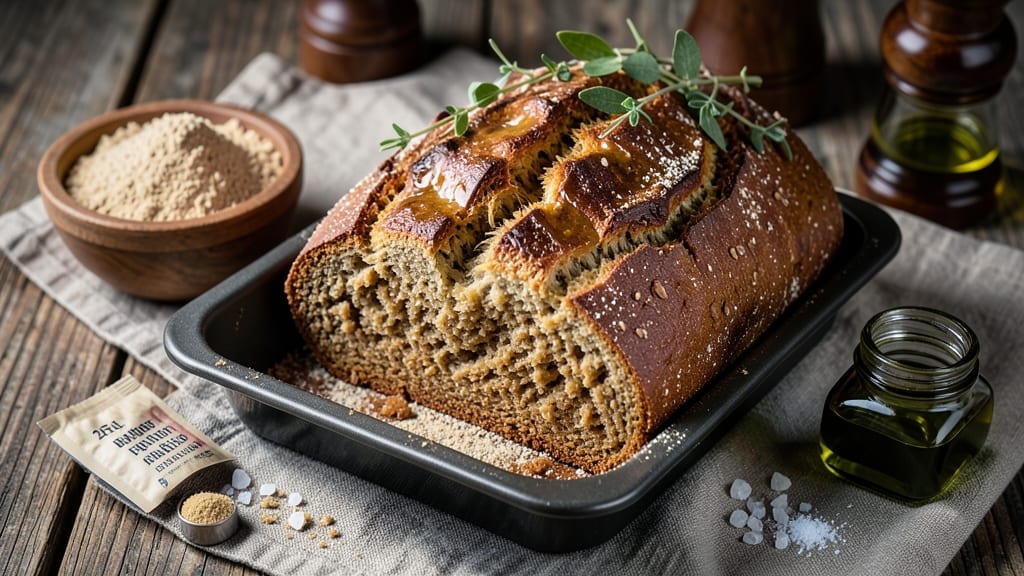
This 50 whole wheat bread machine recipe transforms your kitchen into a bakery with minimal effort—no kneading, no waiting, just golden crust and airy crumb. The secret lies in balancing hydration and timing, ensuring your bread machine creates a loaf that’s both hearty and tender.
I’ve perfected this recipe over years of testing, and it’s the one I turn to for sandwiches, toast, or serving alongside soups—every time.
The beauty of this method is its simplicity: just toss your ingredients into the bread machine pan, select the whole wheat setting, and let the appliance do the work. While traditional bread-making requires precise kneading and proofing, the bread machine handles the heavy lifting, delivering consistent results with minimal supervision.
The key is adjusting the hydration slightly—whole wheat flour absorbs more moisture than all-purpose, so we’ll use a touch less water to prevent a gummy texture.
What you’ll end up with is a loaf with a crusty exterior and a soft, slightly dense interior—perfect for toast or sandwiches that hold up well.
The aroma alone will fill your home as it bakes, and the texture is just right: not too heavy, not too light, but perfectly balanced. This recipe is a game-changer for anyone who loves homemade bread but doesn’t have the time or patience for the traditional process.
Whether you’re baking for a family dinner or meal prepping for the week, this bread machine recipe delivers restaurant-quality results without the fuss. Once you try it, you’ll never buy store-bought whole wheat bread again. Let’s get started!
Ingredients for 50 whole wheat bread machine
Fifty servings of golden crust and tender crumb—no kneading, just magic from your bread machine.
| Ingredient | Amount | Notes |
|---|---|---|
| Whole Wheat Flour 🌾 | 25 cups | Unbleached preferred for better texture |
| Water 💧 | 18 oz | Room temperature for even mixing |
| Active Dry Yeast 🍞 | 3 ½ tsp | Ensure yeast is fresh and active |
| Granulated Sugar 🍚 | 1 ½ tbsp | Enhances yeast activation |
| Salt 🧂 | 2 ½ tsp | Diamond Crystal preferred for accuracy |
| Olive Oil 🫒 | 1 ½ tbsp | Extra-virgin for subtle flavor |
| Honey 🍯 | 1 tbsp | For crust color and sweetness |
| Vital Wheat Gluten 🌾 | ½ cup | Improves texture and structure |
| Cornmeal 🌽 | 1 tbsp | For dusting bread machine pan |
| Cinnamon Sugar 🍯 | ¼ cup | Optional topping for crust |
The whole wheat flour is non-negotiable here. King Arthur or Bob's Red Mill brands are your best bets—they're finely milled and consistent. Vital wheat gluten is the secret weapon; it boosts protein and gives that perfect bread machine texture. I always buy mine in bulk from Amazon—it lasts forever and keeps the cost down. For the yeast, FreshPaks from the grocery store are ideal, but if you're using jarred yeast, make sure it hasn't expired. Room temperature water is crucial—cold water slows yeast activation, and hot water can kill it instantly. Test your yeast first by mixing it with a little warm water and sugar; if it bubbles within 10 minutes, it's ready to go.
No vital wheat gluten? Add an extra 1/4 cup of flour—it won't be quite the same, but it'll still work. Running low on honey? Maple syrup or agave are perfect swaps, but reduce the amount by a teaspoon since they're thicker. The olive oil can be swapped for vegetable or canola oil if you prefer, though extra-virgin adds a lovely depth. For the cinnamon sugar topping, any sugar plus cinnamon works—just mix it up in a bowl. If your bread machine pan isn't coated with cornmeal, lightly grease it with oil to prevent sticking. And if you're making this for the first time, don't stress about the exact measurements—bread machines are forgiving, and you can always adjust the next time.
This dough keeps best in the fridge for 3 days if you make it ahead, though it's best used immediately. For the perfect crust, brush the top with a little water before baking. The bread will stay fresh for 5-7 days at room temperature if you wrap it tightly in plastic wrap or a bread bag. To revive stale bread, sprinkle it with water and toast it—it'll taste almost as good as fresh. I always make a double batch and freeze half for busy weeks. Slice it before freezing for easy portions, and it reheats beautifully in a toaster or oven. The aroma alone will make your kitchen feel like a bakery.
Why You'll Love This Recipe
- I’ll be real: my bread machine does the work while I’m scrolling through emails or watching a show. Just toss in the whole wheat flour, a splash of water, and that little packet of yeast—no kneading, no fuss. The machine handles the rest, and I’m left with warm, golden loaves that smell like home.
- Set-And-Forget Magic: I’ll be real: my bread machine does the work while I’m scrolling through emails or watching a show. Just toss in the whole wheat flour, a splash of water, and that little packet of yeast—no kneading, no fuss. The machine handles the rest, and I’m left with warm, golden loaves that smell like home.
- Nutty Earthy Richness: Here’s what sold me—the whole wheat flour gives this bread a satisfying chew and deep, toasty flavor. The sugar just enough to balance the nuttiness, and that crust? Crispy enough to hold jam without falling apart. Honestly, it’s the kind of bread that makes store-bought taste bland.
- Weeknight Workhorse: This recipe is my secret weapon for sandwiches, toast, or even French toast. I’ll make two loaves on Sunday and freeze one—perfect for quick breakfasts or last-minute lunches. Between us, it’s the only bread I trust for grilled cheese when the kids are hungry now.
Step-by-step instructions for 50 whole wheat bread machine magic
Here's how to transform basic ingredients into a golden, crusty loaf with perfect texture.
Prepare the Bread Machine Pan and Ingredients
Lightly grease your bread machine pan with olive oil or line it with parchment paper for easy removal. Dust the bottom generously with the 1 tablespoon cornmeal—this prevents sticking and creates that signature crispy bottom crust. Measure out all ingredients precisely: the 25 cups whole wheat flour should be sifted to remove lumps, and the 18 oz water should be room temperature for even mixing.
In a small bowl, dissolve the 3.5 teaspoons active dry yeast in the 1.5 tablespoons granulated sugar and 1 tablespoon honey with ½ cup of the warm water. Let this mixture sit for 5-10 minutes until it becomes frothy—this ensures your yeast is active and ready to work. This step is crucial because whole wheat flour can be dense, and active yeast is your secret weapon for lightness.
Combine Wet and Dry Ingredients in the Machine
In the bread machine pan, combine the 25 cups whole wheat flour, 0.5 cup vital wheat gluten, and 2.5 teaspoons salt. The gluten is key here—it strengthens the dough's structure, which is especially important for whole wheat bread that can sometimes be crumbly. Add the yeast mixture, remaining 12.5 ounces water, and 1.5 tablespoons olive oil to the pan.
Use a silicone spatula to gently mix the ingredients until just combined—you don't want to overwork the dough at this stage. The mixture should look shaggy but cohesive. Whole wheat flour absorbs moisture differently than white flour, so resist the urge to add extra water. The bread machine will handle the rest of the mixing during the kneading cycle.
Select the Whole Wheat Setting and Begin
Place the lid on the bread machine and select the "Whole Wheat" setting if available, or the "Basic" setting with a 2-hour kneading time. This extended kneading helps develop gluten in the dense whole wheat flour. Start the machine and let it do its work—you'll hear it go through mixing, kneading, and proofing cycles automatically.
During the first 30 minutes, you might hear the machine work harder than usual. This is normal as it incorporates the vital wheat gluten and hydrates the flour thoroughly. The dough will rise and fall twice before reaching its final proof. Avoid opening the lid during this process—temperature fluctuations can disrupt fermentation and lead to a dense loaf.
Add the Cinnamon Sugar Topping (Optional)
When the machine reaches the baking phase and you hear it begin heating, sprinkle the 0.25 cup cinnamon sugar evenly over the top of the dough. This creates a beautiful caramelized crust while adding subtle sweetness. For an even distribution, use a fine-mesh sieve or gently press the mixture into the dough with your fingers.
If you're not using the topping, simply proceed without it—the bread will still be delicious with a naturally crisp crust. The cinnamon sugar adds a special touch that makes this bread perfect for breakfast or as a side with soups and stews. The sugar will caramelize during baking, creating those coveted golden-brown spots on top.
Bake and Cool for Perfect Texture
Let the bread machine complete its cycle—this typically takes 3-4 hours total, including kneading and baking. You'll know it's done when the machine beeps and the bread has a deep golden color with a hollow sound when tapped on the bottom. The internal temperature should reach 190-200°F for a perfect bake.
Remove the loaf immediately and place it on a wire rack to cool for at least 30 minutes before slicing. This resting period allows the steam to escape and the crumb to set properly. Whole wheat bread continues to firm up as it cools, so patience here prevents a gummy texture. For the crispiest crust, slice the bread while still slightly warm—this is when it's at its absolute best.
Pro Tips For Making 50 Whole Wheat Bread Machine
- Measure Flour by Weight: Whole wheat flour packs differently than all-purpose—scooping leads to inconsistent batches. Use a kitchen scale for the 50g increments; I learned this after my first loaf turned out dense and heavy.
- Bloom Yeast in Warm Water: Skip the dry yeast straight into the machine—it activates faster when mixed with warm water (110°F) for 5 minutes. This ensures your dough rises properly, especially since whole wheat slows fermentation.
- Avoid Overmixing the Dough: Whole wheat dough gets gummy fast. Let the bread machine handle the kneading—only mix by hand if adjusting ingredients. Too much handling = tough, chewy bread.
- Add Oil to the Mix: Whole wheat lacks gluten, so a tablespoon of neutral oil (like vegetable) makes the dough smoother and the crumb softer. I was skeptical until I tried it—now I never skip it.
Flavor customization for this recipe
Sweet Variations
Add 1/4 cup raisins or chopped dried cranberries to the dough during the mixing phase for a naturally sweet loaf. The fruit will soften slightly during baking, adding bursts of flavor.
For extra richness, replace the honey with 1/4 cup maple syrup—it enhances the whole wheat flavor while keeping the bread moist. I’ve also had great success with 1/2 cup mashed banana for a denser, banana bread-inspired twist. 🍯
Herb-Infused Crust
Sprinkle 1 tablespoon dried rosemary or thyme on top of the dough before the final rise for an aromatic crust. The herbs caramelize beautifully, adding earthy depth.
For a fresh twist, mix 1/4 cup finely chopped fresh rosemary into the dough itself—it blends seamlessly and gives the bread a fragrant, herby note. Pair this with a garlic butter spread for an elevated sandwich loaf. 🌿
Seeded Boost
Stir 1/2 cup flaxseeds or chia seeds into the dough for added fiber and crunch. These seeds also contribute to a nuttier flavor and improve the bread’s shelf life.
For a poppy seed variation, mix 1/4 cup poppy seeds into the dough and sprinkle an extra 1 tablespoon on top before baking. The seeds add texture contrast and a subtle sweetness that complements the whole wheat. 🌾
Savory Twist
Skip the cinnamon sugar topping and season the dough with 1 teaspoon garlic powder and 1/2 teaspoon onion powder for a savory loaf. Brush the baked bread with olive oil and sprinkle with coarse sea salt while still warm for a crusty, Mediterranean-inspired flavor.
This version pairs perfectly with hearty soups or as a base for open-faced sandwiches. 🧄
Spiced Warmth
Add 1/2 teaspoon ground cinnamon and 1/4 teaspoon nutmeg to the dough for a cozy, spiced loaf. For extra warmth, include 1/4 teaspoon cayenne pepper—it adds a subtle kick that balances the sweetness.
This variation is ideal for breakfast toast or as a side for chili. The spices infuse the bread with a comforting aroma that fills your kitchen during baking. 🌶️
Nutrition facts
Frequently asked questions
Can I use all-purpose flour instead of whole wheat?
The recipe is designed specifically for whole wheat flour to capture its nutty flavor and nutritional benefits. However, you can substitute 10-15 cups all-purpose flour plus 10-15 cups whole wheat flour for a lighter texture. The bread will be less dense but still wholesome. For best results, add an extra 1 tablespoon vital wheat gluten to maintain structure.
Why does my whole wheat dough look too wet?
Whole wheat flour absorbs more moisture than all-purpose, so the dough may appear shaggy but should hold together. If it's truly too wet, add 1-2 tablespoons extra flour during mixing—just don't overdo it, or the bread will dry out. The bread machine will handle most of the hydration adjustment during kneading.
How do I know when the bread is fully baked?
Your bread is done when it reaches an internal temperature of 190-200°F and has a deep golden crust. Tap the bottom—it should sound hollow. The bread machine will beep when complete, but always verify with these checks. Overbaking can dry out whole wheat bread, so remove it promptly.
Can I make this recipe without a bread machine?
Yes, but you'll need to adjust the process. Mix the dough, let it rise for 1-2 hours, then shape and bake at 375°F for 30-35 minutes. The key difference is manual kneading—use a stand mixer with a dough hook for 5-7 minutes to develop gluten properly. Whole wheat dough benefits from longer fermentation.
What if my bread turns out dense?
Dense bread usually means underdeveloped gluten or overhydration. Next time, try kneading longer (if making by hand) or adding 1 extra tablespoon vital wheat gluten. Also check your yeast—it should bubble within 5-10 minutes when mixed with warm water. For a lighter texture, reduce water by 1 ounce next batch.