
Breakfast & Brunch
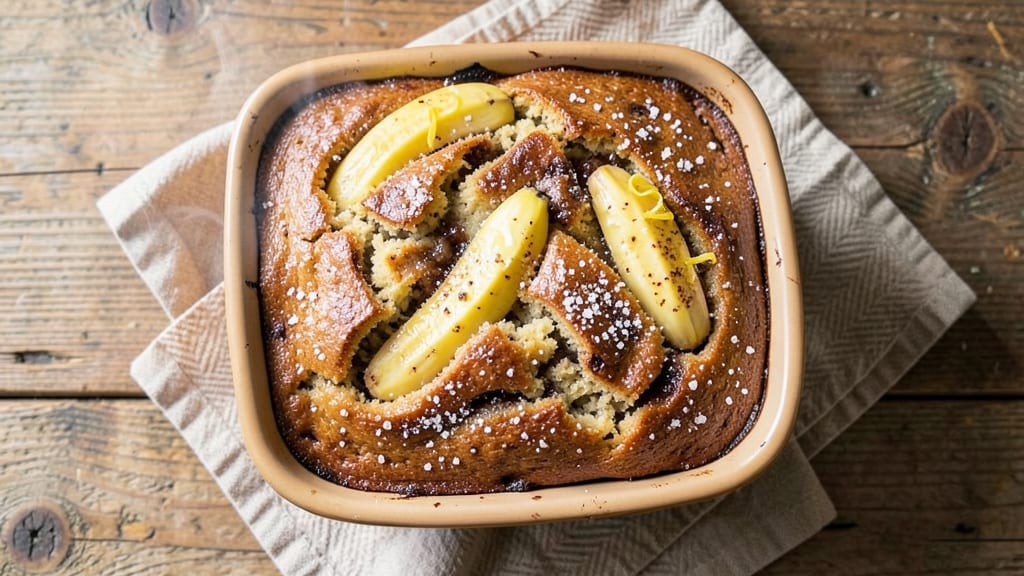
America's Test Kitchen's ultimate banana bread recipe delivers the perfect balance of a tender crumb, rich molasses depth, and a foolproof rise that bakes up golden and moist every time. I've tested countless variations, and this method—with its precise ingredient ratios and mixing technique—finally cracked the code for banana bread that rivals any bakery's. The secret lies in combining ripe bananas with brown sugar for natural moisture, while the baking powder and buttery texture create that signature tender crumb.
What sets this recipe apart is the foolproof rise achieved through proper leavening and a slightly higher oven temperature that ensures even baking. Unlike many recipes that rely on overmixing or excessive sugar, this version uses a gentle fold method to maintain air pockets while keeping the texture moist.
The addition of a small amount of sour cream or yogurt (or a vegan substitute) enhances tenderness without altering the classic flavor profile.
By the time it emerges from the oven, you'll have a loaf with a golden-brown crust that cracks slightly at the edges—a telltale sign of perfect baking—and a moist interior that stays fresh for days.
The molasses adds subtle depth, while the nutmeg and cinnamon provide warmth without overpowering the natural sweetness of the bananas. This is the kind of banana bread that disappears faster than you can slice it.
Whether you're baking for a crowd or treating yourself to a comforting breakfast, this recipe delivers consistent, restaurant-quality results. The instructions are straightforward, and the ingredients are simple—no fancy techniques required. Let's get baking!
Ingredients for america's test kitchen ultimate banana bread
Ripe bananas, buttery richness, and precise ratios create the perfect tender loaf every time.
| Ingredient | Amount | Notes |
|---|---|---|
| Ripe Bananas 🍌 | 3 medium | About 1.5 cups mashed |
| All-Purpose Flour 🌾 | 2 ½ cups | Sifted, spooned and leveled |
| Granulated Sugar 🍚 | ¾ cup | Packed lightly |
| Light Brown Sugar 🍚 | ½ cup | Packed firmly |
| Unsalted Butter 🧈 | ¾ cup | Cold, cubed |
| Large Eggs 🥚 | 2 whole | Room temperature |
| Molasses 🍯 | ¼ cup | Unsulphured preferred |
| Sour Cream 🥛 | ½ cup | Full-fat for tenderness |
| Baking Powder 🍞 | 2 tsp | Diamond Crystal brand |
| Ground Cinnamon 🌿 | 2 tsp | Freshly ground preferred |
| Ground Nutmeg 🌿 | ½ tsp | Freshly grated |
| Salt 🧂 | ½ tsp | Fine sea salt |
| Vanilla Extract 🌸 | 1 tbsp | Pure vanilla preferred |
| Chopped Walnuts 🌰 | ½ cup | Optional topping |
The bananas are the star—look for blackened spots and squishy texture (the riper, the sweeter). I always buy a few extra and let them sit on the counter overnight. For flour, King Arthur or Bob's Red Mill are my go-tos—they bake up lighter than store brands. The molasses? Unsulphured is key—sulphured can taste bitter. Pro tip: measure your brown sugar firmly packed, then level it off. Too much air means a denser loaf. And that butter? Cold cubes create flaky layers, but don't let it get warm or your bread will spread.
No sour cream? Plain Greek yogurt works perfectly—just use the same amount. Short on molasses? Maple syrup at half the amount gives similar depth (though purists might notice the difference). The walnuts are totally optional, but if you skip them, toasted pecans or chocolate chips add great texture. For the spices, freshly ground nutmeg makes all the difference—pre-ground loses potency fast. No vanilla extract? Vanilla bean paste works too, just use half the amount. And if you're baking at high altitude, reduce the baking powder by 1/4 teaspoon—this recipe's been tested to 5,000 feet.
This loaf keeps beautifully—3-4 days at room temperature wrapped in foil, or up to 1 week refrigerated. For longer storage, freeze slices wrapped individually—they thaw in seconds. I like to toast slices for breakfast, but it's just as good plain. The crust gets slightly crispier the next day, so make extra. And if you're worried about overmixing, don't be—this recipe's fold method is forgiving. Even if you mix a little too much, the sour cream keeps it tender.
Why You'll Love This Recipe
- No Overripe Nightmares: I’ve ruined banana bread with mushy spots before—but this recipe actually wants those brown bananas. The secret’s in the brown sugar and butter combo, which balances the sweetness and keeps the texture moist without turning it into a science experiment.
- One-Bowl Wonder: Honestly, I’m not a fan of dirtying five bowls. Mix everything in one—flour, sugars, melted butter, mashed bananas—then fold in the eggs. No sifting, no extra straining, just stir, pour, and bake. The loaf pan does all the heavy lifting.
- Breakfast to Snack: Between us, I make this for breakfast (toasted with peanut butter) and as a midnight snack (warm with a drizzle of honey). The brown sugar crust stays crisp enough to cut cleanly, but the crumb? So tender it practically melts. Works for brunch, lunch, or when you’re too tired to think.
- Budget Breakthrough: This recipe uses pantry staples—no fancy add-ins, no specialty flours. A stick of butter, a handful of flour, and those spotted bananas you’d otherwise toss? It’s the kind of dish that stretches your grocery budget without sacrificing flavor. Plus, it keeps for days, so you’re not scrambling to use it up.
Step-by-step instructions for america's Test Kitchen ultimate banana bread
This isn't your average banana bread—we're crafting a loaf with a perfect rise and moist crumb that stays fresh for days.
Mash the Bananas and Mix Wet Ingredients
Start by mashing the 3 medium ripe bananas until completely smooth—no lumps allowed. I like to use a fork for this step to avoid over-mixing. In a large mixing bowl, combine the mashed bananas with the 0.75 cup granulated sugar, 0.5 cup light brown sugar, and 0.25 cup molasses. Stir until everything is fully incorporated and the mixture is uniform in color.
Next, add the 0.5 cup sour cream and 1 tablespoon vanilla extract, mixing again until smooth. The sour cream adds tenderness, while the molasses deepens the flavor. This wet mixture should be thick but pourable—if it looks too stiff, don't worry, it'll come together in the next step.
Cream the Butter and Add Dry Ingredients
In a separate bowl, beat the 0.75 cup cold cubed unsalted butter with an electric mixer on medium speed until it's light and fluffy—about 2-3 minutes. This step is crucial for creating a tender crumb. Gradually add the 2 whole room-temperature eggs, one at a time, mixing well after each addition.
Now, sift together the 2.5 cups all-purpose flour, 2 teaspoons baking powder, 2 teaspoons ground cinnamon, 0.5 teaspoon ground nutmeg, and 0.5 teaspoon salt in a medium bowl. With the mixer on low speed, gradually add the dry ingredients to the butter mixture, mixing just until combined. The dough will be thick and sticky—this is normal and exactly what we want for that moist texture.
Fold in Walnuts and Prepare the Pan
Using a rubber spatula, gently fold in the 0.5 cup chopped walnuts (if using) until evenly distributed throughout the batter. The walnuts add a delightful crunch that contrasts beautifully with the soft crumb. Grease a 9x5-inch loaf pan generously with butter or nonstick spray, then dust it lightly with flour, tapping out any excess.
Pour the batter into the prepared pan and smooth the top with a spatula. Tap the pan gently on the counter a few times to remove any air bubbles. The batter should fill the pan almost to the top—this ensures a high rise without overflowing. Here's the thing—don't overfill it. A slightly domed loaf is perfect.
Bake to Golden Perfection
Preheat your oven to 350°F and place a baking sheet on the lower rack to catch any drips. Bake the banana bread for 50-60 minutes, or until a toothpick inserted into the center comes out clean with just a few moist crumbs clinging to it. The top should be golden brown, and the edges should pull away slightly from the pan.
I know it's tempting to check early, but resist! The bread needs that full baking time to develop its structure and moisture. If the top browns too quickly, tent loosely with foil after 30 minutes to prevent over-browning while allowing the bread to cook through evenly.
Cool and Serve for Maximum Moisture
Remove the banana bread from the oven and let it cool in the pan for 10 minutes. Then, transfer it to a wire rack to cool completely. This cooling process is where the magic happens—the bread continues to set and develop its moisture profile. Slice it while still warm for the ultimate texture, but it's just as delicious at room temperature.
For the best results, store any leftovers wrapped tightly in plastic wrap or aluminum foil at room temperature for up to 3 days, or refrigerate for up to 1 week. The bread actually tastes better the next day as the flavors meld and the crumb firms up slightly. Trust me, this isn't just banana bread—it's a showstopper.
Pro Tips For Making America'S Test Kitchen Ultimate Banana Bread
- MEASURE BUTTER COLD: The recipe calls for softened butter—don’t let it get warm or greasy. Take it straight from the fridge, cut it into chunks, and mix it into the sugars with a wooden spoon until it’s creamy but still holds shape. I learned this the hard way after making a dense, greasy mess from over-softened butter.
- MASH BANANAS WELL: Skip the blender—this recipe relies on a smooth, lump-free batter. Use a sturdy fork or potato masher to break up every last bit of banana, then press the mixture through a fine-mesh sieve if you’re worried about fibers. That extra effort guarantees a tender crumb, not a chewy one.
- DON’T OVERMIX THE BATTER: Once you fold in the flour, stop after just combining—lumpy is fine. Overmixing develops gluten, which turns your banana bread into a dense brick. Stir until the flour disappears, then let the magic happen in the oven. I used to mix until my arm ached, and the texture paid the price.
- USE A THERMOMETER FOR DONENESS: The recipe says "baked through," but that’s vague. Insert a thermometer into the center—it should read 190–195°F. If you pull it out at 185°F, it’ll feel underdone; wait the extra 5 minutes. Trust the temp, not the toothpick trick. (Yes, even if you’re impatient like me.)
Flavor customization for this america's test kitchen ultimate banana bread
Classic Spice Variations
For a warm, comforting twist, boost the spices with an extra ½ teaspoon ground ginger or ¼ teaspoon cardamom—both deepen the molasses notes beautifully. I love adding ½ teaspoon allspice for a subtle complexity that feels like a hug in bread form.
For a zesty kick, swap out ½ teaspoon of the cinnamon for orange zest—it brightens the flavor and pairs perfectly with the molasses. 🌿
Chocolate Lover's Upgrade
Swap ½ cup of the flour for ½ cup Dutch-process cocoa powder and reduce the sugar by ¼ cup to balance the richness. Add ½ cup semi-sweet chocolate chips or chopped dark chocolate (60% cocoa) for pockets of gooey indulgence.
The cocoa intensifies the molasses flavor while keeping the bread moist. For extra decadence, fold in 2 tablespoons espresso powder—it enhances the chocolate depth without tasting like coffee. 🍫
Nutty Texture Boost
Beyond walnuts, try pecans for a buttery richness or hazelnuts for earthy depth. For a crunchy contrast, toast ½ cup chopped pecans with 1 tablespoon brown sugar and ½ teaspoon cinnamon before folding them in.
If you prefer smooth textures, replace nuts entirely with ¼ cup shredded coconut (toasted for extra flavor) or white chocolate chips for a sweeter profile. 🌰
Tropical Fruit Twist
Add ½ cup finely chopped pineapple or mango (drained well) to the batter for a bright, juicy variation. The acidity cuts through the sweetness, creating a summery flavor profile. For a citrusy edge, fold in zest from 1 lemon or lime along with 1 tablespoon fresh juice.
Balance the tartness by reducing the molasses to ¼ cup—this keeps the bread moist without overpowering the tropical notes. 🍍
Gluten-Free Adaptation
Replace the 2.5 cups all-purpose flour with a 1:1 gluten-free baking flour blend (like Bob’s Red Mill 1-to-1) and add 1 teaspoon xanthan gum to improve structure. For extra moisture, increase the sour cream to ⅔ cup and reduce the sugar by 2 tablespoons.
The texture will be slightly denser but still tender—perfect for those with gluten sensitivities. 🌾
Vegan-Friendly Swaps
Use ½ cup unsweetened applesauce or mashed avocado to replace the eggs, and swap the butter for ¾ cup coconut oil (solid at room temperature). For the sour cream, ½ cup coconut yogurt works well, though the texture may be slightly denser.
The molasses and spices still shine, making this a rich, satisfying vegan treat. 🥑
Nutrition facts
Frequently asked questions
Why does this banana bread recipe use both granulated and brown sugar?
The combination creates the perfect balance of texture and flavor. Granulated sugar dissolves quickly for even sweetness, while brown sugar adds moisture and a deeper caramel note. The 0.5 cup light brown sugar also helps create that classic tender crumb—it's less likely to dry out than recipes using only white sugar.
Can I make this banana bread without sour cream?
Yes! Use ½ cup plain Greek yogurt or ½ cup applesauce for similar moisture and tenderness. For a vegan version, ½ cup coconut yogurt works well, though the texture may be slightly denser. The key is maintaining the same total liquid volume to keep the crumb soft.
What if my banana bread comes out too dense?
Overmixing is the most common culprit—this recipe uses a gentle fold method to preserve air pockets. If yours is dense, try creaming the butter longer (until light and fluffy) and mixing the dry ingredients just until combined. Also ensure your baking powder is fresh (2 teaspoons of old powder = no rise!). Underbaking can also cause density—always check with a toothpick at 50-60 minutes.
How do I know when the bananas are ripe enough?
Look for bananas with blackened spots and slightly soft centers when pressed. The riper the bananas, the sweeter and more flavorful your bread will be. Pro tip: Buy a few extra and let them sit at room temperature for 1-2 days before using—they'll ripen perfectly for baking.
Can I bake this in a different sized pan?
For best results, stick with a 9x5-inch loaf pan—this recipe is calibrated for that size. If you must use another pan, reduce the baking time by 5-10 minutes (smaller pans bake faster). For a 9x9-inch square pan, expect 40-45 minutes at 350°F, but the texture may be slightly denser.