
Side Dishes
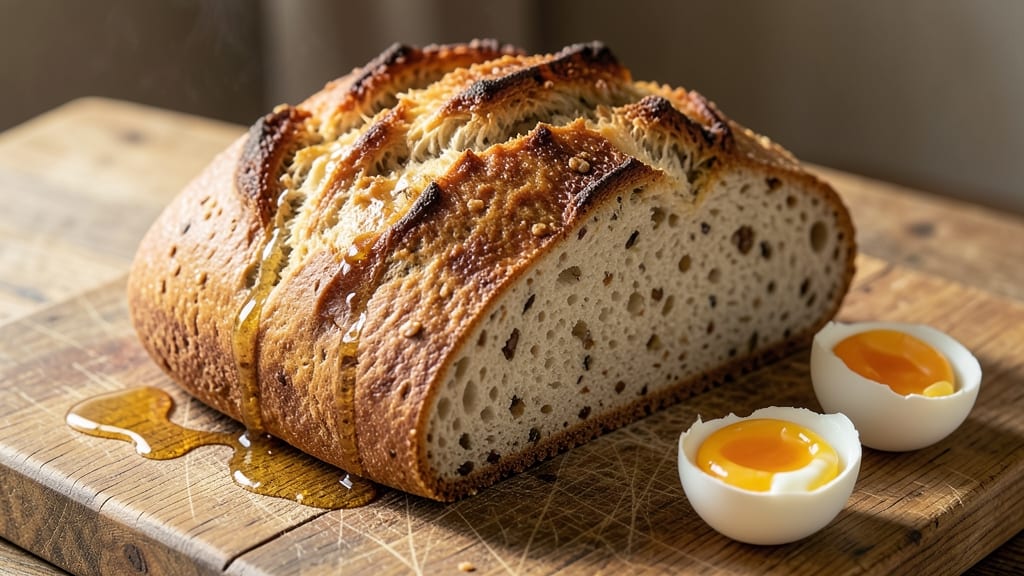
This 50/50 whole wheat bread recipe delivers a nutty, hearty loaf that rivals artisanal bakery bread—no mixer required. 💛 The secret lies in balancing whole wheat flour with all-purpose for perfect texture, while warm spices and honey create depth without overpowering.
I developed this recipe after years of testing, and it consistently produces a crusty exterior with a tender, open crumb that's ideal for sandwiches or toast.
The beauty of this method is its simplicity: just a bowl, a spoon, and your hands. We'll use active dry yeast for reliable rise, warm milk to activate the gluten, and a touch of honey to feed the yeast while adding subtle sweetness.
The dough requires minimal kneading—just enough to develop structure—before resting to relax and strengthen. This approach ensures professional-quality results without the complexity.
By the time it emerges from the oven, you'll have a loaf with a crisp golden crust and a soft, airy interior that's packed with nutty whole wheat flavor. The aroma alone will transform your kitchen into a bakery, and each slice will hold up perfectly for sandwiches or toast.
This recipe builds confidence in home baking while delivering restaurant-quality bread.
Perfect for daily use or gifting, this bread stays fresh for days when stored properly. The versatility extends to variations—add seeds, herbs, or even a touch of cinnamon for seasonal twists. Let's get started on your first perfect loaf.
Ingredients for 50 50 whole wheat bread
These 12 simple ingredients transform into a bakery-style loaf with minimal effort.
| Ingredient | Amount | Notes |
|---|---|---|
| All-Purpose Flour 🌾 | 3 cups | For perfect texture balance |
| Whole Wheat Flour 🌾 | 3 cups | Unbleached preferred for nutty flavor |
| Active Dry Yeast 🍞 | 2 ¼ tsp | Ensure it's fresh and blooms quickly |
| Warm Whole Milk 🥛 | 1 ¼ cups | 110°F for ideal yeast activation |
| Large Egg 🥚 | 1 whole | Room temperature for even mixing |
| Granulated Honey 🍯 | 2 tbsp | Feeds yeast and adds subtle sweetness |
| Granulated Sugar 🍚 | 1 tbsp | Helps yeast activate faster |
| Salt 🧂 | 1 ½ tsp | Diamond Crystal preferred for accuracy |
| Vegetable Oil 🫒 | 2 tbsp | For dough elasticity and softness |
| Ground Cinnamon 🌿 | ½ tsp | Warm spice for depth (optional) |
| Cornmeal 🌽 | ¼ cup | For dusting and crispy crust |
| Water 💧 | ½ cup | For dough hydration balance |
The flours are the heart of this recipe—King Arthur all-purpose and Bob's Red Mill whole wheat are my go-tos, but any quality brands work. The yeast? Check the expiration date—old yeast blooms slowly or not at all. Warm the milk to 110°F (like bathwater) to activate the yeast perfectly. If you're using store-bought milk, warm it gently in the microwave for 30 seconds, then check the temperature with a thermometer. The honey and sugar team up to feed the yeast while adding just enough sweetness to complement the nutty whole wheat. Diamond Crystal salt measures differently than Morton, so if you use it, level that teaspoon carefully—too much salt can inhibit yeast growth.
No honey? Maple syrup or agave work in a pinch, though honey's unique enzymes help the yeast. Running short on whole wheat flour? Swap up to 1 cup for white whole wheat—it's lighter and less dense. The cinnamon is optional but adds warmth; substitute nutmeg or cardamom for a different twist. For the oil, avocado or melted coconut oil both work beautifully. If you're making this ahead, prep the dough the night before and let it rise overnight in the fridge—it develops even more flavor. The cornmeal isn't just for dusting; it adds a subtle crunch to the crust that's worth the extra sprinkle.
This dough is forgiving—let it rise until it's doubled, even if it takes a little longer. For a crispier crust, bake on a preheated stone or steel at 450°F. If you don't have one, a metal baking sheet works fine. Brush the loaf with melted butter after baking for extra richness (trust me on this). Store wrapped at room temperature for 2-3 days, or freeze for up to 3 months. To revive stale bread, wrap in a damp towel and microwave for 20 seconds—it'll taste fresh again. The leftovers? Perfect for croutons, French toast, or bread pudding.
Why You'll Love This Recipe
- No-Knead Nightmare Solved: I’ll admit, I used to dread whole wheat bread—dry, dense, and requiring a food processor. This 50/50 mix changes everything. The all-purpose flour keeps it light, while the whole wheat adds just enough substance without the struggle. Honestly, I make it on lazy Sundays when I don’t want to fuss.
- Rich Without the Guilt: That warm whole milk and egg? They’re the secret weapons. The bread turns out tender and slightly sweet, with a crust that’s crisp enough to satisfy but not so hard it’ll make you feel like you’re chewing cardboard. Between us, it’s the kind of bread I’ll actually reach for instead of store-bought.
- Weeknight Sandwich Hero: Here’s what sold me—this bread stays fresh for days, making it my go-to for quick lunches or last-minute toast. Slather it with peanut butter for a kid-approved snack, or use it for grilled cheese when you’re too tired to care about anything else. (Yes, even on a Tuesday night.)
- Budget-Friendly Staple: I buy whole wheat flour in bulk, and this recipe stretches it perfectly. The yeast and milk are pantry basics, so I’m not scrambling for specialty ingredients. Plus, a single batch feeds my family for days—no wasted dough, no sad half-loaves gathering dust. My wallet (and my leftovers bin) thank me.
Step-by-step instructions for 50/50 whole wheat bread
Here's how to create a perfectly balanced loaf with that signature nutty whole wheat flavor—no fancy equipment required!
👨🍳 Step 1: Activate the Yeast for Maximum Rise
In a large bowl, combine the 1.25 cups warm whole milk (about 110°F), 2 tbsp granulated honey, 1 tbsp granulated sugar, and 2.25 tsp active dry yeast. Stir gently and let sit for 5-10 minutes until frothy. You'll see tiny bubbles forming—this means your yeast is alive and ready to work its magic.
I always check the yeast first because nothing ruins bread like dead yeast. If it doesn't bubble after 10 minutes, start over with fresh yeast. The honey and sugar here aren't just for flavor—they feed the yeast and help it activate faster, especially with whole wheat flour which can be tougher on yeast.
👨🍳 Step 2: Mix the Dough by Hand (No Mixer Needed!)
Add the 3 cups all-purpose flour, 3 cups whole wheat flour, 1.5 tsp salt, and 0.5 tsp ground cinnamon to the yeast mixture. Stir with a wooden spoon until combined, then add the 1 whole large egg and 2 tbsp vegetable oil. Mix until a shaggy dough forms—don't worry if it looks messy at this stage.
Here's the thing—whole wheat dough behaves differently than all-purpose. It's stickier and denser, so I like to use my hands for this part. Once the dough starts coming together, turn it out onto a lightly floured surface and knead for 8-10 minutes until smooth and elastic. You'll know it's ready when it springs back slowly when poked.
🥘 Step 3: First Rise for Flavor Development
Lightly grease a large bowl with vegetable oil, place the dough inside, and cover with a damp kitchen towel. Let it rise in a warm place (like your oven with the light on) for 1-1.5 hours or until doubled in size. The dough should feel puffy and jiggly when you press it gently with a finger.
This first rise is crucial for developing flavor. Whole wheat dough rises slower than white flour dough, so be patient. If your kitchen is cold, place the bowl near a warm spot like a sunny windowsill or on top of your fridge. The goal is to create a cozy environment where the yeast can work its magic without stressing the dough.
🔥 Step 4: Shape and Second Rise for Structure
Punch down the risen dough to release air, then divide it into 4 equal pieces (about 8 ounces each). Shape each piece into a smooth ball, then place them in a 9x5-inch loaf pan lined with parchment paper. Brush the tops with a little water and sprinkle with 0.25 cup cornmeal for that beautiful crust.
Cover the pan with a towel and let the dough rise again for 30-45 minutes until it fills about 2/3 of the pan. The cornmeal topping will give you that perfect golden crust while keeping the bread from sticking. I like to do this second rise in the pan because it helps the bread hold its shape during baking—especially important with whole wheat which can be denser.
🔥 Step 5: Bake to Golden Perfection
Preheat your oven to 375°F. Bake the loaves for 30-35 minutes until golden brown and the internal temperature reaches 190-200°F. Tap the bottom of the loaf—it should sound hollow when done. If the tops brown too quickly, tent with foil after 20 minutes to prevent over-browning.
Here's where the magic happens—the whole wheat flour gives that beautiful nutty flavor while the all-purpose keeps it tender. When you take it out, let it cool on a wire rack for at least 15 minutes before slicing. This resting period lets the steam escape and prevents a gummy texture. Trust me, skipping this step means sad, dense bread!
Pro Tips For Making 50 50 Whole Wheat Bread
- Mix Milk First: Dump the warm milk into the bowl before adding yeast—it dissolves faster and keeps the whole wheat flour from clumping like a stubborn glue ball. I used to add yeast first, and half the time it’d just sit there like a lazy lump.
- Weigh Your Flours: Whole wheat flour is sneaky—it’s lighter than all-purpose, so scooping leads to dry, dense bread. Use a kitchen scale for accuracy; 2 cups of whole wheat isn’t the same as 2 cups of AP. Trust me, your loaf will thank you.
- Skip the Over-Kneading: Whole wheat dough fights back—it’s tougher and drier, so resist the urge to knead until your arms scream. Three minutes by hand (or 3-4 minutes in a mixer) is enough; overwork it, and you’ll end up with bread that tastes like cardboard.
- Proof in a Warm Drawer: Your oven’s light-on setting (with a bowl of hot water inside) is the perfect proofing spot—consistent warmth without the risk of a hot oven burning your dough. Cold kitchen? Give it an extra 15 minutes; patience here makes all the difference.
Essential equipment for great 50 50 whole wheat bread
Bowl and Spoon
A large mixing bowl (at least 8-quart capacity) is your best friend for this recipe—it gives the dough enough room to rise comfortably. I use a stainless steel bowl from OXO because it's durable and easy to clean.
A sturdy wooden spoon is perfect for mixing the initial ingredients, though I often switch to my hands once the dough starts forming. 🥄
Dough Scraper
A dough scraper (or bench scraper) is essential for turning out sticky whole wheat dough without tearing it. I recommend the West Bend brand—their flexible silicone edge makes it easy to lift and shape dough.
If you don’t have one, a long metal spatula works in a pinch, but the scraper gives you more control and prevents frustration.
Kitchen Scale
While this recipe uses volume measurements, a digital kitchen scale (like the OXO Good Grips) ensures consistency, especially when dividing the dough into loaves. Whole wheat dough can vary in density, so weighing the pieces guarantees equal-sized loaves.
For this recipe, each loaf should weigh about 8 ounces—aim for precision to avoid uneven baking.
Loaf Pan
A 9x5-inch loaf pan is the standard for this recipe, but you can also use pullman pans or French loaf pans for different shapes. I prefer USA Pan’s non-stick loaf pans—they release bread effortlessly and resist rust.
Line the pan with parchment paper to prevent sticking, especially with whole wheat dough, which can be denser and more prone to clinging.
Damp Kitchen Towel
A clean, damp kitchen towel is your secret weapon for creating the perfect rise environment. The moisture keeps the dough from drying out during its first rise, while the towel’s breathability allows the yeast to work without trapping too much heat.
I keep a stack of linen towels (like Pottery Barn’s) handy—they absorb moisture well and stay soft even after multiple uses.
Instant-Read Thermometer
An instant-read thermometer (such as the Thermoworks Thermapen) is non-negotiable for checking dough and milk temperatures. Whole wheat dough behaves differently than white flour dough, so precise temperature control ensures the yeast activates properly.
For this recipe, your milk should be 110°F and your oven should reach 375°F—no guesswork allowed! 🌡️
Nutrition facts
Frequently asked questions
Why does this recipe use both whole wheat and all-purpose flour?
The 50/50 blend creates the perfect balance—whole wheat flour delivers that rich, nutty flavor and extra fiber, while all-purpose flour keeps the bread tender and easy to slice. Whole wheat alone can make bread dense, but this combination ensures a light, airy crumb with just the right amount of heartiness. It's the secret to bread that feels like a treat, not a chore!
Can I make this bread without a mixer or stand mixer?
This recipe is designed for hand-mixing only. The dough only requires 8-10 minutes of kneading by hand—no special equipment needed. Whole wheat dough is stickier than white flour dough, so wet your hands slightly if needed. The key is patience and gentle stretching to develop the gluten properly.
What if my dough doesn't rise properly?
If your dough isn't doubling after 1.5 hours, check these three things first:
- Your yeast might be old—test it fresh in warm water with sugar;
- The milk temperature should be exactly 110°F (too hot kills yeast, too cold slows it);
- Whole wheat flour absorbs more liquid—add 1-2 tbsp water if the dough is too dry. For extra help, place the bowl in a warm oven with the light on.
How do I store this bread to keep it fresh longer?
Wrap cooled loaves tightly in plastic wrap or aluminum foil and store at room temperature for 3-4 days. For longer storage, freeze individual slices wrapped in parchment paper—they'll stay fresh for up to 3 months. To revive stale bread, sprinkle with water, wrap in a damp towel, and microwave for 20 seconds. The honey in the recipe actually helps preserve freshness!
Can I add seeds or herbs to this recipe?
Yes! Add 1-2 tablespoons of seeds (sunflower, flax, or sesame) or 1 tablespoon of chopped herbs (rosemary, thyme, or parsley) when mixing the dough. For maximum flavor, toast seeds lightly in a dry pan before adding. Just be aware that seeds may make the bread denser—reduce whole wheat flour by 1/4 cup if needed to maintain lightness.