
Side Dishes
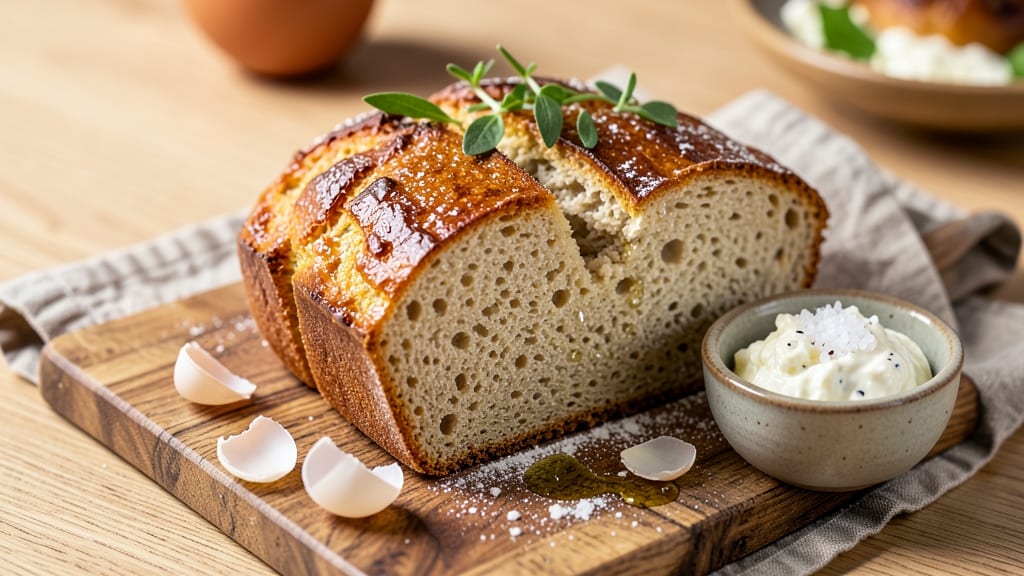
This healthy 5-ingredient cottage cheese bread recipe delivers soft, foil-sealed perfection without yeast or complicated steps. 💛 The secret lies in cottage cheese—its acidity activates baking soda for a tender crumb, while its protein keeps it satisfyingly substantial.
I developed this recipe during a health kick when I needed a bread that was both nutritious and foolproof, and it quickly became my go-to for quick meals or side dishes.
The beauty of this recipe is its simplicity: just cottage cheese, flour, baking soda, an egg, and a touch of oil. No yeast, no kneading, no waiting for dough to rise—just mix, bake, and enjoy.
The foil seal traps moisture, ensuring a soft interior even after cooling, while the exterior develops a subtle golden crust. It's the kind of bread that disappears faster than you can say "healthy snack."
What makes this bread truly special is its versatility. Serve it warm with butter, toast it for crunchy French toast, or use it as a base for open-faced sandwiches.
Each slice delivers high protein and low carbs, making it perfect for those watching their intake without sacrificing flavor or texture. The result is a bread that feels indulgent but is packed with nutritional benefits.
Ready in just 30 minutes, this recipe is perfect for busy weeknights or meal prep. The cottage cheese adds a subtle tang that balances the mild sweetness of the bread, creating a flavor profile that's both comforting and unexpected. Let's get started!
Ingredients for 5 ingredient cottage cheese bread recipe healthy
Five ingredients, zero yeast, all the softness—just cottage cheese, flour, and a touch of magic.
| Ingredient | Amount | Notes |
|---|---|---|
| Large Eggs 🥚 | 1 whole | Room temperature for even mixing |
| All-Purpose Flour 🌾 | 3 cups | Sifted for light texture (plus extra for dusting) |
| Small-Curd Cottage Cheese 🧀 | 16 oz | Full-fat for richness (2% works too) |
| Baking Soda 🍃 | 1 tsp | Freshly opened for maximum lift |
| Extra-Virgin Olive Oil 🫒 | ¼ cup | Light flavor profile preferred |
| Diamond Crystal Kosher Salt 🧂 | ½ tsp | Fine grain for even distribution |
| Granulated Sugar 🍚 | 1 tbsp | Optional for subtle sweetness |
| Aluminum Foil 📄 | 1 sheet | Heavy-duty for perfect sealing |
The cottage cheese is non-negotiable here—full-fat delivers the best texture, but 2% works in a pinch. Grab the small-curd variety (like Great Value or Kroger brands) for that perfect balance of moisture and structure. If you're feeling fancy, Trader Joe's carries organic options with a tangier profile. The flour? King Arthur or Bob's Red Mill for that tender crumb—cheap store brands work too, but sift it well to avoid dense bread. Pro tip: measure your flour by weight if you're precise (340g for 3 cups), but the spoon-and-level method works fine for home baking.
No baking soda? Baking powder at double the amount is a decent swap, but the texture won't be quite as tender. Running low on olive oil? Melted coconut oil or avocado oil keeps the flavor neutral. The sugar is truly optional—skip it if you're watching carbs, but it helps balance the subtle tang of the cottage cheese. Prefer a sweeter loaf? Add 1 extra tbsp honey or maple syrup to the mix. And yes, you can use whole wheat flour (swap 1 cup all-purpose for whole wheat), but expect a denser crumb. The foil? Heavy-duty is key—regular foil tears when you try to seal it tight.
This bread stays soft for 3 days if wrapped in foil at room temp (trust me, it's a game-changer). For longer storage, slice and freeze portions—3 months in a ziplock bag. Reheat slices in a toaster or microwave for 10 seconds. Double the recipe? Bake in two loaf pans for 45 minutes instead of 30. And that leftover dough? Shape into cottage cheese muffins—same ingredients, different magic.
Why You'll Love This Recipe
- No-Fuss Mixing: I swear by the simplicity here—just whisk, fold, and bake. The cottage cheese blends right into the flour without lumps, and the olive oil keeps everything tender with zero fuss.
- Creamy Crunch Surprise: That crispy golden crust with a soft, almost custardy center? It’s the magic of small-curd cottage cheese and baking soda working together. Honestly, it’s the kind of texture you’ll keep reaching for.
- Weeknight & Meal Prep: I make a double batch on Sundays—slices for toast in the morning, cubes for salads, even as a snack. It holds up for days without getting dry, and the olive oil keeps it rich without needing extra butter.
- Pantry Staple Power: Five ingredients, all of which I already have. The eggs bind, the flour gives structure, and the cottage cheese adds protein without costing a fortune. Between us, this is my go-to when I’m broke or lazy—both work.
Step-by-step instructions for foil-sealed cottage cheese bread
Here's how to make this surprisingly tender, no-yeast bread with just five core ingredients.
👨🍳 Step 1: Mix Wet Ingredients for Perfect Texture
In a large mixing bowl, combine the 1 whole Large Eggs, 16 oz Small-Curd Cottage Cheese, 0.25 cup Extra-Virgin Olive Oil, 1 tbsp Granulated Sugar, and 0.5 tsp Diamond Crystal Kosher Salt. Use a sturdy whisk or wooden spoon to blend until completely smooth—no lumps allowed. The cottage cheese should break down into the mixture, creating a thick, creamy batter.
Here's the thing—I like to press the cottage cheese through a fine-mesh sieve first to remove any excess liquid. This prevents a gummy texture in the finished bread. If you skip this, don't worry, but you might need to add an extra 1/4 cup all-purpose flour to compensate for moisture.
👨🍳 Step 2: Incorporate Dry Ingredients Gently
Add the 3 cups All-Purpose Flour and 1 tsp Baking Soda to the wet mixture. Stir just until combined—you'll see some dry spots, and that's perfect. Overmixing develops gluten, which makes the bread denser. The dough should be thick but workable, similar to pancake batter consistency.
I always fold in the flour using a spatula rather than stirring vigorously. This keeps the gluten development minimal while ensuring even distribution. If the dough feels too sticky after mixing, add 1-2 tablespoons more flour until it holds together when pressed between fingers.
🔥 Step 3: Shape and Seal in Foil
Line a 9x5-inch loaf pan with the 1 sheet Aluminum Foil, leaving an inch overhang on all sides. Spoon the dough into the prepared pan and smooth the top with a wet spatula. The foil helps create that signature soft, steamed texture while preventing over-browning.
Here's where the magic happens: Fold the foil overhang up and over the dough to completely seal it. This creates a steam chamber during baking, resulting in that ultra-tender crumb. Don't worry if it looks messy—the foil will contain everything perfectly.
🔥 Step 4: Bake at Low Temperature for Even Cooking
Preheat your oven to 350°F and place the foil-sealed loaf pan in the center rack. Bake for 50-60 minutes until the top is golden brown and a toothpick inserted in the center comes out clean. The low temperature ensures even cooking without a dense crust.
I know it seems like a long time, but patience pays off here. The foil traps steam, which keeps the bread moist. If the top browns too quickly, tent with additional foil for the last 10 minutes of baking.
⏰ Step 5: Cool and Unwrap for Perfect Texture
Remove the bread from the oven and let it cool in the pan for 10 minutes before carefully unfolding the foil. The bread will be warm and tender, but it needs time to set properly. Transfer to a wire rack to cool completely—this prevents a gummy texture.
Here's the payoff: When you slice into this bread, you'll get that perfect combination of soft, cake-like crumb with a slight chewiness from the cottage cheese. Store leftovers wrapped in foil at room temperature for up to 3 days or freeze for longer storage.
Pro Tips For Making 5 Ingredient Cottage Cheese Bread Recipe Healthy
- BLEND THE COTTAGE CHEESE WELL: Mix that cottage cheese until it’s completely smooth—no lumps, no chunks—especially if you’re using small-curd. I learned this the hard way when my first loaf had weird textures. Use a fork first, then a whisk or even a hand mixer for 30 seconds if needed. The batter should be silky, not grainy.
- WEIGH THE FLOUR (YES, REALLY): Scooping flour from the bag packs in air, which means your bread will be denser than it should be. Use a kitchen scale for 1 cup—it should be about 120 grams for all-purpose. This isn’t just nitpicking; it’s the difference between a light, airy loaf and one that feels like a brick.
- DON’T OVERMIX THE BATTER: Once you add the baking soda, stop stirring the second everything’s combined. Overmixing develops gluten, and this bread doesn’t need it—it’ll turn out tough instead of tender. Fold just until the flour’s mostly incorporated, then let the baking soda do its job.
- BAKE UNTIL THE CENTER HITS 205°F: That internal temp is non-negotiable for this recipe. A toothpick coming out clean? Not enough. The bread needs to be fully set to avoid a gummy center. If your oven runs hot, check at 25 minutes—mine does, and I’ve ruined batches by pulling them too soon.
Make-ahead tips for leftovers
Prep Ahead Dough
Mix the dough up to 24 hours ahead and store it in an airtight container in the fridge. The flavors meld beautifully overnight, and the cottage cheese's acidity activates the baking soda for extra lift.
When ready to bake, simply transfer the chilled dough to your foil-lined pan and bake as directed—no extra prep time needed. The cold dough bakes slightly longer (add 5-10 minutes), but the texture stays perfectly tender. 💡
Freezer-Friendly Loaves
For maximum convenience, shape and seal the dough in foil, then freeze it raw in a ziplock bag for up to 3 months. When hungry, thaw overnight in the fridge, then bake straight from frozen at 350°F for 70-80 minutes—the extra time compensates for the cold start.
I love this for lazy weekends or when I know I’ll be busy and need a quick bread fix. 📅
Slice and Freeze
Bake a full loaf, then slice it into ½-inch thick portions and freeze them individually between parchment paper. This way, you can grab one perfect slice whenever you crave toast or a sandwich base.
To reheat, pop slices in the toaster for 2-3 minutes or microwave for 15-20 seconds—they’ll be warm and soft every time. Perfect for meal prep! ❄️
Double Batch Hack
Make two loaves at once by dividing the dough evenly between two 9x5-inch pans. Bake them side-by-side for 45 minutes instead of the usual 50-60 minutes—the smaller volume cooks faster.
Store one loaf in the fridge and freeze the other for later. This is my go-to strategy for feeding a crowd without extra effort. 🔥
Make-Ahead Muffins
Got leftover dough? Shape it into 12 muffins using a greased muffin tin and bake at 350°F for 20-25 minutes. These freeze beautifully and reheat in 10 seconds in the microwave.
They’re great for grab-and-go breakfasts or snacking—just add a smear of cream cheese or jam. A total game-changer for busy mornings! 💫
Room-Temp Storage
Keep your bread fresh at room temperature by wrapping it tightly in aluminum foil (the same trick we used for baking!). It stays soft for 3 full days—no fridge required. For extra insurance, place the wrapped loaf in a bread box or paper bag to lock in moisture.
This method works best if you plan to eat the bread within 48 hours. 🌾
Nutrition facts
Frequently asked questions
Why does cottage cheese make this bread so soft?
The cottage cheese contains lactic acid, which activates the baking soda for extra lift while adding moisture. Its protein content also creates a tender, cake-like crumb that stays soft for days. The foil seal during baking traps steam, further enhancing that pillowy texture.
Can I use low-fat or fat-free cottage cheese?
Technically yes, but expect a denser texture and less richness. Full-fat or 2% cottage cheese delivers the best balance of moisture and structure. For a lighter version, try blending in 1/4 cup Greek yogurt to compensate for reduced fat. The flavor won't be identical, but it'll still work in a pinch.
What if my bread turns out gummy?
Gummy texture usually means excess moisture from unstrained cottage cheese or overbaking. Next time, press the cottage cheese through a fine-mesh sieve first, and bake for 50 minutes (not 60). For a quick fix, slice the bread and toast it lightly—heat helps firm up the crumb. If all else fails, blend slices into cottage cheese breadcrumbs for savory coatings!
Is this bread gluten-free?
No, this recipe requires all-purpose flour for the best texture. For a gluten-free version, swap the flour for a 1:1 gluten-free baking blend (like Bob's Red Mill) plus 1 tsp xanthan gum. You may need to add 2 tbsp extra liquid (water or milk) to compensate for dryness. The result will be less tender but still delicious.
How can I make this bread sweeter?
Double the sugar to 2 tbsp or stir in 1/4 cup honey/maple syrup with the wet ingredients. For a spiced twist, add 1 tsp cinnamon or 1/2 tsp vanilla extract. The cottage cheese's tang balances sweetness beautifully—think of it as a healthier take on brioche!